





 Portuguese
  English
  Spanish
  4 min of reading
  0 comments


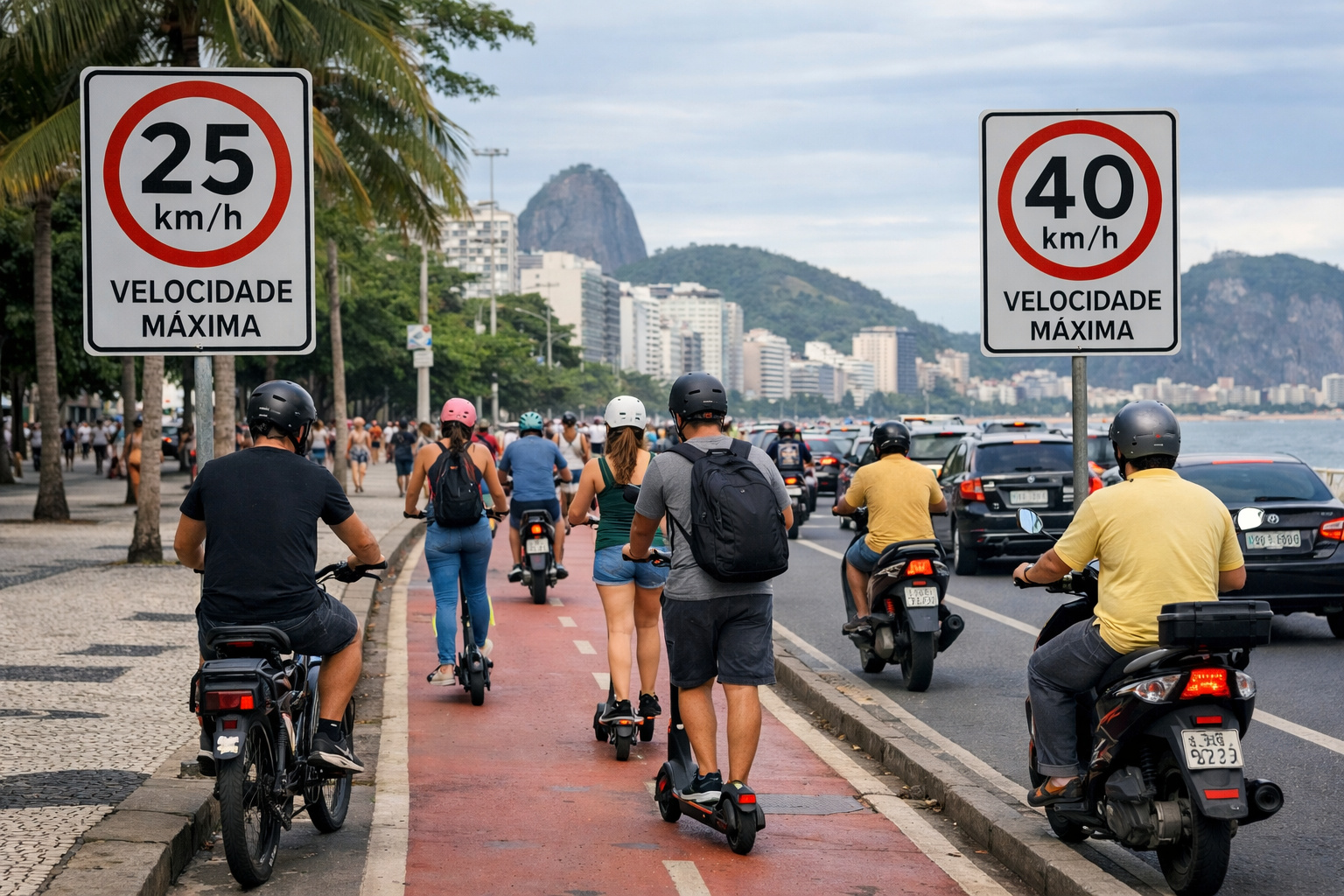
Understand the new rules for electric bicycles, scooters, and mopeds and how the regulation directly impacts urban mobility and traffic safety in Rio
Urban mobility in Rio de Janeiro has just undergone a significant transformation. With the publication of new regulations this Monday, the city hall established stricter rules for the circulation of electric vehicles, including electric bicycles, scooters, mopeds, and so-called self-propelled vehicles. This measure also arises amid an increase in accidents involving these means of transport and promises to change the daily lives of thousands of users.
The information was disclosed by “O GLOBO”, according to a detailed report on the regulation published in the Official Gazette, bringing complete data on the new requirements and restrictions implemented by the city hall of Rio de Janeiro.
Circulation and speed limitations change the routine of electric vehicle users
Firstly, one of the most impactful changes is related to circulation limitations. From now on, self-propelled vehicles and mopeds will not be allowed to circulate on roads with a maximum speed above 60 km/h. Additionally, these vehicles are prohibited from using bike lanes, cycle paths, and cycle routes, which completely alters the dynamics of using these devices in the city.
-
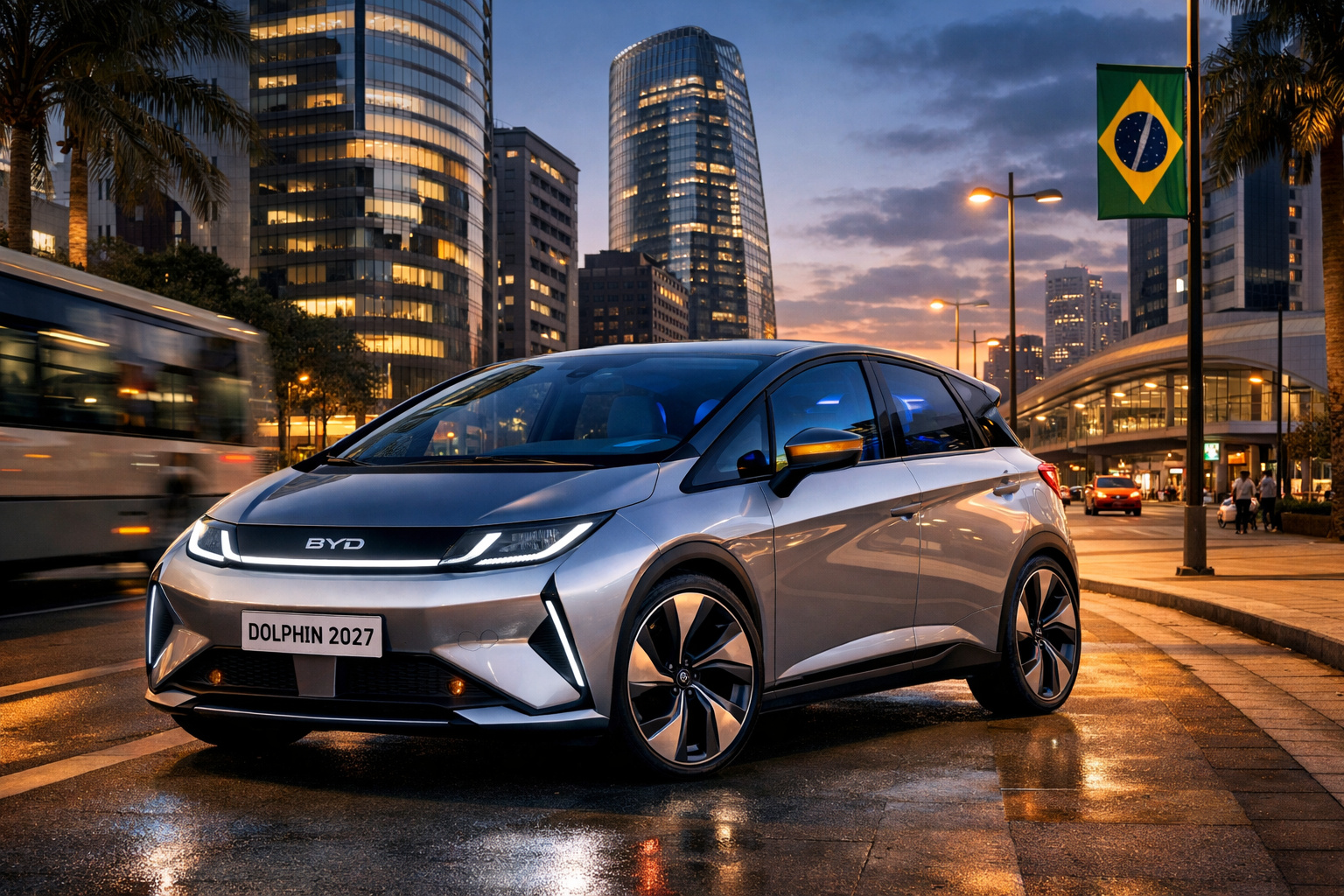
BYD Dolphin 2027 gains more power, increases in size, changes interior, and abandons controversial feature to face new competition in Brazil.
-
The German economist Wolf-Peter Schill has no doubts: “Electric cars are already far superior to cars with internal combustion engines.”

-
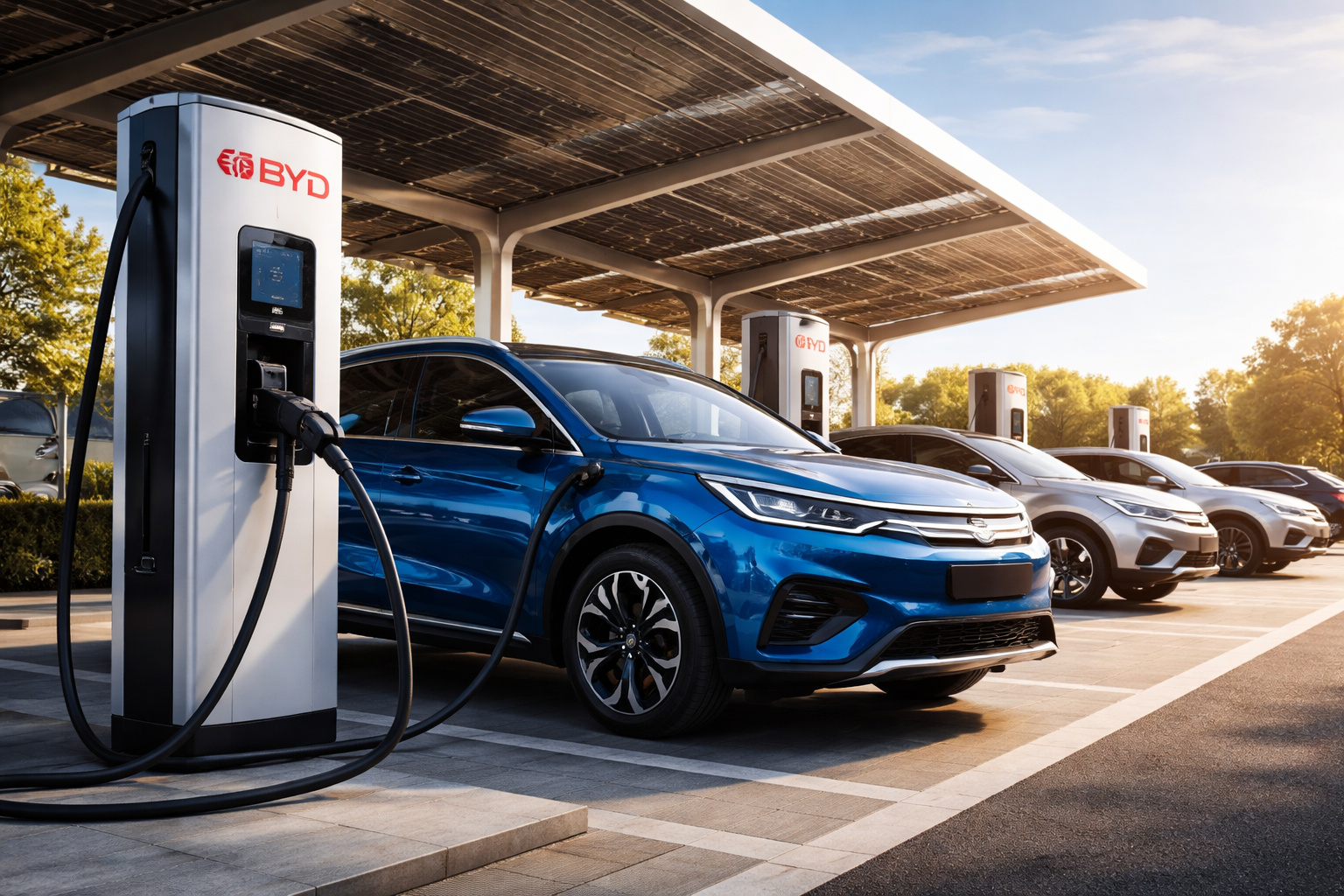
Largest public charging network in Brazil: BYD reaches 125 fast chargers and accelerates national expansion of electric mobility.
-
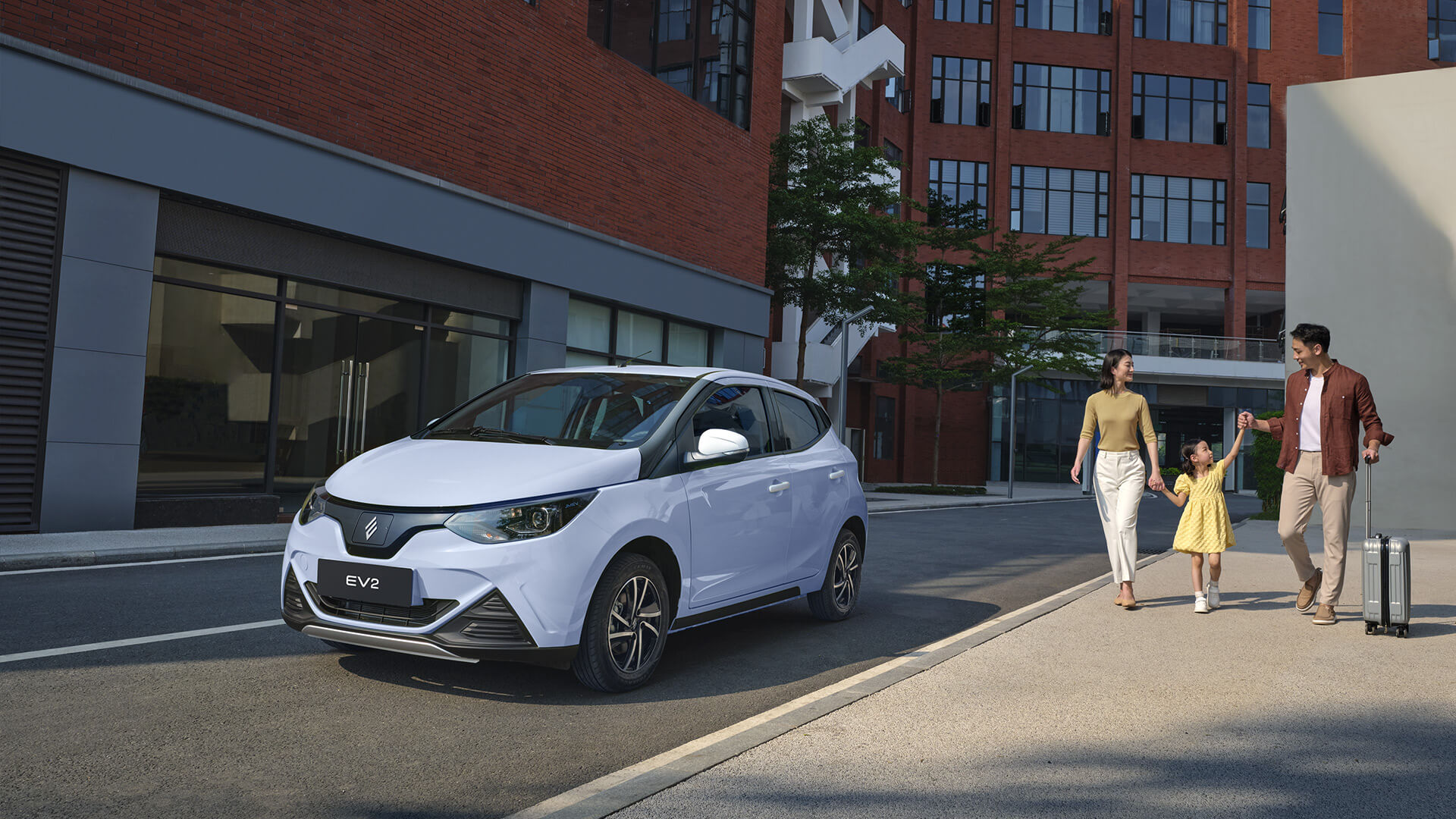
Goodbye expensive popular car: electric vehicle for less than R$ 70,000 starts being sold in Brazil with a range of 200 km and targets those looking to escape gasoline.
On the other hand, electric bicycles and scooters will have more flexible, yet still strict, rules. These vehicles will only be allowed to circulate on roads with a limit of up to 40 km/h, preferably in bike lanes. However, where there is no adequate infrastructure, it will be permitted to use the right side of the road, always respecting the flow of traffic.
Furthermore, in bike lanes, the maximum allowed speed will be 25 km/h, and the rider must always observe the signage. On sidewalks, circulation will only be permitted in marked areas with a limit of 6 km/h, ensuring total priority for pedestrians.
Consequently, these changes require greater attention from users, especially in areas like the Center and South Zone, where different models of bike lanes still generate confusion and controversy among drivers, cyclists, and pedestrians.
Mandatory helmets and new requirements reinforce traffic safety
In addition to circulation restrictions, the new regulation also tightens safety requirements. Now, wearing a helmet is mandatory for riders of electric bicycles, scooters, and mopeds.
In the case of mopeds and self-propelled vehicles, the rules are even stricter. Riders must be over 18 years old and wear a helmet with a visor or, alternatively, protective glasses. This measure, therefore, aims to reduce the number of serious accidents recorded recently.
Another important point is that these vehicles may only carry one passenger, provided there is an appropriate seat compatible with the age group. Scooters, in turn, will not be allowed to carry passengers under any circumstances.
Additionally, self-propelled vehicles and mopeds are prohibited from circulating in public parks and recreational areas, reinforcing the concern for safety in places with high pedestrian traffic.
Registration and licensing become mandatory by December 2026
Another highlight of the new regulation is the mandatory registration and licensing for mopeds and self-propelled vehicles. Riders must possess a driver’s license in category A, in addition to registering the vehicles with the competent authorities.
However, this requirement does not take effect immediately. The city hall has established a transition period until December 31, 2026. Starting in 2027, all rules will become mandatory, with enforcement carried out by the Municipal Secretary of Public Order (Seop), with support from the Municipal Guard.
Meanwhile, the prohibition of these vehicles from bike lanes is already in effect immediately, reinforcing the urgency of the measure.
During a press conference, Mayor Eduardo Cavaliere emphasized that the decision was influenced by pressure from experts, cyclist associations, and organized movements in society. According to him, the Contran resolution was deemed insufficient to address the challenges faced by municipalities.
— For the purposes of legislation and rules in the city of Rio de Janeiro, self-propelled vehicles and mopeds are the same thing — stated the mayor.
Thus, the city seeks to establish a clearer standard of circulation, increasing safety and reducing conflicts between different modes of transport.
And you, what do you think of the new rules for electric vehicles? Do they help organize traffic or hinder urban mobility?








Seja o primeiro a reagir!