





 Portuguese
  English
  Spanish
  3 min of reading


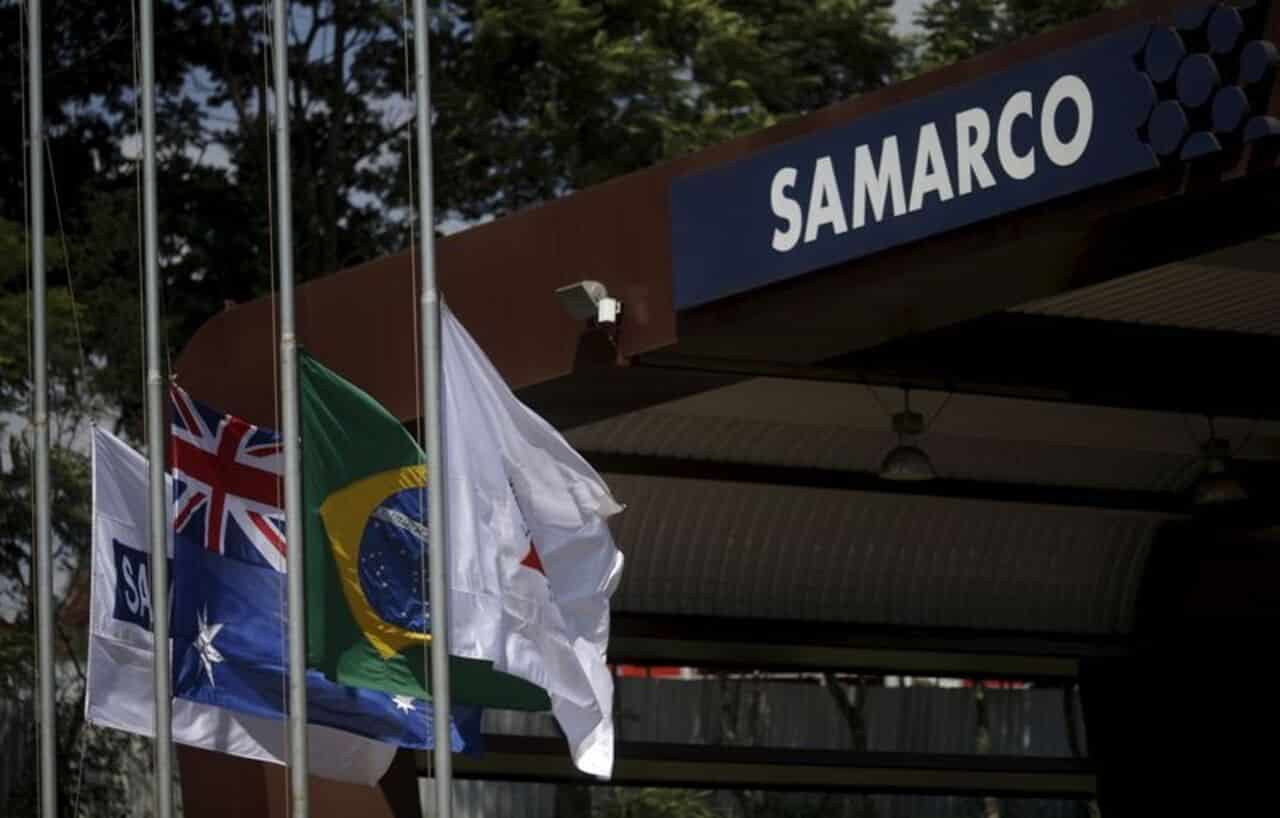
CSN Wants to Buy Vale’s Mineradora, Samarco, Currently in Judicial Recovery After the Dam Collapse in Mariana
CSN (CSNA3) has hired an advisor to assist in preparing a plan aimed at acquiring mineradora Samarco, a joint venture owned by Vale (VALE3) and BHP. According to sources close to the matter, the mineradora Samarco is currently in judicial recovery.
The strategy being considered by RK Partners for CSN would involve a “stalking-horse” bid, a component to ensure that other interested buyers do not offer amounts below what Samarco has stipulated. CSN’s advisory team’s expectation is that through the specified strategy, disputes among the debt holders and shareholders of Samarco will cease.
In an email statement, BHP and Vale declared that “Samarco is not for sale” and emphasized their support for the restructuring plan registered by Samarco’s employee unions on May 18.
-
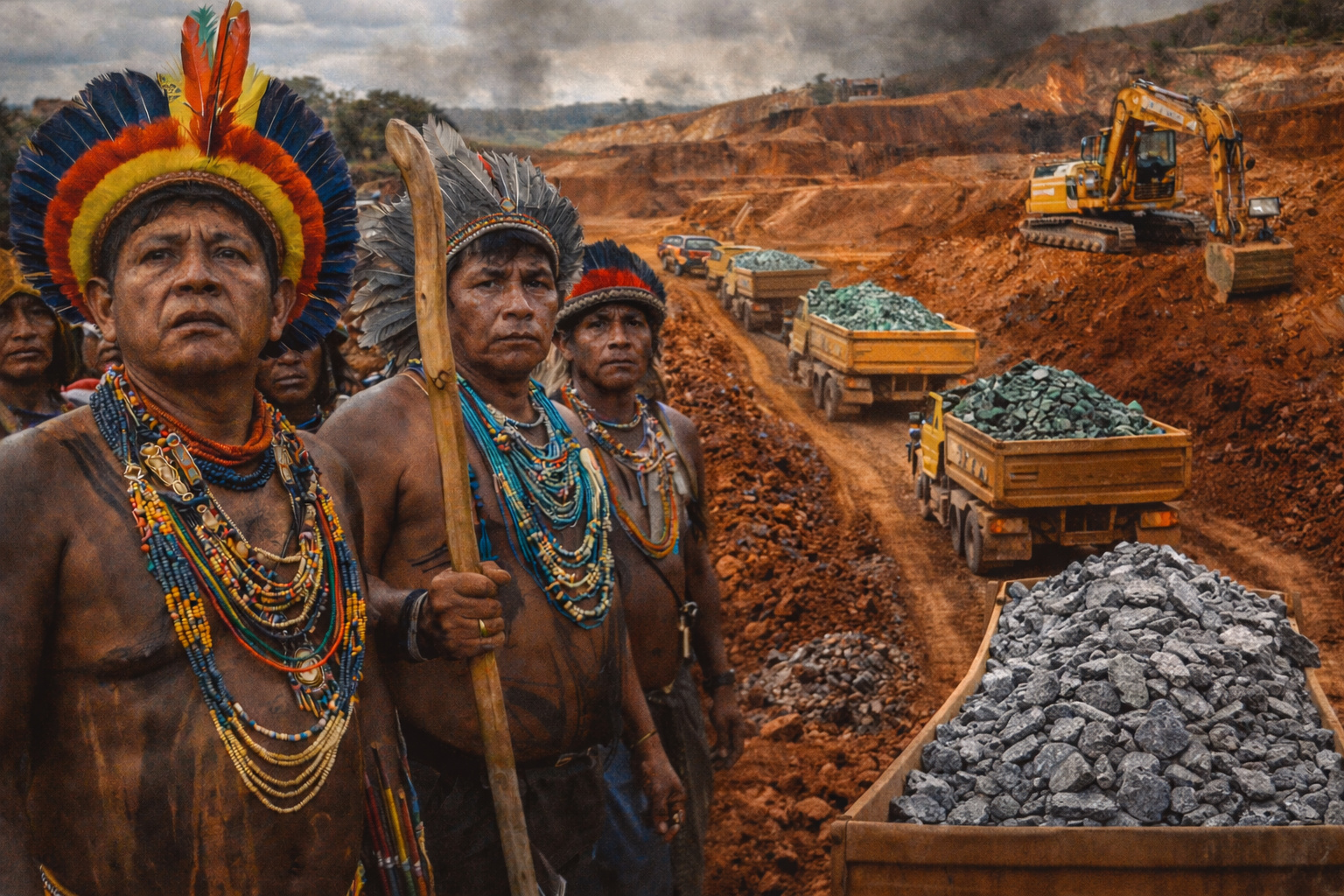
The exploration of rare earths, lithium, copper, tin, and other critical minerals has surged in the last five years, encroaching on 278 indigenous lands, and the mining boom raises alarms in Brazil.
-
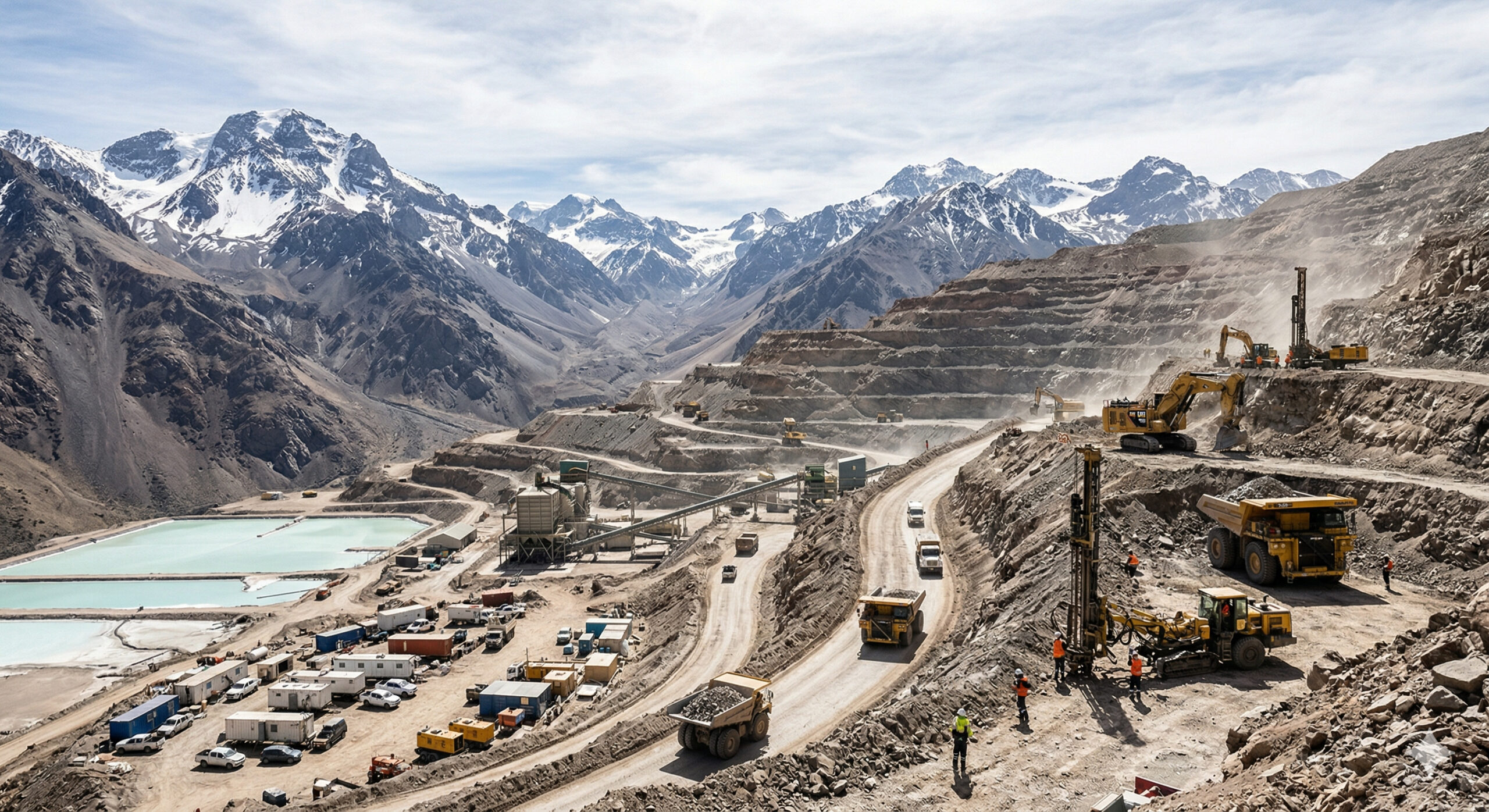
Under layers of ice that feed entire rivers, Argentina paves the way to explore copper, lithium, and gold in regions of extreme altitude and could unlock up to $165 billion in exports, placing one of the largest freshwater reserves in South America at the center of a new global mineral rush.
-
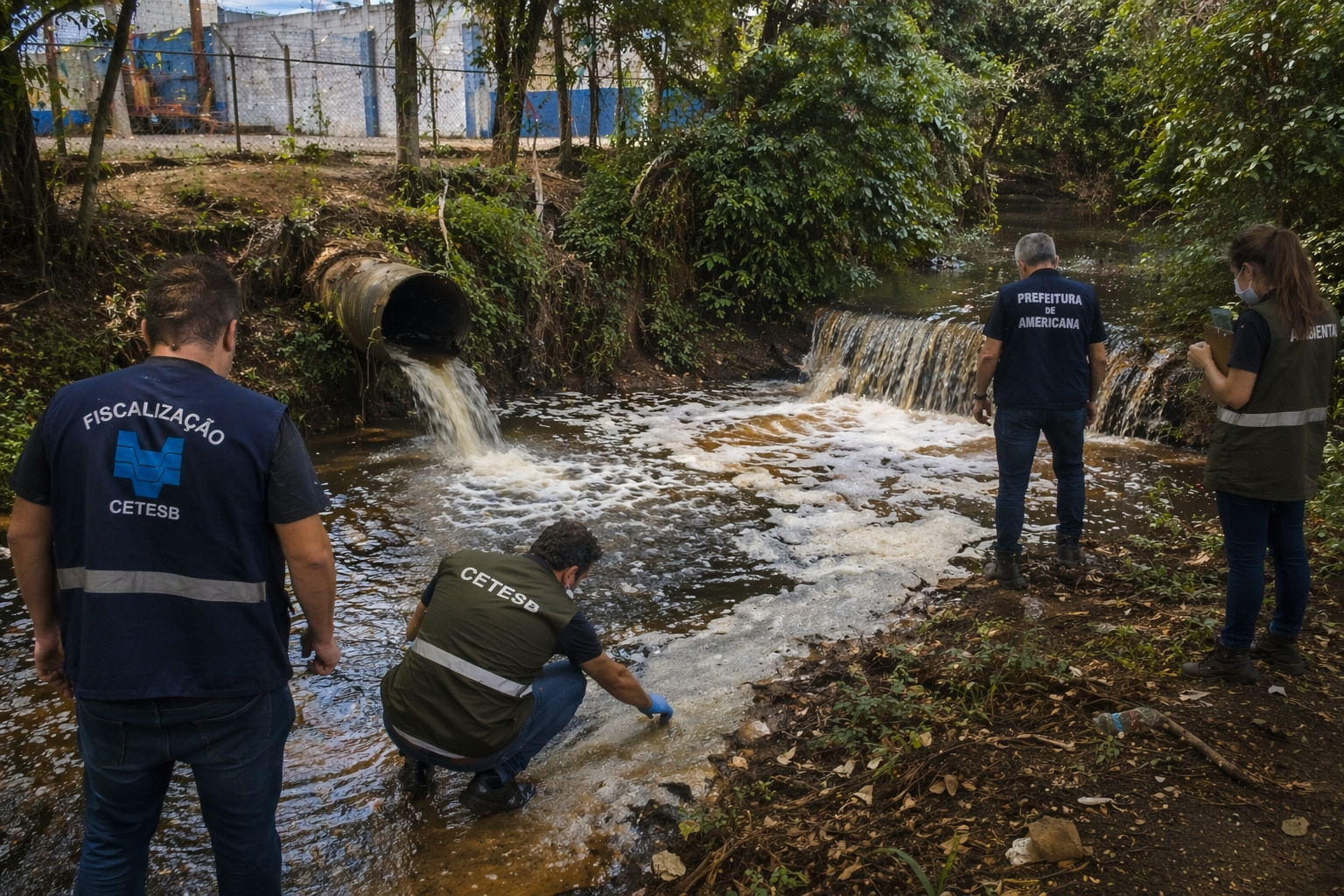
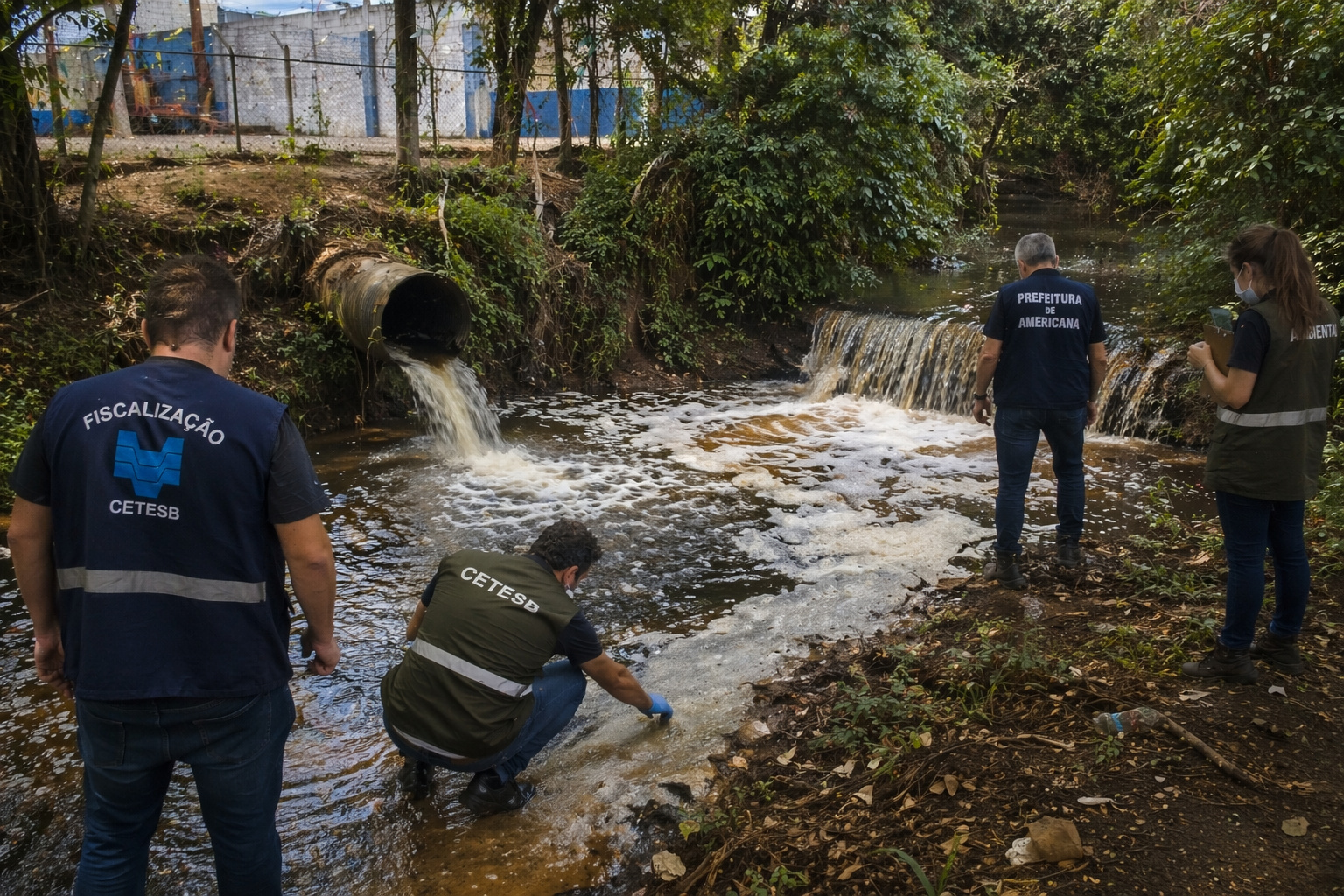
A fine of R$ 115 thousand places Goodyear at the center of an environmental case in Americana after oil and grease appeared in a stream and the company was required to act quickly.
-
With nodules rich in nickel, copper, cobalt, and manganese scattered up to 6,000 meters deep, a $1 billion merger creates a giant in underwater mining and accelerates the global race for critical metals hidden on the ocean floor.
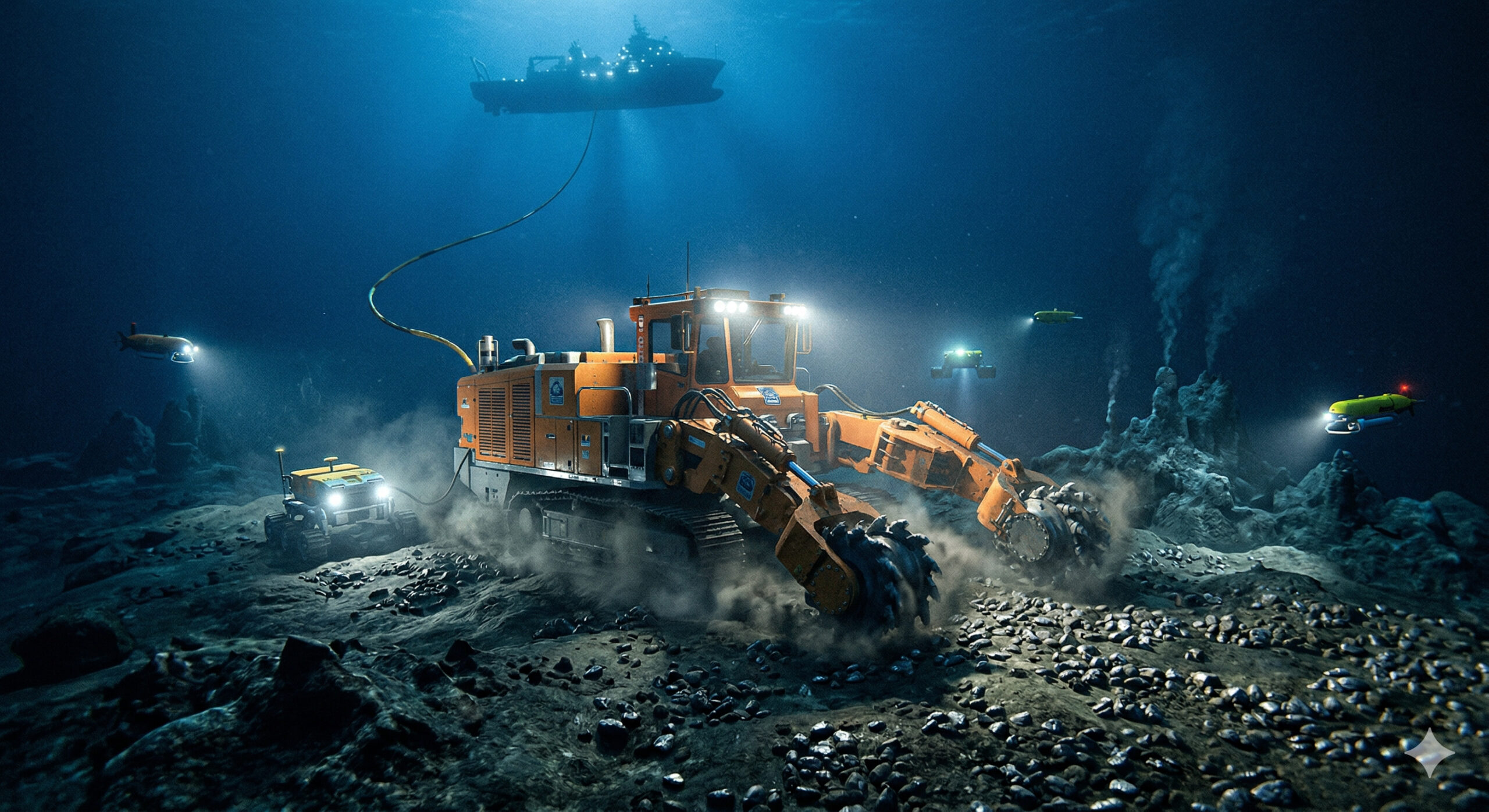
The mineradora Samarco became unable to pay its debts after the waste dam collapse in 2015, which tragically claimed the lives of 19 people and almost devastated two villages in Mariana, in the state of Minas Gerais. Since then, the company has halted its production and remained so until December 2020, before being able to partially restart its operations. Consequently, the mineradora reported around R$ 50 billion in outstanding debts in its April 2021 judicial recovery request.
After years of unsuccessful negotiations, Samarco revealed plans for debt restructuring that were dismissed by bondholders. On Friday the 17th, Samarco filed a petition regarding the debt restructuring proposal presented in May.
CSN and Various Miners and Steelmakers Face Declining Stocks After Drop in Iron Ore Prices
The stocks of miners and steelmakers are among the largest losses in the stock market due to falling commodities, specifically due to the decline in the value of minerals.
Around 11:25 am on Wednesday, the 22nd, shares of CSN (CSNA3) and its mineradora CSN Mineração (CMIN3) fell by 6.63% and 1.86%, respectively, trading at R$ 15.63 and R$ 4.22. Meanwhile, Gerdau (GGBR4) declined by 5.7%, trading at R$ 22.50, while Usiminas (USIM5) lost over 4%. Vale recorded a drop of nearly 2%, at R$ 74.52.
Iron Ore Prices Plummet Exponentially Over 16 Weeks
According to Exame, the value of iron ore has plummeted to the lowest level in 16 weeks as of Wednesday, the 22nd. The most traded iron ore contract on the Dalian Exchange for September fell by 6% from 709.50 yuan (US$ 105.57) per ton, marking the ninth consecutive session of decline.
The contract dropped to 698.50 yuan, the lowest level since March 1, while on the Singapore Exchange, the July contract for the commodity decreased by 5.6%, to US$ 108.45 per ton.
As a result, traders are increasingly concerned about the excess supply of steel in China. Additionally, the Asian country is attempting to curb COVID-19 outbreaks. The enforcement of the “COVID Zero” policy has placed various districts under lockdown, raising uncertainties about the normalization of Chinese activity in the near future.
The lockdowns challenge growth expectations of the world’s second-largest economic power. Restrictions in major cities in China have impacted various supply chains in the country, particularly the industry, which is not operating at full capacity.







Seja o primeiro a reagir!