





 Portuguese
  English
  Spanish
 5 min of reading
  0 comments


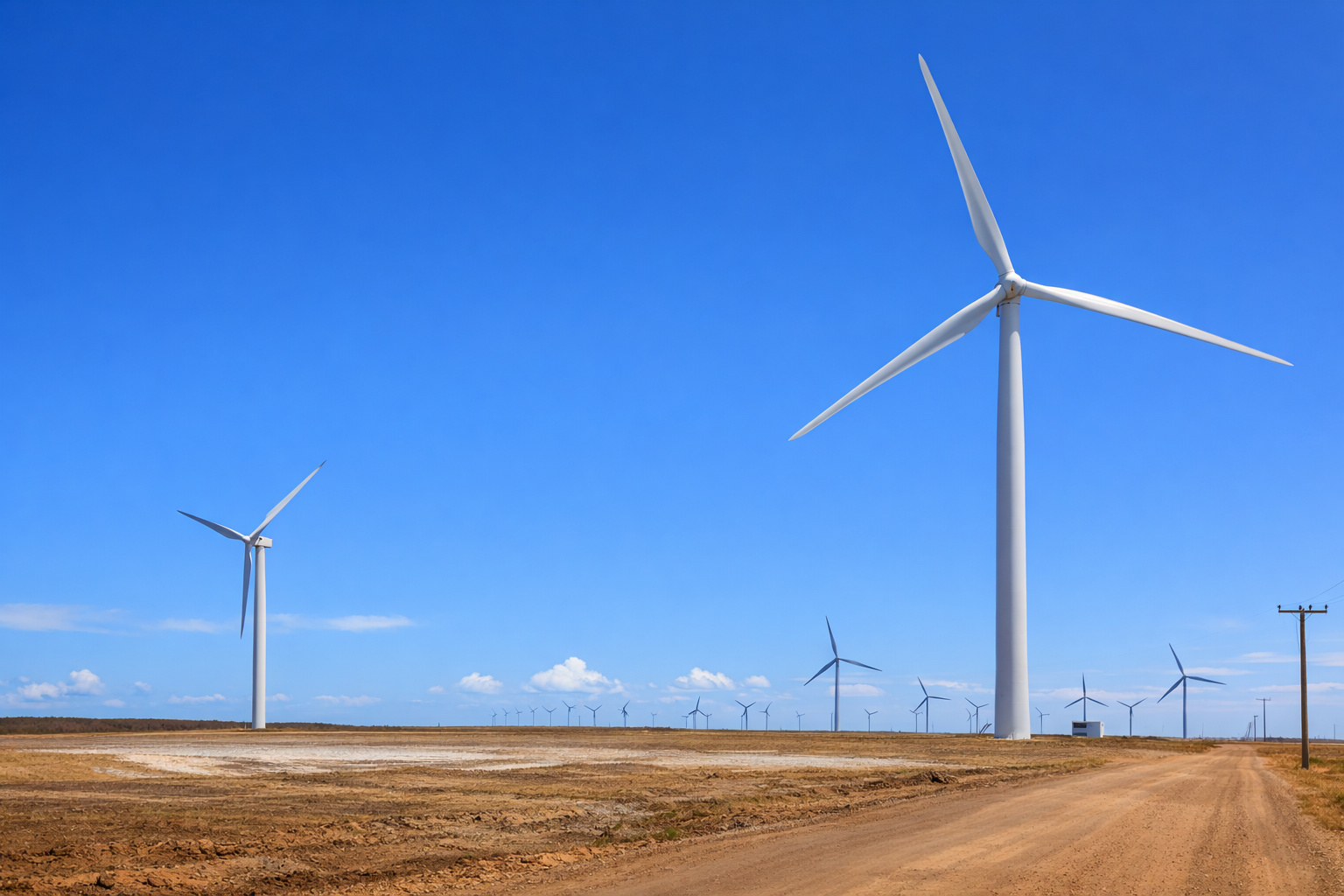
RN Is A Leader In Clean Energy By Transforming Winds And Sun Into Sustainable Development, Achieving 98% Renewable Energy And Establishing Itself As A National Reference In The Energy Transition.
The state of Rio Grande do Norte has established itself, over the last few decades, as one of the main protagonists of the energy transition in Brazil. Today, when it is stated that RN is a leader in clean energy, this reality is not supported only by recent numbers.
On the contrary, it results from a historical process built with planning, favorable natural conditions, and continuous investments in renewable sources.
Currently, the state generates about 98% of its energy from clean sources. Thus, the territory of Potiguar stands out as a national and international reference.
-
Giant of the winds in Rio Grande do Norte: Serra do Tigre Wind Complex receives new investments and accelerates the expansion of clean energy generation to supply millions of Brazilian homes.
-
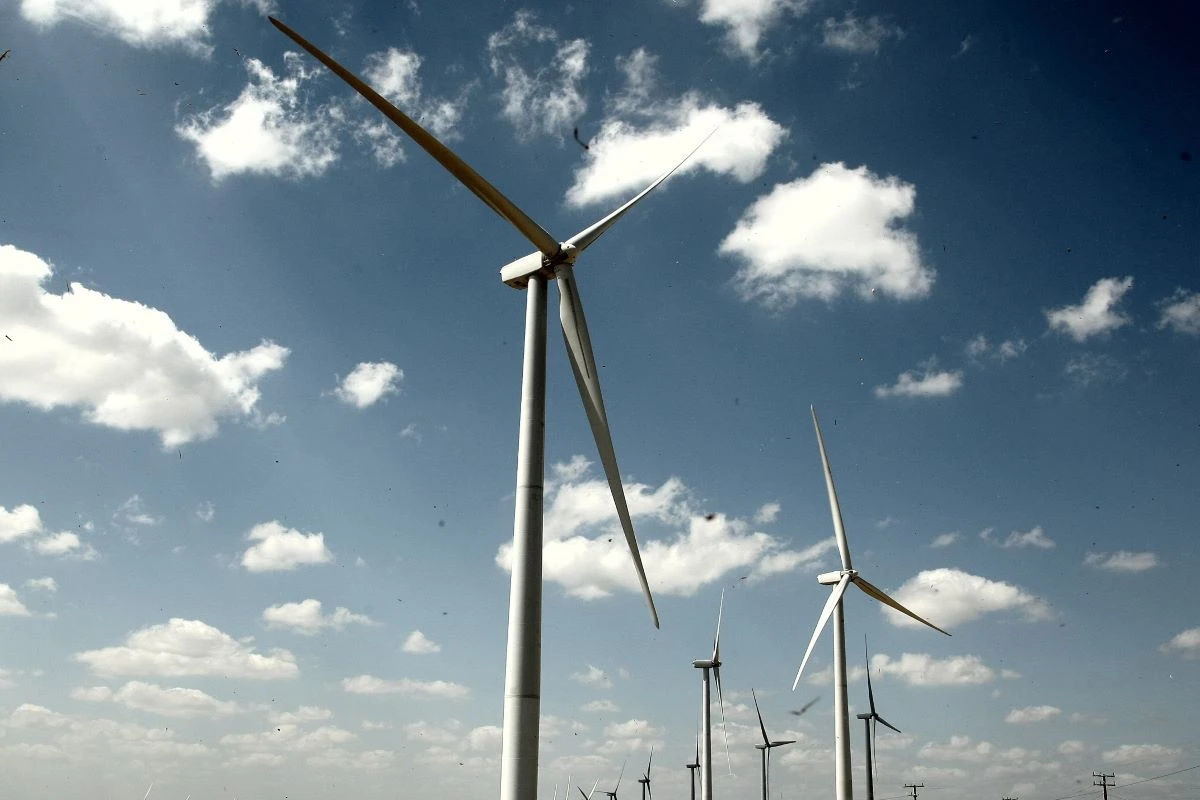
Urgent energy transition: Greenpeace advocates for massive investments and points to Brazil as a global leader in wind energy production in the coming years.
-
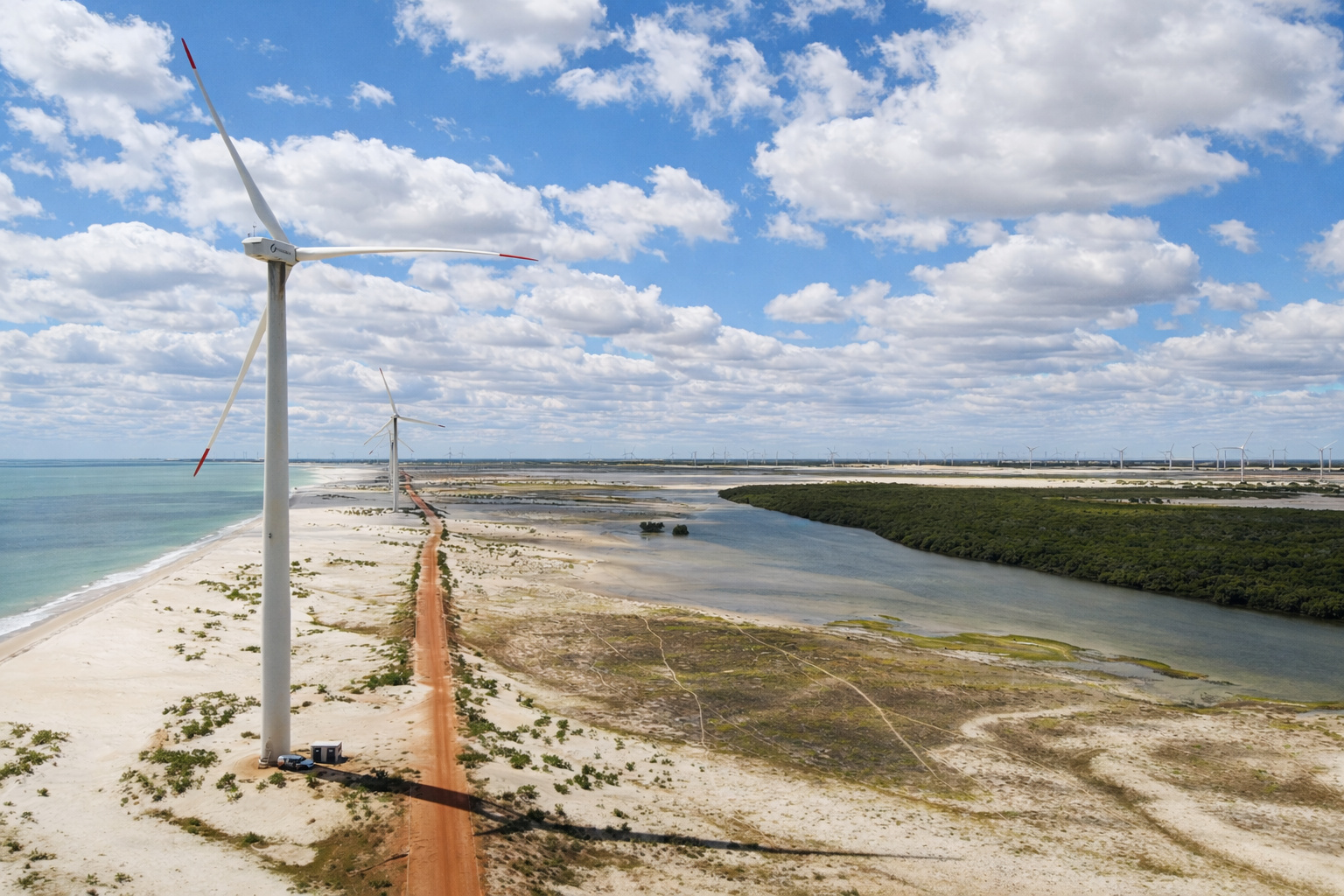
Conflict in the Sertão: Rural communities in Rio Grande do Norte report issues with wind farms and the new challenges of clean energy in the semi-arid region.
-
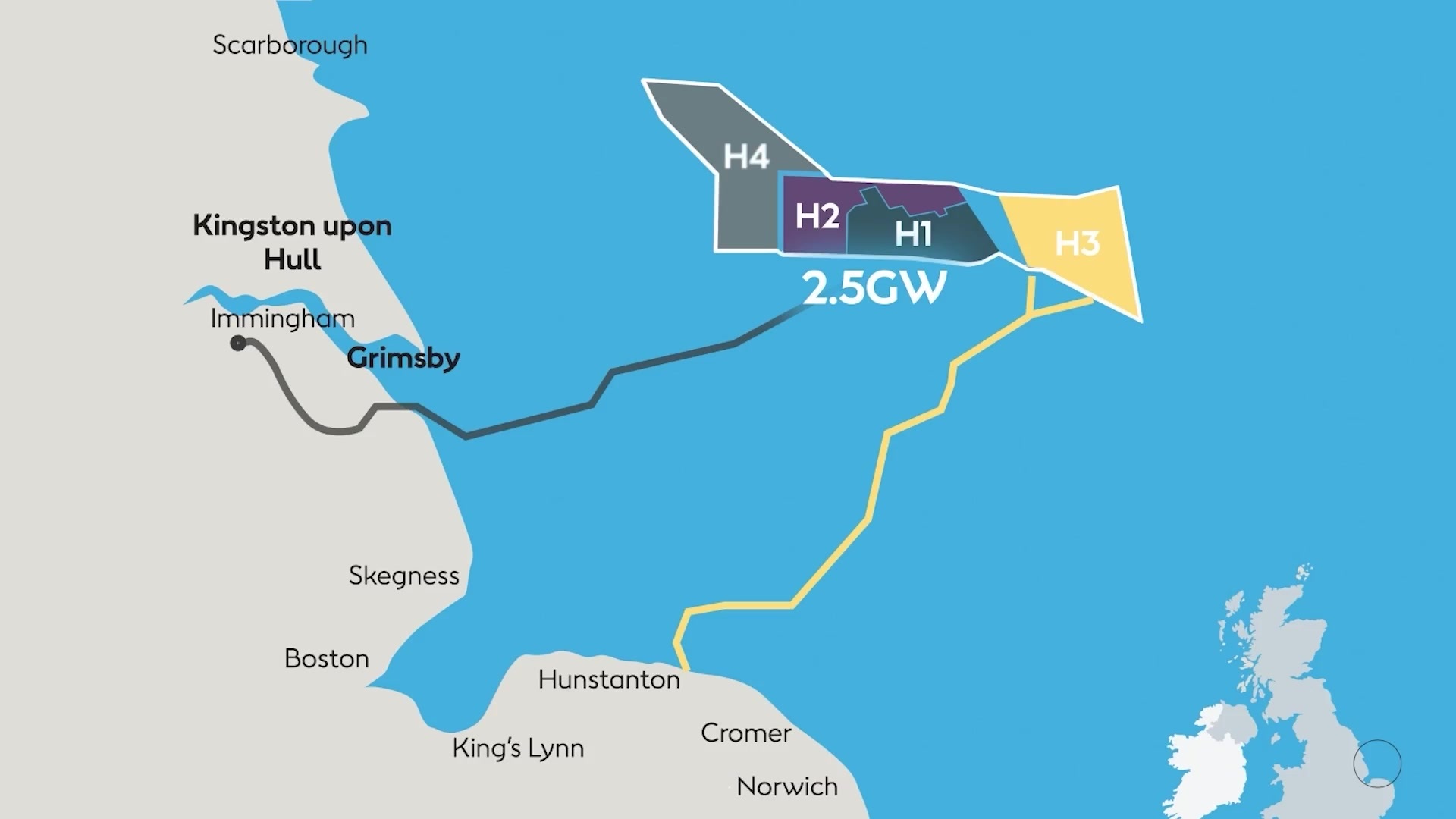
231 turbines of 260 meters at 160 km from the coast, monopiles weighing as much as nine blue whales embedded in the North Sea, and a crane ship taller than the Eiffel Tower: Hornsea 3 will be the largest offshore wind farm on the planet by 2027, and its first components have already arrived in England.

Especially at a time when the debate on sustainability, climate change, and decarbonization gains more and more prominence on the global stage.
Historically, Rio Grande do Norte began its more structured trajectory in renewable energy in the early 2000s. At that time, the first wind farms began to operate.
Meanwhile, Brazil was still seeking alternatives to reduce dependence on hydropower plants, often affected by long periods of drought.
In this context, the state managed to position itself strategically. By investing early in alternative sources, RN built a solid foundation that supports its current prominence.
Therefore, it has become possible to state, consistently and durably, that RN is a leader in clean energy.
The Historical Consolidation Of Wind Energy In RN
Since then, wind energy has come to occupy the center of the electrical matrix of Potiguar. Currently, the wind source accounts for more than 85% of all energy generated in the state.
Thus, this percentage has no parallel among the other federal units.
As a result, the perception that RN is a leader in clean energy grows, mainly due to the capacity to transform an abundant natural resource into large-scale energy generation.
Moreover, the wind towers scattered throughout the interior and coastline have become part of the landscape and the economic dynamics of various municipalities.
At the same time, wind farms have driven structural changes in regions previously marked by low economic activity.
In this sense, they stimulated the opening of roads, expanded local services, and created new income opportunities for the population.
From a technical perspective, natural conditions explain a large part of this prominence. In general, the winds that arrive in Rio Grande do Norte maintain regularity, intensity, and predictability throughout the year.
Moreover, they encounter few geographical barriers along their path. Consequently, this combination ensures a high capacity factor for wind farms. Thus, many ventures established in RN rank among the most productive in the country.
With this, the state reinforces its strategic role in the national electricity sector and in the Brazilian energy security.
Solar Energy And The Diversification Of The Electrical Matrix
Alongside the strength of wind energy, solar energy has gained ground and consolidated the renewable profile of the electrical matrix of Potiguar.
This occurs because its proximity to the Equator ensures high solar radiation incidence throughout the year.
Additionally, the low cloud cover and long periods of sunshine favor both large photovoltaic plants and distributed generation systems.
For this reason, homes, businesses, and rural properties have started to invest in solar panels, seeking to reduce costs, protect themselves from tariff increases, and enhance energy autonomy.
In this context, this movement also strengthens the environmental awareness of the population.
By producing their own energy, consumers actively participate in the energy transition and, at the same time, incorporate sustainability into their daily lives.
Although the relatively small territory limits the expansion of solar energy in absolute numbers, still the growth of this source strengthens the diversification of the electrical matrix.
Thus, when analyzing the overall production, it becomes clear that RN is a leader in clean energy not only due to the predominance of one source, but also due to the efficient integration of wind, solar, and other renewable sources.
Furthermore, this progress benefits not only the state itself.
As the Brazilian electric system operates in a connected manner, the energy generated in Rio Grande do Norte sustains other regions of the country.
Thus, it reduces the dependence on fossil sources and hydropower during critical periods.
High Production, Outflow Challenges, And New Investments
At various times, energy production in Rio Grande do Norte surpasses local consumption by several times.
As a consequence, the state becomes an important energy exporter within the National Interconnected System, reinforcing its strategic relevance.
However, the rapid growth of generation has also brought structural challenges.
Currently, the capacity to transmit produced energy represents one of the main bottlenecks, especially in periods of more intense winds.
In such situations, operators reduce part of the generation due to limitations in the transmission network. This phenomenon is known as curtailment.
In light of this, it becomes evident that there is a need to increase investments in electric infrastructure, such as transmission lines, substations, and energy storage systems.
Therefore, expanding this infrastructure proves essential to sustain the growth of the sector in the coming years.
If not, part of the renewable potential of the state may remain underutilized. Despite this, the sector continues to attract large volumes of resources.
Currently, investors are directing billions of reais into new wind and solar parks. Furthermore, they are also betting on the modernization of the electric system, digitization, and technological innovation.
New Frontiers: Offshore, Renewable Hydrogen, And Social Development
In this scenario, another relevant movement involves the arrival of offshore wind energy.
This is because the coastline of Potiguar, with even more consistent and intense winds, emerges as one of the most promising areas in the country for the installation of offshore wind farms.
As a result, offshore generation tends to significantly increase installed capacity and production predictability.
Thus, the state positions itself at the technological forefront of the sector. Once again, this advancement reinforces the understanding that RN is a leader in clean energy when looking to the future.
At the same time, initiatives focused on the production of renewable hydrogen are beginning to gain ground. In this sense, the combination of abundant wind and solar energy creates a favorable environment for the development of this strategic energy vector.
Finally, the economic and social impacts of this prominence are evident.
On one hand, the renewable energy sector generates thousands of direct and indirect jobs.
On the other hand, it boosts local productive chains and drives the development of municipalities that were previously under-industrialized.
In summary, the success of Rio Grande do Norte results from a continuous process that involves public policies, private initiative, universities, and research centers.
Thus, with a predominantly renewable electrical matrix and expansion prospects in new technologies, the state consolidates itself as an example of sustainable development and a timeless reference in the Brazilian energy transition.







Seja o primeiro a reagir!