





 Portuguese
  English
  Spanish
  3 min of reading
  0 comments


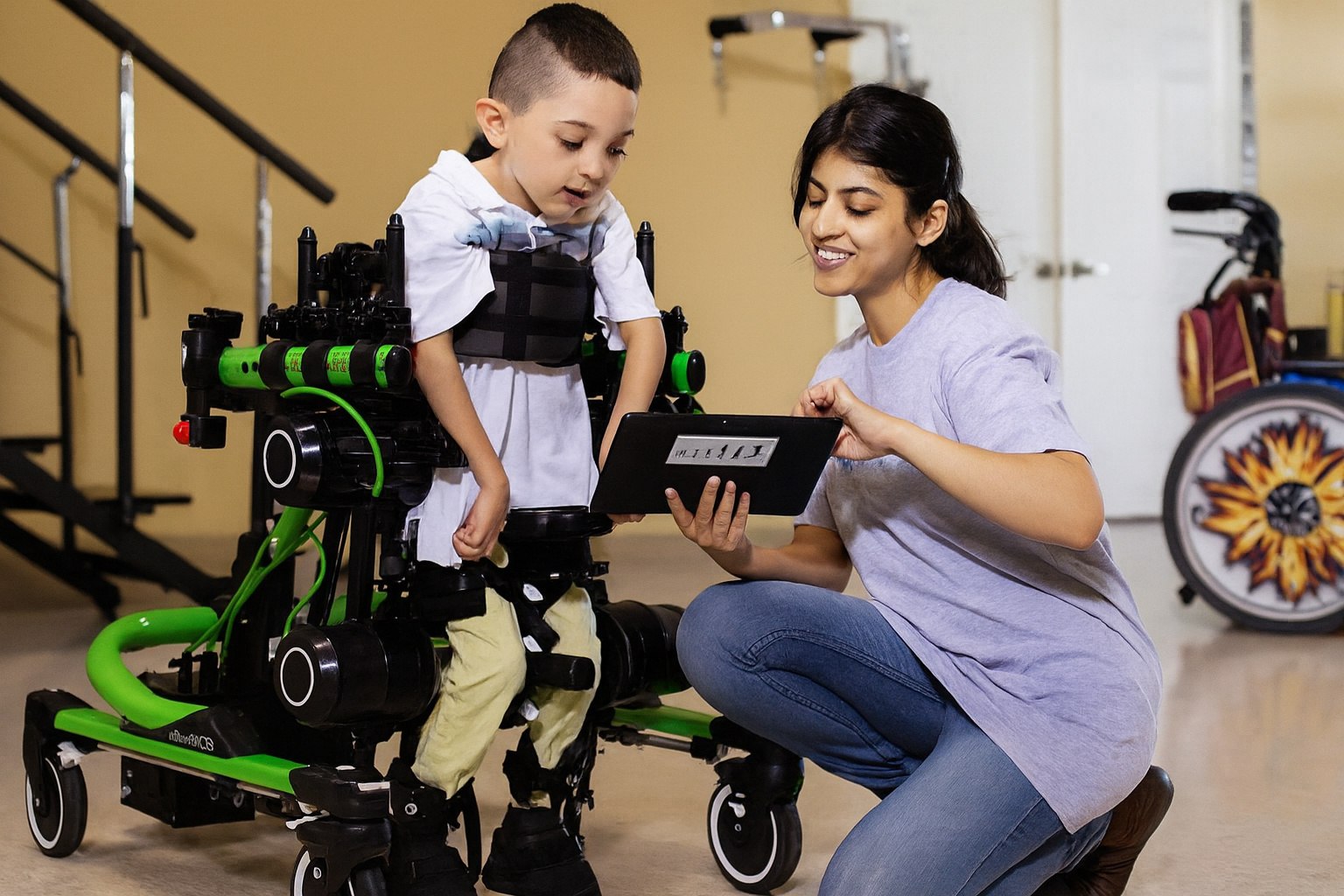
The Trexo Robot, Developed by Manmeet Maggu and Rahul Udasi, Redefines Child Rehabilitation and Expands Access to Assistive Technology
The creation of Trexo began when Manmeet Maggu received his nephew’s diagnosis of cerebral palsy, who was living in India and would face severe motor limitations. From this point, Maggu and Rahul Udasi, colleagues from the University of Waterloo, initiated a search for technological alternatives. They discovered that there were no accessible pediatric exoskeletons, highlighting a significant gap in the field of child rehabilitation, and because of that, the two started a long period of prototyping, testing 3D printed parts and adjusting components after constant evaluations. When Maggu traveled to India to test the prototype, he realized that the exoskeleton did not work initially. According to reports to TechCrunch, they made modifications in a family factory and tested again, and thus, the nephew was able to try to walk for the first time, demonstrating the therapeutic potential of the equipment.
Technical Development and Operation of Trexo
The Trexo is attached to a walker and uses sensors on the hips and knees to detect the intention to move. The sensors send commands to the motors, which assist or complete the child’s steps. According to Andy Schmidt from the First Steps Wellness Center, the significant differentiation of the equipment lies in its ability to allow the feet to touch the ground, which improves body awareness and strengthens bones and muscles, creating a more natural experience than suspended systems. The equipment, valued at US$ 100,000 (approximately R$ 537,680.00), was anonymously donated to the Canadian center, where it is in continuous use, demonstrating that the innovation has moved from the experimental field to practical application.
Direct Impact on Children Served
The Trexo already shows concrete results in children with significant motor limitations. Leo, diagnosed with a rare genetic disease, began using the equipment at the Canadian center. His mother, Anna Begelfer, reported to CBC News that her son developed muscle strength and took steps on his own after the sessions. She stated that he “can walk” and that this allows him to “participate with the group like any child,” reinforcing the clinical potential of the technology and highlighting how the equipment contributes to autonomy and inclusion.
-
Iron foundry in Senegal reveals a pile of 100 tons of slag, 35 furnace bases, and a rare technique that has remained stable for centuries.

-
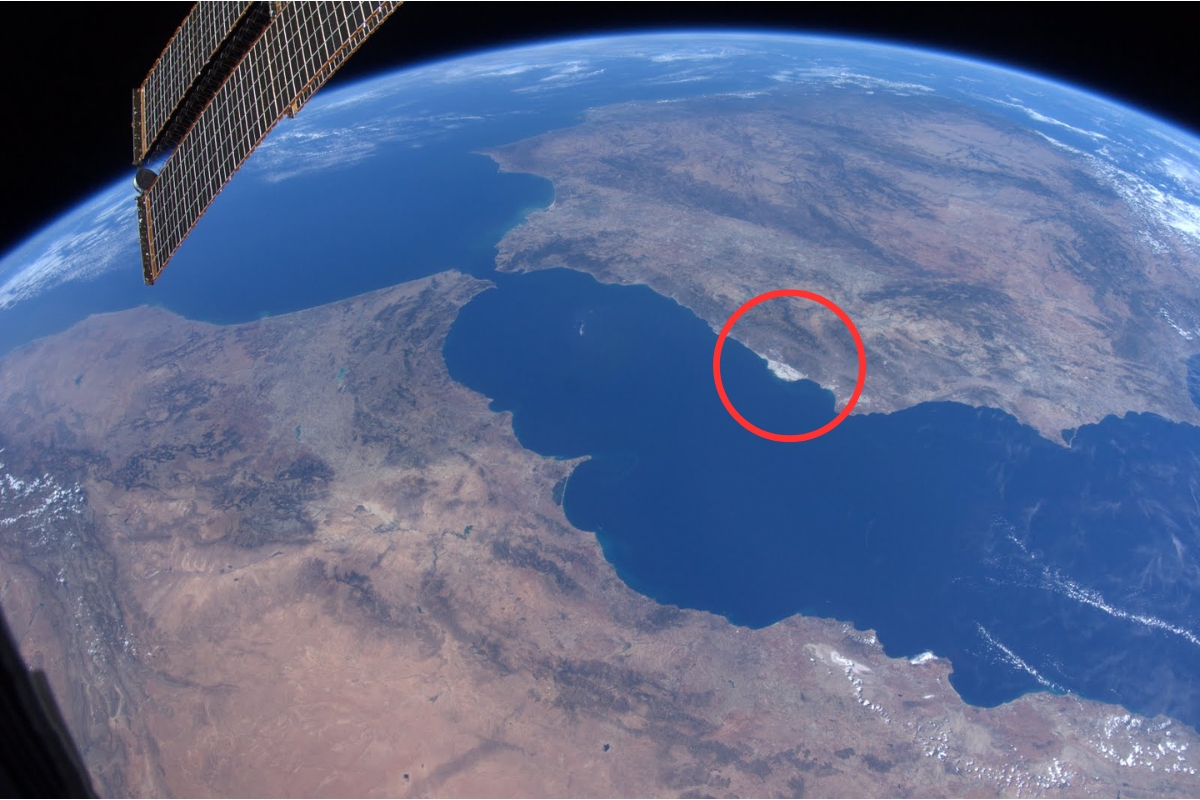
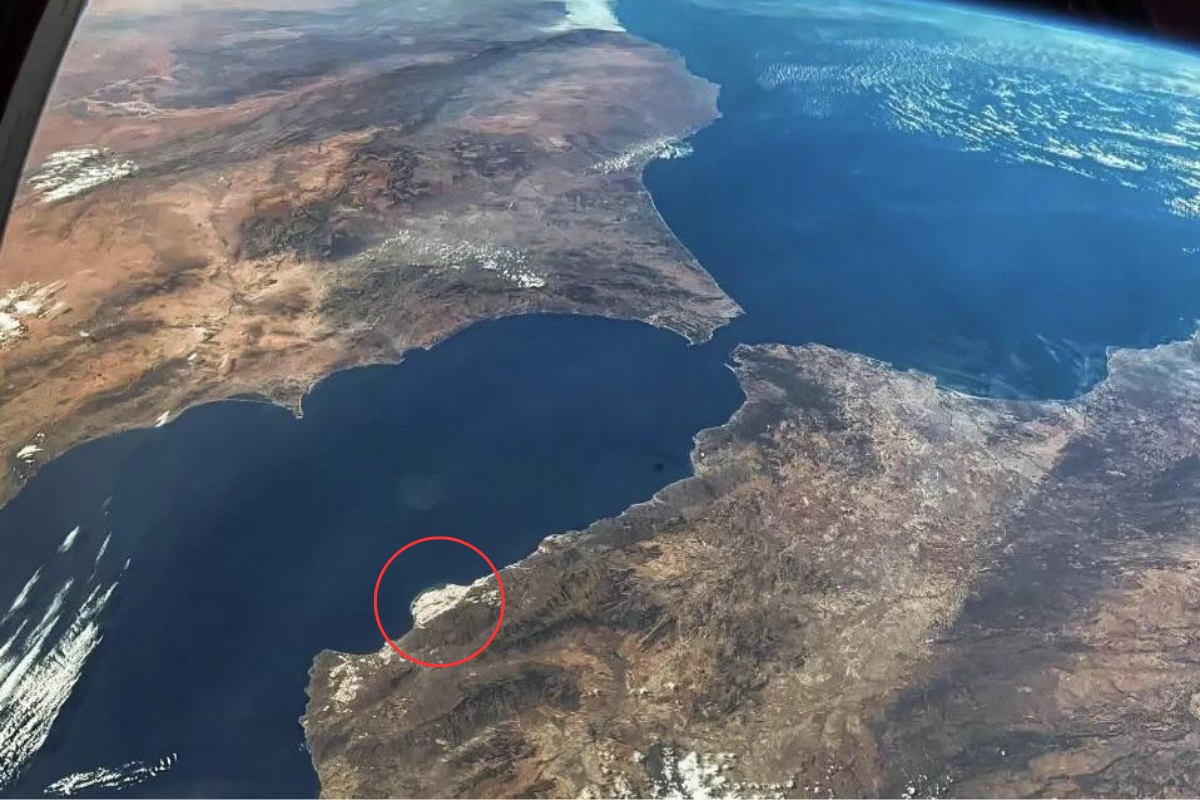
The only man-made structure in the world that can be clearly seen from space is not the pyramids of Egypt nor the Great Wall of China.
-
An analysis by NASA highlighted that the Great Wall of China and the Pyramids of Egypt are not visible to the naked eye from the International Space Station, and only one man-made structure is visible in this way.
-
Chinese submersible discovers a colossal system of giant craters on the Pacific floor, previously unknown, teeming with life and so rich in hydrogen that they may help explain the origin of life on Earth.


Marketing Strategy and Access to the Equipment
Trexo Robotics adopted a specific strategy to launch the technology and navigate regulatory barriers. The company classified the equipment as a exercise and therapy device, which avoided delays in FDA approval. However, this classification prevents coverage by health plans, raising the access challenge. Therefore, the company offers the Trexo through a rental model, which reduces initial costs. Currently, six exoskeletons have been sold and are in use, which proves the expansion of the resource and strengthens its international presence.
Technical Points Highlighted by the Developers
The founders structured Trexo around three essential pillars. The ability to touch the ground, which enhances proprioception; intelligent sensing, which identifies movement intentions; and continuous therapeutic application, which favors progressive motor evolution. These principles demonstrate a commitment to safety, functionality, and efficiency.
Clinical Understanding and Therapeutic Relevance
Rehabilitation professionals state that technologies like Trexo offer unprecedented alternatives for children with reduced mobility. Thus, the equipment integrates advanced technological resources and physical therapy, broadening clinical possibilities. The advancement of Trexo reinforces the expansion of assistive technologies aimed at child development, focusing on muscle strengthening, functional independence, and gradual recovery.
Transformation of Perception About Assistive Technology
Experts explain that solutions like Trexo alter how families and institutions understand rehabilitation. Technology is seen as an essential part of treatment, strengthening therapeutic adherence. In this way, the robot broadens discussions about autonomy, inclusion, and motor development. The equipment inspires new projects and stimulates the growth of the child assistive technology sector.
Given a technology created from a family need and transformed into a therapeutic tool, a reflection arises: how can Trexo broaden the future of child rehabilitation?




Seja o primeiro a reagir!