





 Portuguese
  English
  Spanish
  4 min of reading
  0 comments


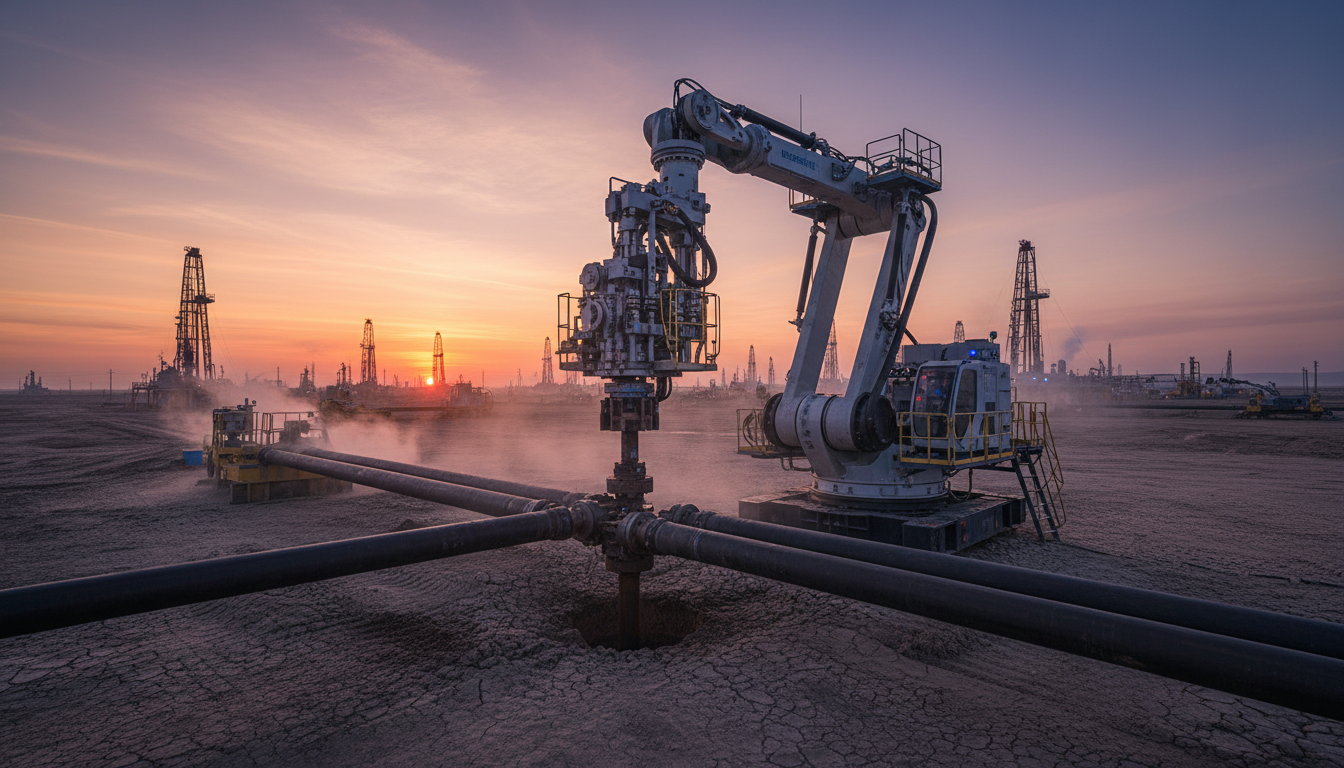
Autonomous oil drilling with AI: Nabors Industries aims to reduce the number of workers per well from 20 to 5 using robotic rigs, while systems like InteliAutomate already send direct commands to the rigs without human intervention and robotic dogs patrol refineries and offshore platforms
Autonomous oil drilling has moved from a future promise to operational reality in fields around the world. Nabors Industries, the largest onshore drilling company on the planet, announced plans to reduce the number of workers at each well from 20 to just 5 using automated rigs with artificial intelligence. Additionally, the Inteliwell consortium — formed by Transocean, Intelilift (a subsidiary of Nekkar), and Viasat — has already developed systems that automate the entire construction of a well, from planning to execution.
At the same time, quadruped robots from Boston Dynamics are already patrolling refineries and platforms, while autonomous underwater vehicles inspect pipelines on the ocean floor. Therefore, the oil and gas sector is undergoing a silent transformation that could eliminate thousands of jobs while making operations safer and more efficient than ever.
The world’s largest driller bets on autonomous oil drilling to cut 75% of the crew
Nabors Industries revealed to Bloomberg that it intends to reduce the number of workers at each well from 20 to 5 using automated drilling rigs. Thus, the 75% reduction in the crew represents a potential savings of billions of dollars in wages just in the United States.
-
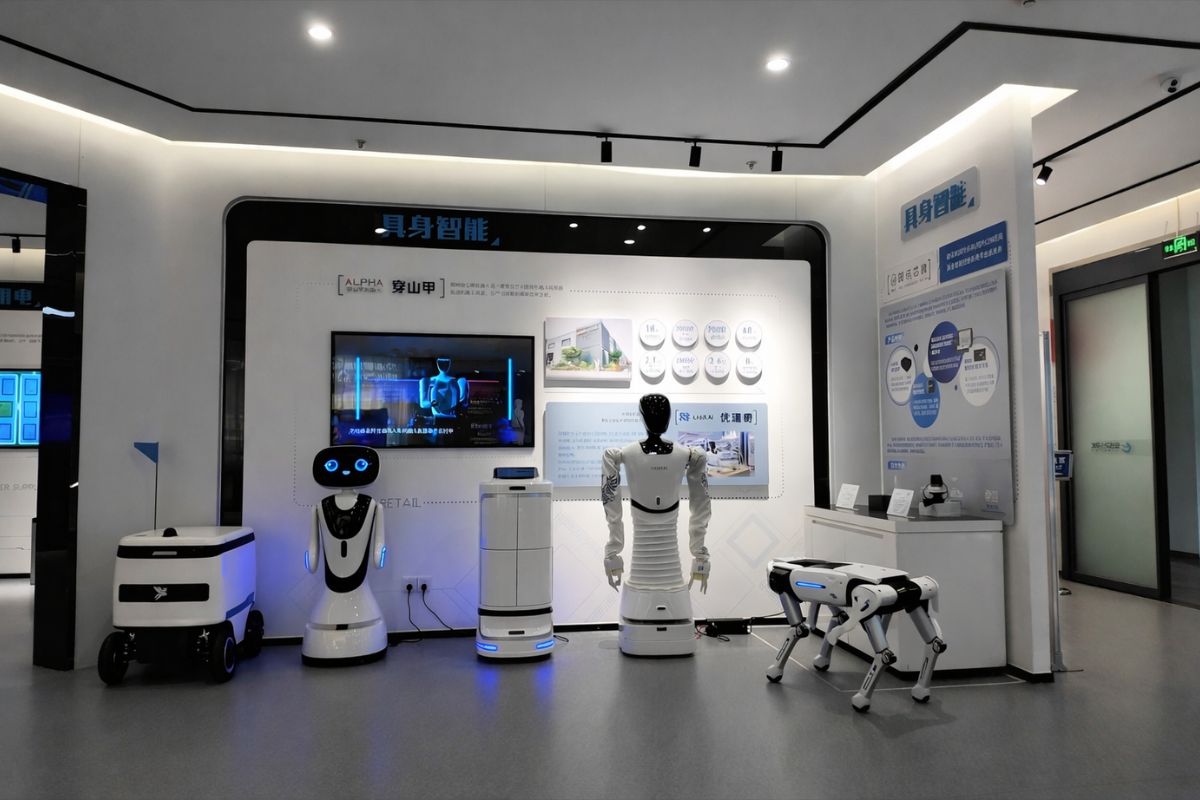
In China, a single person with artificial intelligence tools can already do the work of 50 to 100 employees: the new five-year plan bets on the one-person company model, and Suzhou is the laboratory for this revolution.
-
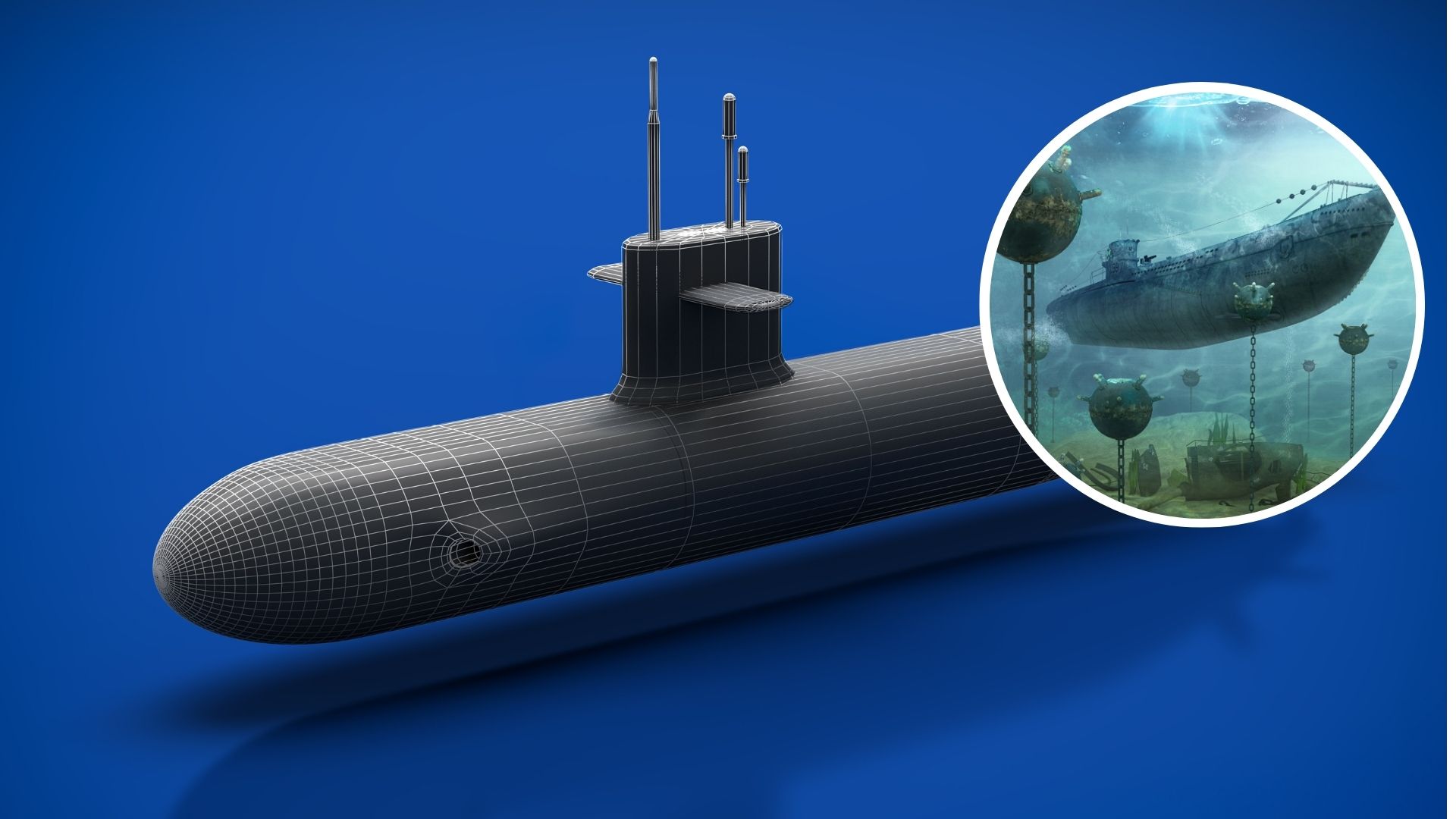
The USA accelerates the production of sensors launched into the ocean to hunt quieter submarines, and the new system promises to detect targets at greater distances in rough seas, shallow waters, and noisy areas, changing the game of anti-submarine warfare.
-
Science has discovered that white hair is not a sign of the body’s failure but rather a defense mechanism that sacrifices the color of the strands to protect the root against something much more serious.

-
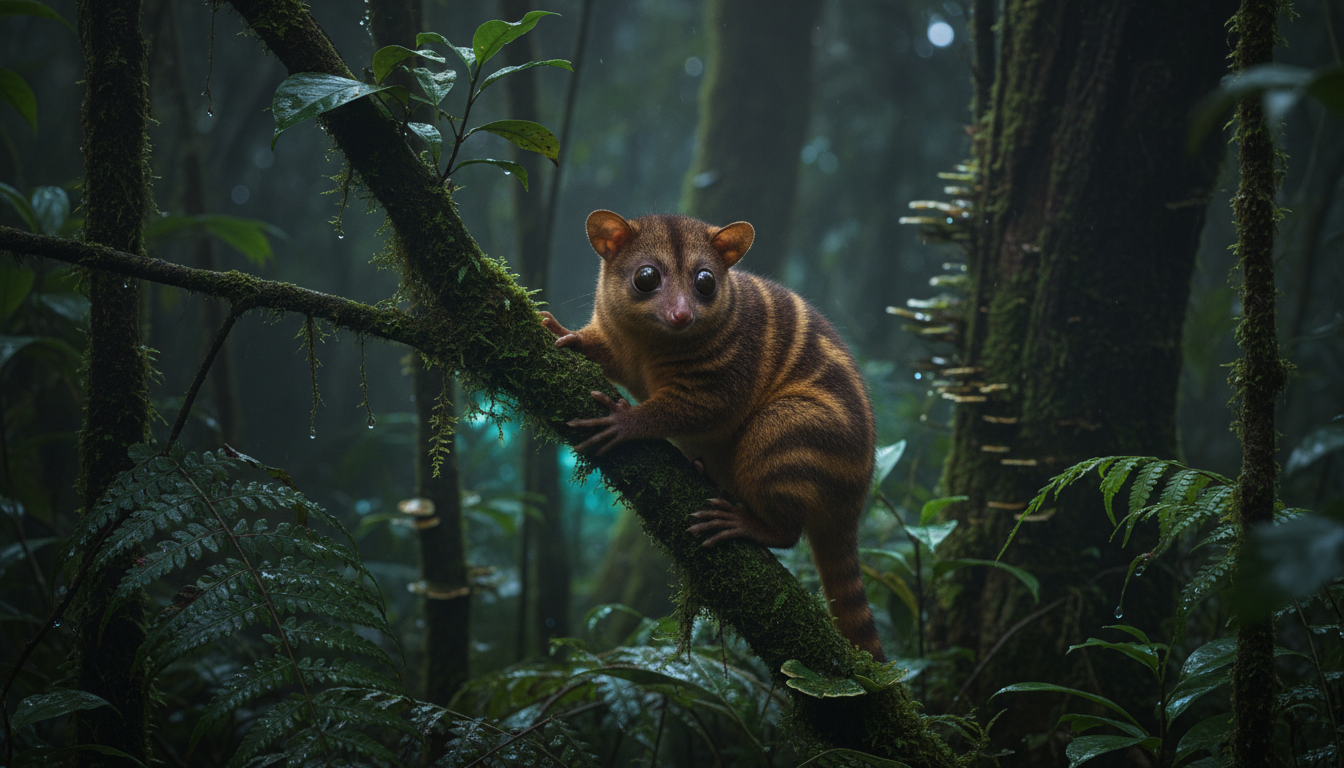
Scientists believed that this marsupial had disappeared 6,000 years ago, but an expedition found two living specimens in a remote forest in New Guinea with a finger that no other animal on the planet possesses.
The Iron Roughneck, a robot developed by National Oilwell Varco, already automates the connection of pipe segments on the rigs. This task, previously performed by three professionals in high-risk conditions, now requires only two people. Thus, the machine takes on the most dangerous work of the operation.

Ahmed Hashmi, BP’s director of exploration and extraction technology, described an even broader vision. According to him, “it’s not just about automating the platform, but about automating everything that comes before it.” In this way, Hashmi envisions that an engineer could design an oil well at their office desk and, by pressing a button, an automated system would identify the necessary equipment, create a 3D model, and send instructions to build it in the field.
The system that already sends direct instructions to the rigs without any operator
The Inteliwell consortium, formed by Transocean, Intelilift, and Viasat, developed three integrated autonomous oil drilling systems that work together. InteliPlan creates automated well construction programs. In turn, InteliAutomate sends instructions directly to the rig equipment controllers. Meanwhile, InteliAssist monitors parameters in real time and runs engineering simulations.
- InteliPlan: generates automated construction programs that are human-readable
- InteliAutomate: sends commands from the program directly to the rig controllers
- InteliAssist: monitors parameters and runs real-time simulations
Intelie, part of Viasat since the acquisition of RigNet in 2021, contributes operational expertise in AI and real-time data analysis. Consequently, the system is applicable across all categories of rigs, both onshore and offshore. This technology follows the trend of oil companies investing billions in innovation, driven by regulations that require resource allocation for research and development.
Robotic dogs and underwater vehicles already operate on platforms and refineries

Artificial intelligence is not only involved in drilling. Spot robots from Boston Dynamics already perform routine inspections, security work, and data collection in refineries, drilling sites, and offshore platforms. These quadruped robots traverse hazardous areas without exposing any workers, capturing images and sensor data that feed predictive systems.
Additionally, researchers at the University of Houston have developed ROVs equipped with video cameras and SmartTouch sensors for autonomous inspection of underwater pipelines. In this way, these vehicles use scanning sonars to detect failures in oil pipelines on the ocean floor, replacing divers in high-risk tasks.
The profession of offshore driller, which today operates drilling under constant pressure, may be profoundly transformed as these systems gain scale.
Brazil is already developing robots for the pre-salt in partnership with Petrobras

Brazil is not out of this race. The Annelida Project, developed by SENAI in partnership with Petrobras, created a robot specifically designed for unclogging pipelines in pre-salt operations. Consequently, the equipment was designed to withstand the extreme conditions found thousands of meters deep in Brazil’s pre-salt fields.
Autonomous oil drilling in Brazil gains even more relevance when considering that the country is currently the 7th largest producer in the world, with 5.3 million barrels per day. Therefore, every efficiency gain through automation represents billions of reais in productivity for the national industry.
What still needs to happen for robots to completely dominate oil rigs
Despite significant advances, autonomous oil drilling still faces important limitations. Current systems are in the early stages of development and deployment. The Iron Roughneck is more established, with references since 2017, while projects with Spot robots and underwater systems are still in testing or pilot phases.
However, experts warn that even when an AI robot outperforms human performance, the costs of hardware and transition may outweigh efficiency gains. On the other hand, the industry recognizes that human operators will continue to be needed for some time. Thus, the complete transition to fully autonomous systems is expected to take years, not months.
As a result, the most likely scenario is a gradual coexistence between humans and machines, where workers migrate from operational roles to supervision and maintenance of autonomous systems. Still, the pace of adoption is accelerating, and industry professionals need to prepare for a radically different job market in the coming years.






Seja o primeiro a reagir!