





 English
  Francês
  Alemão
  Italiano
  Japonês
  Norueguês
  Portuguese
  Spanish
  4 min of reading


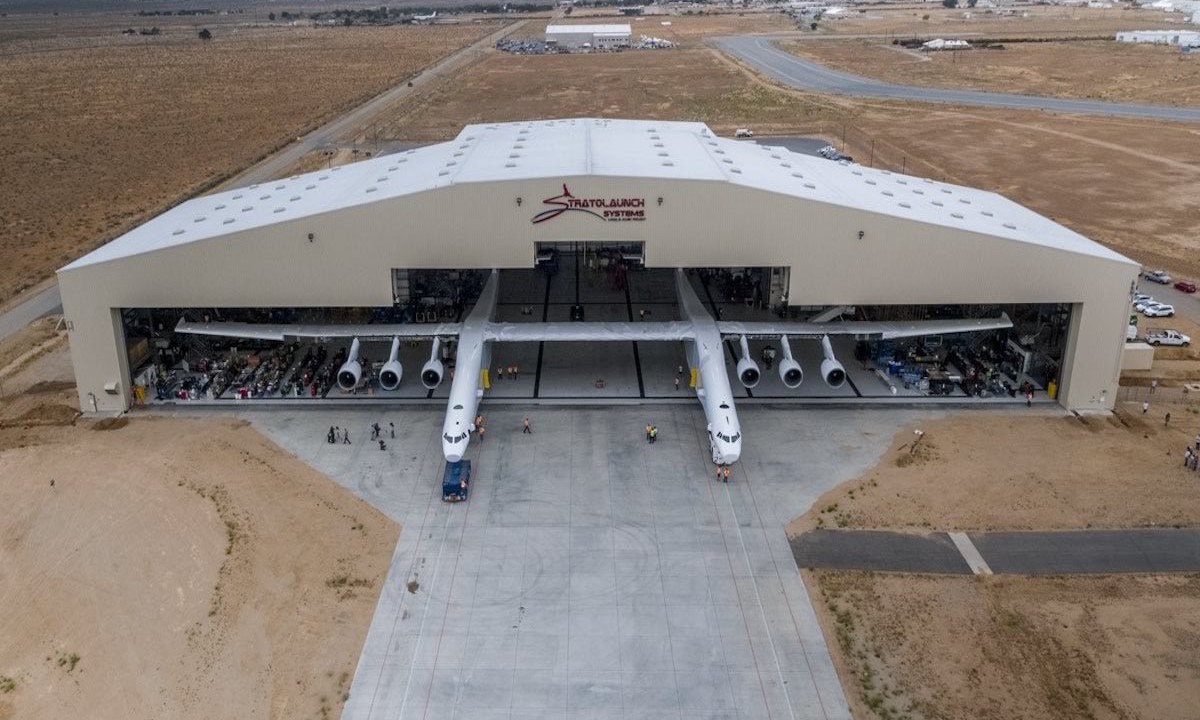
Stratolaunch Will Use Roc, The Largest Airplane in The World, As A Platform To Launch A Series Of Hypersonic Vehicles Called Talon
The massive airplane, which started with the support of the late Seattle billionaire Paul Allen, took off from the Mojave Air and Space Port in California at 11:47 AM yesterday (01/16) for its third test flight. Stratolaunch’s six-engine Roc aircraft, named after a mythical giant bird, is the largest airplane in the world in terms of wingspan. The Roc measures 117 meters from tip to tip. By comparison, the largest commercial airplane in the world, the Antonov An-225, has a wingspan of 88 meters, and the Airbus A380, the largest passenger transport aircraft, has a wingspan of 79.7 meters!
See Also
- China, The World’s Largest Oil Importer, ‘Skirts’ U.S. Sanctions And Buys More Than 324 Million Barrels From Venezuela And Iran At Low Prices
- Nordex Secures New Million-Dollar Contract From Norwegian Statkraft, The Largest Renewable Energy Producer In Europe, To Manufacture And Install 14 Turbines At The 80 MW Morro Do Cruzeiro Wind Farm In Bahia
- Ecuador, Which Produces About 490,000 Barrels Of Crude Oil Per Day, Declares ‘Force Majeure’ And Suspends Pumping In Pipelines Due To Risk Of Breakage In A River In The Amazon Region
- Boats With Batteries And Offshore Wind Turbines: The Largest Shipbuilding Company In Japan, Imabari, Will Build A Boat Capable Of Transporting Energy From Offshore Plants To The Coast
- WEG, One Of The Largest Manufacturers Of Turbines And Electric Motors In The World, Develops A Line Of Niobium-Based Coatings Resistant To Corrosive Agents In Partnership With Randon Companies
Company executives promise a higher flight activity rate this year, including the first flight of a hypersonic test vehicle.
The flight met all the company’s objectives, including testing the retraction and extension of the landing gear on the left fuselage. The successful flight “meant we were one step closer to hypersonic flight,” said Zachary Krevor, President and Chief Operating Officer of Stratolaunch, during a call with reporters after the flight.
-
Abandoned house for 15 years disappears in the woods, shocks owner with unrecognizable scenery and is reborn in an intense transformation after almost 90 hours of work in just 10 days.

-
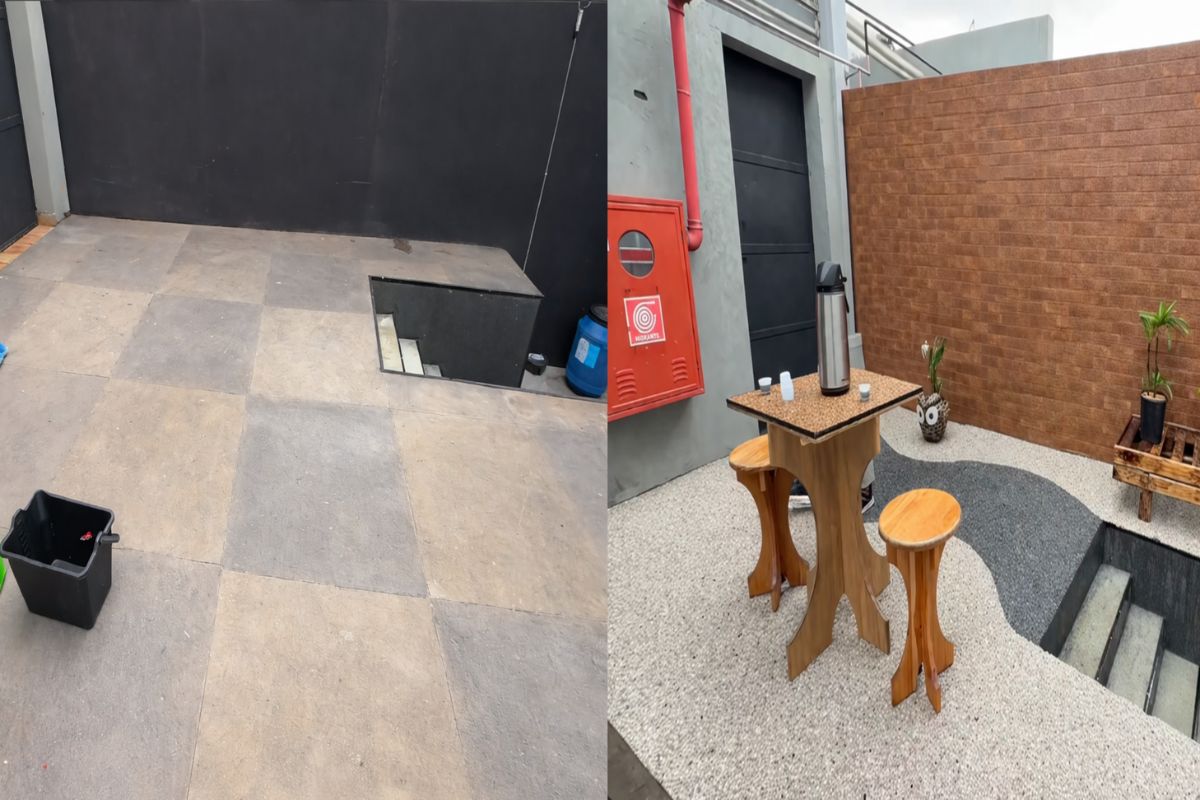
In just three hours, a natural stone floor transforms the entrance of the house with an organic effect, immediate drainage, and a sophisticated non-slip finish that doesn’t puddle water, dries quickly, and impresses with the final result.
-
‘Interlocking brick’ made of earth arrives in the construction industry with cost reductions of up to 40% on the project.

-
Espírito Santo will receive the largest engineering project in its history with the duplication of BR 262, which will have 50 viaducts, 28 bridges, and 2-kilometer tunnels cutting through the most challenging mountainous region of the entire state.


Watch The Video Below And Tune In To The Live Stream Of The Test Flight Of The World’s Largest Airplane!
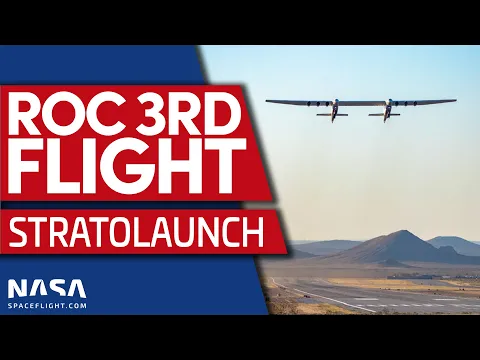

The flight occurred nearly nine months after the previous Roc test flight. That, in turn, took place two years after the airplane’s inaugural flight, originally developed to serve as a platform for an airborne launch system. After that first flight, the company changed ownership and direction to focus on hypersonic flight tests.
The airplane returned to the airport four hours and 23 minutes after a flight that took the aircraft to a peak altitude of over 7,160 meters and a maximum speed of 330 kilometers per hour.
Stratolaunch Will Use Roc As A Platform To Launch A Series Of Hypersonic Vehicles Called Talon
Under this new direction, Stratolaunch will use Roc as a platform to launch a series of hypersonic vehicles called Talon. A vehicle prototype, named TA-0, will be piloted for a drop test over the Pacific Ocean. This will be followed by the first powered vehicle, TA-1, later this year.
This timeline will require Stratolaunch to accelerate its aircraft testing pace. “You’ll see us flying more frequently,” said Daniel Millman, Chief Technology Officer of Stratolaunch, during the call. “By the end of the year, we plan and expect to launch our first hypersonic test vehicle.”
The next flight will test the retraction of the entire landing gear of the airplane. “That’s where we can really start serious envelope expansion,” Millman said. In the following flight, the company will install the pylon in the central wing segment to which the Talon vehicles will be attached.
Krevor and Millman declined to give a timeline for the next test flight, stating that it will depend on the review of the data from this flight. The number of test flights will also depend on the vehicle’s performance as they gradually increase Roc’s altitude and speed to that “comparable to what you’d expect from a commercial aircraft,” Krevor said. “Our goal will be to complete envelope expansion by the end of this year, and the number of flights will be dictated by the aircraft’s performance.”
Both TA-0 and TA-1 are nearly complete, Millman said, including the activation of TA-1 for the first time last month. He added that the company is working “hand in hand” with Ursa Major Technologies, the company providing the rocket engine that will propel TA-1 during engine qualification tests.








Seja o primeiro a reagir!