





 Portuguese
  English
  Spanish
  5 min of reading
  0 comments


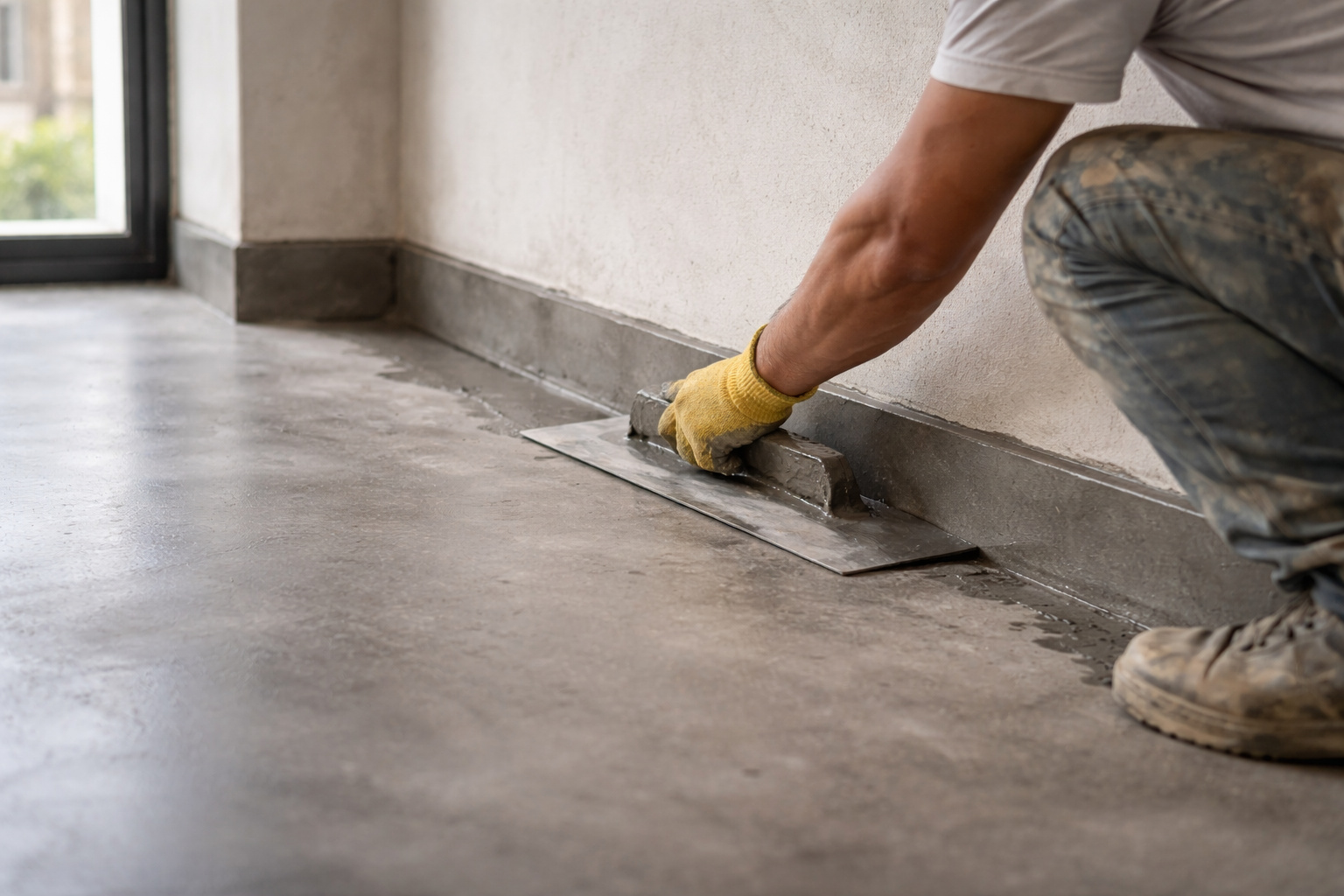
Burnt Cement Baseboards Made with Simple Mortar Can Cost Less Than R$ 3 Per Meter and Replace MDF or Gypsum Models at R$ 25, Creating a Modern and Durable Industrial Finish.
The baseboard is one of the last elements installed in a construction, but it often weighs heavily on the budget. MDF, wood, or gypsum models can cost between R$ 20 and R$ 35 per linear meter installed, especially when they include painting and finishing. In larger projects, this stage represents hundreds or even thousands of reais.
In recent years, however, a simpler solution has begun to gain ground in residential constructions: the burnt cement baseboard molded directly on the wall, using a strip of plaster mortar at the junction between the floor and masonry. The technique eliminates ready-made pieces, reduces costs, and creates a continuous finish that aligns with industrial and minimalist styles. The proposal is to use the building’s own material as both a decorative and structural element.
What is Burnt Cement Baseboard and Why Has It Become Trendy
Despite the name, “burnt cement” does not involve fire. It refers to a finish made with a mixture of cement and water — which may include fine sand or additives — that is applied and smoothed until a smooth and uniform surface is formed.
-
The section of Serra da Rocinha on BR-285 is now open in Timbé do Sul: 50 m tensioned curtains and top-down technique stabilize the slope, with a stairway duct controlling the water.

-
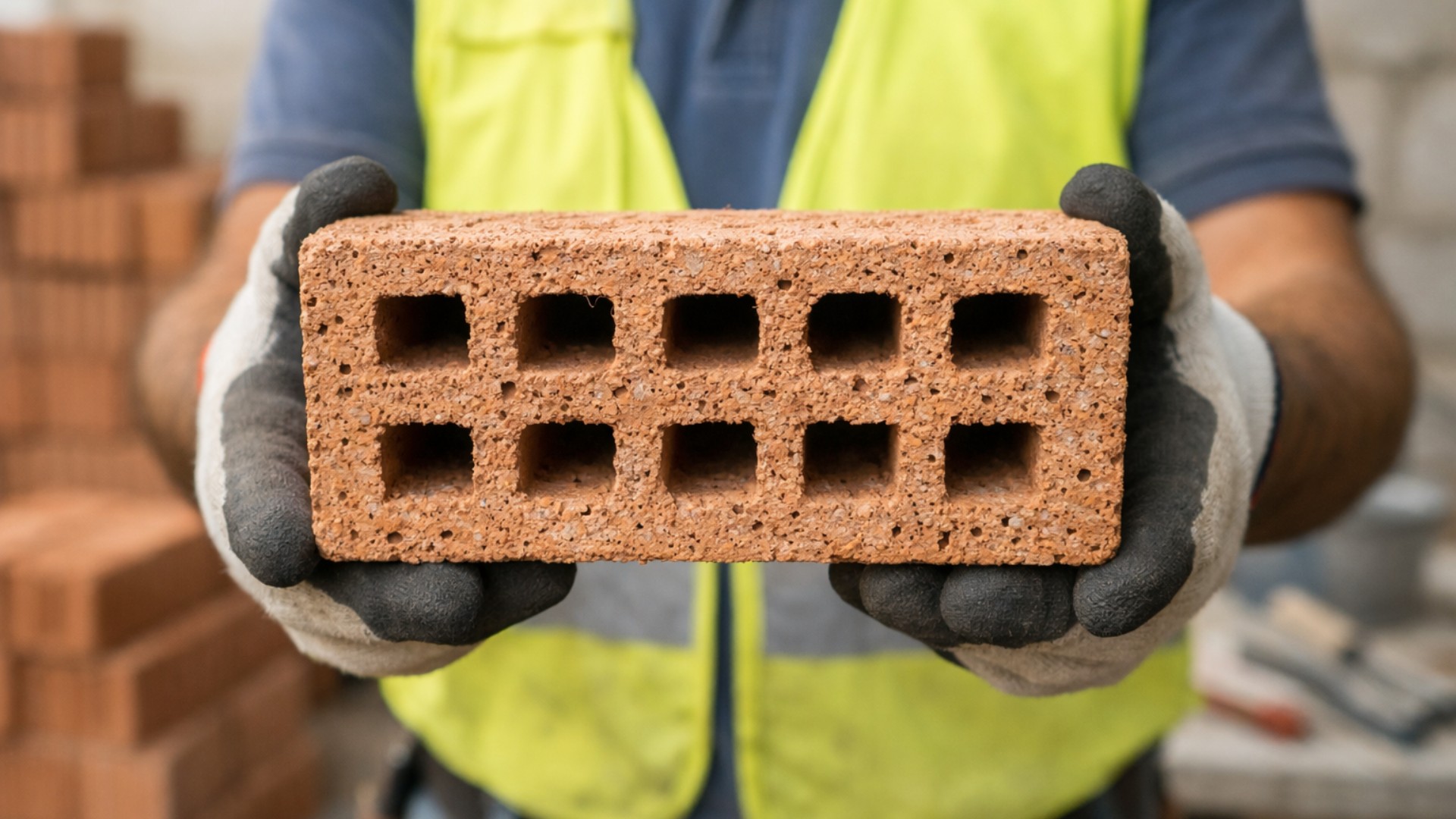
Scientists use sawdust mixed with clay to create a lighter brick, promising efficient thermal insulation and impressing by transforming waste into a solution for construction.
-
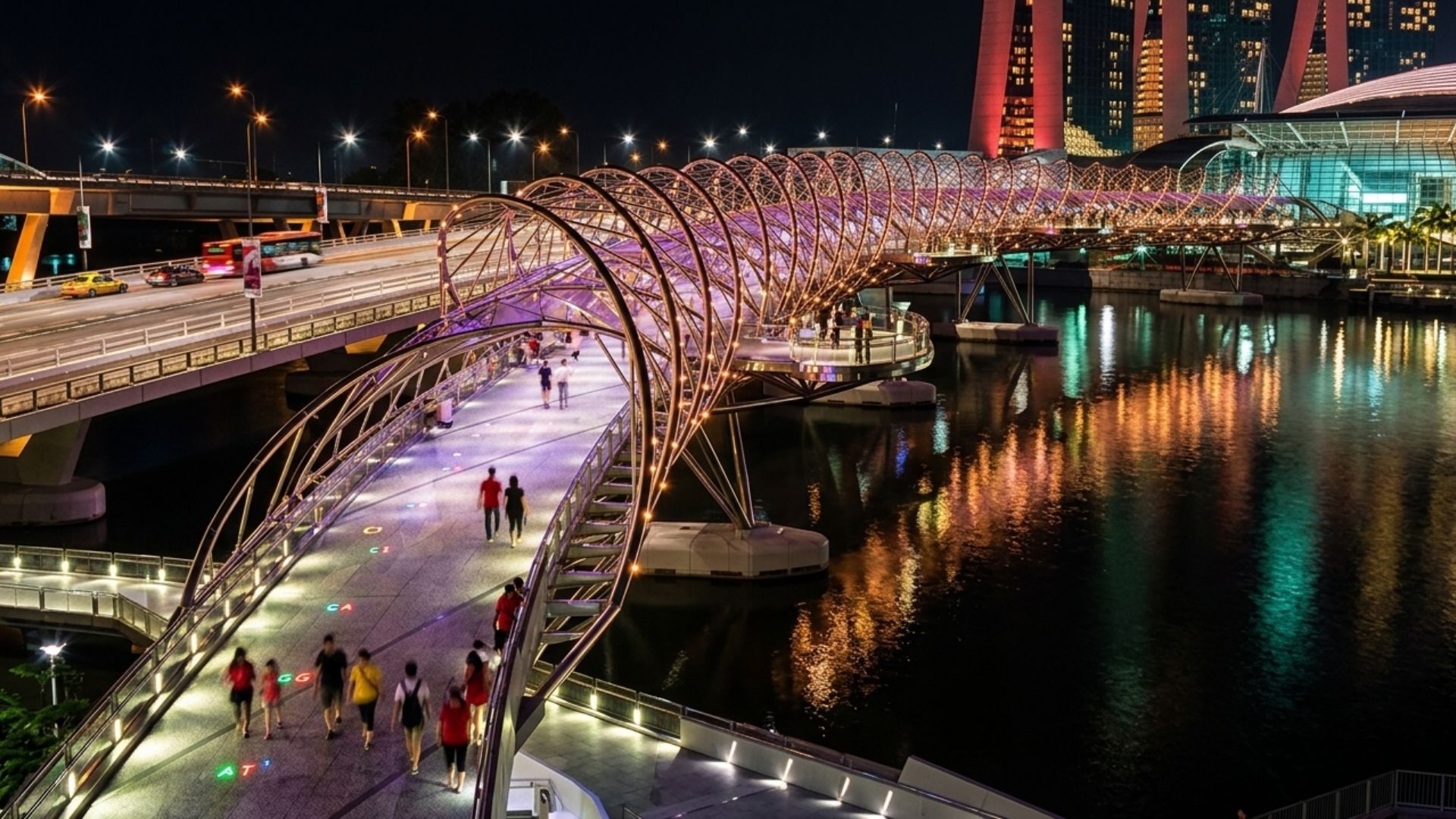
With a DNA shape, this bridge in Singapore draws attention in modern architecture and surprises tourists by transforming a simple crossing into an unforgettable visual experience in the urban heart.
-
Giant underwater pipeline begins to take shape with a R$ 134.7 million project at the Port of Santos: the 1.7 km structure uses 12-meter and 700 mm pipes to supply water to 450,000 people in Guarujá.


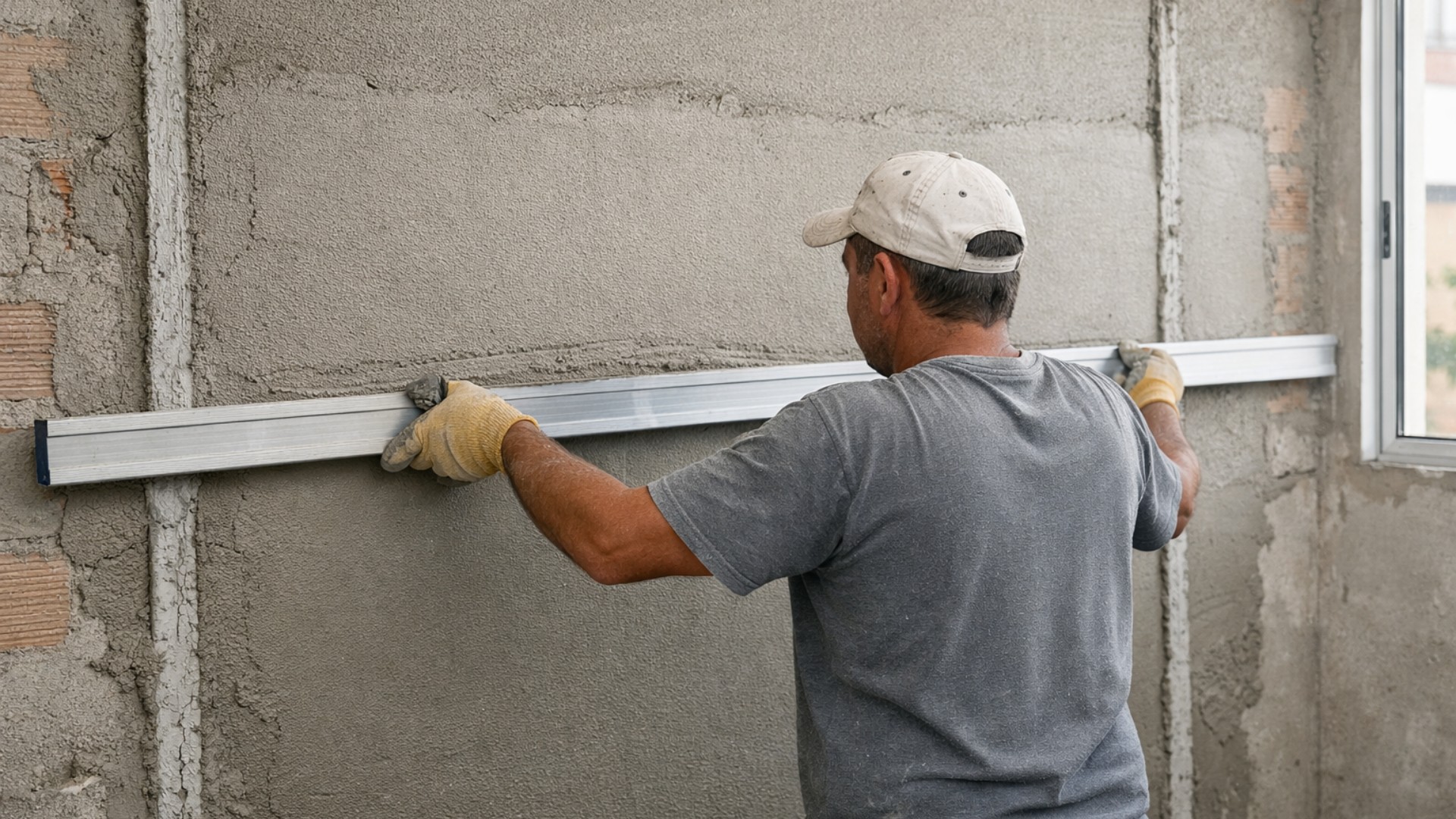
In the baseboard, the technique involves creating a strip molded directly at the base of the wall, usually between 5 and 10 centimeters in height. Instead of installing a separate piece, the professional applies mortar, levels it, and smooths it until achieving a continuous finish.

The result is a solid transition between the floor and the wall, without joints, screws, or glues. This visual continuity is what has transformed cement baseboards into a trend in contemporary projects.
Architects have started to adopt this feature, especially in environments with burnt cement flooring, neutral porcelain tile, or exposed concrete, where an excess of details would compromise the minimalist aesthetic.
How Much Does It Cost to Make Burnt Cement Baseboard Per Meter
One of the most noticeable factors is the cost. Given that the material consumption is low — basically a thin layer of mortar — the material cost per linear meter can be below R$ 3, depending on the applied thickness and local cement prices. Meanwhile, traditional baseboards have average costs such as:
- Painted MDF: R$ 20 to R$ 35 per installed meter
- Gypsum: R$ 18 to R$ 30 per meter
- Solid wood: even higher prices
Cost savings occur because there is no purchase of industrialized pieces, only the use of already common material in the construction. In large projects, this difference can represent a significant reduction in the final budget.
How the Application of the Mortar Strip Is Done
The correct execution directly influences the aesthetic result and durability. First, the base must be clean, firm, and leveled. Any loose dust or unevenness compromises adhesion. Next, mortar is applied at the junction between the floor and the wall, molding the strip with a trowel or metal float.
The finish is made while the material is still in the initial curing process, smoothing it until achieving a uniform surface. After drying, a sealer or acrylic resin can be applied for additional protection. Controlling the curing time is crucial to avoid cracks or unwanted marks.
Structural Advantages Over MDF and Gypsum
In addition to cost savings, burnt cement baseboards have clear technical advantages. Unlike MDF, they do not suffer from moisture or warping. Unlike gypsum, they are not fragile to light impacts or infiltrations. As they are molded directly at the base of the wall, they also reduce gaps where dust and moisture tend to accumulate. The main benefits include:
- Higher mechanical resistance than organic materials
- Absence of glues or joints
- Structural integration with masonry
- Lower risk of infiltration at the base of the wall
The solution is particularly interesting in humid areas, such as kitchens and laundry rooms.
Waterproofing and Final Finish
Although resistant, cement is porous. Therefore, it is recommended to apply acrylic sealer or resin after complete curing. This process reduces water absorption and facilitates daily cleaning. In indoor environments, the finish can remain natural, maintaining the characteristic gray tone, or receive mineral pigments for personalization.

Proper protection increases durability and reduces the need for future maintenance. A well-sealed finish extends the lifespan and preserves the uniform appearance of the baseboard.
Integration with the Floor and Visual Impact
When combined with burnt cement flooring or large-format porcelain tiles, the molded baseboard creates a sense of visual continuity.
The absence of moldings or reliefs reinforces the industrial and minimalist aesthetics. In small environments, this continuity helps to expand the perception of space, as there is no visual break between surfaces.
The final effect conveys sobriety and modernity without relying on additional decorative elements.
Limitations and Necessary Care
Despite the advantages, the method requires careful execution. Very thick layers can crack, and poorly troweled applications may leave permanent marks.
Additionally, as it is molded directly on the wall, it is not easily removable. Any future changes will require structural intervention. Therefore, planning is essential before choosing this technique.
Durability and Maintenance Over Time
When applied correctly and protected with sealer, burnt cement baseboards can last for years without needing replacement. Maintenance is simple: cleaning with a damp cloth and occasional reapplication of resin if there is surface wear.
Unlike MDF, there is no risk of swelling due to moisture. And, unlike gypsum, light impacts do not cause immediate breaks. The combination of low initial cost and reduced maintenance makes the solution economically attractive in the long run.
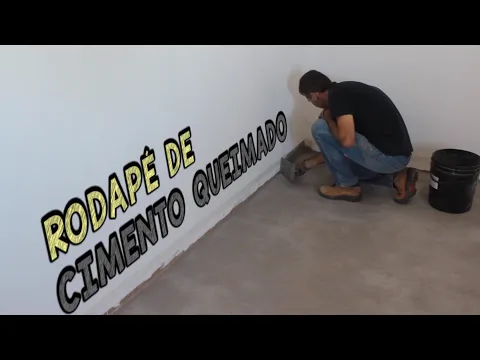

The burnt cement baseboard demonstrates that simple solutions can replace industrialized systems without compromising aesthetics or resistance. With costs lower than R$ 3 per meter in materials and visuals aligned with contemporary trends, the technique transforms mortar into a functional and decorative element.
The proposal combines economy, durability, and aesthetic identity into a single finish. In a scenario where each stage of construction impacts the budget, the molded baseboard emerges as a technically viable and visually coherent alternative for those seeking modern finishes without raising costs.







-

-

2 pessoas reagiram a isso.