





 Portuguese
  English
  Spanish
  5 min of reading
  0 comments


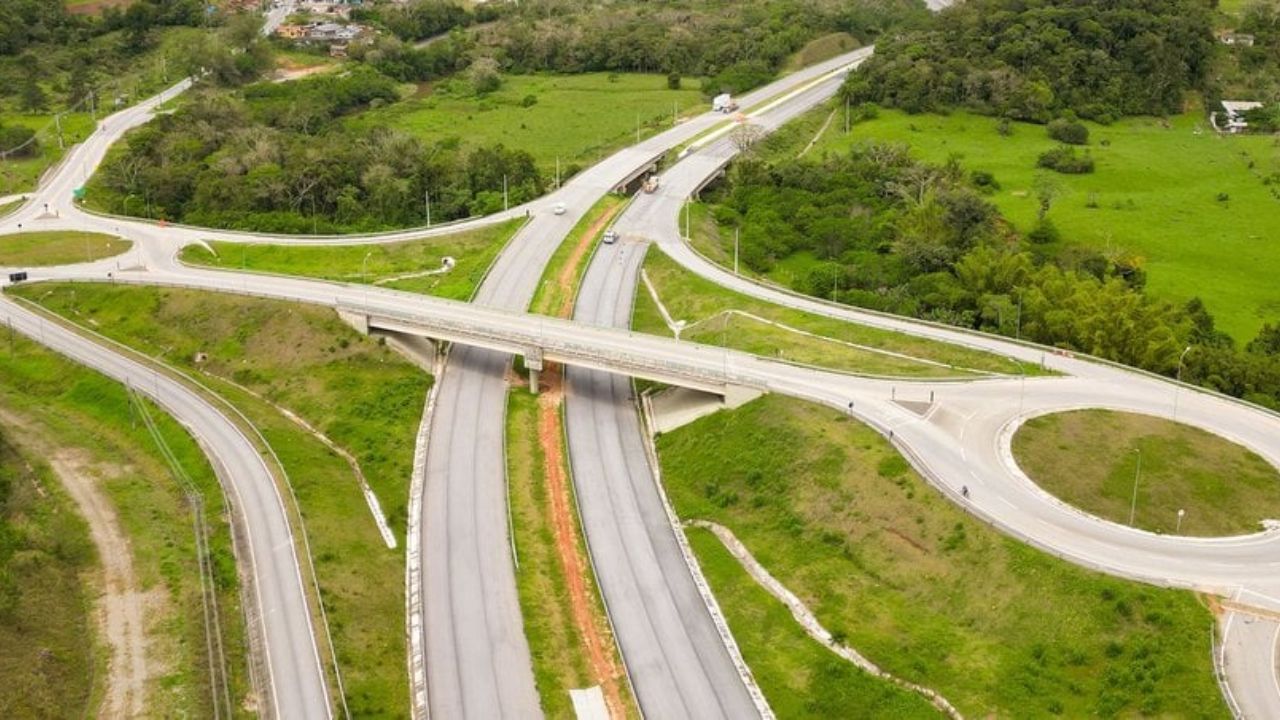
Mega Structure of R$ 3.9 Billion Has Registered 4 Million Vehicles and Proved to be a Game Changer in Road Safety and Logistics of BR-101/SC.
The Greater Florianópolis Bypass, a billion-dollar highway with 50 kilometers of dual lanes, tunnels, and bridges, established itself in its first year of operation as the main new logistical and road safety axis in Southern Brazil. The project, which cost R$ 3.9 billion (Best Highways in Brazil – ABCR), was born out of the urgency to relieve the urban stretch of BR-101/SC, which for years suffered from long-distance traffic congestion and a high accident rate. Its purpose is clear: to divert heavy truck traffic and the through traffic from the capital of Santa Catarina.
The effectiveness of the Bypass is not only structural but also measurable in results: the road recorded the circulation of more than 4 million vehicles in its first year (Best Highways in Brazil – ABCR). More crucially, the operation of the new road demonstrated a direct impact on the safety of the old urban stretch. According to data from the Infra Agency (based on information from Arteris), there was a 30% reduction in the number of fatalities and a 49% decrease in pile-ups on BR-101/SC. These figures confirm that the billion-dollar highway delivered an immeasurable socioeconomic gain.
High-Performance Engineering: What Makes the Billion-Dollar Highway Unique

The Greater Florianópolis Bypass was not just a duplication; it was the creation of a high-performance logistical corridor. The 50 km stretch of infrastructure, which connects Biguaçu to Palhoça, required the construction of 4 twin tunnels and 7 bridge groups to navigate the complex geography of the metropolitan region.
-
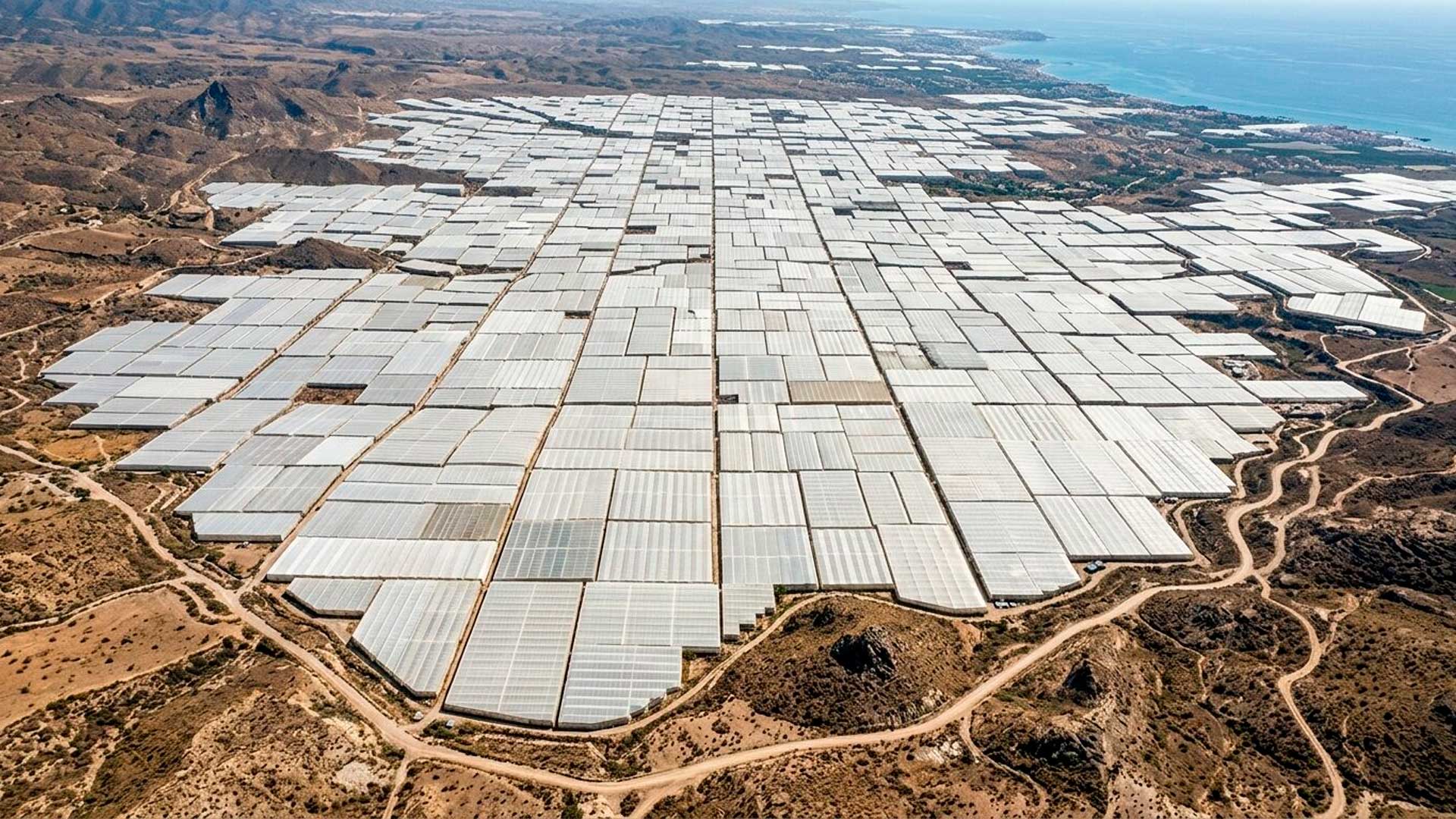
Neither the Pyramids nor the Great Wall of China, this gigantic construction in Spain is the human mark on planet Earth that intrigues the most when seen in images from space.
-
Surrounded by cliffs, mist, and chilling stories, the ancient Hotel del Salto has been reborn as a museum while still unable to shake off its reputation as a haunted place.

-
This star-shaped fortified construction, hidden near the border of Spain, may be the largest fortress on the planet.

-
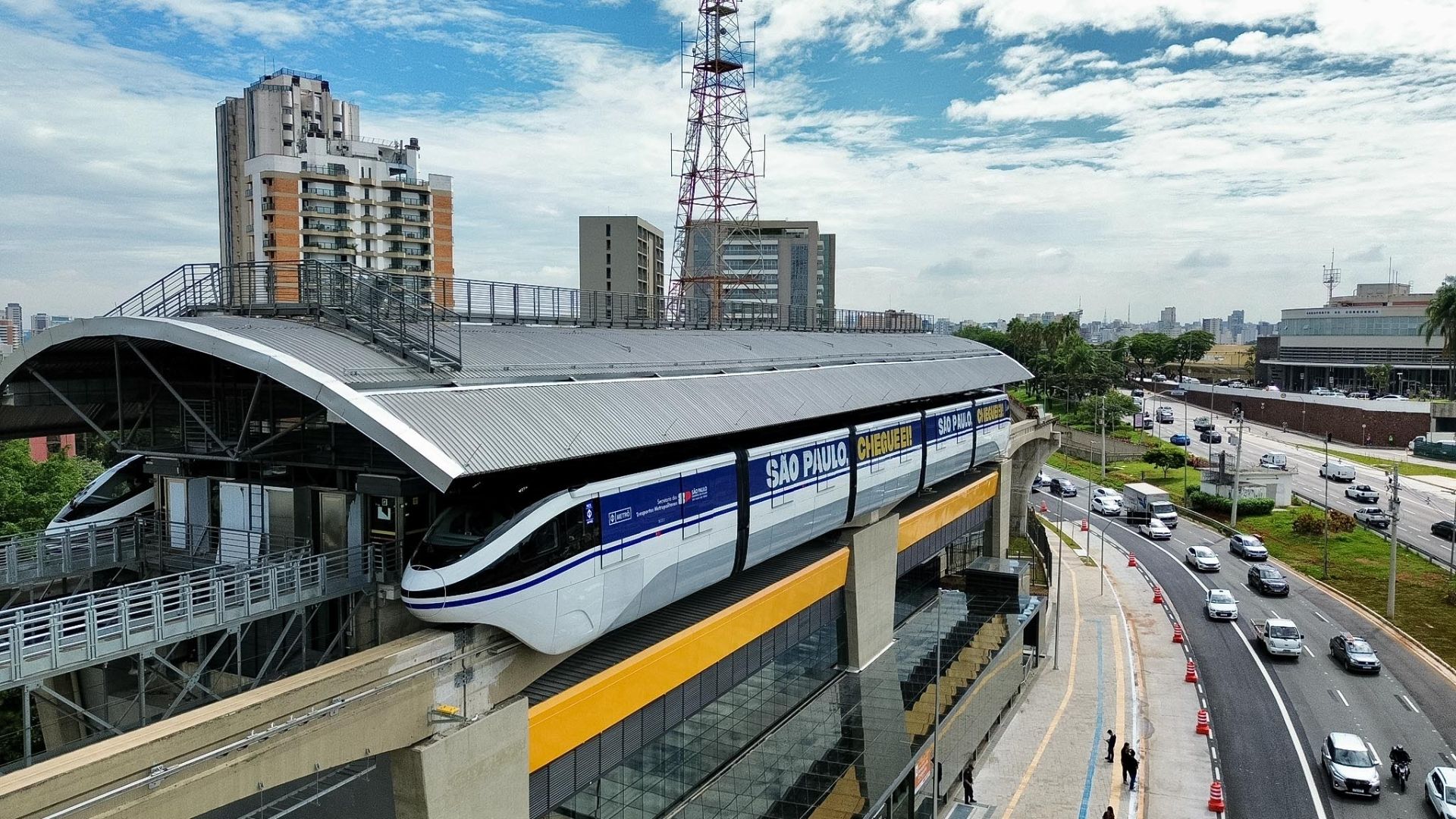
Congonhas receives the monorail promised for the 2014 World Cup after more than a decade of delays and becomes the first airport in Brazil with integrated subway.

One of the pillars of the engineering project, conducted by Arteris Litoral Sul under concession, was the geometric optimization of the road. The highway was designed with gentle curves and without steep inclines or declines. This design is technical and strategic, as it allows heavy vehicles to maintain a higher and more constant average speed, reducing fuel consumption and the operational cost of freight transport. This technical specification transforms the road into a competitive asset for the Mercosur Logistics Corridor, essential for the ports of Santa Catarina.
The project, outlined in the Concession Contract of 2008 for BR-116/PR – BR-376/PR – BR/SC, faced a substantial delay of about 12 years. The cost of R$ 3.9 billion reflects not only the complexity of expropriating 179 areas but also the need for robust engineering in a mountainous region. The delivery of the Bypass in 2024 finally concluded a logistical burden that had penalized the economy and safety for over a decade.
Operational Performance and Proven Gains


The first year of operation confirmed the success of traffic segregation. Analysis from the Infra Agency indicates that 52% of the total traffic on the new road consists of heavy vehicles, such as trucks and trailers. This high percentage confirms that the main objective – to remove freight traffic from the urban stretch of BR-101 – is being successfully achieved.
For those wondering, “is it worth it?” the Bypass, the answer lies in efficiency and safety. The travel time on the route can be done in approximately 40 minutes, which represents a reduction of up to 50% in time previously spent on the congested stretch (Best Highways in Brazil – ABCR). Moreover, the gains in road safety are the most impactful:
- 30% decrease in fatalities in the urban stretch of BR-101/SC.
- 49% reduction in pile-ups, typical accidents due to congestion.
- 35% reduction in side collisions and 21% in rear-end collisions.
The smoothness of traffic on the new corridor, which remains much calmer, free of queues or congestion, is key to preventing serious accidents. The Bypass is monitored 24 hours a day by an Operational Control Center (CCO) and utilizes intelligent systems, which earned it the ANTT Highlights Award 2024 in the “Engineering” category.
The Pending Bottleneck: The Threat to Full Functionality
Despite being a success, the billion-dollar highway operates below its maximum potential due to pending bottlenecks in the adjacent road network. The most vulnerable point lies in the connection with BR-282, in the urban perimeter of Santo Amaro da Imperatriz.
There is an urgent need for the construction of the Santo Amaro da Imperatriz Bypass, a project under the responsibility of DNIT, which will make the essential link between BR-282 and the Bypass (between tunnels 2 and 3). However, the failure to coordinate deadlines between federal agencies has resulted in a critical delay. ND Mais reported that the engineering project for the Santo Amaro Bypass has been postponed to August 2026.
This delay prevents the Bypass from absorbing its full potential flow, limiting the capture of heavy traffic. The superstructure, which cost R$ 3.9 billion, risks having its efficiency nullified by congestion generated in an unresolved complementary project. The logistics of Santa Catarina depends on an urgent acceleration in the DNIT project to ensure the full Return on Investment (ROI) of the billion-dollar highway.
What Is the Next Step for SC Infrastructure?
The Greater Florianópolis Bypass has proven that investment in high-quality infrastructure saves lives and accelerates the economy. The dramatic reduction of serious accidents in the urban stretch is the greatest benefit of this billion-dollar highway. However, the migration of the problem to the bottleneck of BR-282/Santo Amaro requires immediate and coordinated action from public bodies.
Do you agree that the billion-dollar highway has changed your routine? Do you think that the delay in the Santo Amaro da Imperatriz Bypass threatens the logistics of the region? Leave your honest opinion in the comments; we want to hear from those who experience this change firsthand and suggestions for the next phase of infrastructure in Santa Catarina.






Seja o primeiro a reagir!