





 Portuguese
  English
  Spanish
 4 min of reading
  1 comment


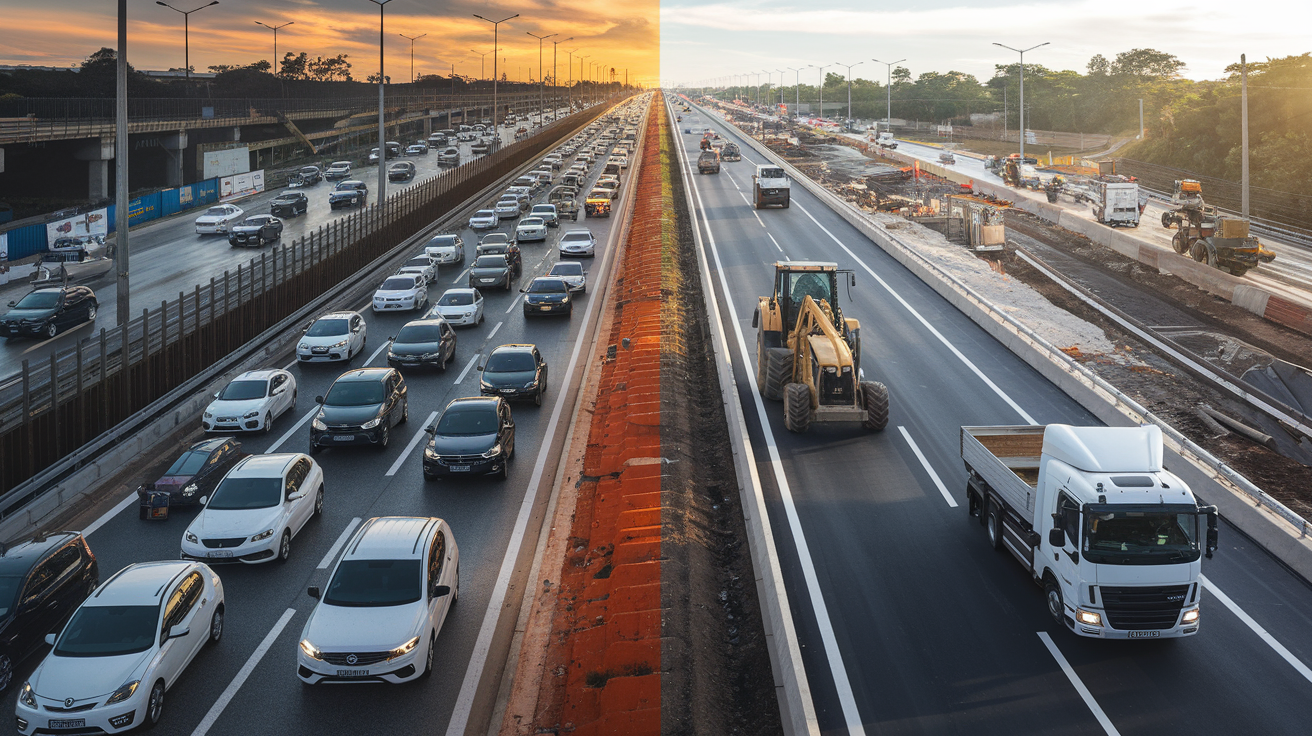


BR-381, Known for Traffic Jams and Accidents, Is About to Be Transformed! The Federal Government Announces an Investment of R$ 1.3 Billion to Duplicate the Section Between Belo Horizonte and Caeté, Including R$ 300 Million for the Dispossession of Thousands of Families. Find Out How This Project Promises to Revolutionize Transportation and Life in the Region!
BR-381, one of the Main Highways in Minas Gerais, Is About to Undergo a Significant Transformation.
Known for its winding stretches and intense vehicle flow, especially between Belo Horizonte and Caeté, the road has been the scene of frequent traffic jams and accidents, causing disruption for drivers and residents in the region.
On Thursday (06), the federal government announced an ambitious plan that promises to change this scenario and bring long-awaited improvements for users of the road.
-
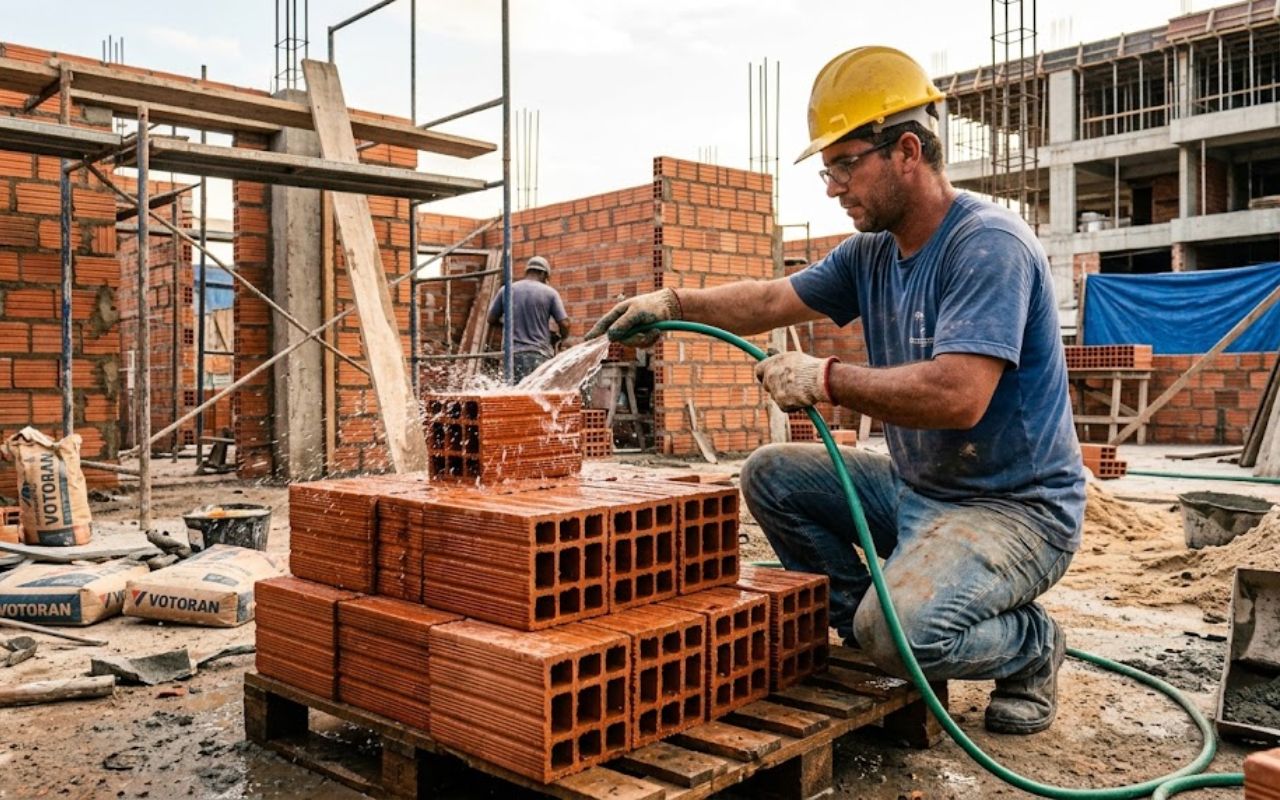
A simple technique of wetting the brick before laying it prevents cracks, improves the adhesion of the mortar, reduces fissures, and ensures stronger walls and more durable constructions.
-
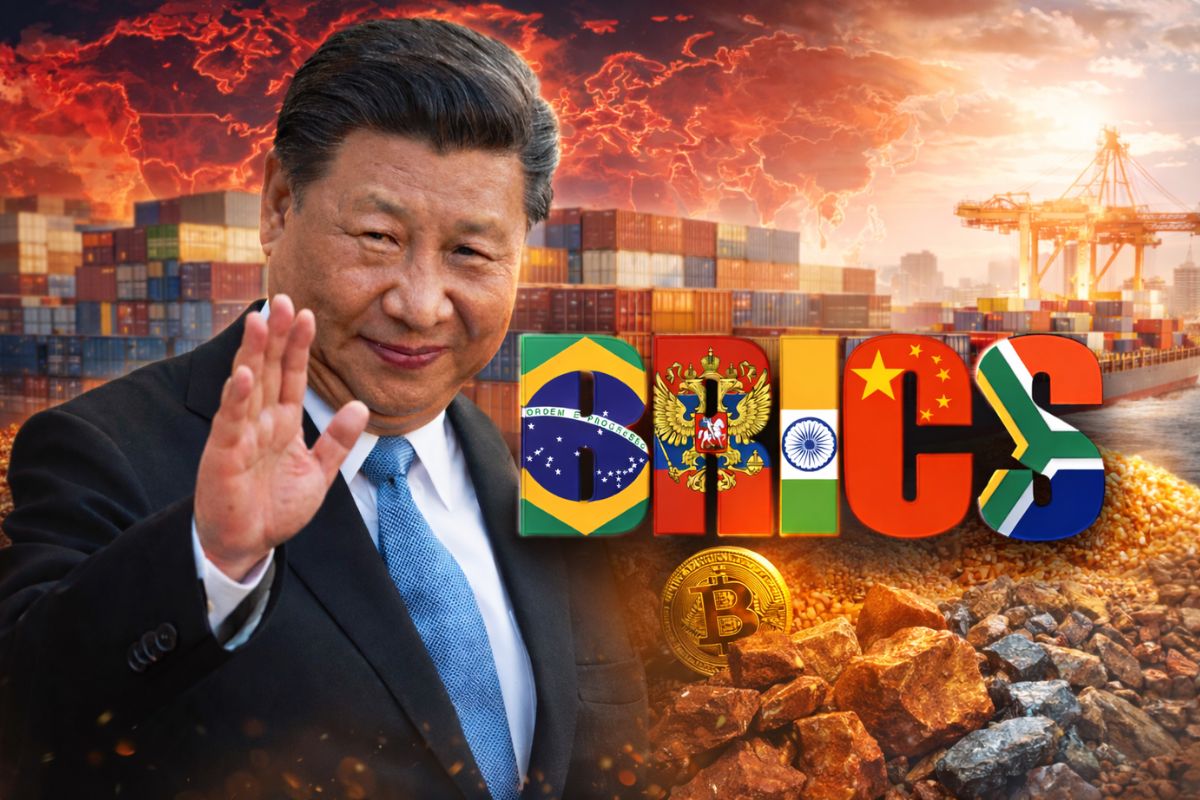
China alone accounts for 70% of trade within the BRICS, while Brazil establishes itself as an essential supplier of food and minerals: understand how the group, which already represents nearly 40% of the world’s GDP, is changing the game.
-
Starting in May, those who do not have registered biometrics will not be able to apply for Bolsa Família, sickness benefits, or unemployment insurance: understand the new rule that changes access to benefits for millions of Brazilians.

-
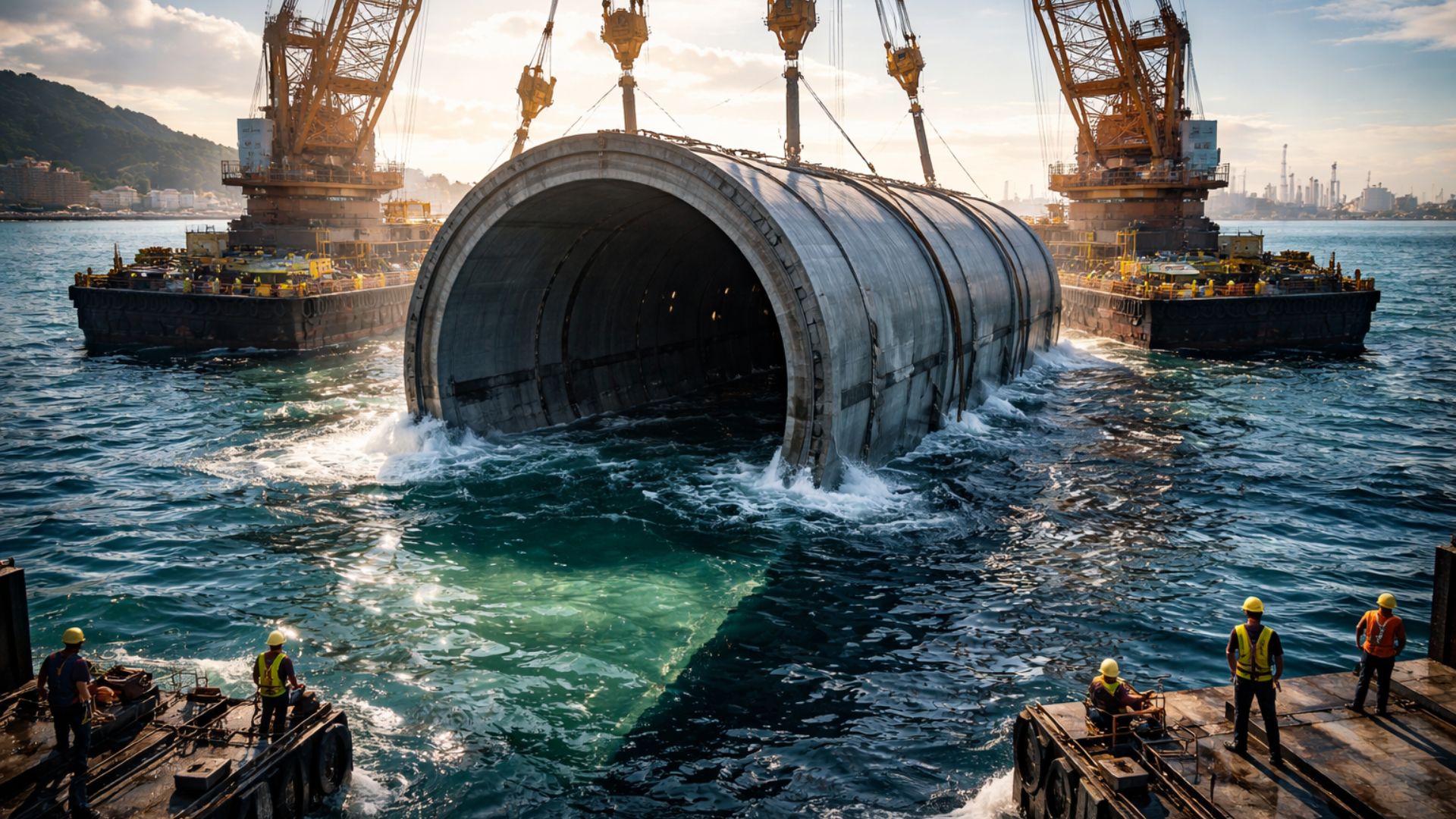
The government opens the vault and deposits R$ 2.6 billion for the construction of Brazil’s first underwater tunnel, with a length of 1.5 km, 870 m under the sea, a total project cost of R$ 6.8 billion, and a 30-year concession.
In a press conference held in Belo Horizonte, the Minister of Transport, Renan Filho, revealed that approximately R$ 300 million will be allocated for the dispossession and relocation of families residing in the stretches of BR-381 that will be duplicated, specifically between Belo Horizonte and Ravena, and between Ravena and Caeté.
The total investment from the Union for the stretch between the state capital and Caeté is estimated at around R$ 1.3 billion, in addition to the resources that will be provided by the private sector in the segment that extends to Governador Valadares.
Challenges of Dispossessions
The duplication of BR-381 faces significant challenges, especially regarding the necessary dispossessions for the expansion of the road.
The stretch between Belo Horizonte and Caeté is considered one of the most complex due to the presence of approximately 2,000 families living along the highway.
The removal of these families requires careful planning and a sensitive approach to minimize social impacts.
Renan Filho emphasized that the state has more familiarity in dealing with these issues, relying on social assistance and access to the Judiciary and the Federal Public Ministry, which oversee the process.
For this reason, the government opted to take responsibility for the dispossessions, removing this stretch from the concession to the private sector.
Progress in Duplication Works
The duplication works of BR-381 are divided into different lots, each with its specificities and timelines.
Lot 8A, which encompasses the stretch between Ravena and Caeté, has already had the contract signed with Construtora Luiz Costa Ltda., the winner of the bidding process.
The interventions in this segment, which spans about 12 kilometers, are expected to be completed in three and a half years, with an investment of approximately R$ 400 million.
Lot 8B, which includes the stretch between Belo Horizonte and Ravena, is currently in the bidding phase for the hiring of the basic and executive design projects for the works.
The notice was published in September 2024, and the opening of envelopes with proposals from interested companies is scheduled for December 4 of the same year. The estimated investment for this 13.4-kilometer stretch is R$ 521 million.
Expectations and Concerns of the Community
The duplication of BR-381 is a historic demand from the people of Minas Gerais, who have long faced infrastructure and safety issues on the highway.
The promise of immediate start of the works brings hope to many but also raises concerns, especially among families who will be dispossessed.
The relocation of these individuals must be handled fairly and transparently, ensuring they receive the necessary support throughout the process.
Moreover, movements like Pró-Vidas BR-381 have mobilized to closely monitor the progress of the bids and ensure there are no delays or suspensions to the established timelines.
Recently, representatives of the movement met with the Federal Comptroller General (CGU) to discuss the status of the bidding notice for Lot 8B and express their concerns regarding potential delays.
Economic and Social Impact
The duplication of BR-381 not only promises to improve traffic flow and increase user safety but also has the potential to boost the economic development of the region.
With a more efficient road infrastructure, a reduction in transportation costs and an increase in the competitiveness of local businesses are expected.
However, it is crucial that the process of dispossession and relocation of families is conducted with social responsibility.
The federal government states it is committed to providing the necessary support to affected families, ensuring that the transition occurs fairly and that residents’ rights are respected.
Next Steps in BR-381
With contracts signed and bids underway, the expectation is that the duplication works of BR-381 will begin in the first half of 2025.
The federal government, in partnership with the private sector, is committed to transform the highway, addressing an old demand from the people of Minas Gerais and promoting significant improvements in the state’s transportation infrastructure.
The community eagerly awaits the progress of the works and hopes that the promised benefits will be realized, bringing more safety and development to the region.







Isso faz com dinheiro dos imposto depois doa pra multinacionais explorar o povo via pedagioscom tarifas de 1 mundo ,infringindovo direito constitucional de ir e vir além de ser bitriburacao ,pois já para ipva pra manter as rodovias,e a bananada ninguém reclama aceita td