





 Portuguese
  English
  Spanish
  4 min of reading
  214 comments


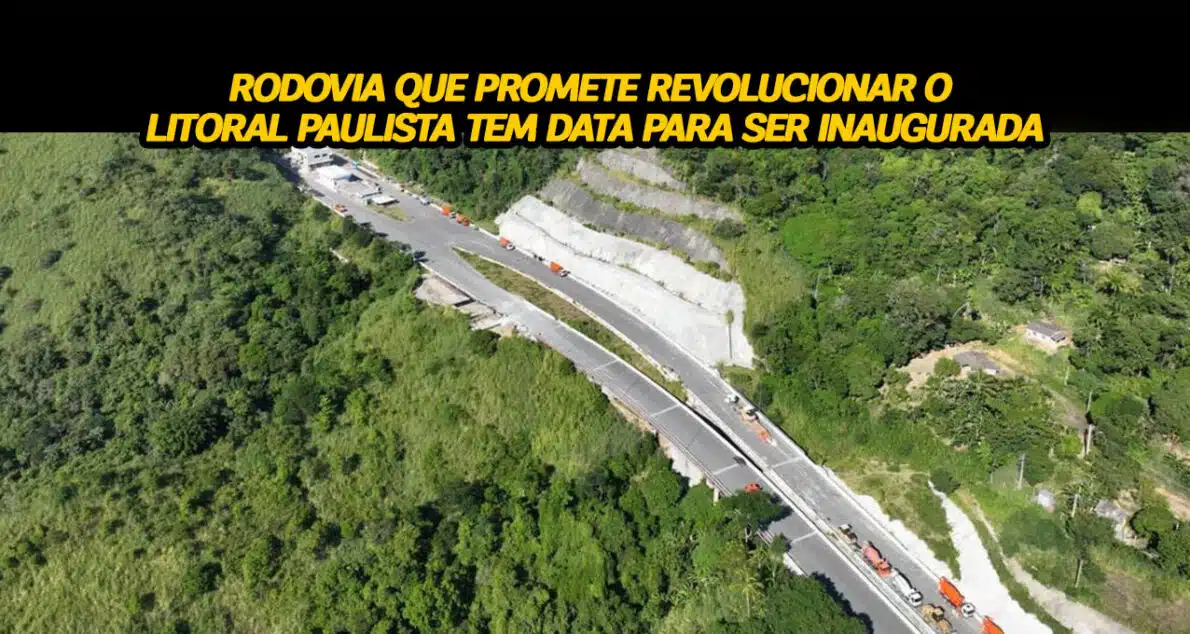


The Highway Is About to Transform the Northern Coast of São Paulo. This R$ 2 Billion Project Promises to Shorten Distances, Boost Tourism, and Modernize the Region with State-of-the-Art Infrastructure and Pioneering Free Flow Toll in Brazil.
The northern coast of São Paulo is about to witness an unprecedented change in its road infrastructure, and expectations are high for a project that promises to revolutionize the region’s mobility.
In November 2024, a new highway will be available to shorten distances and enhance connectivity between two of the most visited cities in the state.
The project is seen as a game changer, promising to streamline traffic, enhance tourism, and create economic opportunities for thousands of local workers.
-
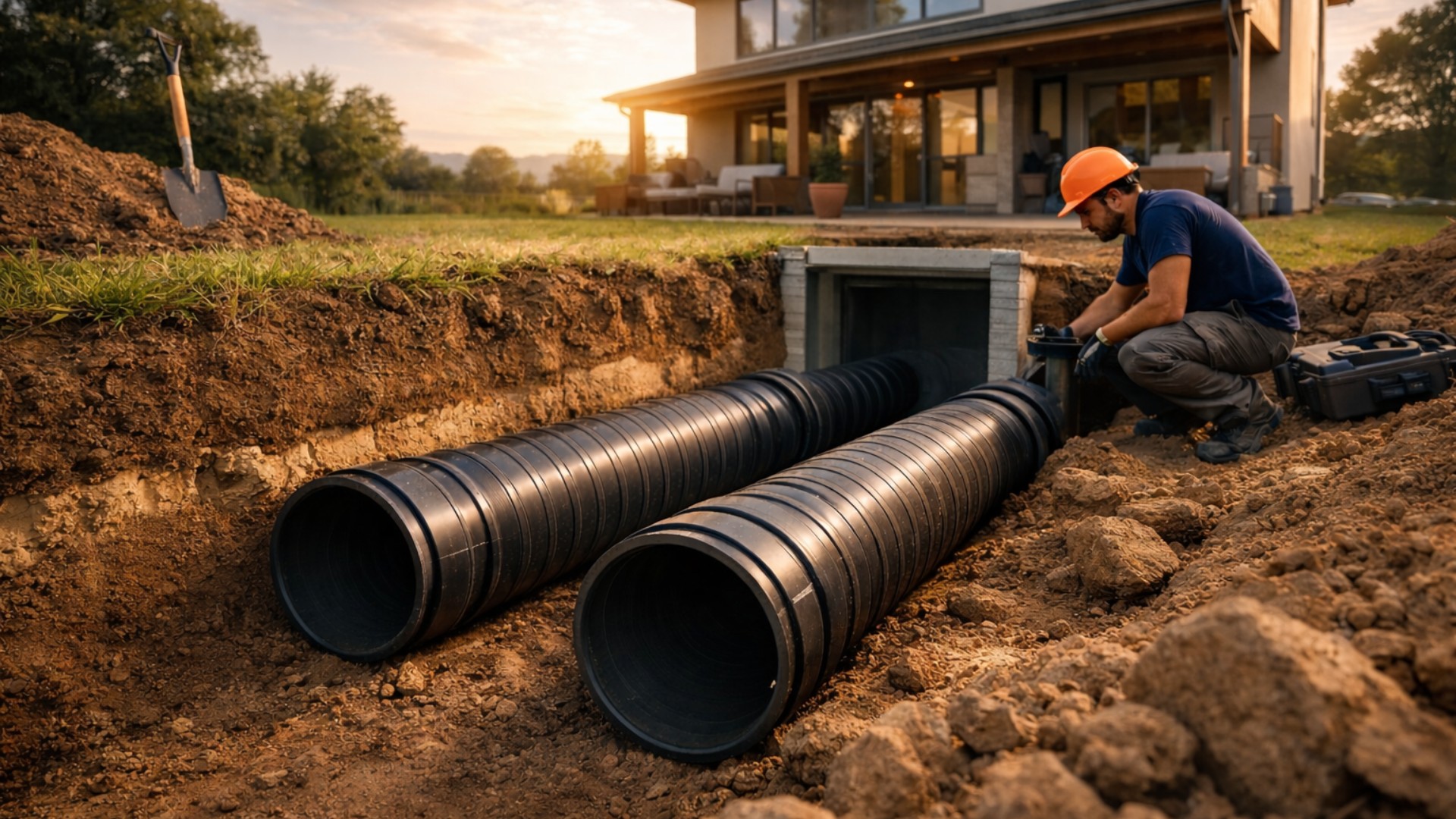
Architects are burying plastic pipes 2 meters deep and using ducts up to 30 meters long to cool homes without electricity, with low-consumption fans and natural heat exchange that drastically cuts the electricity bill.
-
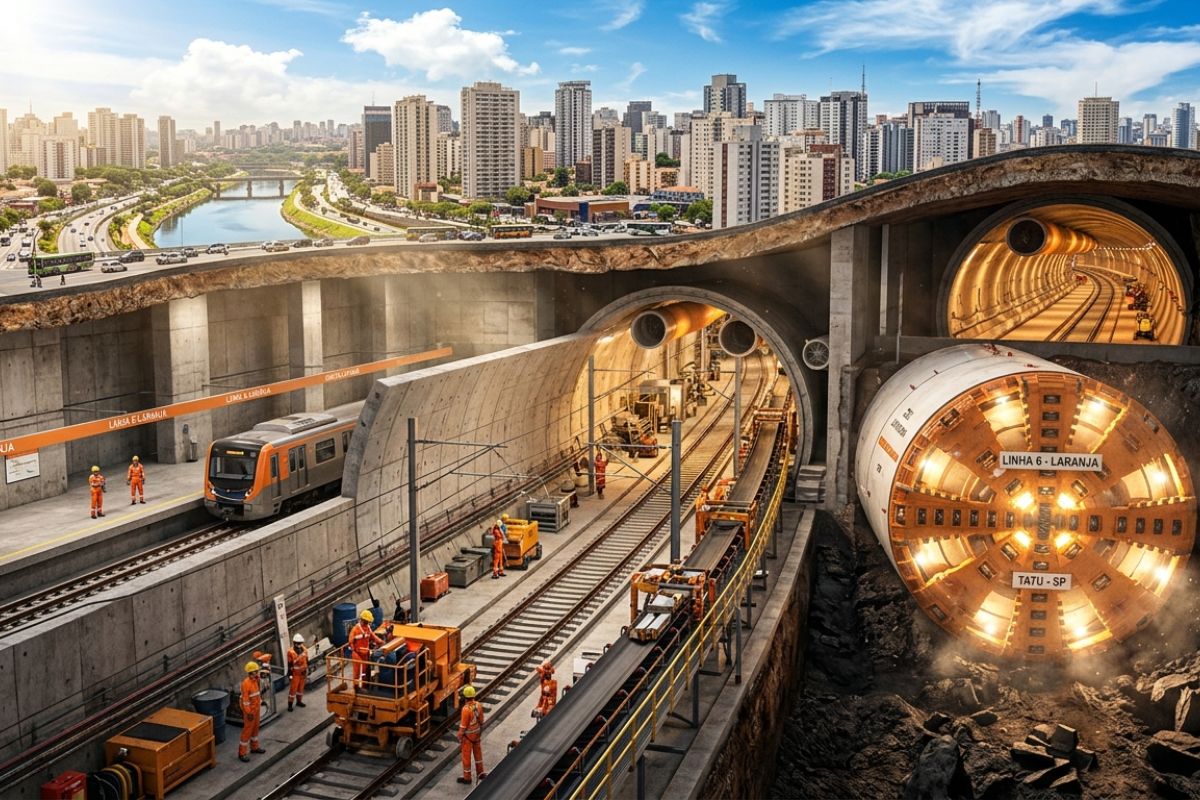
Under São Paulo, Line 6-Orange reaches 15.3 km and 15 stations, promising 23 minutes from Brasilândia to the Center and 633,000 passengers per day; with autonomous trains, it will open a partial section in October 2026.
-
“No one will make us change the Pix,” says Lula after the US report.

-
Lula responds directly to Trump and says that Pix is from Brazil and will not change under pressure from anyone, after a report from the United States pointed out the Brazilian payment system as an American trade barrier.


The new road, known as the Southern Bypass of the Tamoios Highway, will connect Caraguatatuba and São Sebastião in just 18 minutes, covering a distance of 26 km.
With a lush landscape and designed to offer safety and comfort to drivers, the highway was planned to be more than just a simple route.
It is part of a broader strategy by the state government, which invested R$ 2 billion to develop the region and drive an economic growth that could impact millions over the years.
State-of-the-Art Infrastructure and Enhanced Safety
The cutting-edge technology employed in the highway’s construction promises to make this project a national landmark.
To ensure safety, the road includes high-tech tunnels that total 3.4 km in length.
Inspired by the standards of the Serra Nova da Tamoios, these tunnels have been built with advanced ventilation systems and emergency exits, meeting rigorous international safety standards.
Traffic engineering experts classify these tunnels as among the most modern in the country, reinforcing the project’s commitment to user safety.
Economic Impact: Tourism and Jobs
In addition to shortening travel time, the new highway is expected to play a significant role in the northern coastal economy of São Paulo.
According to the state government, about 25 million drivers are expected to use the new road annually, whether for leisure, work, or study.
The expectation is that the intense flow of people will directly contribute to the growth of sectors such as hospitality, gastronomy, and commerce.
It is estimated that the project will create thousands of direct and indirect jobs, mainly in areas related to tourism and logistics.
This boost in the job market is expected to benefit local residents and attract new investments to the region, further increasing the circulation of goods and the potential for economic growth.
Innovative Toll and Free Flow Technology
One of the most talked-about innovations on this highway is the free flow toll system, a pioneering technology in Brazil that eliminates the need to stop at toll booths.
The system will be installed at km 13.5, and the expected tariff is a little over R$ 5, considered affordable given the convenience it offers.
According to experts, this system prevents stops and speeds up the trip, reducing travel time and lowering emissions of pollutants—a benefit for the environment and for drivers seeking a smoother experience.
This technology represents a significant advancement over traditional tolls, providing a continuous and safe travel experience.
The highway will also be monitored in real-time, with cameras and alert systems that enhance user safety and enable a swift response in case of emergencies.
Sustainability and Environmental Preservation
Despite the project’s large scale, those in charge prioritized measures to minimize environmental impact.
From the initial phase, the construction took into account the preservation of local biodiversity.
The road’s alignment was carefully planned to preserve areas of the Atlantic Forest and reduce impacts on wildlife and flora.
Crossings for animals and acoustic barriers were installed along the stretch to minimize noise impact and protect the animals that inhabit the region.
Coastal Development and Expectations of Change
The Southern Bypass of the Tamoios Highway represents much more than just a simple access route.
The forecast is that the new highway will meet the growing influx of tourists and residents in the region, becoming a pillar in the development of the northern coast of São Paulo.
The state government hopes that the project will stimulate urban growth and expand economic possibilities for the municipalities of Caraguatatuba and São Sebastião.
The inauguration of the highway is scheduled for November 17, 2024, and expectations are high that it will fulfill the promises made over the years.
According to authorities, the project was designed to be more than just a transportation facilitator: it is an opportunity to modernize the region, attract new businesses, and improve the quality of life for residents.
And you, do you believe this new highway will be the landmark that the northern coast of São Paulo needs to boost tourism and the economy of the region? Share your opinion in the comments!







Parabéns o país precisa de infraestrutura a Ecovias e um grande exemplo , graças ao meu trabalho já viajei p vários lugares no mundo andar de carro nos USA nas vias gigantes deles e prazeroso e tudo funciona via free flow , ser crítico por ideologia política chega ser ridículo.
E na ligação Taubaté-Ubatuba nenhum investimento, nenhuma melhoria naquela Rodovia Osvaldo Cruz??? Maior fluxo de turistas na alta temporada e uma demora nesse trecho de 5 horas para um percurso de de apenas 100 km!!!
Quem for visitar Ilhabela chegará mais rápido na fila da balsa…