





 Português
  Inglês
  Espanhol
 4 min de leitura
  1 comentário


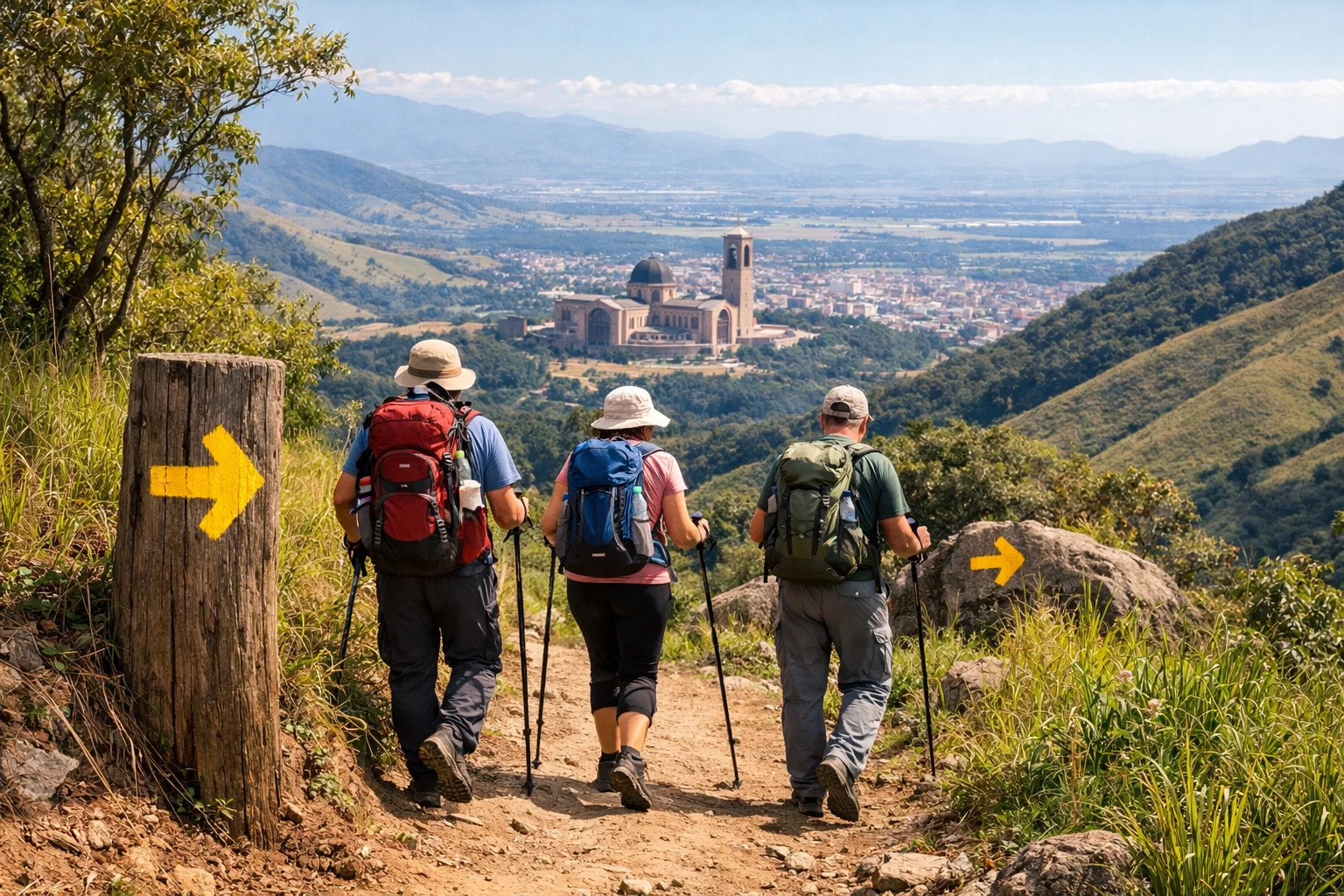


Caminho da Fé Combines Religious Tourism, Trails in the Mantiqueira Mountains, and Self-Discovery Experience Ending at the National Shrine of Aparecida
The Caminho da Fé has established itself as the main religious pilgrimage route in Brazil, bringing together thousands of travelers seeking much more than a simple walk. Inspired by the famous Camino de Santiago de Compostela, in Spain, the Brazilian route traverses stunning landscapes, rural communities, and trails in the Mantiqueira Mountains, leading pilgrims to the National Shrine of Aparecida, in the interior of São Paulo.
The information was released by the portal “Casa e Jardim,” which highlighted the growing popularity of this spiritual journey. According to the website, the Caminho da Fé combines elements of religious tourism, trekking, and cycle tourism, transforming the walk into a profound experience of introspection, physical challenge, and connection with nature.
Origin of the Caminho da Fé and Inspiration from Santiago de Compostela
The history of this Brazilian pilgrimage route officially began in 2003, when an organized structure was created to support pilgrims who were already making the walk to Aparecida independently.
-
More tolls! The Anchieta-Imigrantes system will start implementing charges in both directions with free flow on July 1st, a fee of R$ 19.35 per segment, the end of toll plazas, and a project for a new 21.5 km lane.

-
A Brazilian city has a water park in the middle of the forest with tickets priced at R$ 29, over 300,000 m², 40 attractions, heated pools, and a record of 700,000 visitors in one year.

-
With an unusual prize, Japan transforms office chairs into a resistance race on the streets, ISU-1 Grand Prix grows, fills stages, and pays 90 kilograms of rice.

-
House in England with a 7.6-meter shark embedded in the roof attracts attention worldwide and becomes a curious attraction in Oxford.


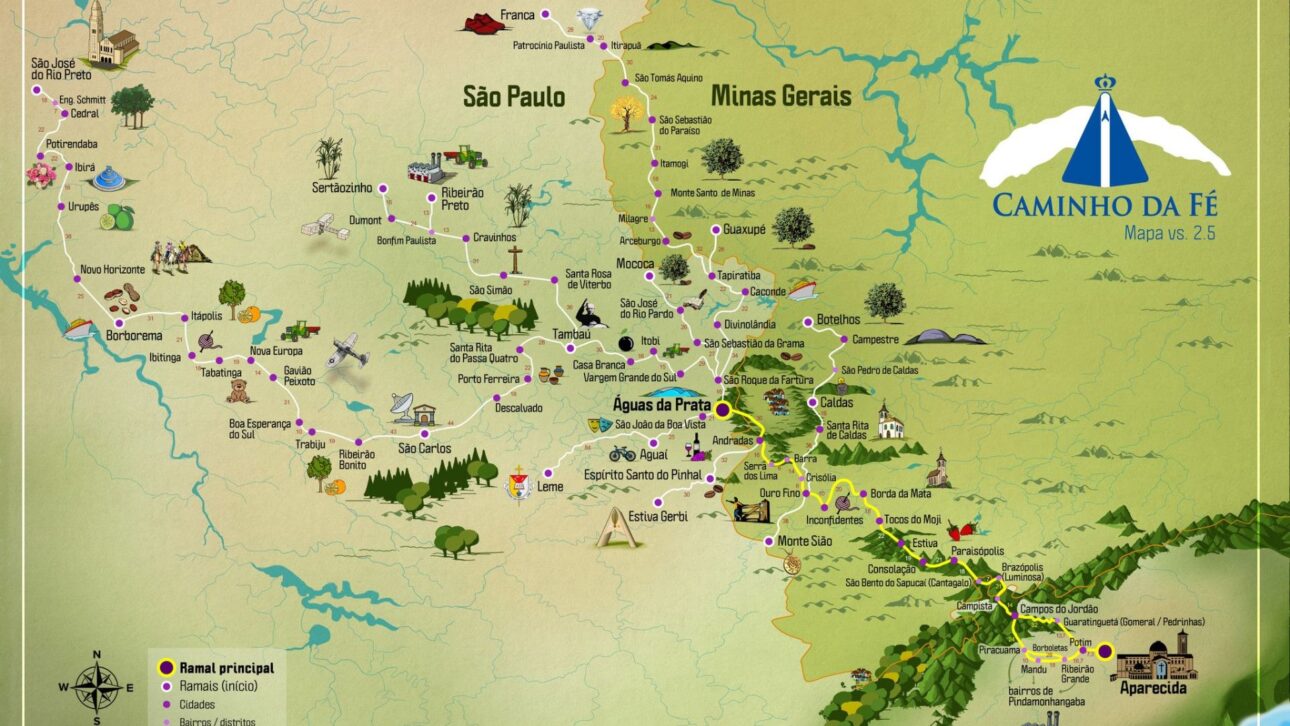
Initially, the main starting point of the trail was in the city of Águas da Prata, but over the years the route was expanded. Thus, old rural roads from various municipalities in the states of São Paulo and Minas Gerais became part of the path.
Today, the Caminho da Fé has become one of the most remarkable experiences for those seeking spiritual tourism in Brazil. Along the way, travelers follow the famous yellow arrows, a symbol of the route that guides pilgrims for hundreds of kilometers.
During the walk, participants traverse preserved areas of the Atlantic Forest, travel along dirt roads, and visit small communities in the countryside. In these localities, it is common to find residents who welcome pilgrims with hospitality, offering homemade meals and stories from the region.
Consequently, the experience goes beyond physical activity. Many pilgrims report moments of reflection, spirituality, and self-discovery during the journey.

Distances, Routes, and Important Tips for Those Who Want to Start
Currently, the Caminho da Fé has over 700 kilometers in length, distributed across different branches that can be traversed according to the traveler’s experience level.
Despite the total long distance, pilgrims do not need to cover the entire route all at once. There are several alternative routes that allow adjusting the walk according to the available time and physical preparation.
For those who are just beginning, for example, one of the most recommended routes starts from the Minas Gerais city of Paraisópolis. This section is considered the shortest and is about 135 kilometers to the Shrine of Aparecida, making it an ideal option for beginners.
For those seeking a more complete experience, there is the so-called classic route of the Caminho da Fé. This route starts in Águas da Prata (SP) and has approximately 318 kilometers in length.
On average, pilgrims take between ten and twelve days of walking to complete this journey. Therefore, the path requires physical preparation and adequate planning.
In addition, experts recommend that travelers research updated information before starting the trail. Checking details about altimetry, accommodations, support points, and essential backpack items can prevent unforeseen events during the journey.
Caminho da Fé Consolidates as One of the Largest Pilgrimage Routes in Brazil
Over the years, the Caminho da Fé has gained national recognition and has begun to attract not only religious devotees but also practitioners of trekking and cycle tourism.
This happens because the route combines unique elements: spirituality, stunning natural landscapes, and physical challenges that test the endurance of the pilgrims.
During the journey, it is possible to cross the mountains of the Mantiqueira Mountains, walk along rural roads, and contemplate scenes that reveal the natural diversity of the Brazilian interior.
For this reason, the route is often compared to the Camino de Santiago de Compostela, one of the most famous pilgrimage routes in the world.
However, the Caminho da Fé has its own identity, marked by the hospitality of local communities and the strong devotion to Our Lady of Aparecida, the patroness of Brazil.
At the end of the walk, pilgrims arrive at the National Shrine of Aparecida, considered the largest center for religious pilgrimage in Latin America. For many travelers, this moment represents not only the end of the physical journey but also the conclusion of a transformative experience.
Source: São Paulo Secreto

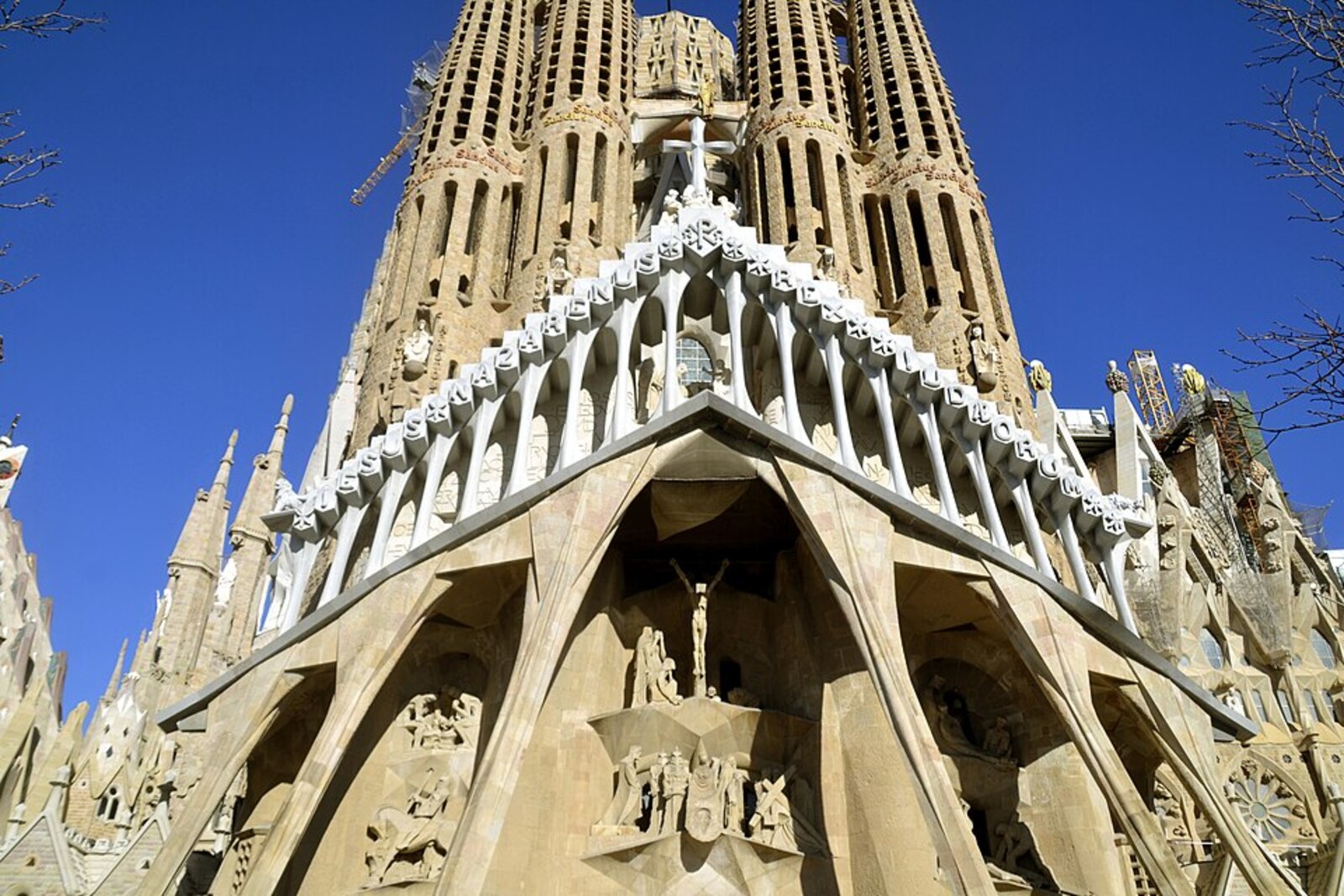




Até a romaria espiritual tem que ser comprada á Santiago se Compostela ? O Brasil é genuíno gente! Nào há necessidade de comparação!