





 Portuguese
  English
  Spanish
  4 min of reading
  0 comments


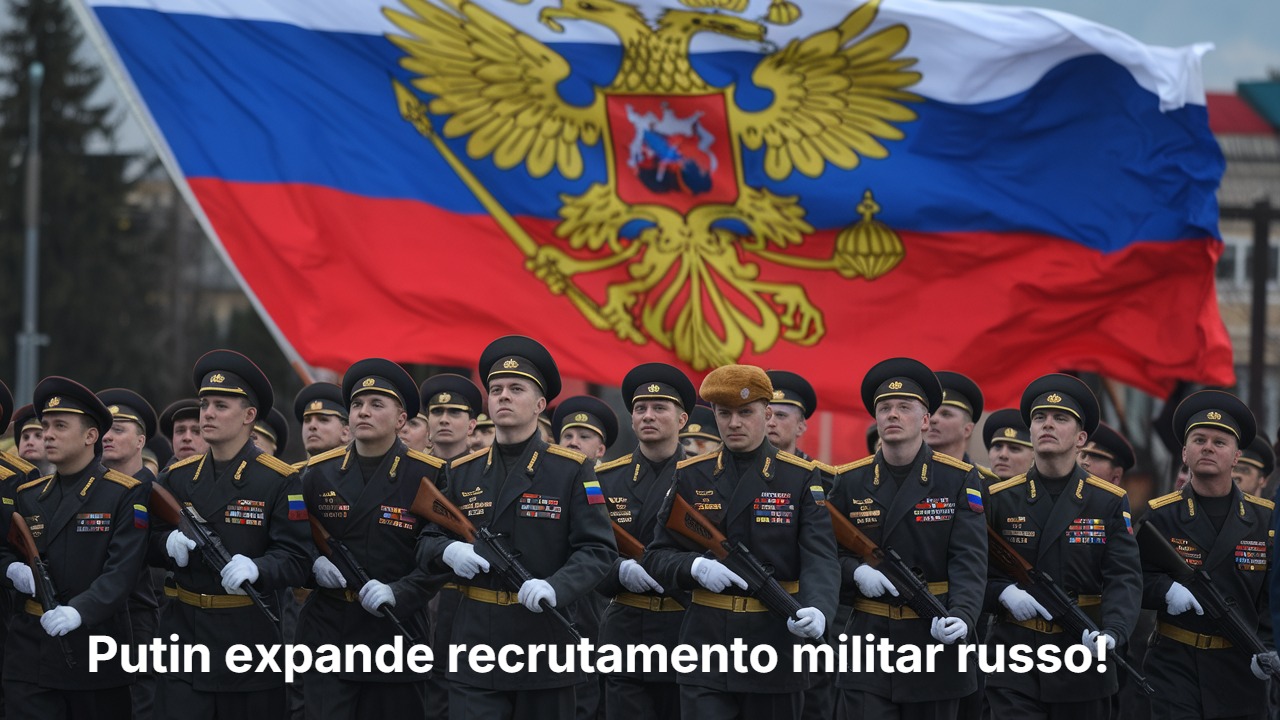
Putin Expands Military Recruitment and Increases Offensive in Ukraine: The Beginning of a New Phase of the Conflict?
The Kremlin announced significant changes to the military recruitment regime, widening the call-up base to reinforce its troops on the Ukrainian front. The decision, which aims to compensate for losses and strengthen Russian offensives, raises concerns about an even greater escalation of the conflict.
Since the start of the war on February 24, 2022, Russia has adopted different strategies to maintain its active military contingent. However, with the accumulated losses over the course of the fighting and Ukraine’s resistance, Moscow is now adopting a more aggressive approach to recruit new soldiers.
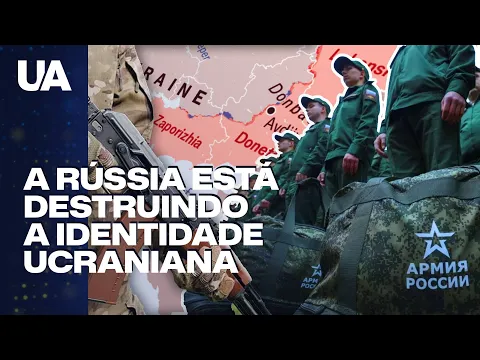

The change directly affects military-age youth, reservists, and possibly citizens from annexed regions. With this expansion of recruitment, the Russian government is betting on a significant increase in combat strength to ensure strategic advances in contested territories. But to what extent can this measure accelerate the war and compromise the stability of the region?
-
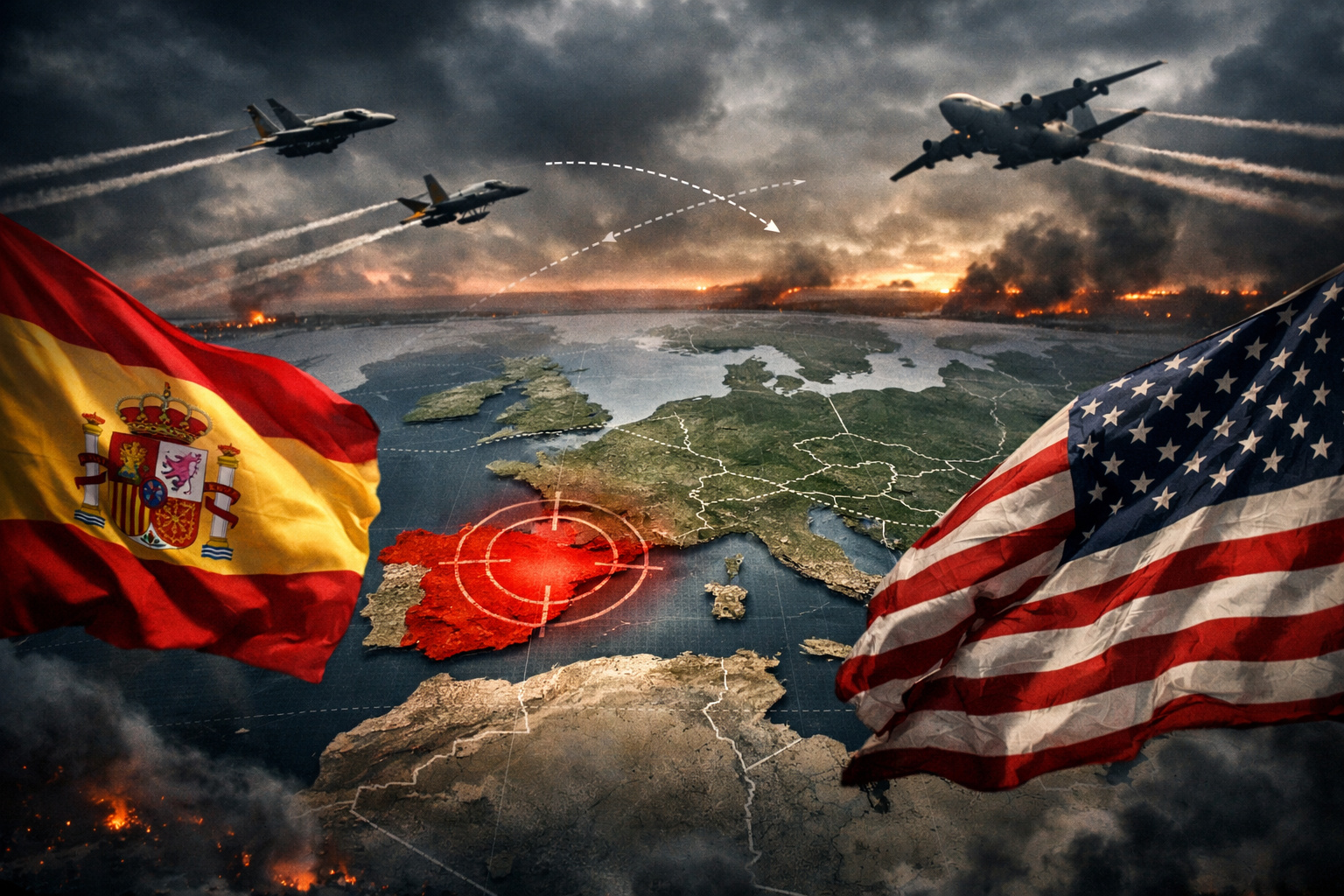
Spain challenges the USA and closes its airspace for operations against Iran, raising global tension and provoking the threat of a trade rupture.
-
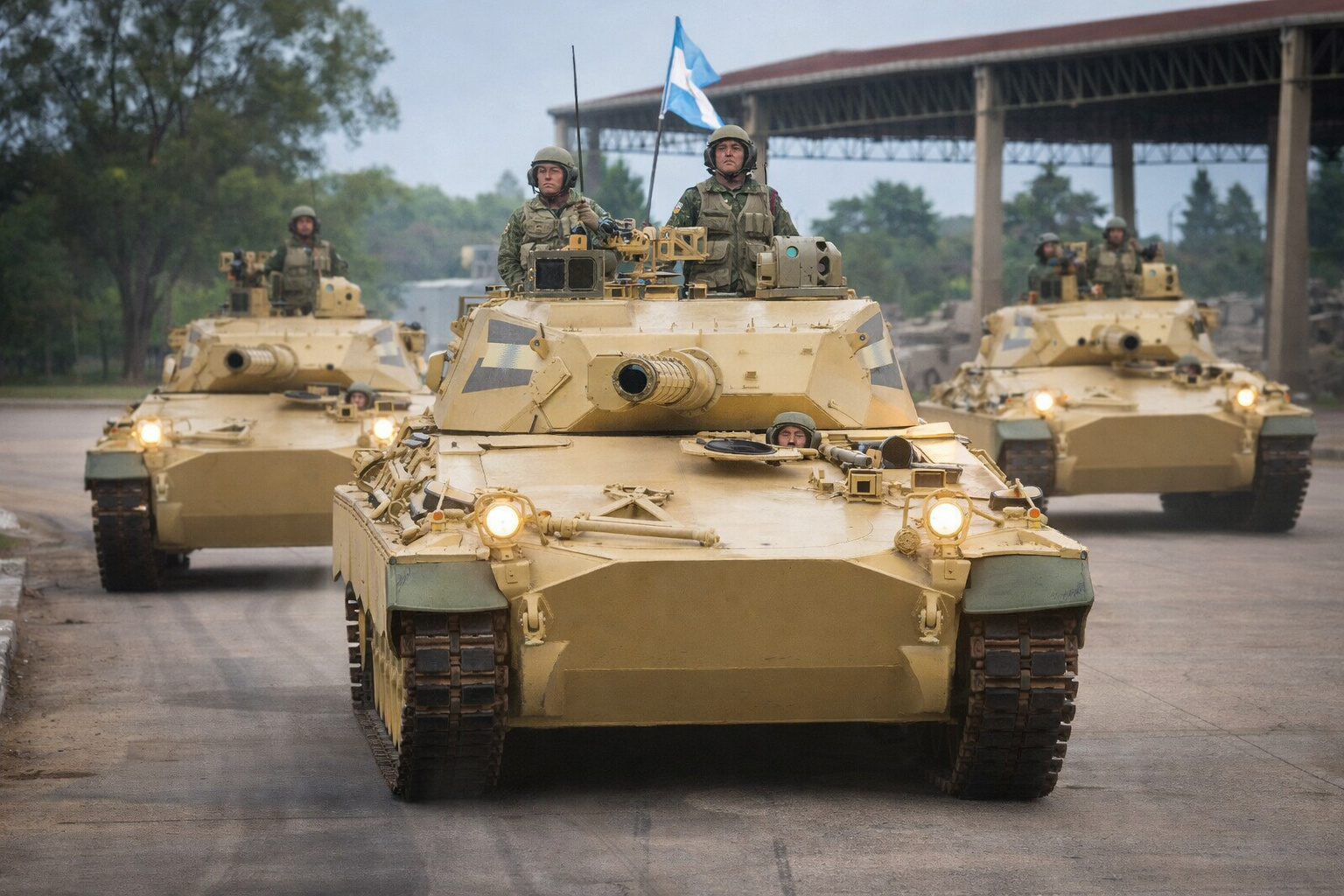
While no other country manufactures tanks in Latin America, Argentina activates the TAM 2C-A2 and raises a curiosity about the technological lag in the region.
-
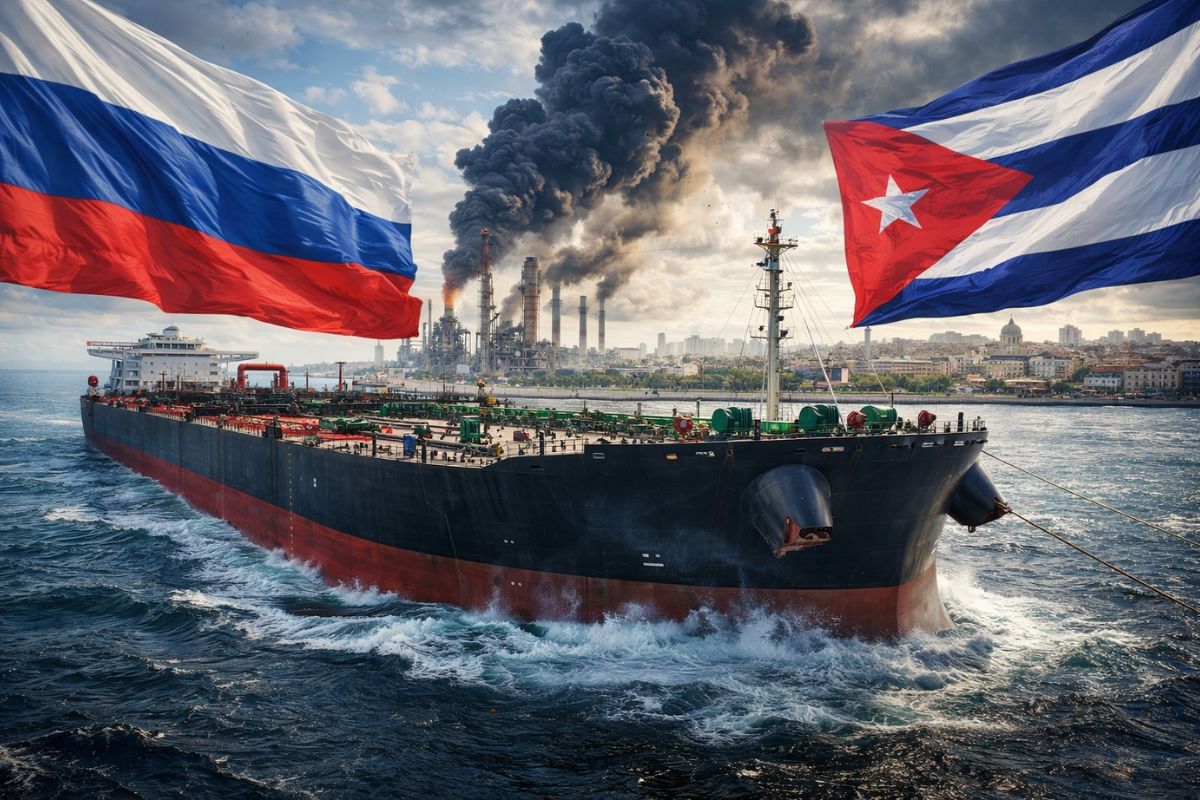
A Russian ship with 730,000 barrels of oil has just arrived in Cuba while Mexico negotiates fuel sales through private companies: the communist island is desperately seeking alternatives after losing its supply from Venezuela due to American military action.
-
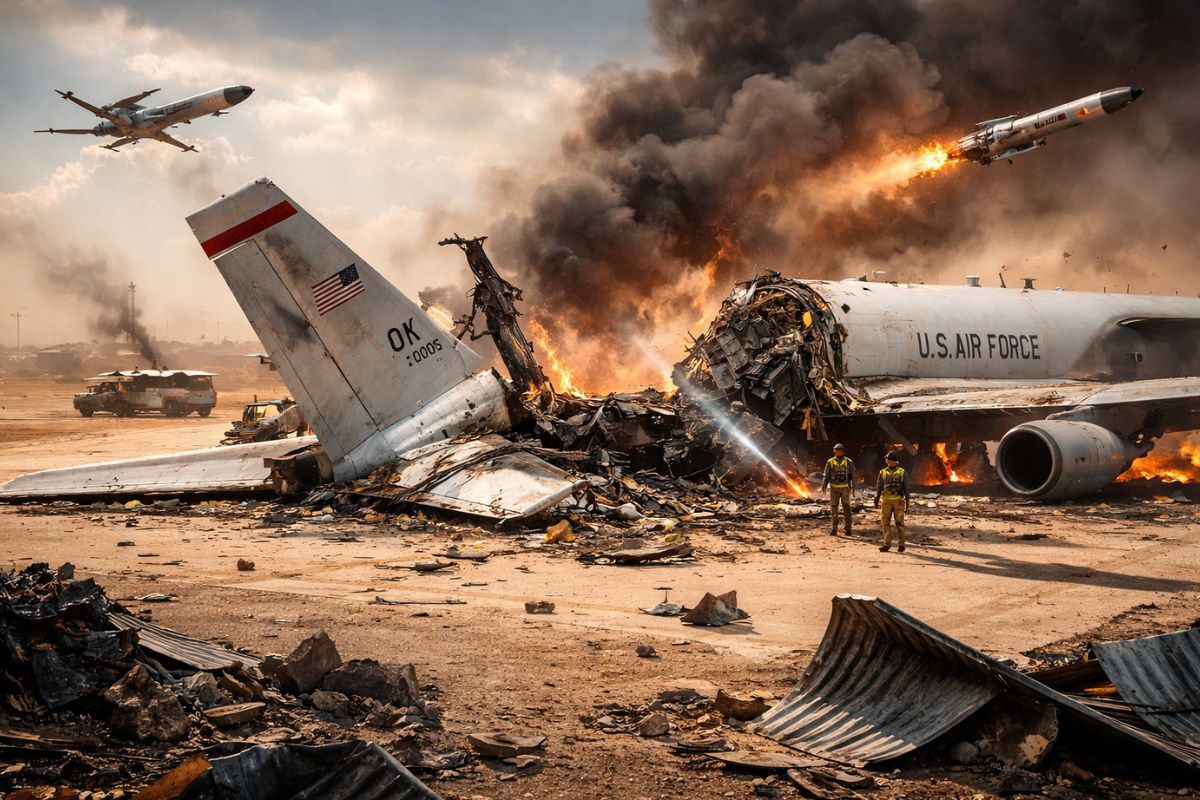
Iranian drones and missiles destroyed a 270 million dollar American spy plane in Saudi Arabia, splitting the E-3 Sentry aircraft in half and injuring 12 military personnel in an attack that exposes the vulnerability of U.S. bases in the Persian Gulf.

Russia Expands Recruitment to Reinforce Its Army on the Front
According to information released by the Kremlin in February 2025, the new recruitment regime eliminates restrictions for calling up reservists and raises the maximum age for mandatory military service. According to the Russian government, the measure became necessary due to the “operational demands of the war in Ukraine.”
The reform foresees three main changes in military enlistment:
- The maximum age for mandatory military service increases from 27 to 30 years, allowing for the call-up of a broader age range.
- Inactive reservists will be called more frequently, even without recent combat experience.
- New guidelines broaden the possibility of recruitment in the regions of Donetsk, Lugansk, Zaporizhia, and Kherson, territories annexed by Russia, where residents may now be obliged to serve in the military.
The Russian Defense Minister, Sergei Shoigu, stated that the expansion of recruitment aims to strengthen Russian forces and accelerate advances in strategic regions of Ukraine. However, Western analysts warn that the measure may indicate difficulties for Moscow in maintaining a sufficient contingent on the battlefield.
The Impact of New Recruitment on the War Against Ukraine
The decision to increase the military contingent may change the course of the conflict in the coming months. With more soldiers available, Russia can intensify attacks in strategic cities like Avdiivka and Kupiansk, where it has already made advances since October 2024.
Moreover, the increase in troop numbers may allow Moscow to sustain more prolonged offensive operations without relying on emergency mobilizations, as occurred in 2022 and 2023. However, this expansion of recruitment also poses risks for the Russian government itself.
Internally, the call-up of new soldiers may generate public dissatisfaction, especially among families fearful of seeing their children sent to the front. Protests against mobilization have already been recorded in cities like Moscow and Saint Petersburg on previous occasions, and a new uprising could undermine the government’s narrative that the “special military operation” is under control.
The West Reacts to the Expansion of Russian Military Recruitment
The change in Russia’s enlistment policy generated immediate reactions in the West. NATO countries warn that the increase in personnel may indicate an extension of the war and a new escalation of the conflict.
The United States, through the State Department, expressed concern about the measure’s impact on European security. According to diplomatic sources, Washington is considering the possibility of providing more military support to Ukraine if Russian forces amplify their attacks.
In Europe, leaders such as German Chancellor Olaf Scholz and French President Emmanuel Macron classified the Russian decision as a sign that Moscow is not seeking diplomatic negotiations but rather a military victory at any cost.
Meanwhile, Ukraine faces challenges in keeping its troops on the battlefield. Desertions in the Ukrainian army are increasing, and the government of Volodymyr Zelensky needs to reassess its defense strategies in light of the new Russian threat.
The change in Russia’s military recruitment regime, as announced by the Kremlin, signals a new phase of the war. With more soldiers available, Moscow can intensify its offensive and increase pressure on Ukraine, making peace negotiations even more difficult.
On the other hand, the expansion of enlistment may generate internal resistance and discontent within Russian society, putting Vladimir Putin’s government in front of new political challenges.
Will this mobilization lead to a quicker Russian victory or provoke more instability within the country itself? Will Ukraine and the West be able to react in time?







Seja o primeiro a reagir!