





 Portuguese
  English
  Spanish
  4 min of reading
  4 comments


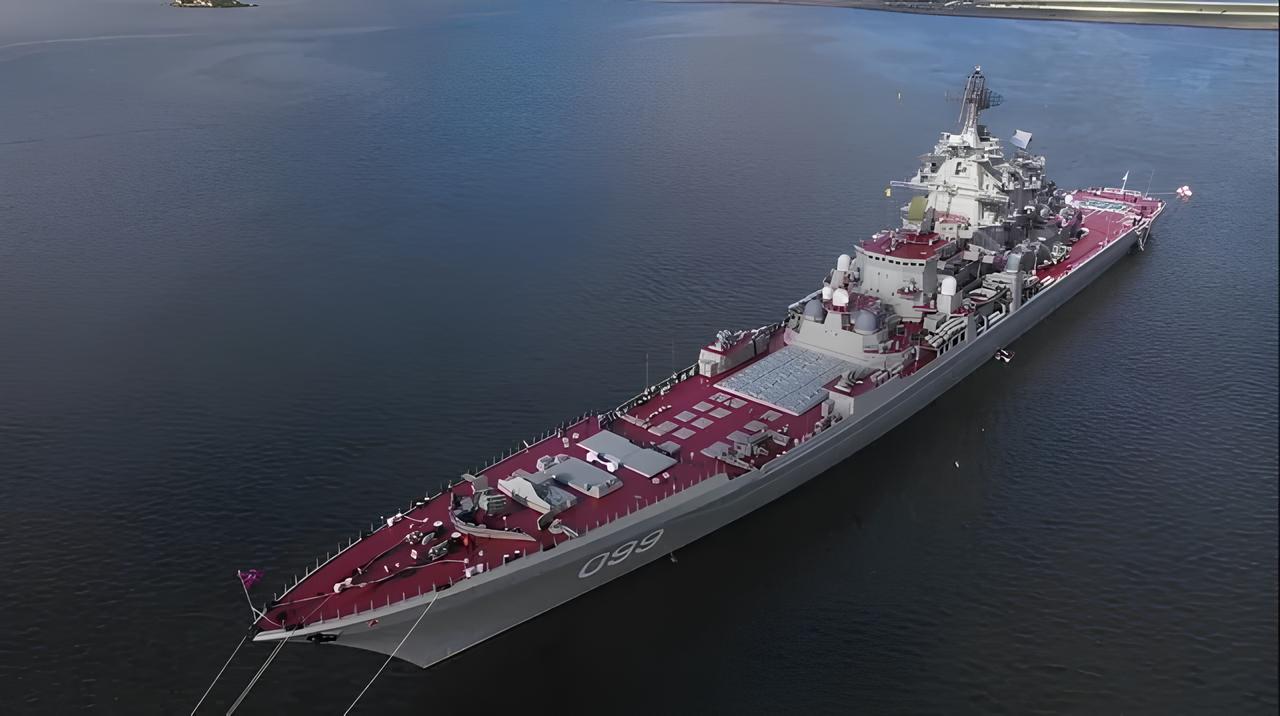


With 252 m and up to 28,000 t, the Kirov cruisers used nuclear propulsion and heavy missiles to hunt aircraft carriers, becoming the largest surface combatants of the modern era.
When the Soviet Union decided to respond to the supremacy of the United States’ aircraft carrier groups, it did not bet on discreet ships or gradual solutions. The response was colossal. Thus, the Kirov class was born, officially designated as nuclear-powered guided missile heavy cruisers, designed to operate alone or as the center of a task force, with firepower sufficient to threaten an entire carrier group.
The concept behind the Kirov was straightforward: to bring to sea a ship capable of locating, tracking, and destroying enemy aircraft carriers hundreds of kilometers away, sustaining this power for long periods thanks to nuclear propulsion. In a world divided by blocs and surrounded by the real possibility of total war, the Kirov represented the pinnacle of Soviet naval ambition.
A Colossus Powered by Nuclear Energy
The first shock when observing a Kirov comes from the dimensions. At about 252 meters in length and a displacement that can reach 28,000 tons when loaded, it surpasses modern destroyers and approaches the size of small aircraft carriers.
-
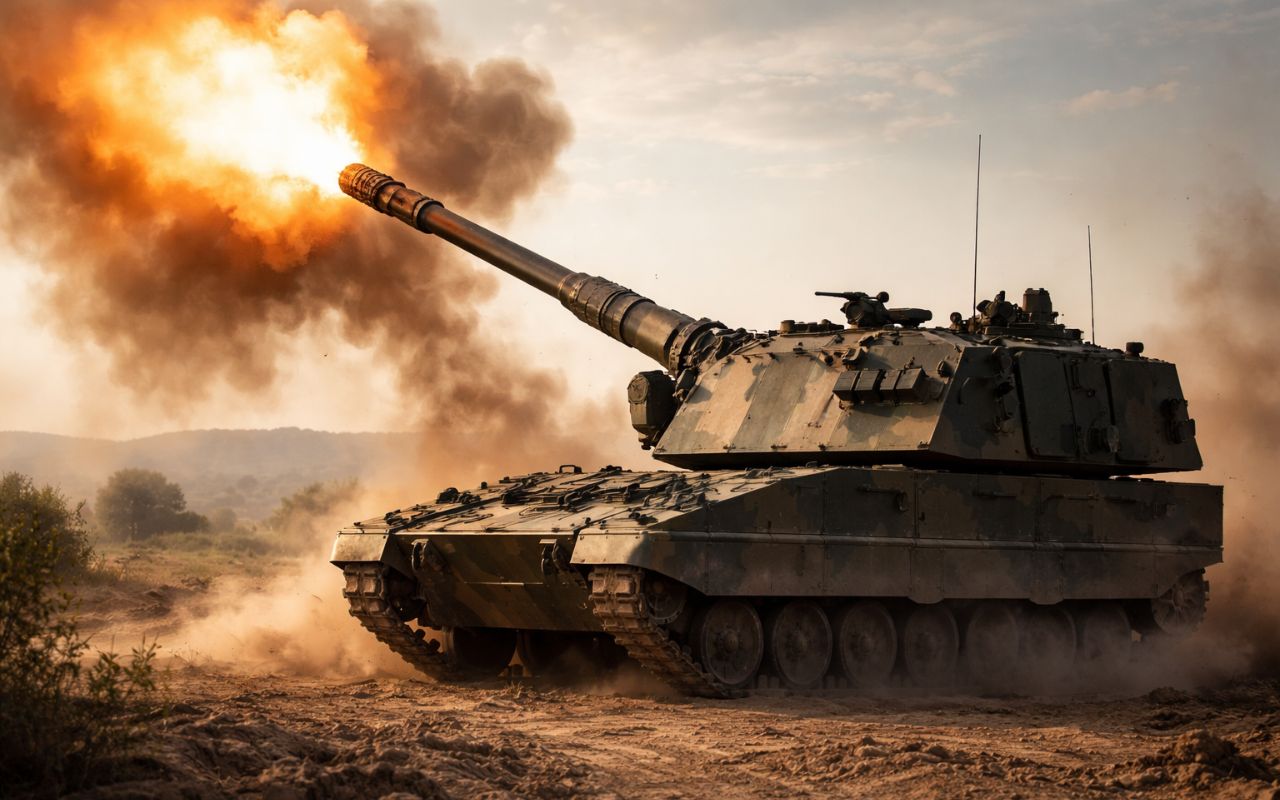
The German “steel monster” weighing 55 tons fires up to 10 projectiles per minute at over 40 km and avoids counterattacks on the battlefield by moving quickly to escape enemy attacks; meet the Panzerhaubitze 2000.
-
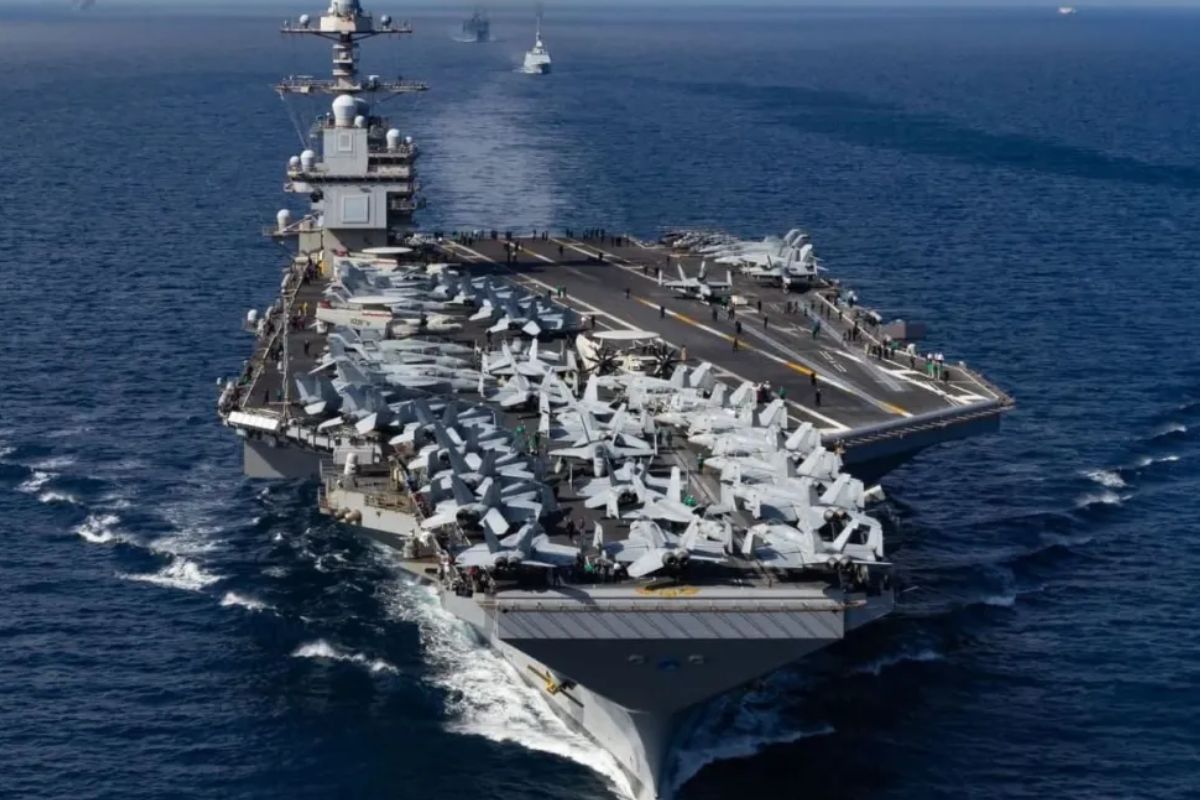
USS Gerald R. Ford, the largest aircraft carrier in the world, returns to sea after a fire in the laundry in the Red Sea; repaired in Crete, it resumes missions of Operation Epic Fury against Iran.
-
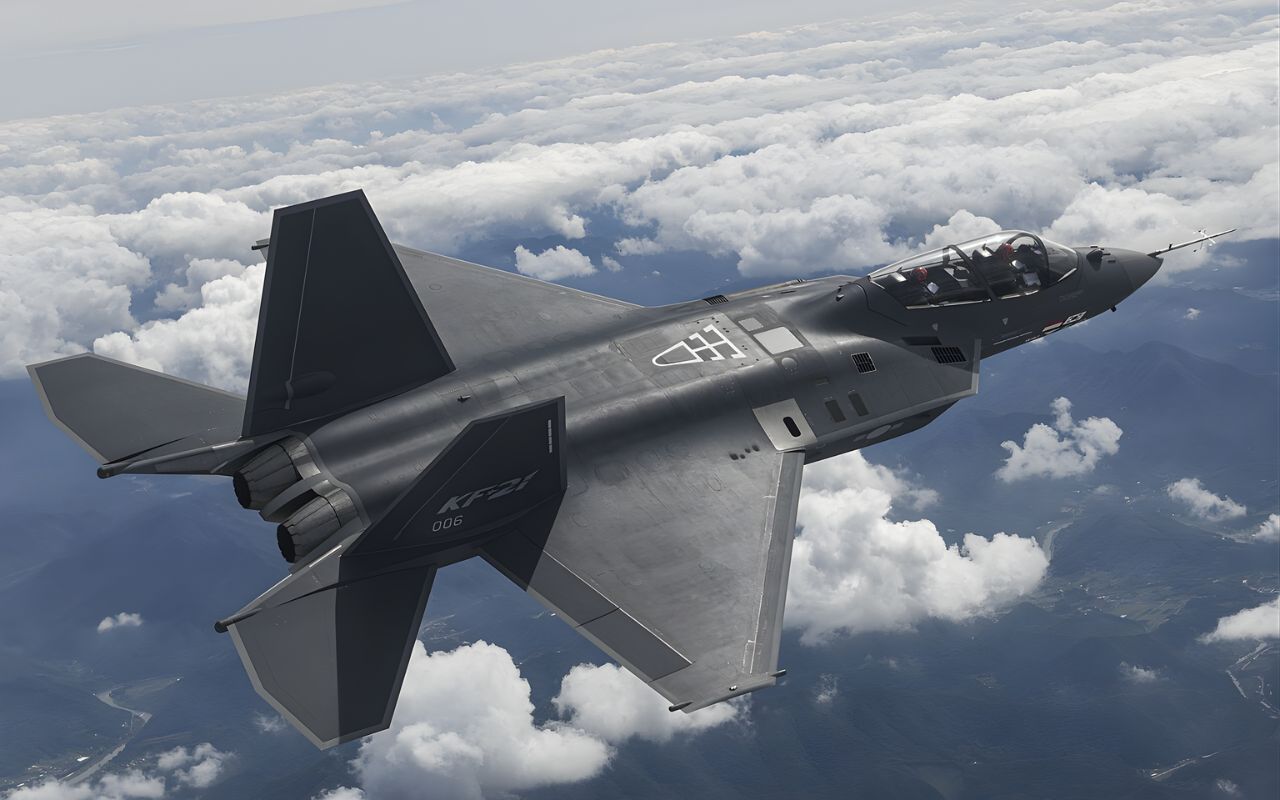
Military power: South Korea’s new KF-21 fighter jet will be a key component in replacing the aging aircraft of the air force, placing the country on the map of air military powers.
-
With 310 meters, 80 thousand tons, and capable of operating for 45 years, the new nuclear aircraft carrier France Libre will be the largest in France and will enter service in 2038.

This size was not an aesthetic exaggeration; it accommodated a very rare propulsion system for surface ships.
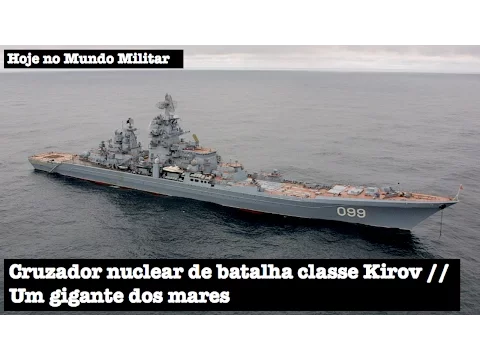

Each unit received two KN-3 nuclear reactors, complemented by steam boilers, forming a hybrid arrangement capable of generating approximately 140,000 shp. This allowed speeds in the range of 31 to 32 knots, in addition to virtually unlimited range in terms of fuel.
The ship could remain at sea for months, limited more by provisions and crew than by energy.
This choice reflected a clear doctrine: an ocean hunter that did not depend on frequent refueling, capable of operating in any naval theater, including the North Atlantic and the Pacific, far from Soviet bases.
An Arsenal Designed to Destroy Aircraft Carriers
The heart of the Kirov has always been its anti-ship armament. The first units carried 20 heavy P-700 Granit cruise missiles, each weighing about 7 tons. These missiles were designed to attack in swarms, share data in-flight, and select priority targets automatically, a highly advanced idea for the 1970s and 1980s.
A single coordinated launch had the potential to saturate the defenses of a carrier group, exploiting gaps in missile defense systems and hitting the target with powerful conventional warheads or nuclear warheads if the conflict escalated.
But the Kirov was not merely an anti-ship missile launcher. It was designed as a layered defense ship, something rare at the time. Long-range, medium-range, and short-range missile systems protected the ship against enemy aircraft and missiles, while automatic cannons and torpedo launchers ensured close defense and anti-submarine warfare.
Sensors and Command on Strategic Cruiser Scale
To fulfill its mission, the Kirov needed to see far. The ship received a bulky set of radars, visible from a distance, capable of detecting aerial and surface targets over large areas. Integrated with onboard helicopters and, indirectly, with Soviet ocean surveillance satellites, the Kirov was part of a reconnaissance chain designed to track enemy naval forces in almost real-time.
In practice, this transformed the cruiser into a floating command center, capable of coordinating attacks, escorting other ships, and acting as a strategic deterrent.
The presence of a Kirov in a given region was, in itself, a clear geopolitical message.
Costs, Complexity and the End of the Supercruisers Era
All this grandeur came at a price. Building and maintaining a Kirov was extremely expensive, even by Soviet military standards. The operation of nuclear reactors on surface ships required highly specialized crews, constant maintenance, and complex infrastructure at shipyards.
With the collapse of the Soviet Union, this equation became even more difficult. Of the four ships planned, only a few remained active over time, while others were decommissioned or awaited prolonged upgrades.
The naval doctrine itself changed. The proliferation of cheaper anti-ship missiles, silent submarines, and, more recently, hypersonic weapons reduced the need for giant, centralized platforms like the Kirov. The global trend began to favor distributed forces and less costly systems.
Modernizations and Strategic Legacy
Even so, the Kirov did not disappear from history. Modernization programs transformed the remaining units into platforms adapted to the 21st century, replacing outdated systems with more modern missiles, new radars, and updated electronics.
These updates reinforce the role of the ship as a symbol of naval power, more than as a replicable model.
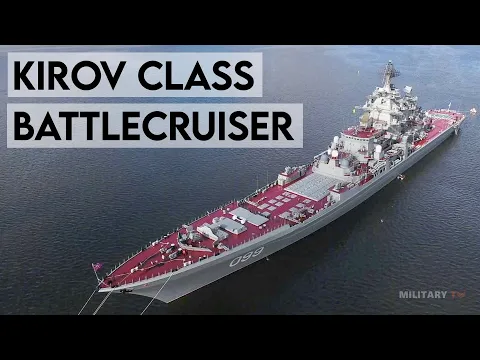
The true legacy of the Kirov class lies in what it represented: the moment when naval engineering pushed the idea of an independent, nuclear-powered surface ship capable of taking on an entire group of aircraft carriers to its limits. No other navy has dared to invest in something so large and specialized.
Today, the Kirov remains as operational relics of an era where size, brute power, and strategic presence were considered the best response to the balance of terror. A floating reminder of how far superpowers were willing to go to secure superiority on the oceans.








28 ton?
Los puros misiles son 140 toneladas 🤦. El punto que atribuyes es error del traductor ok
En el pasado cuando estaban activas las veces que se toparon con la us navy perdieron huyeron y hoy en día Rusia no tiene proyecto para invertir en tecnología nuclear. Lo único que a putin Le interesa de energía nuclear es dinero. Reactores para dar energía a las ciudades y en cuanto a barcos, los únicos nucleares que Rusia tiene hoy en día son los rompehielos para destruir el ártico por oil.
Rusia no ha optado por tener portaviones. Mas bien su idea es destruirlos con los nuevos misiles hipersonicos. Es impresionante ver al renovado crucero Nakhimov surcar nuevamente los mares.