





 Portuguese
  English
  Spanish
  3 min of reading
  0 comments


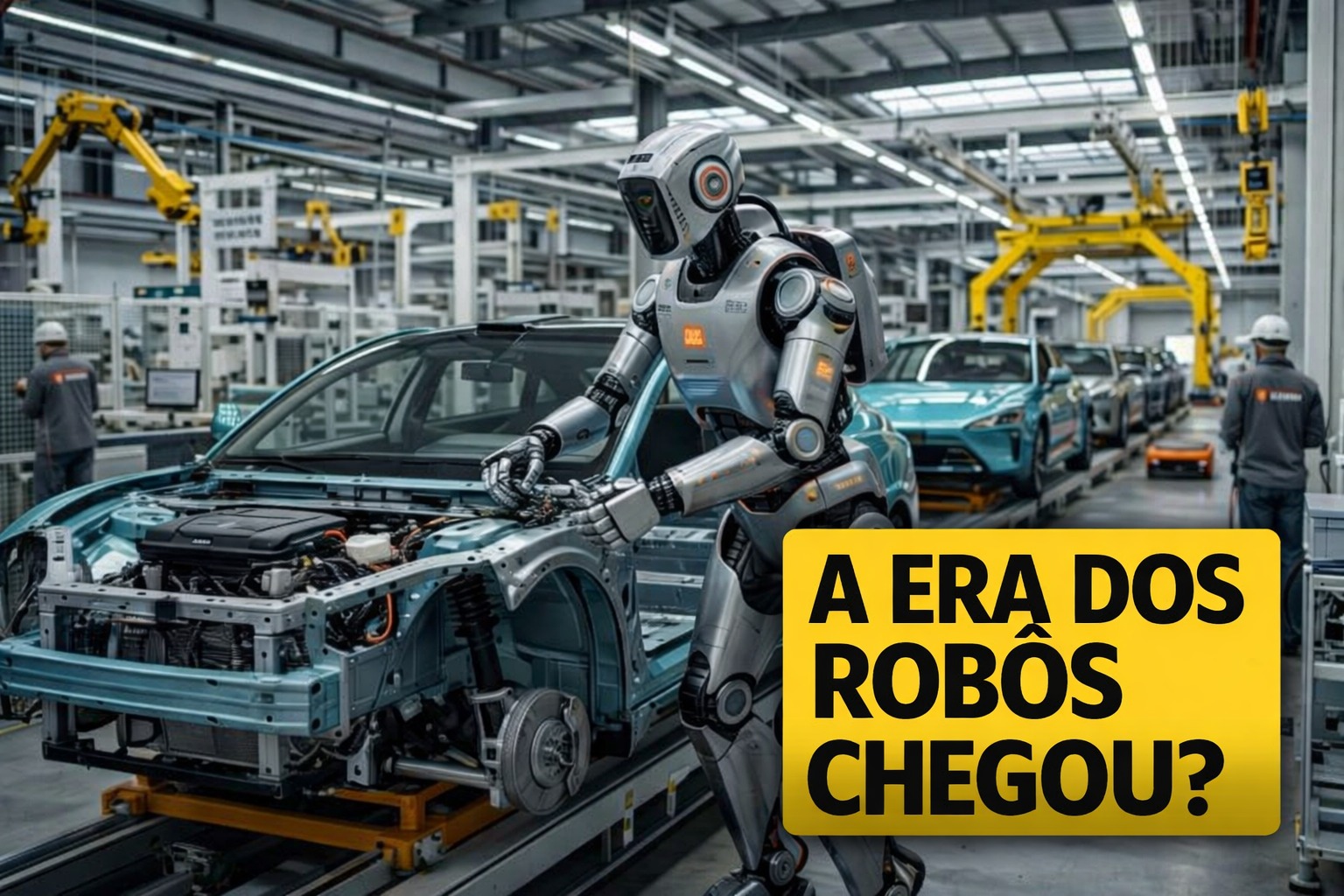
Xiaomi Starts Testing Humanoid Robots in Car Factories Using Artificial Intelligence to Perform Repetitive Tasks and Assess Industrial Integration Over the Coming Years
The typical scenario of science fiction may be approaching industrial reality. Xiaomi has begun testing humanoid robots in its car factories, integrating the machines into actual production and assessing their performance in repetitive tasks within the assembly lines.
Testing Humanoid Robots in Factories
Xiaomi has started to insert humanoid robots directly into industrial environments. Unlike controlled demonstrations, the machines are already operating within the company’s car units, participating in real activities of the manufacturing process.
According to Lei Jun, CEO of the company, the tests are taking place inside the factories responsible for car production.
-
Scientists have finally discovered where the plastic that disappeared from the oceans went, and the answer is frightening: it fragmented into such tiny particles that they became invisible and now there are 27 million tons of nanoplastic just in the North Atlantic.

-
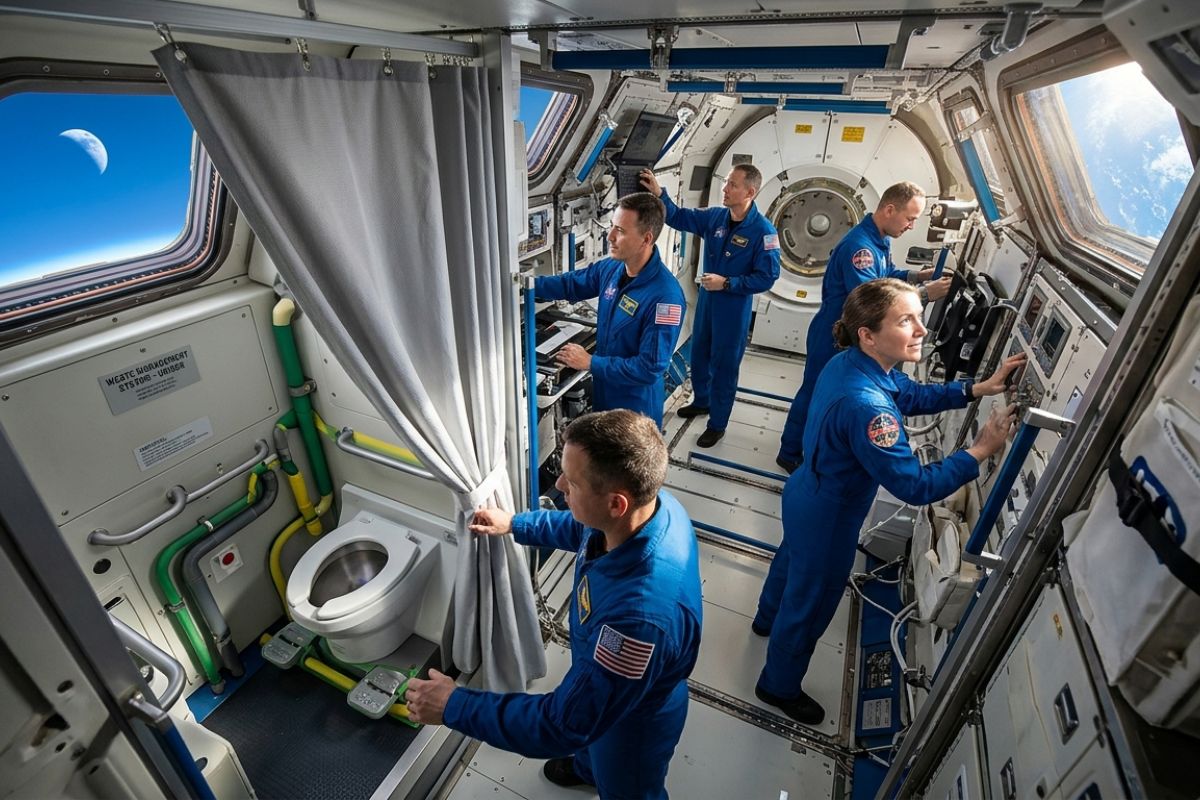
The Artemis II mission will take the Orion capsule back to the vicinity of the Moon with four astronauts, a private bathroom with a curtain, a system adapted for men and women, and a level of comfort that highlights how the Apollo era operated at the rawest limits of space exploration.
-
Giant structures on the seabed precisely control oil and reveal how high-tech underwater valves work.

-
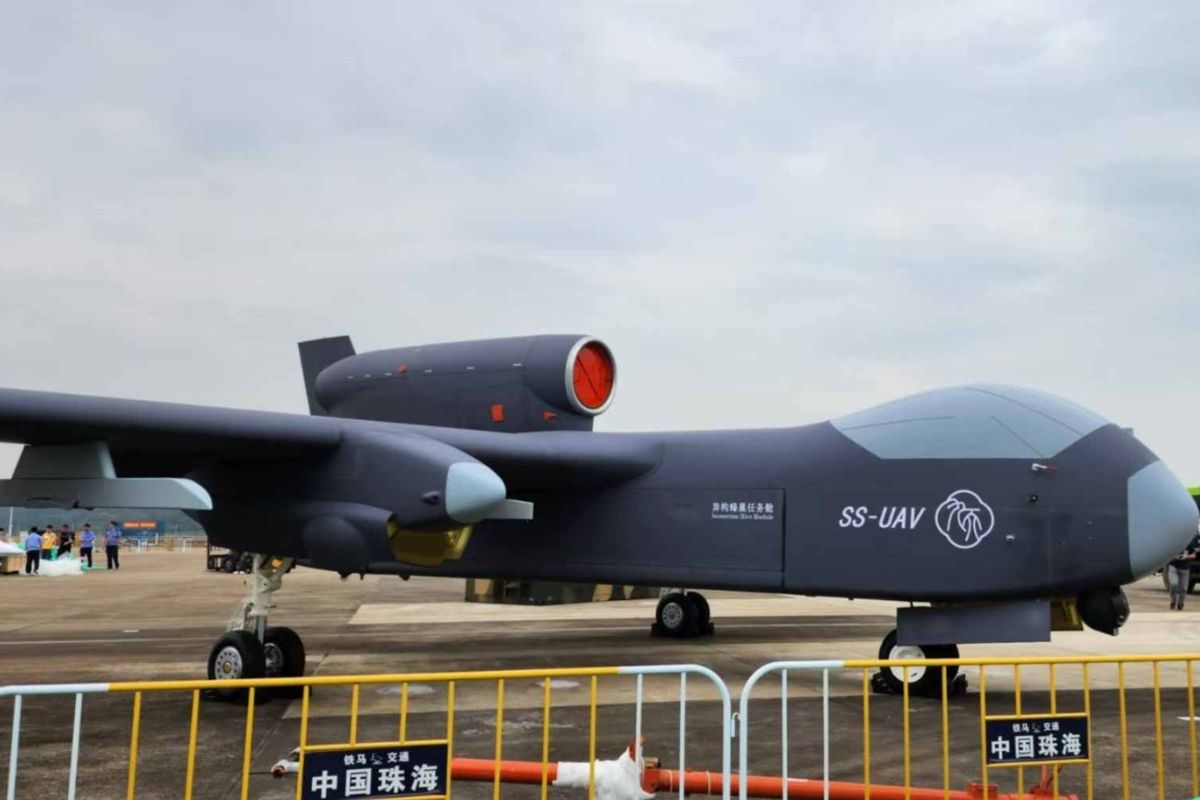
China has just tested a giant drone the size of a fighter jet with a wingspan of 25 meters that carries 6 tons, flies for 12 hours, and the most frightening part: it can launch entire swarms of smaller drones directly from the air.

The robots perform specific tasks at assembly stations, allowing for the evaluation of their performance under operational conditions.
Among the tasks performed are loading self-tapping nuts and transporting material boxes along the production line. These tasks are repetitive but require coordination and precision during execution.
Artificial Intelligence Guides the Humanoid Robots
The project is based on an artificial intelligence model called Xiaomi-Robotics-0. The system uses a vision-language-action model, known as VLA, which combines multimodal perception with reinforcement learning.
This approach allows the humanoid robots to connect what they observe in the environment with the instructions received and the actions needed to carry out a specific activity.
Multimodal perception involves the use of computer vision, sensors, and processing of different types of data. Over time, the system adjusts the behavior of the machines based on the experience gained.
Expanding Functions Within Production
The company intends to gradually expand the use of humanoid robots to other stations on the production lines.
The goal is to assess the extent to which the machines can integrate into industrial supply chains.
Unlike fully pre-programmed systems, the robots tested by Xiaomi have adaptability capabilities.
They associate visual information, received instructions, and executed actions, adjusting their performance as new situations arise.
This feature allows the machines to perform different tasks in the manufacturing environment, without being limited to just one specific function.
Performance Indicators and Reliability
To monitor the tests, the company tracks performance indicators such as the mean time between failures, known as MTBF, and the success rate in each task performed.
According to Lei Jun, the humanoid robots are becoming more reliable as they accumulate experience and receive software updates.
The values obtained in these metrics continue to increase as the system is optimized. The goal is to achieve a level of compatibility sufficient for large-scale use within the factories.
Broader Industrial Strategy
In addition to the automation of the factories themselves, the project is part of a broader strategy for the company. Xiaomi seeks to expand its operations beyond the smartphone market.
In recent years, the brand has begun investing in electric vehicles, advanced manufacturing, robotics, smart homes, and artificial intelligence.
While the advancement of technology is relevant to the industry, the development of humanoid robots also raises questions about the impacts on human labor and potential transformations in the job market.
With information from Tudo Celular.








Seja o primeiro a reagir!