





 Portuguese
  English
  Spanish
  4 min of reading
  0 comments


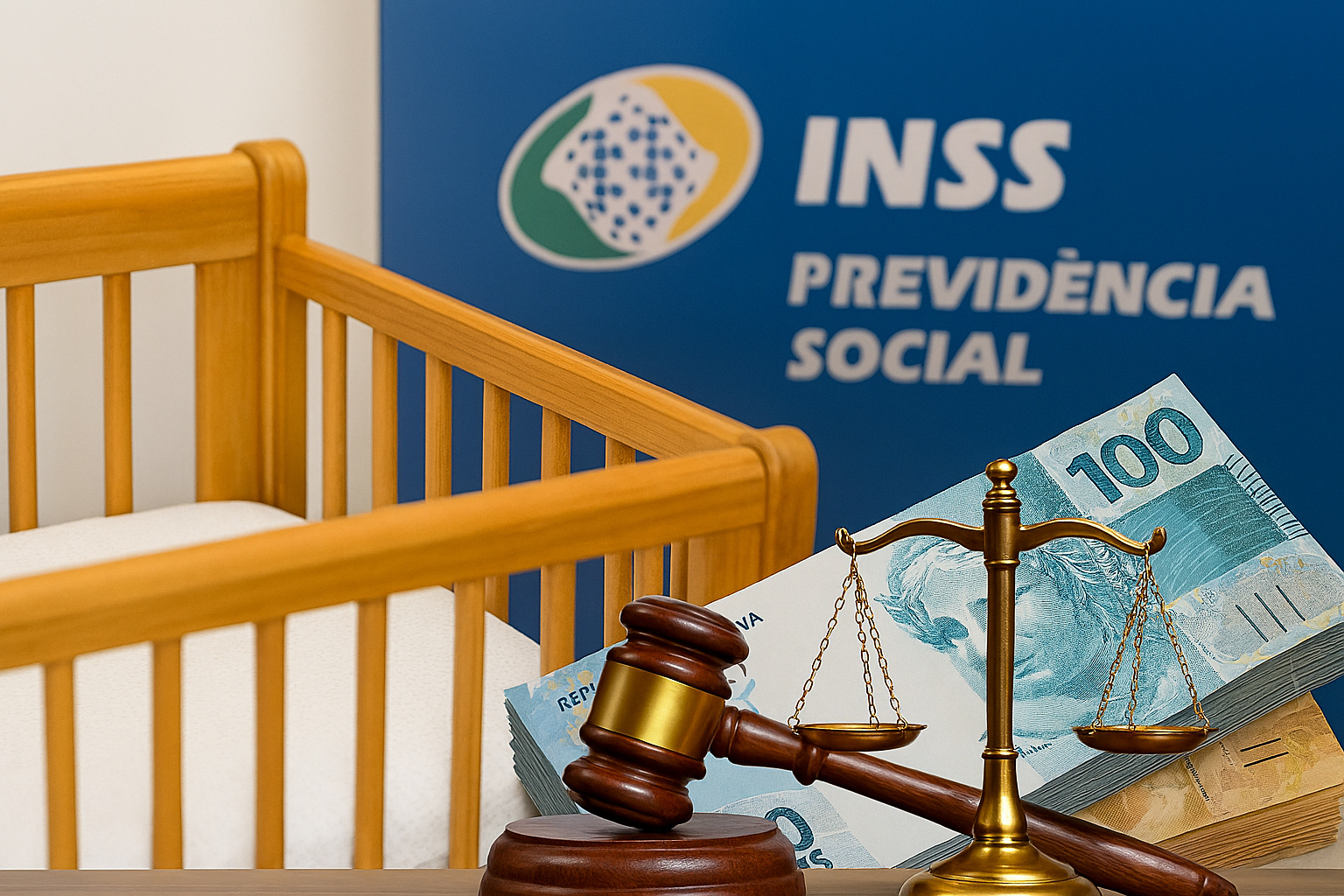
Maternity Leave, Created by Law 8.213/1991, Guarantees Income in Cases of Birth, Adoption or Guardianship, but Requires Minimum Contribution Period for Self-Employed, Voluntary Contributors, and Individual Micro-Entrepreneurs.
The maternity leave was created by Law 8.213/1991, the Social Security Benefit Law, and regulated by Decree 3.048/1999, which organizes the General Social Security Regime (RGPS). Since then, it has become one of the pillars of protection for mothers in Brazil, guaranteeing income during periods of leave for birth, adoption, or judicial guardianship for adoption purposes.
Historically, the benefit has always been granted automatically to registered employees, without any minimum contribution requirement. In contrast, for self-employed workers, voluntary contributors, and individual micro-entrepreneurs (MEIs), the rule was different: 10 monthly contributions were required to qualify for the benefit.
This difference resulted in social exclusion, as a significant portion of informal workers or those newly enrolled in Social Security could not meet the contribution period before the child’s birth, leaving them without access to protection.
-
The noise law will no longer be in effect at 10 PM starting in June with a new rule valid during the 2026 World Cup.

-
The Chamber opens a debate on driver’s licenses at 16 years old as part of a reform that includes around 270 proposals to change the Brazilian Traffic Code and may redesign rules for licensing, enforcement, and circulation in the country.

-
The new Civil Code could revolutionize marriages in Brazil with “express divorce” and changes that could exclude spouses from inheritance.

-
Banco do Brasil sues famous influencer for million-dollar debt and intensifies debate on delinquency, risks of seizure, and direct impact on Gkay’s credibility.

The Recent Change and the New Rule
In 2024 and 2025, the discussion resurfaced with new administrative interpretations from the INSS. The CUT (Unified Workers’ Central) reported that the agency relaxed the contribution requirements, allowing the benefit to be granted in some cases with only one contribution. This means that:
- For registered employees, nothing has changed: they continue to have immediate rights;
- For MEIs, individual contributors, and voluntary contributors, only one previous contribution before birth or adoption is necessary to secure the benefit;
- For special insured (rural workers), proof of agricultural activity is still required, but there is no minimum contribution period.
In practice, the change brings these categories closer to that of formal employees, expanding the reach of the benefit.


The Value of Maternity Leave in 2025
The benefit is paid for up to 120 days (4 months), with the possibility of extension in specific cases, such as adoption or multiple births.
The amount varies according to the worker’s category:
- Registered employees: receive the full salary amount, respecting the Social Security cap;
- Self-employed, MEIs, and voluntary contributors: the calculation is based on the average of contributions made;
- Special insured: receive a minimum wage.
In 2025, the INSS cap is set at R$ 7,786.02, but the maximum amount for maternity leave reaches R$ 6,072, as disclosed in social security manuals and widely reported by CUT and specialized lawyers.
Why This Change is Important
According to data from IBGE, more than 40% of working women in Brazil are in informal employment. This means that millions of workers were without access to maternity leave because they could not fulfill the 10-month contribution period.
With the new rule of only one contribution, reality changes:
- Social Inclusion: more mothers will have access to the benefit, including self-employed and micro-entrepreneurs;
- Financial Protection: ensures minimum income during the most delicate period of motherhood;
- Impact on Public Health: reduces the risk of early abandonment of work or lack of care for the newborn.
Jurisprudence and Legal Debates
The courts have already recognized the flexibility in specific decisions. Several federal courts have understood that the requirement of 10 contributions for maternity leave, when it comes to maternity protection, violates the principles of human dignity and the full protection of the child (articles 1 and 227 of the Constitution).
These decisions helped pave the way for the INSS to apply the rule more broadly in 2025.
Fiscal and Social Impacts
From a fiscal standpoint, expanding access to maternity leave increases expenses for Social Security. However, experts point out that this expenditure is offset by social and economic gains, as mothers with financial protection:
- Contribute to reducing infant mortality;
- Remain in the job market longer after leave;
- Reduce dependence on welfare assistance.
In other words, the immediate impact on public finances can be viewed as investment in human capital and public health.
The Political Debate
The measure was celebrated by union movements and women’s rights advocates, who see it as a historic victory. CUT highlighted that the flexibility meets a long-standing demand from informal and self-employed workers.
On the other hand, representatives from the business sector raise concerns about the impact on Social Security’s finances and call for increased oversight to prevent fraud, as a single contribution could be used opportunistically to secure the benefit.
Next Steps
Although already in application by the INSS, there is still debate in Congress about the need to turn the change into law. Bills are under consideration to consolidate this rule, avoiding legal uncertainty and divergent interpretations between agencies and courts.
Experts believe that, by 2026, the flexibility should be formally incorporated into legislation, consolidating mothers’ rights.
More Dignity in a Decisive Moment
The maternity leave is more than a benefit: it is a social pact to protect mothers and children at the beginning of life. By allowing that one single contribution to the INSS is sufficient to guarantee payment of up to R$ 6,072, the country takes an important step to reduce inequalities and expand the social safety net.
The big question now is: will this achievement be consolidated into definitive law or will it remain dependent on administrative acts and court decisions?
In the meantime, mothers across Brazil are beginning to feel the practical effects of a rule that can transform the future of motherhood in the country.










-

-

-

-

-

7 pessoas reagiram a isso.