





 Portuguese
  English
  Spanish
  5 min of reading
  0 comments


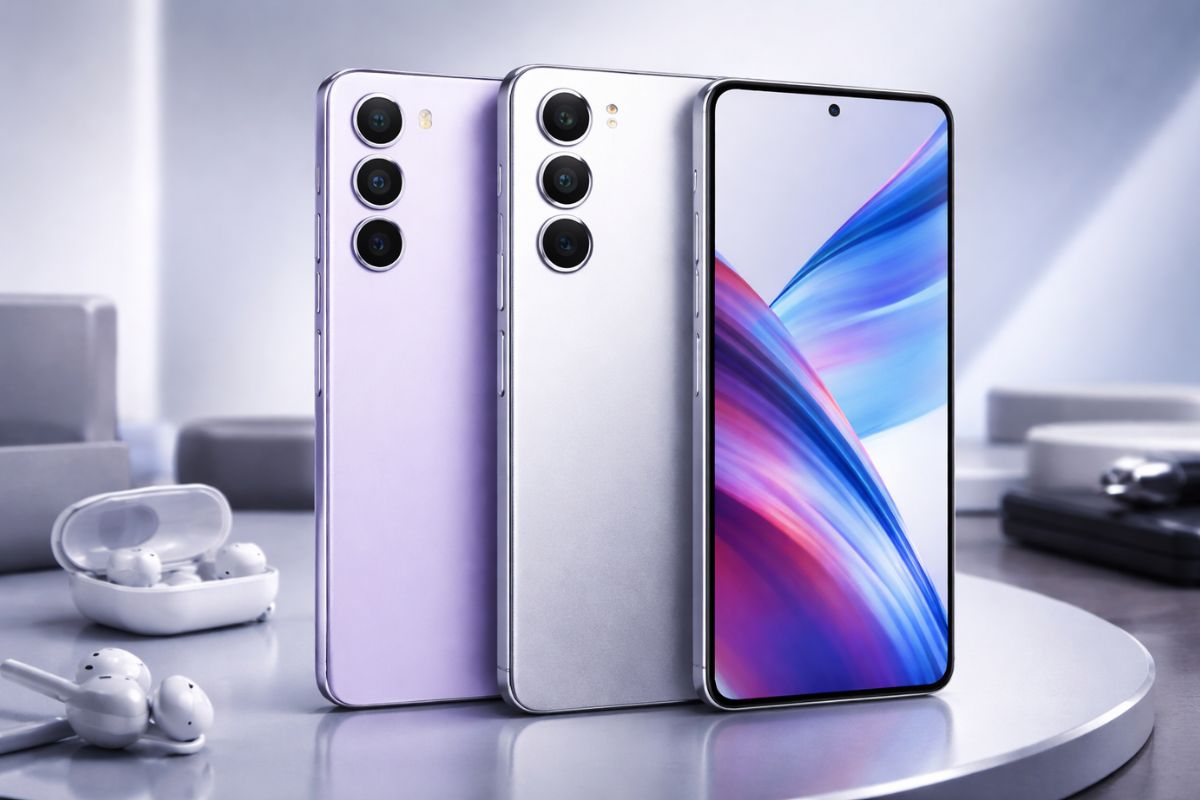
Samsung saw the Galaxy S25 FE plummet in price after the launch of the S26 line, and the device that was premium last year now delivers a 120 Hz AMOLED display, a camera with 3x optical zoom, an Exynos 2400 processor, and 7 years of updates for a fraction of the cost of the latest models.
When Samsung launched the S26 line, something unexpected happened with the previous model. The Galaxy S25 FE, which was sold as premium last year, experienced a sharp drop in price and became one of the best value-for-money devices in the Brazilian market. This phenomenon is not exclusive to Samsung, as previous generations always lose value with the arrival of new models, but the scale of the drop and the proximity of specifications between the S25 FE and the S26 line created a situation where the previous model competes on equal footing in almost everything, except for the price.
The scenario raises a question that many consumers are asking at this moment. Does it make sense to pay double for a newly launched Samsung device when the previous generation delivers 90% of the experience for half the price? The answer depends on priorities, but the technical numbers of the Galaxy S25 FE show that the practical difference between generations is smaller than the price gap suggests.
What the Galaxy S25 FE delivers in display and design compared to the Samsung S26 line

On the outside, Samsung standardized the design in such a way that the Galaxy S25 FE and the S26 Ultra are visually almost identical. Matte glass back with straight edges, aerospace aluminum, and a camera block in the same shape.
-
The old silos could not withstand the change, and the U.S. began the construction of a new structure for nuclear missiles.

-
End of the RAM memory crisis? Google develops a new method that changes memory usage in AI and allows for reduced computational costs while maintaining consistent performance in increasingly demanding applications.

-
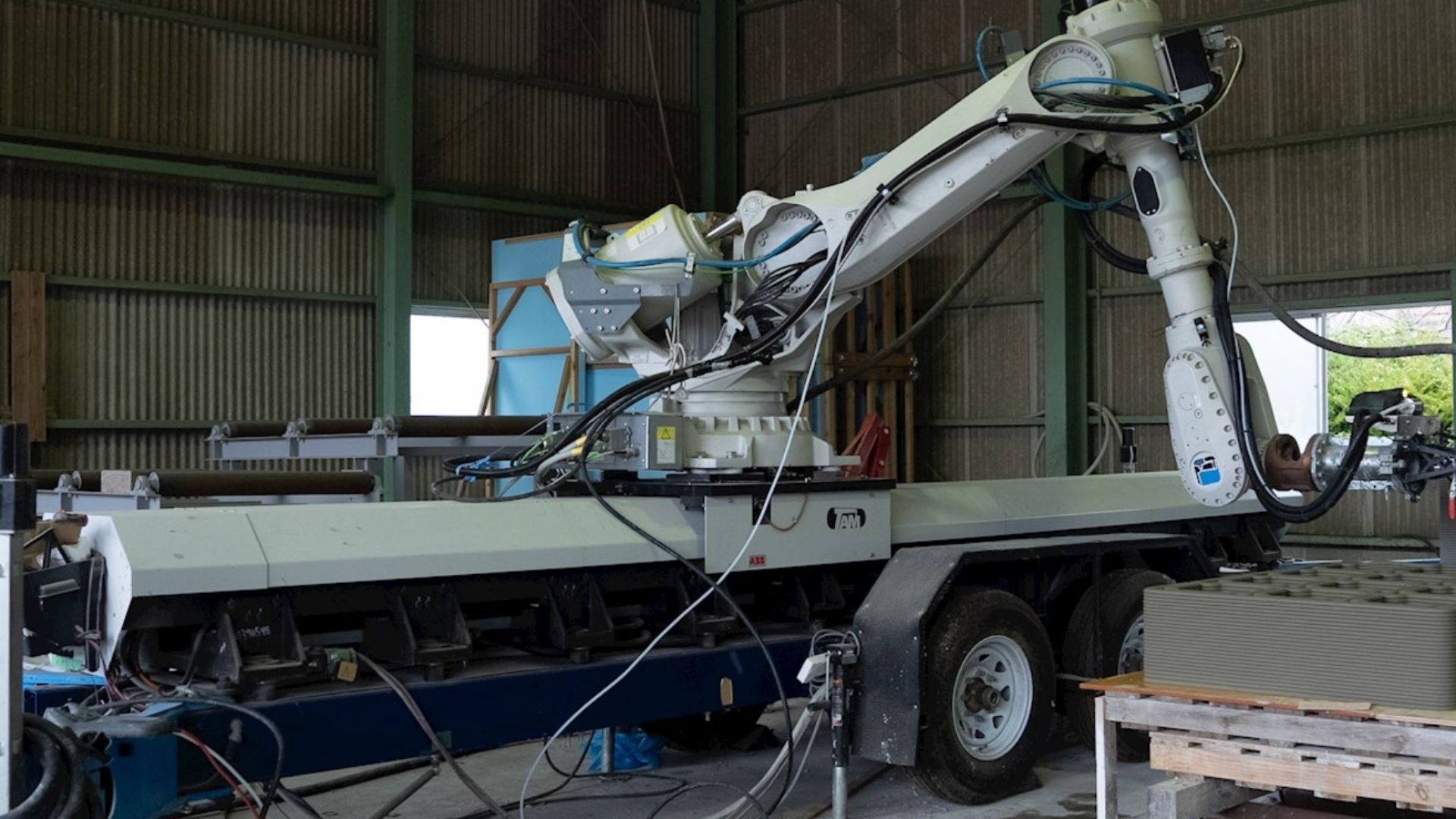
Japan builds a 3D-printed train station overnight, between the last train and the first of the morning.
-
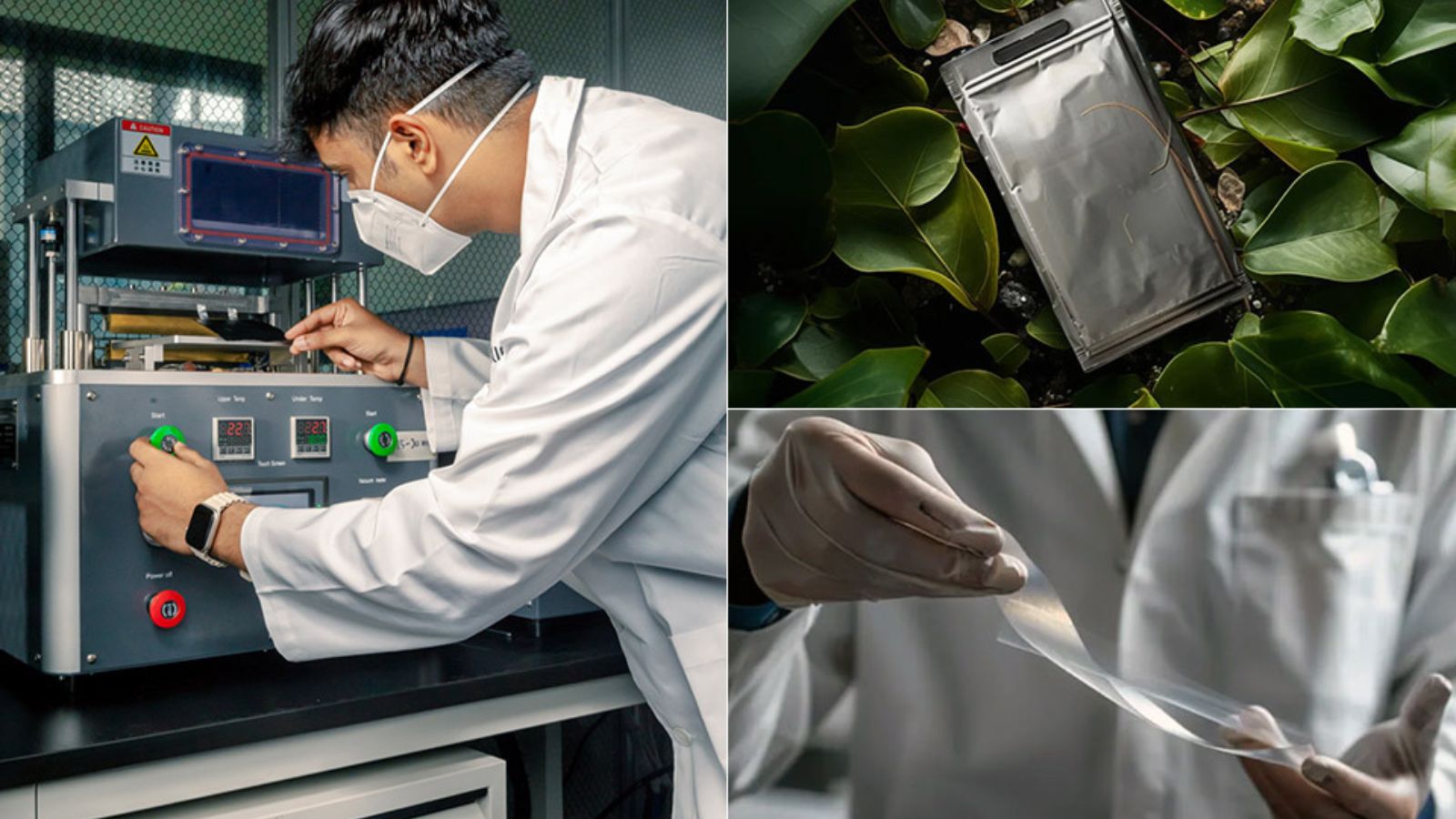
Instead of manufacturing expensive and difficult-to-recycle lithium batteries, engineers introduced in 2026 a battery made of paper and salt that is completely biodegradable: the Flint Paper Battery costs a fraction of conventional batteries and, when discarded, decomposes in the soil like a piece of newspaper.
The IP68 certification ensures resistance to water and dust, and Gorilla Glass Victus protects the display from drops. In practice, placing the two devices side by side requires attention to notice the difference.
The display of the Galaxy S25 FE is a Dynamic AMOLED 2X panel with a 120 Hz refresh rate, the same technology present in Samsung’s more expensive models.
The S26 line offers millimeter-thinner edges and higher maximum brightness, reaching 2,600 nits, but in everyday use, under midday sun or in indoor environments, the brightness difference between generations is imperceptible to most eyes. HDR10+ support is present in both.
The processor of the Galaxy S25 FE and why being from the previous generation can be an advantage
This is perhaps the most counterintuitive point of the comparison. The Galaxy S25 FE uses the Exynos 2400 processor, a chip that has already undergone a whole year of updates and optimizations since its launch.
While the latest processors in the 2026 flagship models face documented overheating issues, with reports of performance loss after 15 minutes of intense use, the Exynos 2400 in the S25 FE operates in a stable and predictable manner.
Samsung equipped the Galaxy S25 FE with 8 GB of RAM, enough to run the One UI interface smoothly, utilize the brand’s artificial intelligence features, and play heavy titles without lag.
The maturity of the processor means that software bugs have already been fixed and battery consumption is optimized. In a scenario where new phones costing R$ 8,000 heat up in the hands of buyers, having a chip that works without surprises is a real differentiator.
The cameras of the Galaxy S25 FE and the optical zoom that Samsung kept in this model

When manufacturers need to cut costs on a device, cameras are often the first target. Samsung kept a 50-megapixel main sensor with optical stabilization and an 8-megapixel telephoto lens with real 3x optical zoom in the Galaxy S25 FE, something that many competitors in the same price range simply do not offer.
This is not about blown-up digital zoom, but real lens zoom, which makes a visible difference in photo quality.
The device records videos in 4K at 60 frames per second and allows portrait mode with precise separation between subject and background. For most users who photograph trips, record stories, and capture everyday moments, the difference between the photos from the Galaxy S25 FE and those from the S26 is practically invisible on the phone screen.
Samsung loaded the S25 FE with the photographic DNA of the S line, which means that cost-cutting did not reach the camera module in this model.
The only weak point that Samsung left in the Galaxy S25 FE
Not everything is perfect. The Galaxy S25 FE supports a maximum of 45 watts of wired charging, while the S26 line has been updated to 60 watts. In a market where competitors like Xiaomi and Motorola already offer 68 or 90 watts in cheaper models, the charging speed of the S25 FE falls short of what is expected from a device with these specifications.
The 4,900 mAh battery lasts all day without difficulty, but when it runs out, recharging takes more patience than competitors require.
Samsung addressed this limitation in the S26 line, which shows that the company acknowledges the problem. For those who rely on quick emergency charges during the day, this could be the deciding factor in choosing between generations.
For those who charge their phones overnight and start the day with a full battery, the difference between 45 and 60 watts is practically irrelevant. It is a matter of habit, not of the device’s capability.
The 7 years of updates and what this means for those buying the Galaxy S25 FE from Samsung now
One of the strongest arguments in favor of the Galaxy S25 FE is Samsung’s update policy. The device receives 7 years of Android operating system updates and 7 years of security updates, which means guaranteed support until 2032.
It is the longest update policy available in the Android ecosystem and puts Samsung on equal footing with Apple in this regard.
Buying the Galaxy S25 FE in 2026, at a reduced price, means having a device with software support for another six years without needing to change phones due to lack of updates. For those evaluating the total cost of ownership over the years, and not just the purchase price, this calculation is very favorable.
Samsung may not have planned for the S25 FE to become such a competitive option after the price drop, but the result is in the market and consumers are taking advantage of it.
Would you buy the Samsung Galaxy S25 FE for half the price of the S26 or would you prefer to pay full price for the latest model? What weighs more in your decision: having the launch of the year or ensuring the best value for money? Leave your thoughts in the comments. This debate between generations of phones always leads to good discussions.









Seja o primeiro a reagir!