





 Portuguese
  English
  Spanish
  6 min of reading
  0 comments


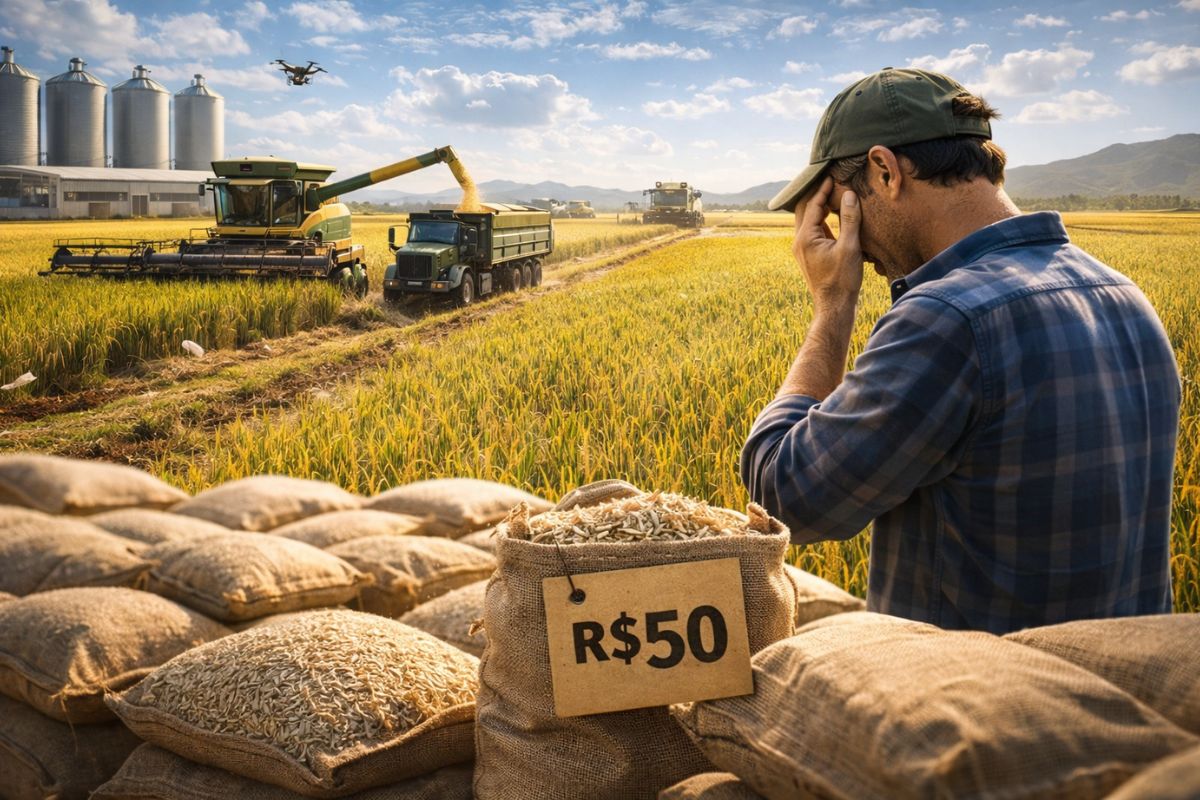
During The Rice Harvest In Santa Catarina, Prices Plummet, Rice Stocks Accumulate, And The Rice Producer From Santa Catarina Struggles To Keep The Local Rice Competitive.
Santa Catarina officially opened the rice harvest with impressive numbers, but with a significant problem lurking: prices plummet just when the crop responds strongly. In São João do Itaperiu, on the coast of Santa Catarina, the state celebrated 143,000 hectares planted and a forecast of 1.2 million tons harvested, but the sack is trading around R$ 50, with enormous pressure from stocks on the producer’s income.
At the field day organized by Urbano Alimentos, held at the Limoeiro farm, the celebration of productivity was overshadowed by an alert atmosphere. Technicians, cooperatives, industry representatives, and farmers made it clear that it is not enough to produce well if prices plummet and the cost of money remains high, and that the way out involves a unique identity for Santa Catarina’s rice and new technologies that help reduce costs without sacrificing productivity potential.
Robust Harvest In Santa Catarina, But With Plummeting Prices
The opening of the harvest in São João do Itaperiu highlighted the strength of rice farming in Santa Catarina. There are over 143,000 hectares dedicated to the grain in the state, with expectations of over 1.2 million tons for this harvest.
-
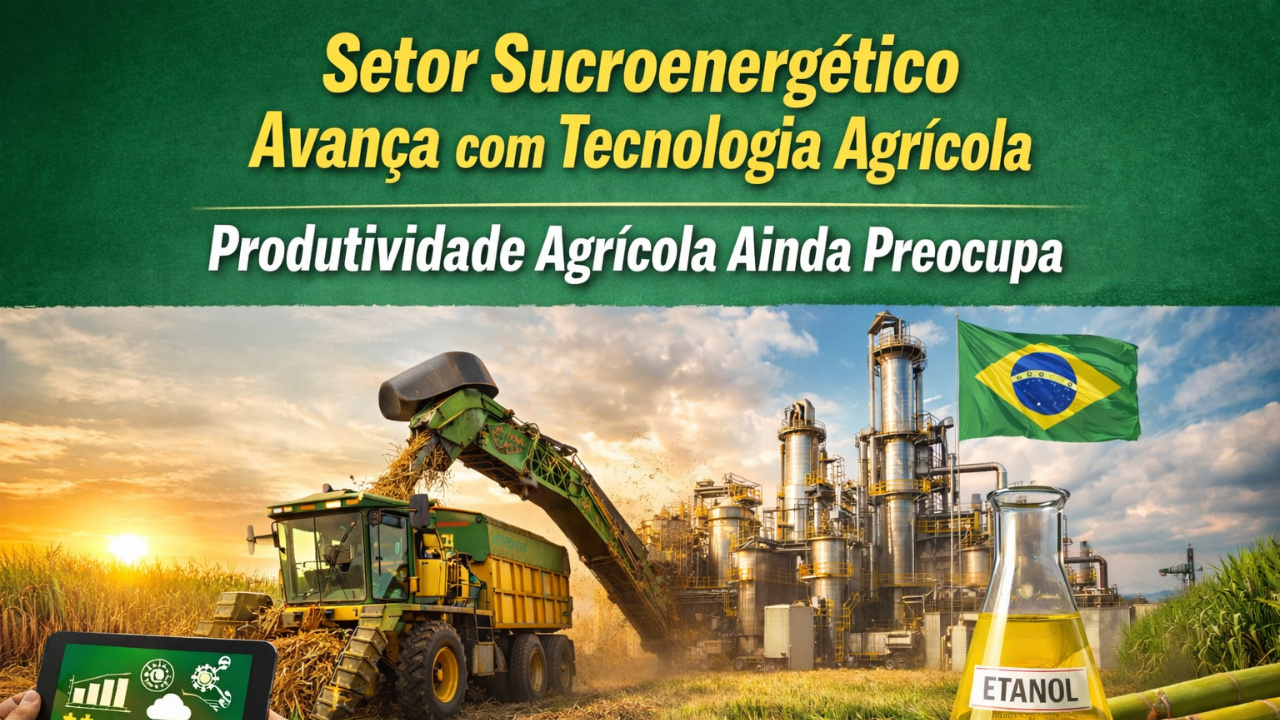
The sugar-energy sector advances with agricultural technology, but agricultural productivity still raises concerns.
-
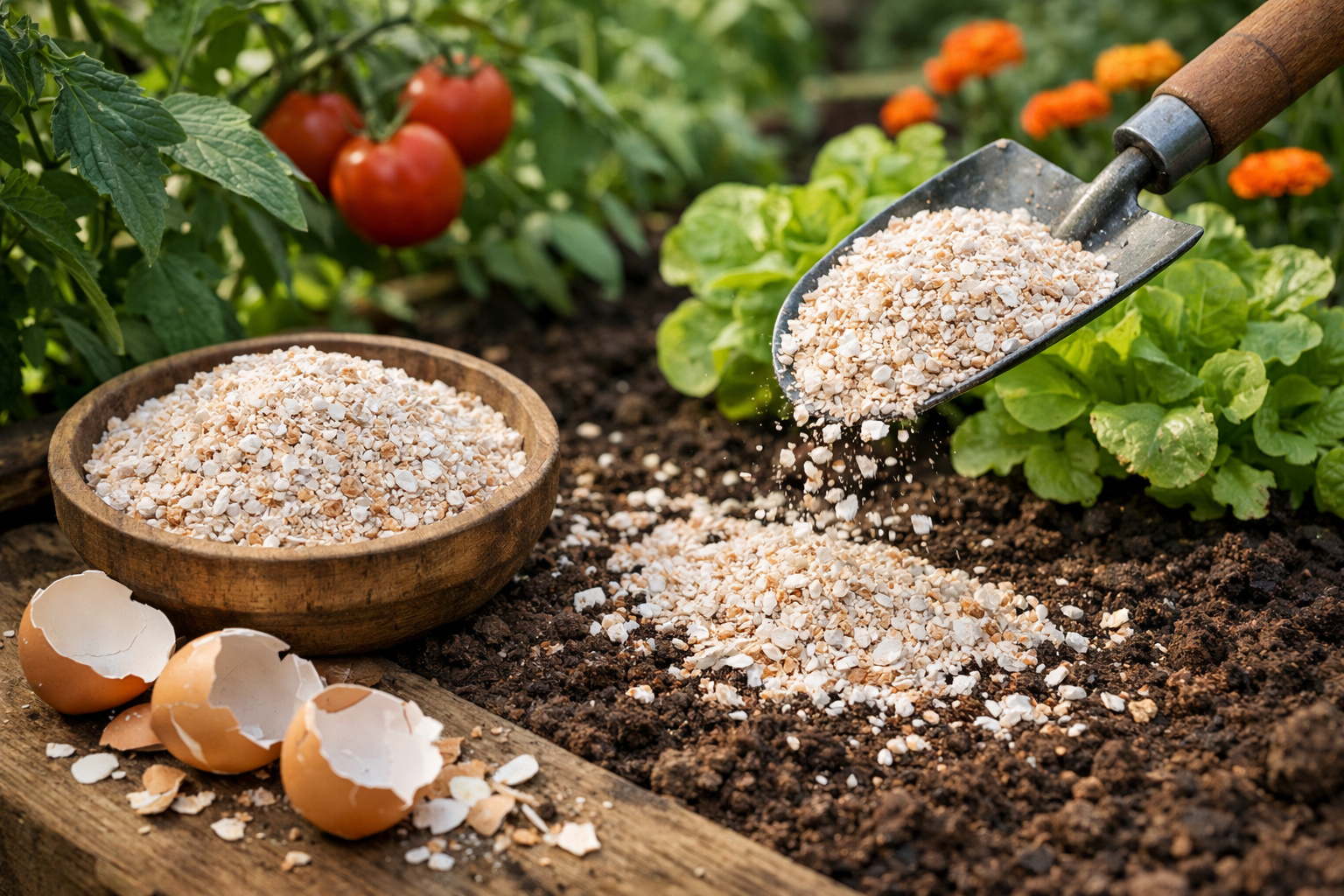
The eggshell that almost everyone throws away is made up of about 95% calcium carbonate and can help enrich the soil when crushed, slowly releasing nutrients and being reused in home gardens and vegetable patches.
-
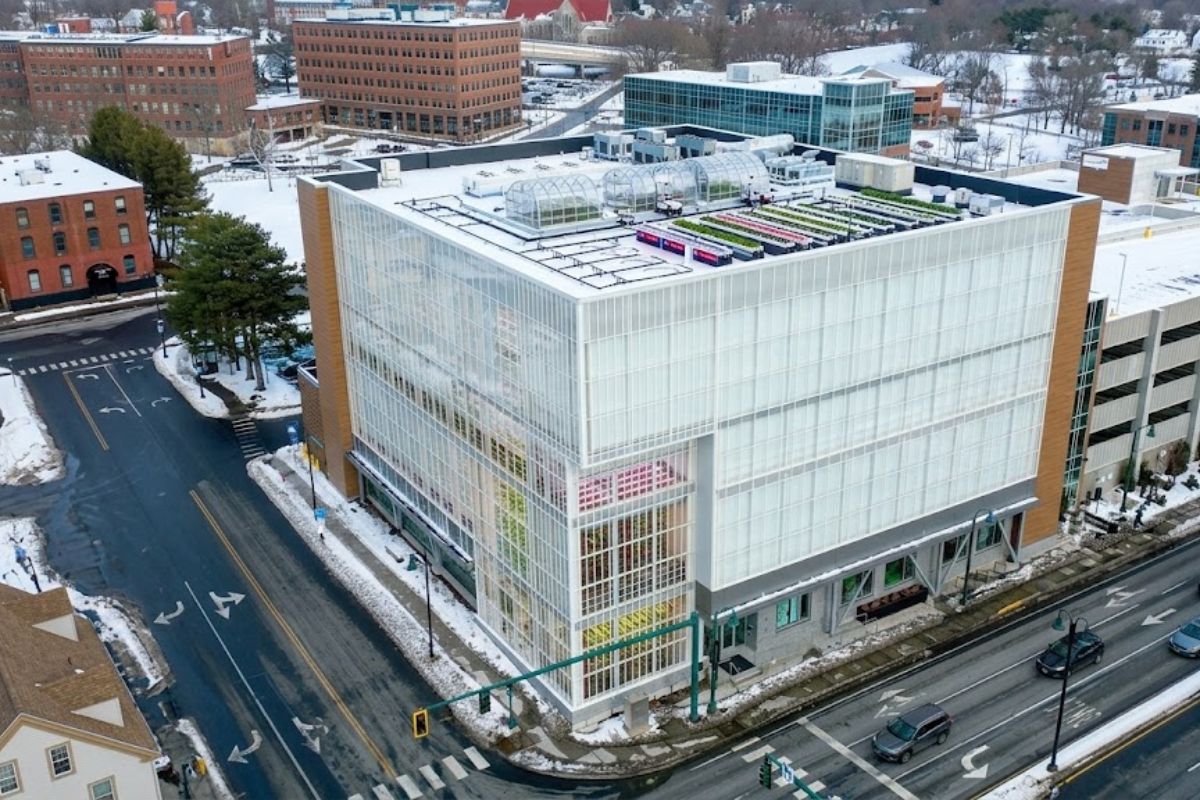
This farm in the United States does not use sunlight, does not use soil, and produces 500 times more food per square meter than traditional agriculture: the secret lies in 42,000 LEDs, hydroponics, and a system that recycles even the heat from the lamps.
-
The water that almost everyone throws away after cooking potatoes carries nutrients released during the preparation and can be reused to help in the development of plants when used correctly at the base of gardens and pots, at no additional cost and without changing the routine.


In a few decades, productivity increased from 2,000 kilograms per hectare in the 1970s and 1980s to becoming a true agricultural powerhouse, a source of pride for those living in rural areas and for those working in the rice industry.
Producers and authorities took the opportunity to reaffirm the strategic role of the crop for the state. From planting to industry, rice generates jobs, income, and technology, in addition to sustaining a highly specialized chain.
Santa Catarina competes among the major rice producers in Brazil and has established a reputation for quality, with producers who have learned to manage climate, soil, and practices in an increasingly competitive environment.
When The Harvest Grows And Prices Plummet


Behind the good harvest, however, is a calculation that doesn’t add up. As the harvest progresses, prices plummet and erode the producer’s margin, who sees the sack being traded for around R$ 50, about half of the value observed last year.
A drop of over 50 percent is not just a market number, but a harsh reality in the farms’ cash flow.
The main villain, according to the National Supply Company, is the volume of stocks. There are over 25.5 million tons of rough rice in stock, creating a huge supply cushion that drives prices down in market formation, exacerbating the devaluation of the grain right when the harvest picks up pace.
In such a scenario, many producers harvest knowing that the sack does not cover the effort, financial cost, and risk taken since planting.
High Stocks, Cost Of Money, And Persistence In The Field
In practice, those who depend on rice feel the impact every day. Producers recall that this is not the first cycle in which prices plummet, but they admit that the current combination of product devaluation and high credit costs makes the harvest particularly challenging.
The machinery is purchased, the infrastructure is set up, and the land remains, which pushes many farmers to stay in the activity even in years when profits do not appear.
Among testimonials, the profile of those who do not give up easily becomes clear. There is an almost unanimous understanding that crises are part of the cycle, but they also push the sector to seek alternatives.
It is precisely when prices plummet that there is more talk of recycling practices, reviewing costs, and recovering forgotten opportunities, whether in management, technology, or new marketing models. The expectation is to emerge from this moment stronger than before, without losing the producer’s link in the chain.
SC Mais Arroz: Identity, Integration, And Technology In The Field
During the field day at Urbano, one of the highlights was the launch of the SC Mais Arroz program by Epagri. The proposal is ambitious and aims for something that goes beyond individual farms.
The idea is to create a clear identity for rice produced in Santa Catarina, integrating all actors in the production chain, from research to industry, including technical assistance, cooperatives, and producers.
The program seeks to provide more homogeneous information to the field, reduce technical noise, and help producers see the effectiveness of available technologies more clearly, always at a real farm scale, through demonstration units.
Epagri has already launched 34 varieties for the rice production chain, with 12 currently recommended for cultivation.
The work is ongoing, focused on more sustainable and resilient cultivars, capable of providing security for those who plant and quality for those who consume.
Biologics And Long-Lasting Herbicides Come Into Play
The pressure of costs in a scenario where prices plummet also drives the adoption of technologies that promise to do more with fewer inputs.
Among the highlights presented at the event is a line of biologics for rice, based on bacteria such as methylobacterium symbioticum.
This bacterium is capable of fixing nitrogen in the plant, capturing nitrogen from the air and making it available to the crop throughout the cycle, which helps maintain crop health and productivity without relying solely on traditional nitrogen fertilization.
Another focus of attention came from technologies on the verge of entering the market, such as a pre-emergent herbicide with a residual effect of more than 90 days for controlling barnyard grass.
According to technicians, this is a completely new tool, developed to address one of the main weeds in the crop.
By reducing control failures and decreasing the re-entry of weeds, producers gain in productivity stability and management predictability, something fundamental when prices plummet and every sack harvested needs to count.
Recognition To Those Who Keep The Activity Afloat
The opening of the harvest was also a moment of recognition. The traditional Panícula de Ouro award honored professionals who stand out in the rice chain.
Agronomist Cristiane Mara Fidler received the trophy as a technical reference, while farmer Albano Schulz, with 450 hectares of rice cultivated by his family, was recognized for his decades of work in the culture.
In the testimonials from the honorees, there are memories of times when management was labor-intensive, with more manual work and less technology, highlighting the contrast with today’s reality.
Seeing the sector mature, gain productivity, and still face moments of price plummeting helps to gauge the resilience of those who remain in the activity, betting on technical mastery and innovation as a way forward.
Field Day As A Technological Showcase And Producer Thermometer
The field day organized by Urbano Alimentos, now in its 13th edition, showed why it is seen as a technological showcase.
The event started small, with just over 30 producers attending in its first year, and now attracts over a thousand people over two days of programming, including farmers, technicians, students, and industry representatives.
There, alongside the fields and the machinery, producers exchange experiences on how to keep the activity viable even when prices plummet and the market squeezes margins.
Many say they return home with new ideas for reducing costs, increasing efficiency, and testing technologies they saw in action, in real plots, and not just in labs or pamphlets.
It is this blend of field, science, and decision-making that makes the event a true thermometer of the reality of rice production in Santa Catarina.
In the end, Santa Catarina continues to harvest well, innovating in varieties, biologicals, and management.
But, while productivity rises and prices plummet, there remains a question mark about the future of income at the gate and the speed with which the market will be able to absorb the produced volume without suffocating growers.
And you, looking at a harvest where productivity is increasing but prices are plummeting, do you believe that technology and programs like SC Mais Arroz will be sufficient to keep Santa Catarina’s rice producers in business profitably in the coming years?








-

-

2 pessoas reagiram a isso.