





 Portuguese
  English
  Spanish
 5 min of reading
  0 comments


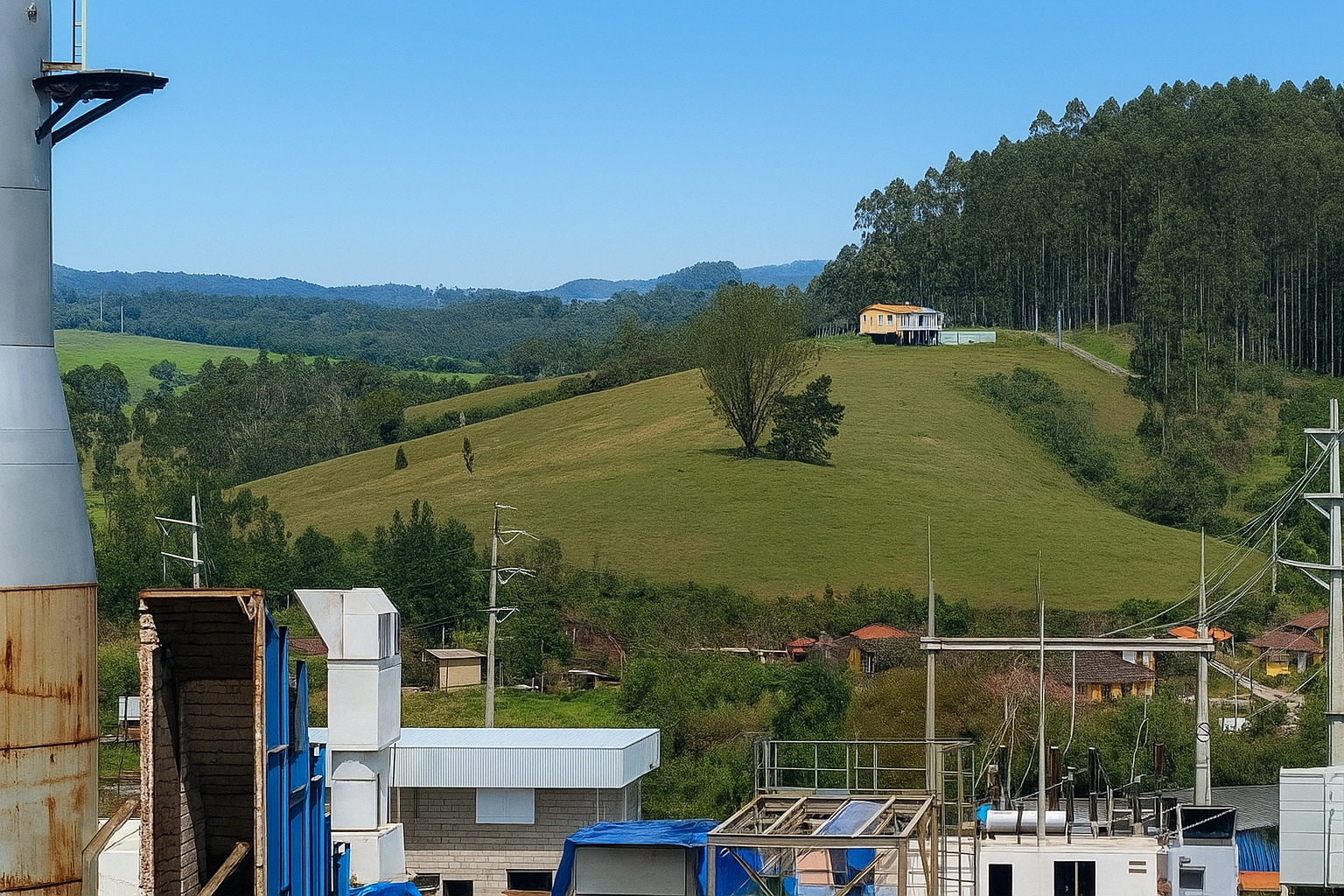
Santa Catarina Gains First Thermoelectric Plant, Reinforcing the Energy Matrix with Natural Gas and Promoting Innovation and Sustainability in Alto Vale.
Santa Catarina is experiencing a historic moment in the energy sector with the arrival of its first natural gas thermoelectric plant, located in Trombudo Central, in the Alto Vale do Itajaí.
Moreover, this unprecedented project not only marks the expansion of the energy matrix of Santa Catarina, but also demonstrates the importance of diversifying energy sources to ensure security and efficiency in supply.
Over the past few decades, the state has established itself as a reference in renewable energy generation, especially through hydroelectric plants and small hydroelectric central plants.
-
Petrobras evaluates suspension of sales to distributors and considers canceling the cooking gas auction following guidelines from the Federal Government.
-
Lula reveals a masterstroke by Petrobras to undo a deal made by Bolsonaro, which involves the return of an important refinery that currently produces less than half of what was expected and makes Brazil dependent on international diesel.
-
A study confirms that the natural gas sector will reduce greenhouse gas emissions in Brazil by 0.5% and accelerate the energy transition by 2026.

-
Petrobras implements a severe adjustment and confirms a 55% increase in the price of aviation kerosene with a proposal for installment payments for the companies.


However, due to advances in technology and the need for complementary sources, managers opted for natural gas as a strategic fuel for this new venture.
Additionally, the construction of the thermoelectric plant in Alto Vale represents a milestone in the history of energy in Santa Catarina. For the first time, a facility of this size will receive natural gas directly from the SC Gás network.
Thus, SC Gás, created to expand access to natural gas in the state, has already consolidated its infrastructure, serving dozens of municipalities and thousands of residential, commercial, and industrial customers.
As a result, with this project, the company will also operate in the generation of electrical energy, expanding its presence in the sector and strengthening the energy matrix of the state.
Historically, Santa Catarina has always relied on hydroelectric plants to meet a large part of its electricity demand.
Moreover, the abundance of rivers and favorable geography have allowed for the development of important hydroelectric plants that have provided energy for industry, commerce, and residences.
Therefore, in this context, natural gas emerges as a reliable alternative, capable of complementing electricity generation and ensuring stability in supply, especially during peak demand periods.
Structure and Investment of the New Thermoelectric Plant
The project for the thermoelectric plant in Trombudo Central envisions the installation of approximately 1,400 meters of natural gas pipeline, connecting the plant directly to the SC Gás infrastructure.
Furthermore, the company invested R$ 3.2 million and expects to conclude all operations by October 2025.
Consequently, experts point out that the thermoelectric plant will not only bring direct economic benefits, but will also reinforce the energy security of the state.
Thus, by diversifying energy sources, Santa Catarina reduces its dependence on a single type of generation and strengthens a more resilient and modern matrix.
Additionally, the choice of natural gas as the main fuel for the plant is not only technical but also strategic from an environmental perspective.
Compared to other fossil sources, natural gas produces fewer greenhouse gas and particulate emissions.
Therefore, this aspect aligns with the growing global and local concern for sustainability and the reduction of environmental impacts from energy generation.
In this way, the thermoelectric plant in Trombudo Central represents not only technological innovation but also commitment to more sustainable practices, reflecting the global trend of energy transition.
Moreover, in addition to positive environmental impacts, the installation of the thermoelectric plant will boost the regional economy.
Projects of this magnitude generate jobs during construction and operation, engage local suppliers, and strengthen the productive chain of the energy sector.
Thus, the presence of the plant may attract additional investments, both in infrastructure and in new technologies related to energy efficiency, consolidating the Alto Vale do Itajaí as an emerging hub for natural gas electricity production.
Role of SC Gás and Energy Integration
SC Gás, responsible for the supply of natural gas to the plant, has already implemented over 1,600 kilometers of pipeline, serving around 33,000 customers in 72 municipalities in Santa Catarina.
In addition, with the inclusion of the thermoelectric plant, the company expands its role in electricity generation, ensuring that natural gas reaches the plant efficiently and safely.
Thus, this integration between gas distribution and energy generation represents a significant advancement for the energy sector in Santa Catarina, consolidating a partnership between infrastructure and technology.
Therefore, the inauguration of the first natural gas thermoelectric plant in Santa Catarina does not happen in isolation.
It fits into a broader context of modernization and diversification of the Brazilian energy matrix.
In recent years, the country has sought to increase the participation of different energy sources, including renewables and low-impact fossil alternatives.
Thus, the catarinense project reflects this trend, combining historical experience in hydropower with innovation in natural gas generation.
Consequently, this balance allows for meeting the growing demand for electricity and, at the same time, promoting efficiency and energy security.
Furthermore, another relevant point is the potential for integrating the plant with future sustainability initiatives, such as energy efficiency projects and the use of carbon capture technologies.
Although natural gas is considered a fossil source, its cleaner and more efficient combustion opens up space for hybrid solutions that may include solar, wind, or biomass energy, reinforcing the resilience of the local energy matrix.
Thus, the inauguration of the thermoelectric plant will serve as a model for other states seeking to diversify their energy sources without compromising security and efficiency.
Santa Catarina Gains First Thermoelectric Plant: Social and Environmental Impacts
The social impact of the thermoelectric plant deserves attention.
Moreover, the generation of direct and indirect jobs during the construction and operation of the plant contributes to local economic development, while the stability in energy supply benefits businesses, residences, and essential services.
The presence of an innovative project strengthens the image of Santa Catarina as a state that invests in technology and sustainability, consolidating its position in the national scene and attracting new investments.
The project also promotes environmental awareness.
By utilizing natural gas, cleaner than other fossil fuels, the thermoelectric plant helps to reduce emissions and encourages practices of responsible energy consumption.
Thus, the combination of reliable generation, energy efficiency, and lower environmental impact creates a replicable model for other regions in Brazil, showing that economic development and sustainability can go hand in hand.
Therefore, in summary, the inauguration of the first natural gas thermoelectric plant in Santa Catarina represents a historic, economic, and environmental milestone for the state.
By combining technological innovation, sustainability, and regional development, the Trombudo Central project demonstrates how it is possible to diversify the energy matrix without compromising efficiency and security.
In addition, SC Gás, by supplying the necessary fuel, reinforces its strategic role in the strengthening of the energy sector in Santa Catarina.
Historically, investments in energy have always driven progress, and this project reaffirms that Santa Catarina is ready to lead a new phase of energy development, with environmental responsibility and significant social benefits.
Starting in October 2025, when the plant begins operations, the state will not only have a new reliable energy source, but will also pave the way for future investments in technology and sustainability, consolidating Santa Catarina’s position as a reference in energy innovation in Brazil.








Seja o primeiro a reagir!