





 English
  Francês
  Alemão
  Italiano
  Japonês
  Norueguês
  Portuguese
  Spanish
  4 min of reading


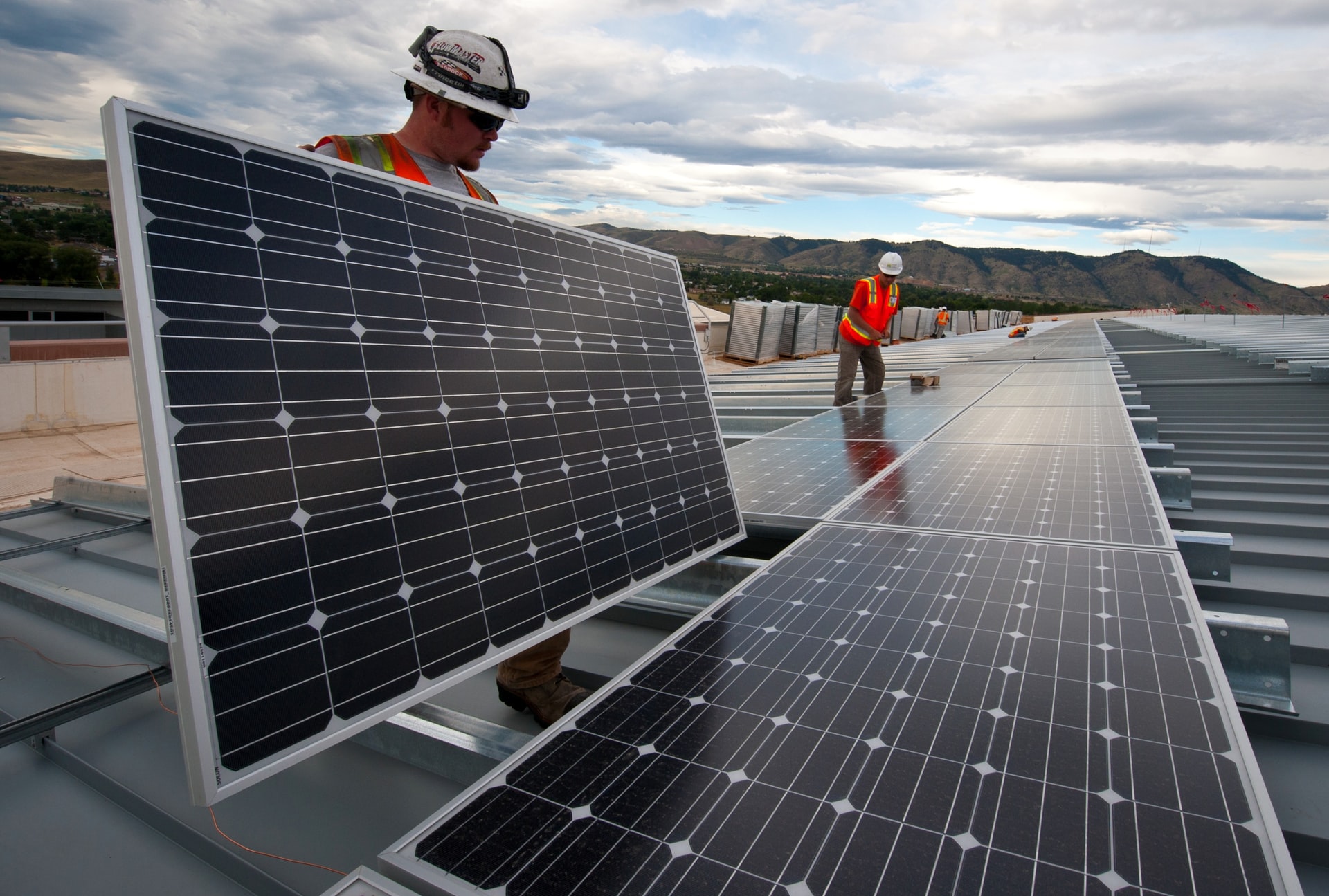
Santander Makes Adjustments and Improves Financing Conditions for Solar Energy Incentive Projects
During Environment Week, the bank Santander will take another step towards the sustainability of agribusiness. Thus, Santander Financiamentos, to improve the conditions for rural entrepreneurs, has implemented another incentive for the growth of solar energy use in the field.
To implement this innovation, the minimum rates regarding interest were reduced from 0.79% per month to 0.74% per month. Regarding the installment period, it has also increased from 76 to 96 months, with a 120-day grace period for the first installment.
This financing is available to everyone, whether large companies or individuals, who want to install solar energy panels in their homes. Thus, to access this line of credit, it is not necessary to be a Santander account holder.
-
With 160,000 m² of collectors, an area larger than 20 football fields, Silkeborg, in Denmark, hosts a solar thermal plant that heats 19,500 homes and could become the largest solar heating plant in the world.

-
A study reveals the expansion of renewable energy procurement in Brazil and shows how companies are taking advantage of opportunities to reduce expenses, ensure energy efficiency, and strengthen strategic environmental commitments.

-
Mato Grosso do Sul excels in the sugar-energy sector: the state reaches a milestone of 22 operating mills and accelerates the production of clean energy in MS with a focus on sustainability.

-
National energy dilemma: Brazilians support clean energy but reject increases in tariff costs to finance the sustainable transition.
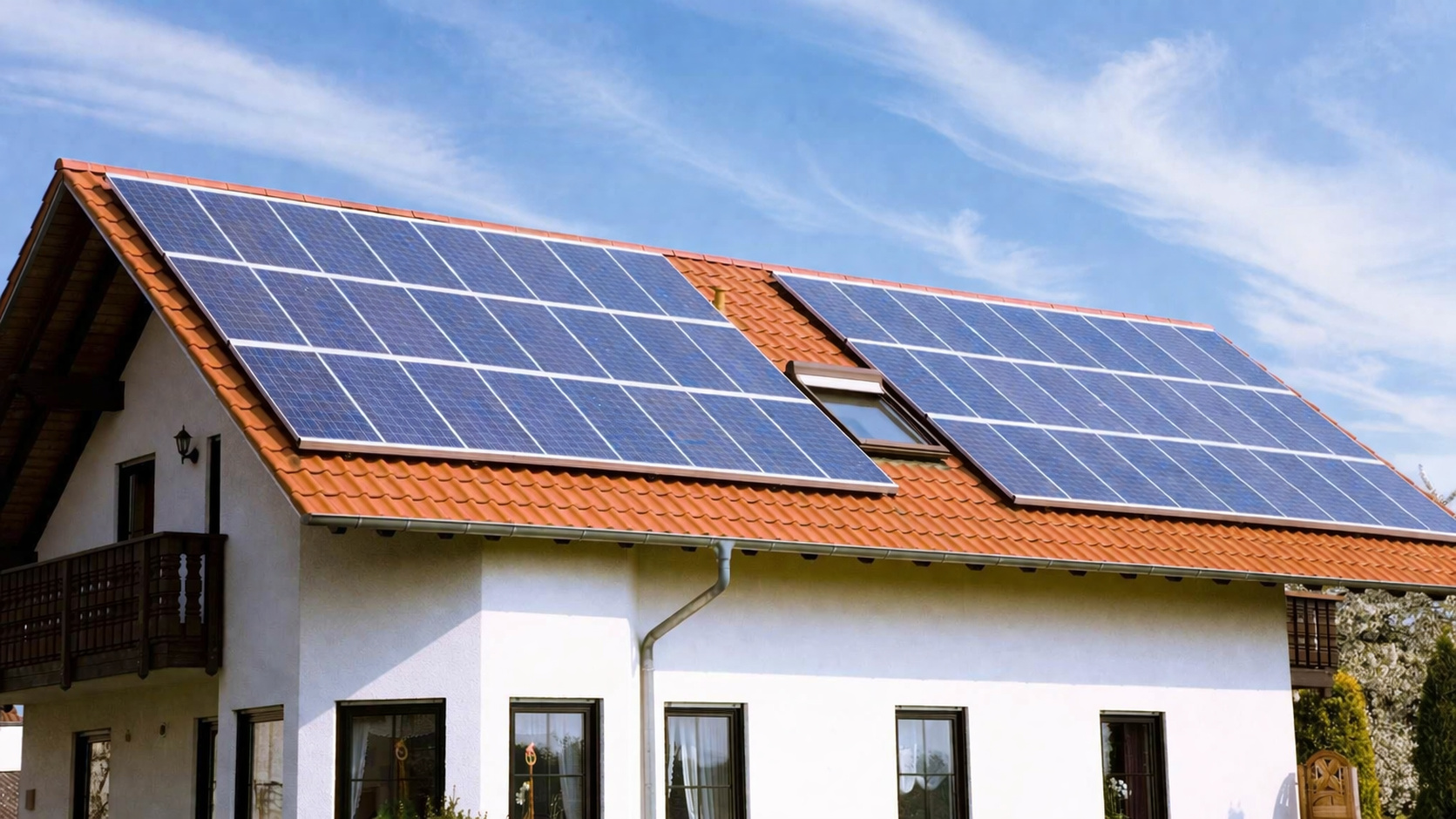
“The sun is one of the best sources of clean energy generation in agribusiness, both for being an inexhaustible source and for having minimal environmental impact. Our financing solution was specially designed so that the maturity of the investment made by the producer coincides with the growing benefits brought by this mode of energy production, which can reduce the electricity bill by up to 90%,” points out André Novaes, current director of Santander Financiamentos.
For the 120-day grace period before the first payment, it was decided based on market data, which showed that this period is necessary to start the effective production of solar energy. Therefore, during this time, the client can wait for procedures such as importing the equipment and installing the system.
“The Brazilian agribusiness has always been concerned with optimizing its production, and the generation of photovoltaic energy is exactly headed in this direction, not only by aligning with the sector’s sustainability agenda but also by being demonstrably viable from a financial perspective,” concludes Carlos Aguiar, current director of Agribusiness at Santander Brazil.
Online Budget Research
The budget research is quite simple, just go to the website: www.santander.com.br/agrosolar. This way, producers can budget the project entirely online, using only the current cost of electricity, and have up to four minutes to receive the credit approval response. When the credit is approved, +Vezes Santander – a financing program that offers products or services with longer terms, without using the credit card limit – releases the funds to the distributor.
According to the Brazilian Association of Photovoltaic Energy, Absolar, since 2012 until now, the production of energy using sunlight has reached 8.4 GW; avoiding more than 8.3 million tons of carbon dioxide from being released into the environment.
Currently, with a 42% market share, Santander remains a leader in photovoltaic financing in Brazil, which stimulates the growth of this sector in the country. Santander collaborates with BNDES lines for investments in the innovation sector to increase productivity, improve management, and implement sustainable practices.
For the solar energy sector, in the first months of 2021, Santander Financiamentos helped facilitate 78% more loans compared to the same period in 2020. The financial sector is currently working with over 100 distributors and integrators of solar distributed generation systems that are authorized for sale.
About Santander Brazil
Here in Brazil, Santander began its activities in 1982 and acquired more than 70 banks, creating competitive Wholesale and Retail structures. It is part of the Santander Group, the largest bank in the Eurozone by market value, with a significant presence in more than 10 key countries in Europe and America.
Today, it is the only international financial institution with a strong presence in Brazil, employing more than 44,800 people, with over 3,500 branches and Banking Service Points, the PABs, approximately 36,500 ATMs, in addition to regional offices to serve more than 28.4 million active clients.
It was voted the most sustainable bank of the year by Exame’s ESG Best Guide in 2021. Santander Brazil seeks to promote increasingly inclusive and environmentally responsible business practices. Since 2016, Santander has been strengthening its support structure for the sector.







Seja o primeiro a reagir!