





 Portuguese
  English
  Spanish
 3 min of reading


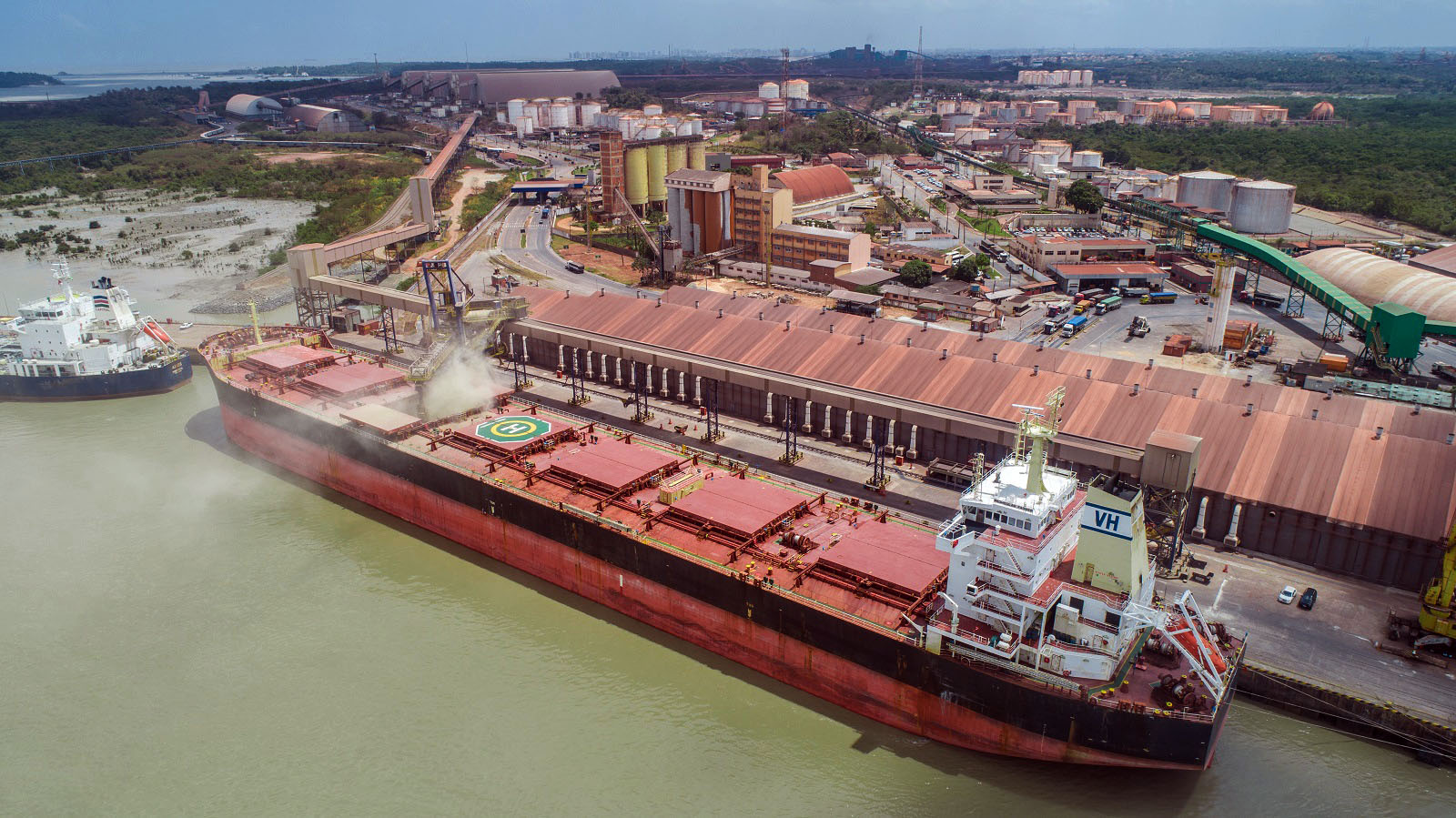
The Company Started Operations with Liquid Bulk at the Inauguration of the New Terminal Located at the Itaqui Port. The Initiative Will Bring New Business Opportunities in the Fuel Market for Santos Brasil.
Located in the state of Maranhão, the Itaqui Port has taken another big step and is this Thursday, (12/01), expanding its business in the fuel sector. This is because the giant Santos Brasil inaugurated a liquid bulk terminal in the area, TGL 3, responsible for the transport of diesel, gasoline, ethanol, and biodiesel. The venture was launched in celebration of the company’s 25 years in Brazil, which is now investing in the expansion of its presence in the national market.
Itaqui Port Hosts the Inauguration of TGL 3, the Company’s New Liquid Bulk Terminal Focused on Fuels
Santos Brasil is continuing its expansion plan in the national market with the construction of new ventures with great potential in the port sector.
Now, it was the turn of the Itaqui Port, located in the state of Maranhão, to host the inauguration of a new liquid bulk handling terminal.
-
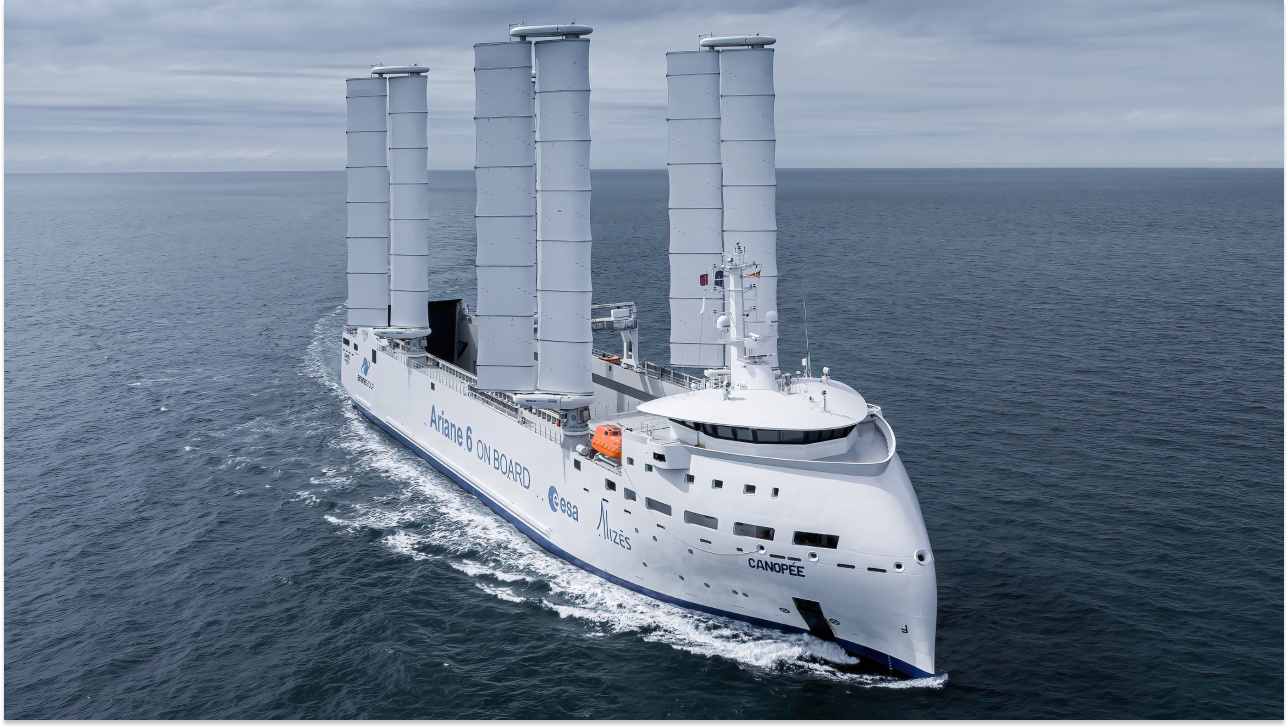
With a length of 121 meters and four rigid sails of 36 meters that automatically rotate to capture the wind, Canopée is the world’s first hybrid industrial cargo ship powered by wind, used to transport rockets and reduce fuel consumption by up to 30% on transoceanic routes.
-
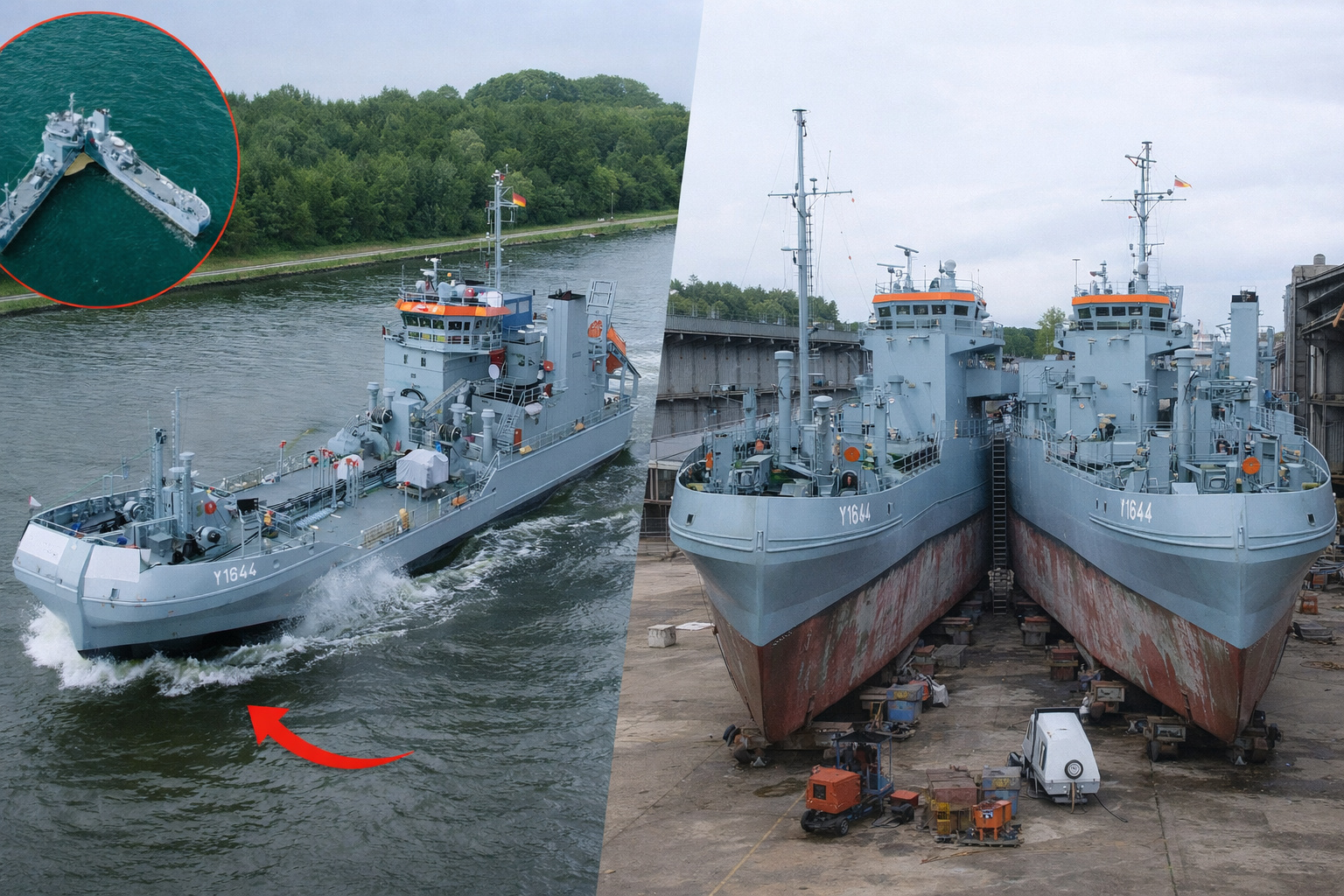
The German ship Bottsand splits its hull in two halves in the middle of the ocean to swallow spilled oil on the surface, separating the oil from the water inside a 790 cubic meter tank and then closing again. It is the only ship in the world factory-designed to split in half as part of normal operations, and the crew of six people who operate everything is civilian.
-
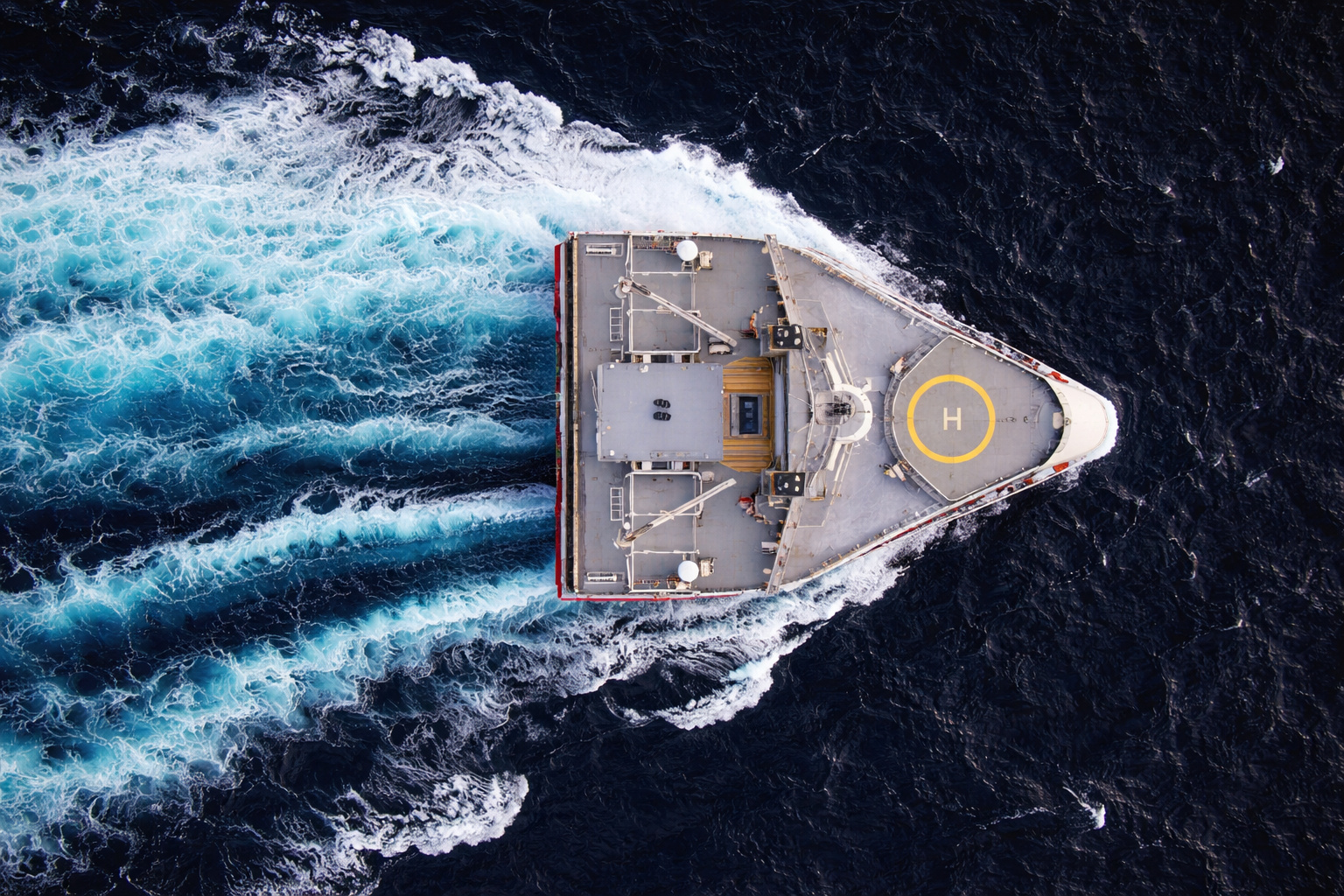
With almost 70 meters in width at the stern and a shape resembling a “giant slice of cheese,” the Ramform Titan tows up to 24 seismic cables to sweep the ocean floor in 3D and reveal oil reserves hidden beneath kilometers of sediment.
-
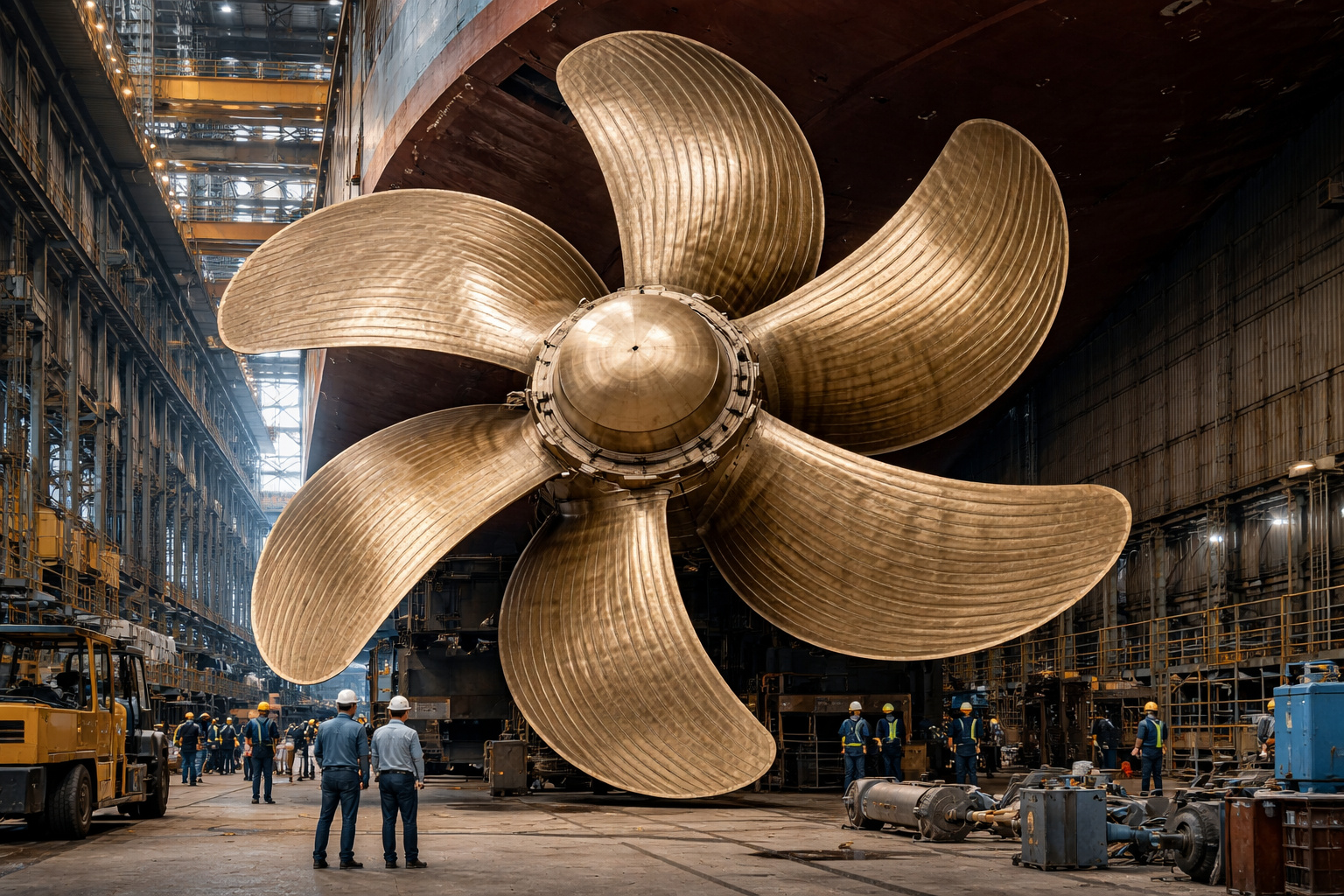
How a 131-ton, 11-meter propeller supports 90% of global trade and transforms the largest container ships on the planet.

The first operation for receiving diesel and gasoline by cabotage vessel took place at TGL 3, the first of three terminals acquired by the company in 2021, marking a complete success for the company.
The site has a nominal storage capacity of 20,000 m³ of liquid bulk, primarily consisting of diesel, gasoline, anhydrous ethanol, and biodiesel.
Moreover, the terminal has interconnections with maritime, road, rail, and pipeline modalities, thus ensuring more agility and efficiency in transporting the products.
This is one of Santos Brasil’s major ventures for the future of Itaqui Port and represents a significant advance in liquid bulk operations.
Thus, the first operation involving the handling of fuels at the Maranhão complex marked a great advancement for the port company, which aims to invest in this segment for the coming years.
“Itaqui Port is a hub for distributing petroleum derivatives to the Northeast, North, and Midwest regions and has enormous potential linked to agribusiness. We expect to capture the growth in demand from the port’s clients and progressively increase the occupancy of our terminals,” commented Carlos Quintero, Director of Liquid Bulk at Santos Brasil.
TGL 3 Terminal Will Undergo Expansion Works to Increase the Capacity for Liquid Bulk Operations at Itaqui Port
Now that it has started operations in the handling and storage of liquid bulk, Santos Brasil will make significant investments to expand its infrastructure.
Thus, the company will carry out expansion works on the structure of terminals TGL 3 and TGL 1 over the coming months.
The project will include renovations such as the implementation of new tanks, modernization of loading systems, increased and updated automation, new road access, and expansion of rail loading positions.
For this, Santos Brasil is only awaiting authorization from the National Petroleum Agency (ANP), which is expected to happen this December.
The greenfield project includes the construction of 85,000 m³ of nominal capacity and all the terminal infrastructure.
The company’s investments in its three terminals at Itaqui Port total R$ 600 million and will be responsible for increasing the nominal capacity from 54,000 m³ to 201,000 m³.
Thus, Santos Brasil will continue to direct its efforts toward expanding its business portfolio in the liquid bulk sector, focusing on the fuel market.







Seja o primeiro a reagir!