





 Portuguese
  English
  Spanish
 6 min of reading
  0 comments


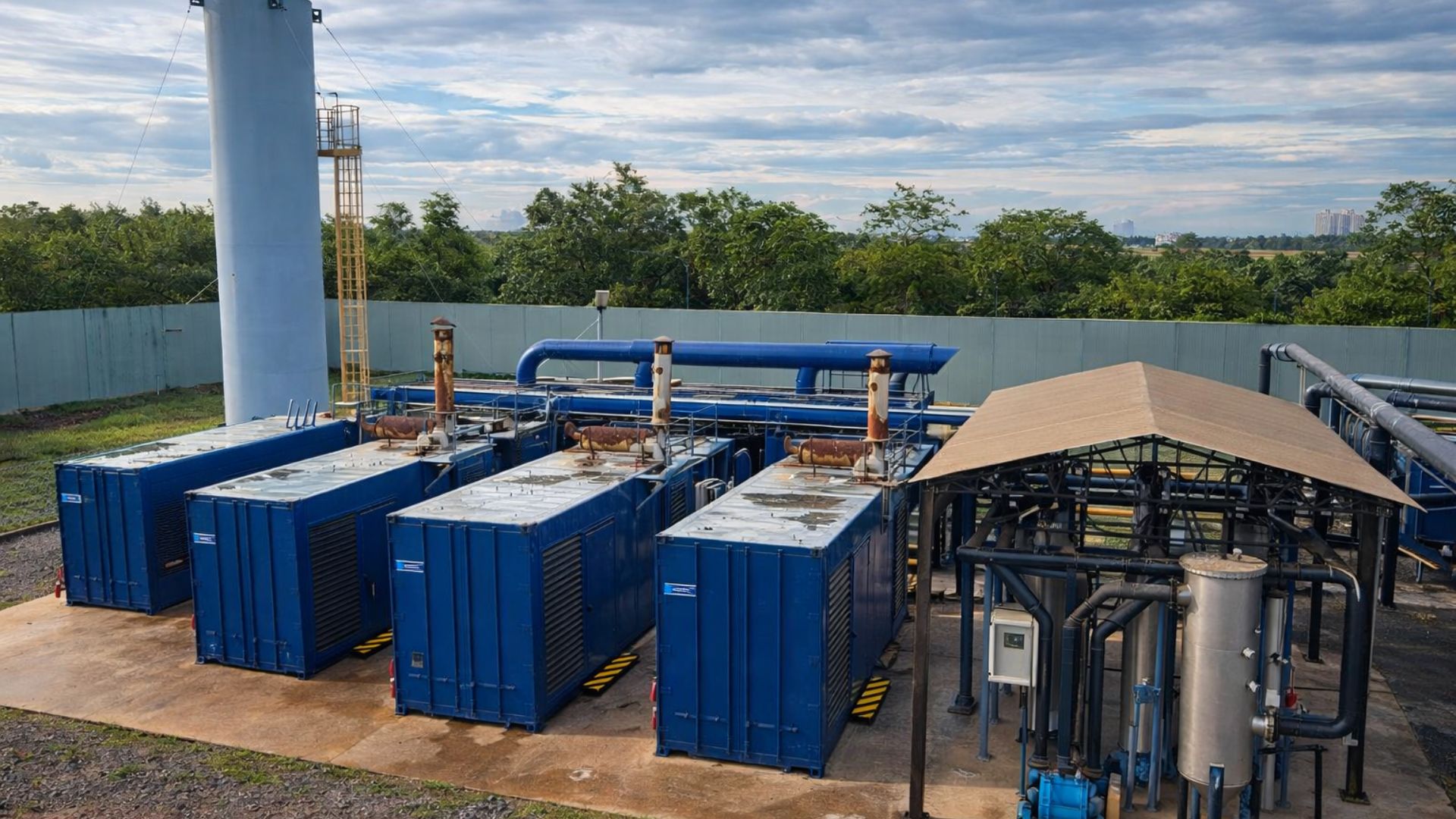
São José dos Campos Reduces Public Spending by Transforming Landfill Biogas into Clean Energy. Initiative Generates Million-Dollar Savings for Public Coffers and Strengthens Urban Sustainability.
The city of São José dos Campos has stood out nationally for initiatives aimed at sustainability and efficient public resource management. One of the most relevant examples of this movement is the energy utilization of the municipal landfill, which has started to generate clean energy from the biogas produced by the decomposition of solid waste.
The strategy brought significant results for public administration. In 2025, the municipality saved R$ 2,798,399.38 on electricity bills, an amount that corresponds to about 40% of the total costs of the city hall for electricity. This result demonstrates how public policies aimed at environmental innovation can also generate positive financial impacts.
According to a publication by the city hall on March 9th, the monthly savings are also noteworthy. Approximately R$ 233 thousand were not paid to energy companies every month, allowing these resources to remain in public coffers and be allocated to other priority areas of the city.
-
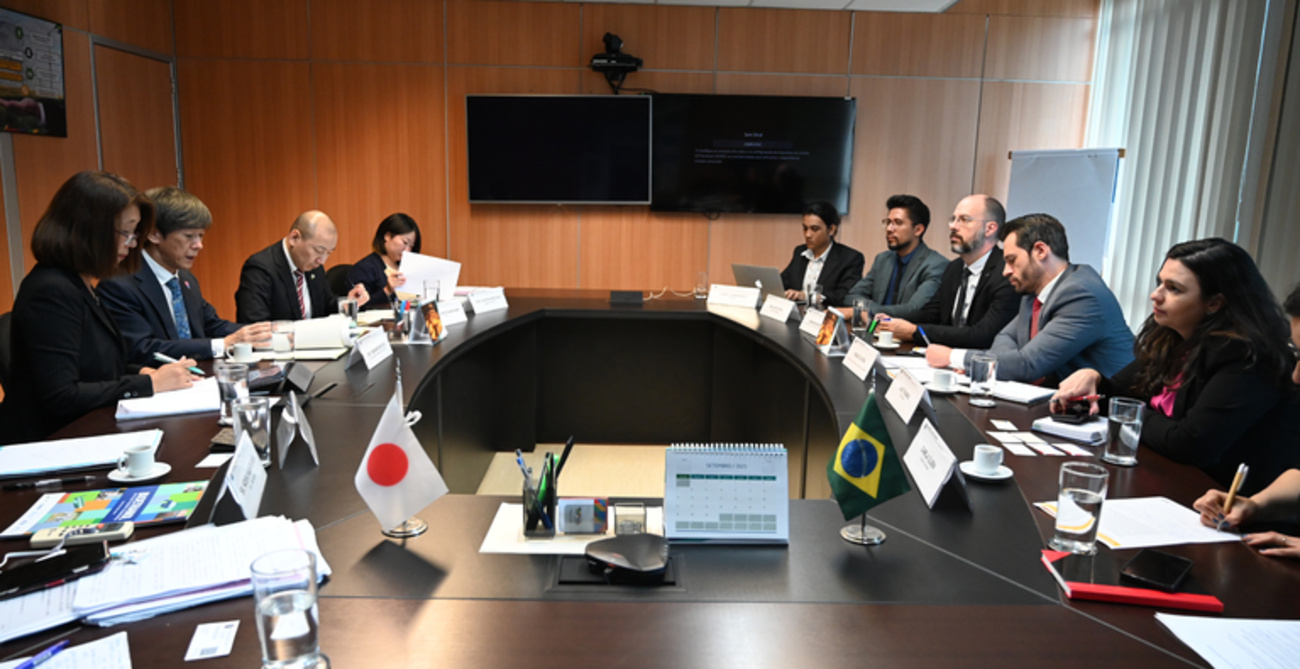
Billion-dollar partnership in clean energy: The advancement of decarbonization in Japan opens doors for Brazil to become the world’s largest supplier of green hydrogen and ammonia.
-
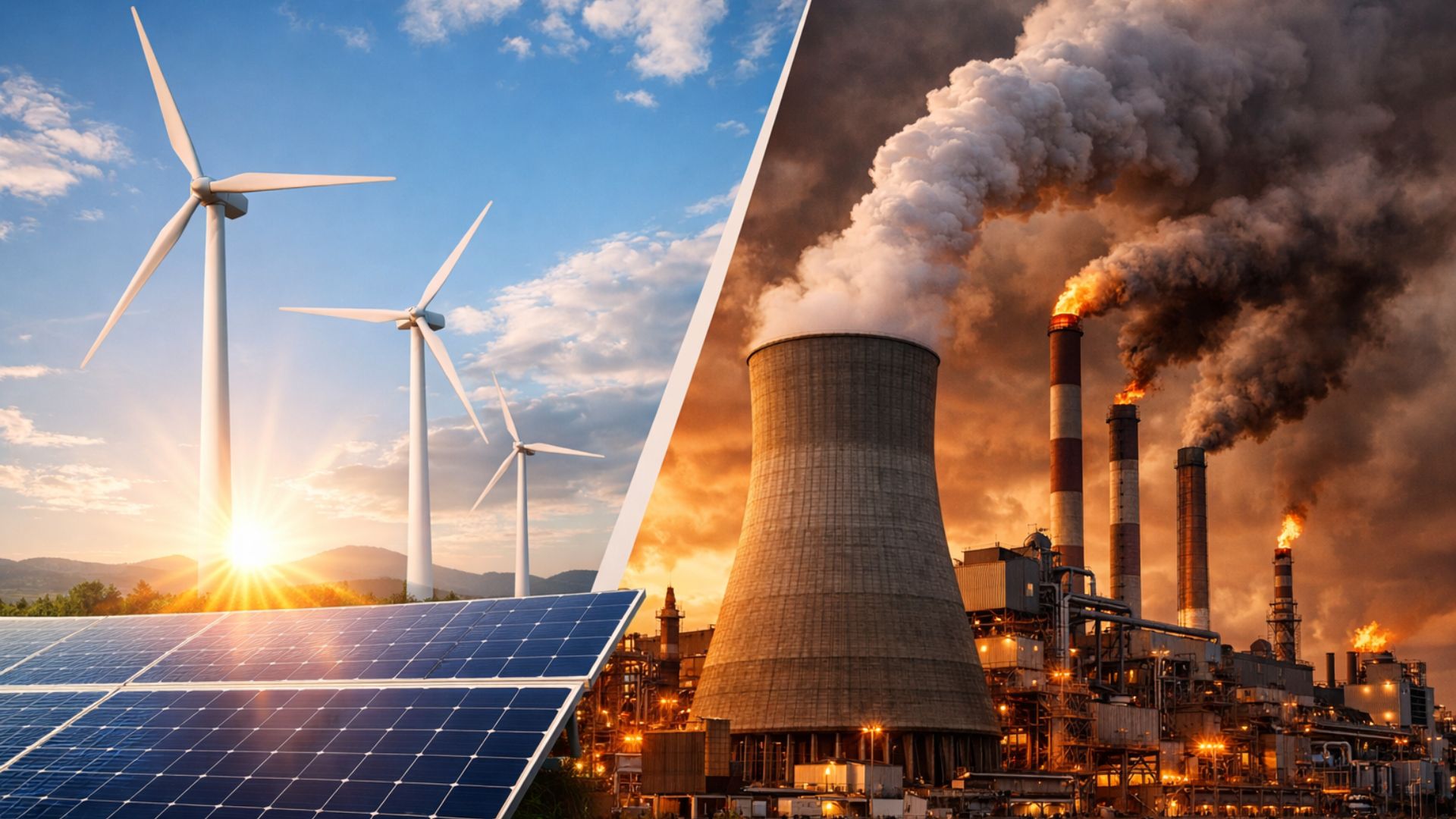
Understand how thermal security has become a key element in the energy transition by ensuring a balance between intermittent renewable energies and thermal sources capable of sustaining the electrical system during critical moments.
-
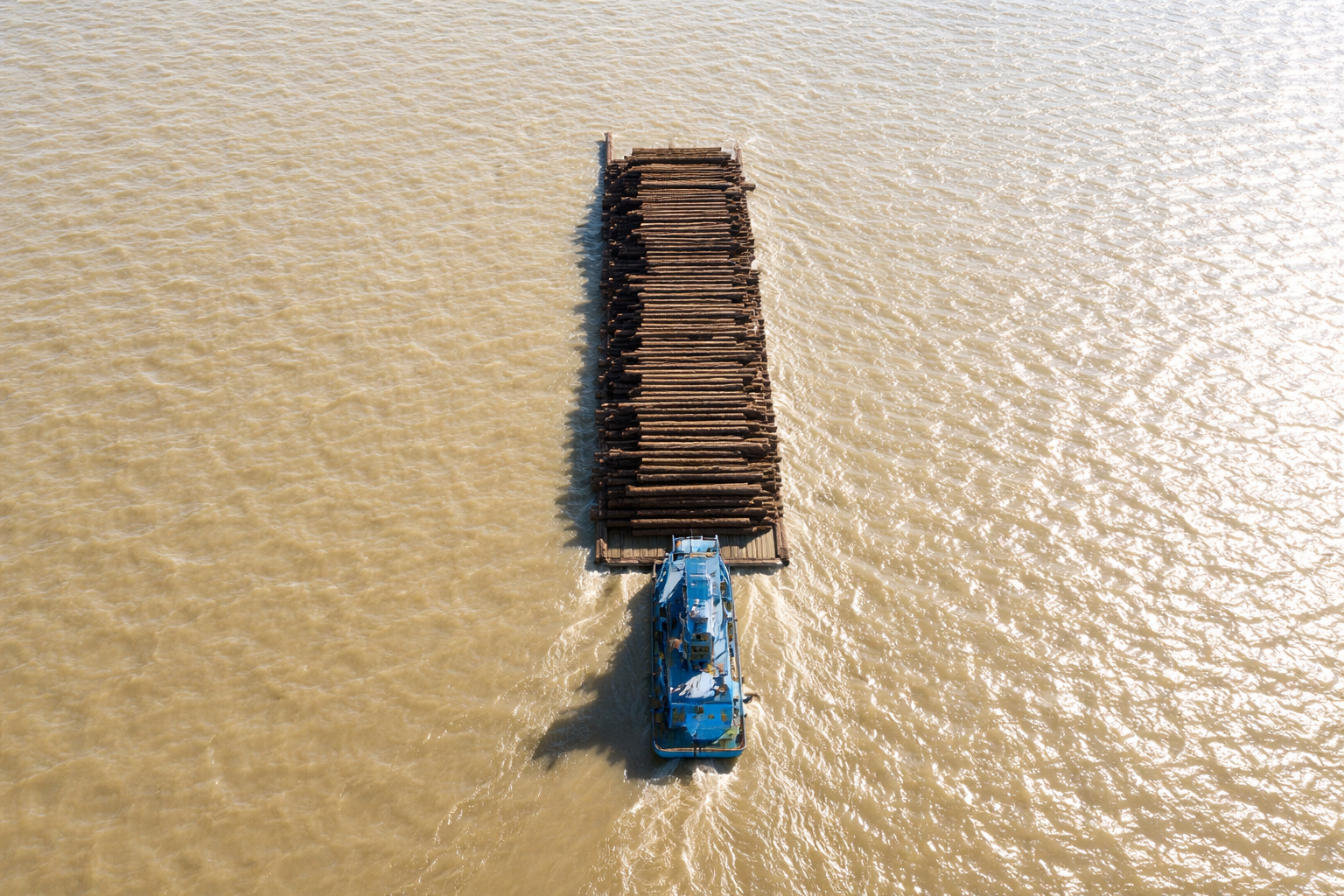
Billion-dollar investment for the forest: World Bank releases funds to expand renewable energy and create thousands of new green jobs in the Amazon region.
-
Switzerland invested over $2.3 billion and bet on water, altitude, and solid rock to create a battery in the Alps capable of powering more than 1 million homes.

Economy for Public Coffers through Energy Generation at the Municipal Landfill
The energy generation at the landfill plays a central role in reducing the city hall’s electricity expenses. The system operates by capturing the biogas produced by the decomposition of urban solid waste.
This gas is directed to generating engines that convert the natural fuel into electricity. The energy generated is converted into energy credits that directly reduce the municipality’s electricity bills.
This way, the savings for public coffers have become significant. Instead of directing resources exclusively to electricity payments, the city hall can redirect part of this budget for investments in essential areas such as health, education, and infrastructure.
This type of solution shows that sustainability projects can yield concrete results for public management. By transforming the landfill into a clean energy production unit, São José dos Campos enhances its administrative efficiency and strengthens the responsible use of public funds.
Installed Technological Structure at the Landfill Ensures Energy Efficiency
The unit responsible for generating clean energy is located at the municipal landfill and is operated by Urbam, a public company responsible for urban services in the city.
The infrastructure uses six generating engines with a capacity of 1.6 MWh, responsible for converting biogas into electricity. This technology allows the gas produced naturally by the decomposition of waste to be efficiently utilized.
The operation of the system is relatively simple but requires strict technical control. The biogas is captured by a network of pipes installed in the landfill and directed to the generating engines. The combustion of the gas drives the equipment and generates electricity that can be used by the municipal administration.
This model transforms an environmental liability — the gas generated by waste — into an energy asset capable of generating savings and sustainability for the municipality.
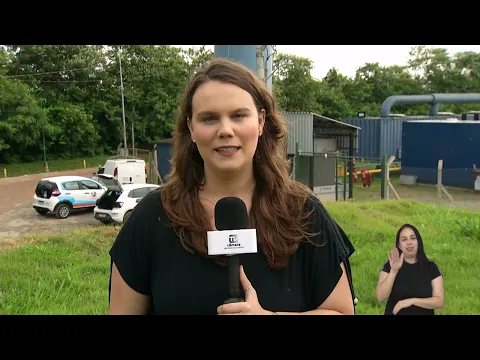

Clean Energy from the Landfill Fuels Part of the Consumption of Public Buildings
The electricity generated at the landfill directly contributes to the operation of various municipal services. According to data from the city hall, the energy production of the unit is sufficient to meet about 30% of the energy consumption of public buildings.
Among the structures benefited are municipal schools, hospitals, administrative units, and other public facilities. This means that a significant portion of the municipal administration’s activities operates with clean energy produced within the city itself.
The energy compensation system allows the generated energy to be converted into credits. These credits are deducted from the city hall’s electricity bills, ensuring a direct reduction in public expenses.
This mechanism strengthens the municipality’s energy autonomy and helps to increase the savings in public coffers, while also promoting the use of renewable sources.
Methane Capture at the Landfill Reduces Environmental Impacts and Strengthens Sustainability
In addition to financial savings, the project brings significant environmental benefits. The biogas generated at the landfill primarily consists of methane (CH4), a highly polluting greenhouse gas.
According to international climate studies, methane has a global warming potential significantly greater than carbon dioxide. In comparative terms, it can be about 21 times more impactful for global warming than CO2.
When there are no capture systems, this gas is released directly into the atmosphere during the decomposition process of waste. By installing energy recovery infrastructure, São José dos Campos prevents large volumes of methane from being emitted into the environment.
The capture of the gas and its transformation into clean energy reduce the environmental impact of the landfill and contribute to urban sustainability goals. Thus, the municipality aligns environmental preservation with energy efficiency and responsible management of public resources.
São José dos Campos Landfill Receives Environmental Recognition
The quality of environmental management at the landfill is also recognized by specialized agencies. The site has received several positive evaluations from the Environmental Company of the State of São Paulo, responsible for environmental monitoring in the state of São Paulo.
The São José dos Campos landfill has already achieved the maximum score of 10 from CETESB in five different evaluations, a result that demonstrates the high standard of environmental control adopted at the unit.
Among the factors analyzed in the evaluations are the proper treatment of leachate, the structural stability of the landfill, drainage systems, and biogas capture.
These practices show that it is possible to operate a landfill with a high level of environmental efficiency, transforming the location into an infrastructure capable of generating clean energy and promoting savings for public coffers.

Circular Economy Model Transforms Waste into Clean Energy and Savings
The project developed in São José dos Campos also represents a practical example of a circular economy. In this model, waste that would previously be discarded is repurposed as a source of energy.
The decomposition of organic matter in the waste naturally generates biogas. Instead of wasting this resource, the municipality invested in technology to capture and transform the gas into electricity.
This process creates a more efficient productive cycle. The waste collected by the city is directed to the landfill, where the decomposition of the waste occurs. The gas generated in this process is captured and converted into clean energy, which returns to supply public structures.
At the same time, energy generation reduces electricity costs and increases savings for public coffers. This model demonstrates how well-structured environmental policies can provide long-term economic and social benefits.
Environmental Innovation Strengthens Public Management and Projects New Paths for Sustainable Cities
The experience of São José dos Campos demonstrates how innovative solutions can transform urban challenges into opportunities for sustainable development. The use of the landfill as a source of clean energy represents an efficient strategy to reduce public costs and minimize environmental impacts.
The results obtained in 2025, with savings of R$ 2,798,399.38 on energy bills and a reduction of about 40% in the municipality’s electricity expenses, show that the initiative has a real impact on the city’s financial management.
Moreover, the approximate monthly savings of R$ 233 thousand highlight how local energy generation can strengthen the municipal administration’s investment capacity.
By capturing the methane generated at the landfill and transforming it into electricity, the municipality reduces pollutant gas emissions, enhances energy efficiency, and ensures better use of public resources.
This model reinforces São José dos Campos’s role as a city that invests in technology, sustainability, and administrative innovation. By transforming waste into clean energy and savings for public coffers, the municipality shows that well-planned environmental policies can generate lasting benefits for society as a whole.



-

-

3 pessoas reagiram a isso.