





 Portuguese
  English
  Spanish
  2 min of reading


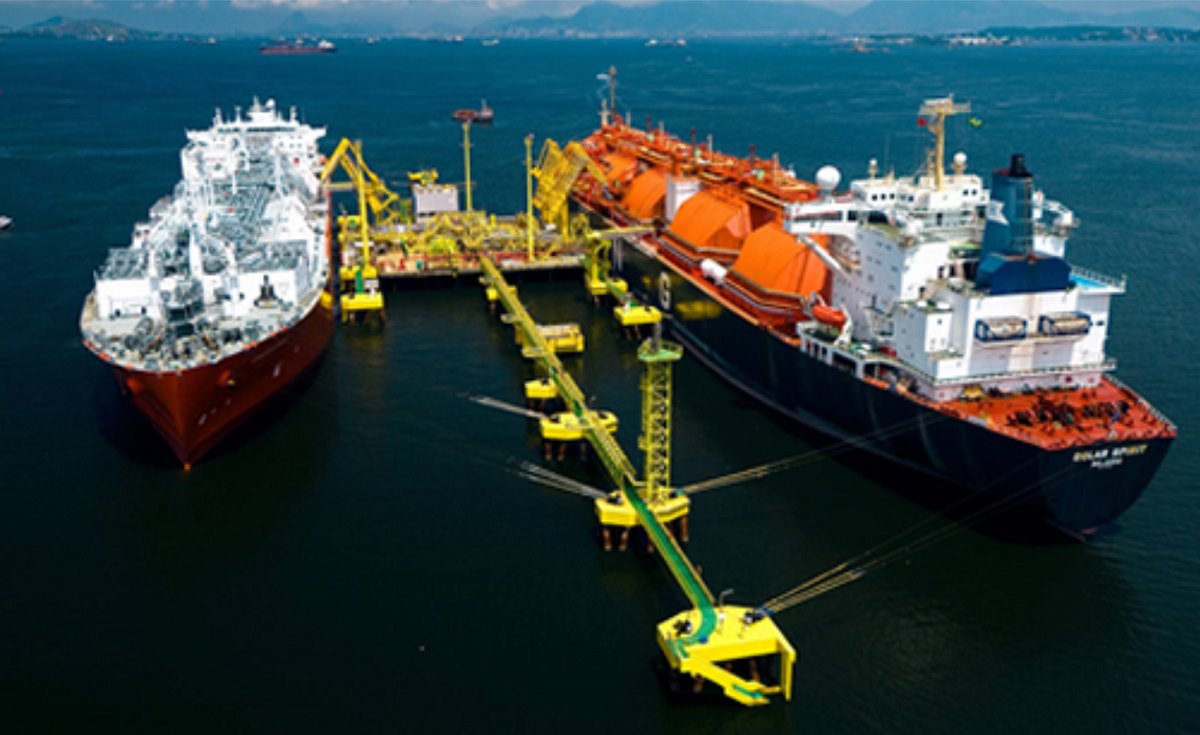
Comgás’ LNG Terminal in Baixada Santista Receives Environmental Approval, Will Be the First in the State of São Paulo and Aims to Strengthen Distribution in the Region
The São Paulo Gas Company (Comgás) received yesterday (04/30) the approval from the Secretary of Infrastructure and Environment of the State of São Paulo, for the Environmental Impact Study and Report (EIA-Rima) of Comgás’ liquefied natural gas (LNG) terminal in Baixada Santista.
The terminal will be responsible for increasing the LNG distribution capacity in the state of São Paulo and is part of the company’s investment planning totaling R$ 354 million.
The São Paulo Gas Company is a Brazilian company, considered by Abegás the largest distributor of piped natural gas in Brazil, in terms of gas distributed, and it has 1.5 million customers.
-
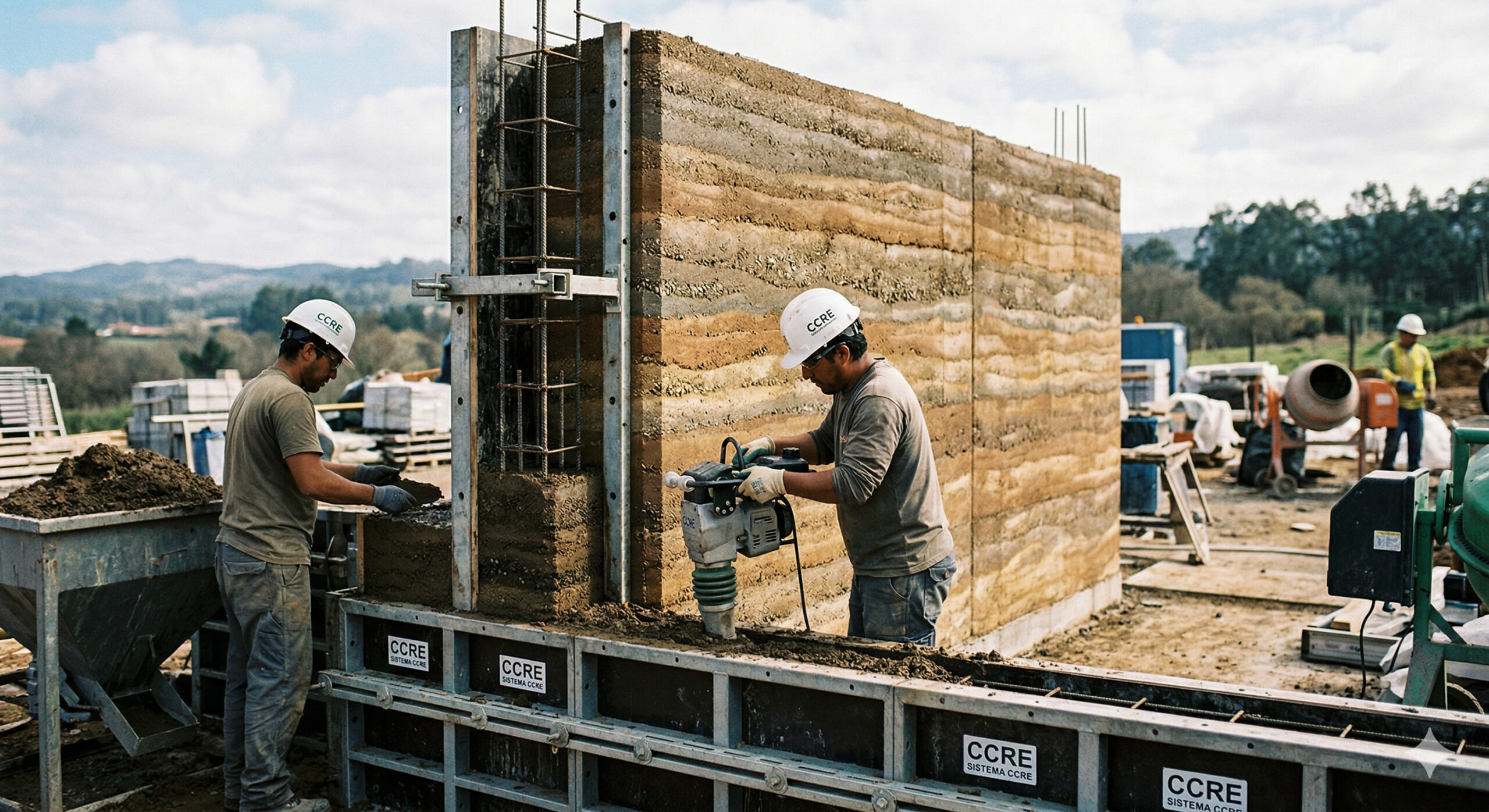
Without cement, without steel, and using only earth and recycled cardboard, engineers have created a construction system that drastically reduces carbon emissions and could change the way houses are built around the world.
-
Alert in the electric sector: excess solar energy triggers overload in the Brazilian electrical system, forces the operator to shut down power plants, and exposes an unexpected risk that could affect stability and energy costs.
-
Russia spent $5 billion and 28 years modernizing a nuclear warship that had been inactive since 1997. The Admiral Nakhimov returned to the sea in August 2025 as the heaviest surface combat ship in the world, with 176 missile launchers, including hypersonic Zircon missiles.

-
James Webb finds 300 galaxies with mysterious scars, and this discovery may show that the universe was born much more violently than astronomers had imagined.


The FSRU (Floating Storage and Regasification Unit)
The FSRU will be anchored in the Caneú Lake, near Bagres Island in Santos, São Paulo, and will have the capacity to regasify up to 14 million m³/d, with its gas reaching the city gate of Cubatão through a 5 km long pipeline.
The project has already undergone public hearings in the region between October 10 and 15 of last year, and now with this EIA-Rima approval, the expectation is to start operations in 2020.
Following the current trend in the country to bet on natural gas (LNG), there are currently two more projects underway, one of which is at the Port of Açu, in northern Rio de Janeiro, with a capacity to regasify up to 21 million m³/day.
The other project is located in São Francisco do Sul (SC), which will have the capacity to receive up to 15 million m³/day of LNG.
Currently, Brazil has four LNG regasification terminals in operation, located in Rio de Janeiro, Bahia, and Ceará, which belong to Petrobras, and the terminal located in the municipality of Barra dos Coqueiros (SE) belongs to CELSE (Companhia Elétrica de Sergipe).







Seja o primeiro a reagir!