





 Portuguese
  English
  Spanish
  2 min of reading


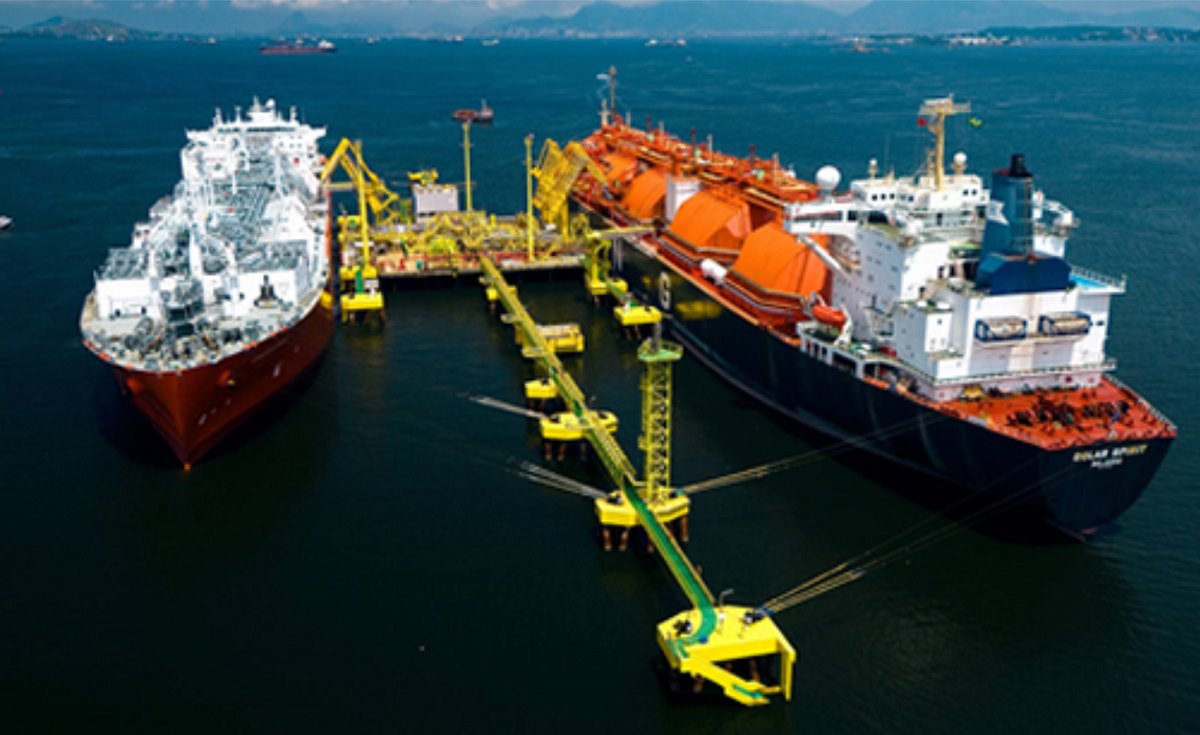
Comgás’ LNG Terminal in Baixada Santista Receives Environmental Approval, Will Be the First in the State of São Paulo and Aims to Strengthen Distribution in the Region
The São Paulo Gas Company (Comgás) received yesterday (04/30) the approval from the Secretary of Infrastructure and Environment of the State of São Paulo, for the Environmental Impact Study and Report (EIA-Rima) of Comgás’ liquefied natural gas (LNG) terminal in Baixada Santista.
The terminal will be responsible for increasing the LNG distribution capacity in the state of São Paulo and is part of the company’s investment planning totaling R$ 354 million.
The São Paulo Gas Company is a Brazilian company, considered by Abegás the largest distributor of piped natural gas in Brazil, in terms of gas distributed, and it has 1.5 million customers.
-
More than 230 Brazilian companies move production to Paraguay, pay a tax rate close to 12%, compared to about 80% in Brazil, and use Mercosur to sell back to the domestic market without import tax.
-
Starlink, by Elon Musk, wants to transform its satellites into a cellular operator capable of covering any point on the planet, but the three American giants in the sector, AT&T, T-Mobile, and Verizon, rejected the partnership and joined forces for the first time to try to contain the company’s advance.
-
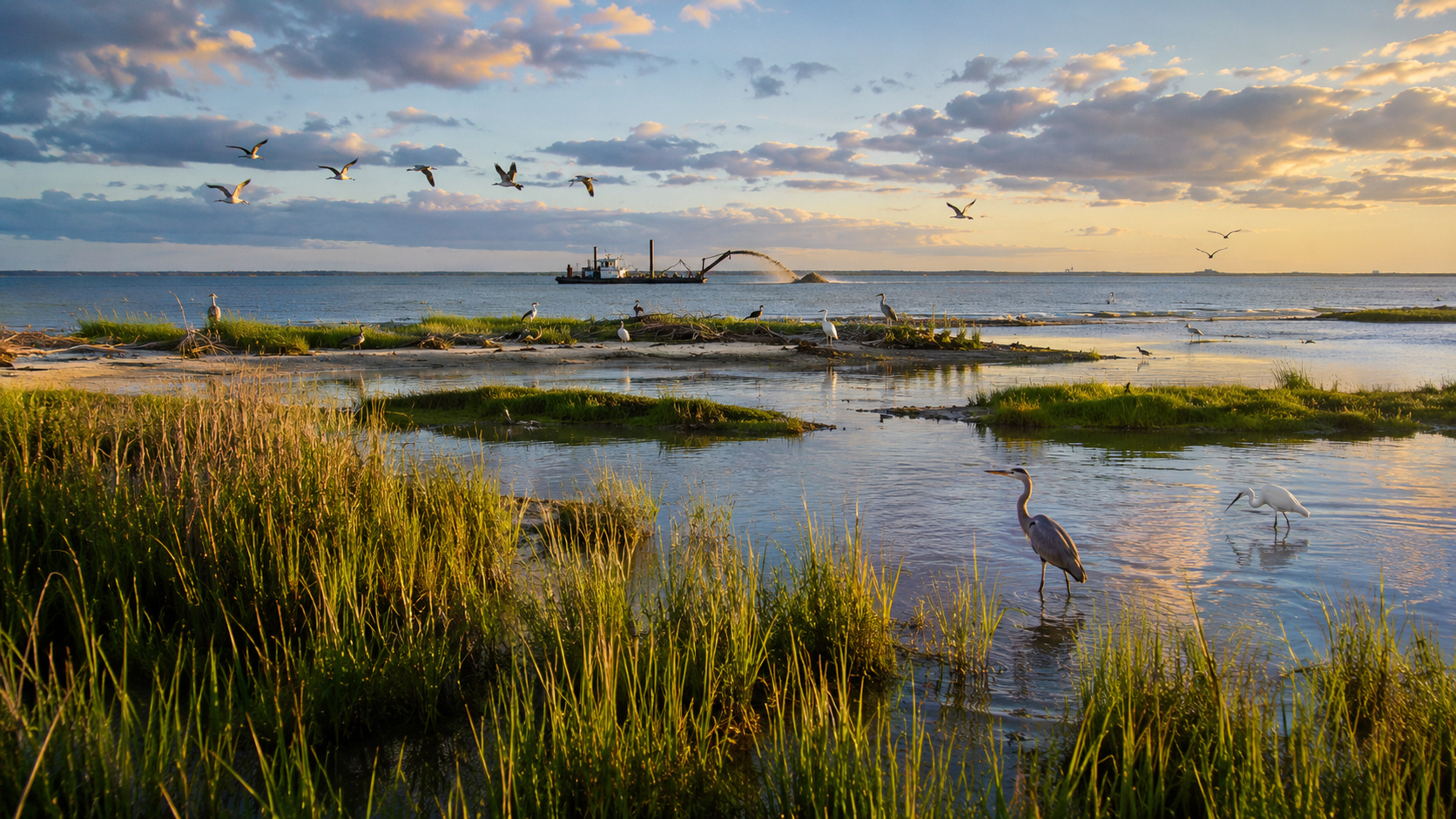
Dredged material from navigation channels restores life to Poplar Island, reconstructs 1,715 acres of land, expands open water zones, and creates a refuge for hundreds of migratory and local bird species.

-
About 500 kilos of green stones with juvenile algae are spread in the ocean to regenerate underwater forests, reduce costs, and accelerate the restoration of marine habitats.

The FSRU (Floating Storage and Regasification Unit)
The FSRU will be anchored in the Caneú Lake, near Bagres Island in Santos, São Paulo, and will have the capacity to regasify up to 14 million m³/d, with its gas reaching the city gate of Cubatão through a 5 km long pipeline.
The project has already undergone public hearings in the region between October 10 and 15 of last year, and now with this EIA-Rima approval, the expectation is to start operations in 2020.
Following the current trend in the country to bet on natural gas (LNG), there are currently two more projects underway, one of which is at the Port of Açu, in northern Rio de Janeiro, with a capacity to regasify up to 21 million m³/day.
The other project is located in São Francisco do Sul (SC), which will have the capacity to receive up to 15 million m³/day of LNG.
Currently, Brazil has four LNG regasification terminals in operation, located in Rio de Janeiro, Bahia, and Ceará, which belong to Petrobras, and the terminal located in the municipality of Barra dos Coqueiros (SE) belongs to CELSE (Companhia Elétrica de Sergipe).








Be the first to react!