





 Portuguese
  English
  Spanish
  2 min of reading
  3 comments


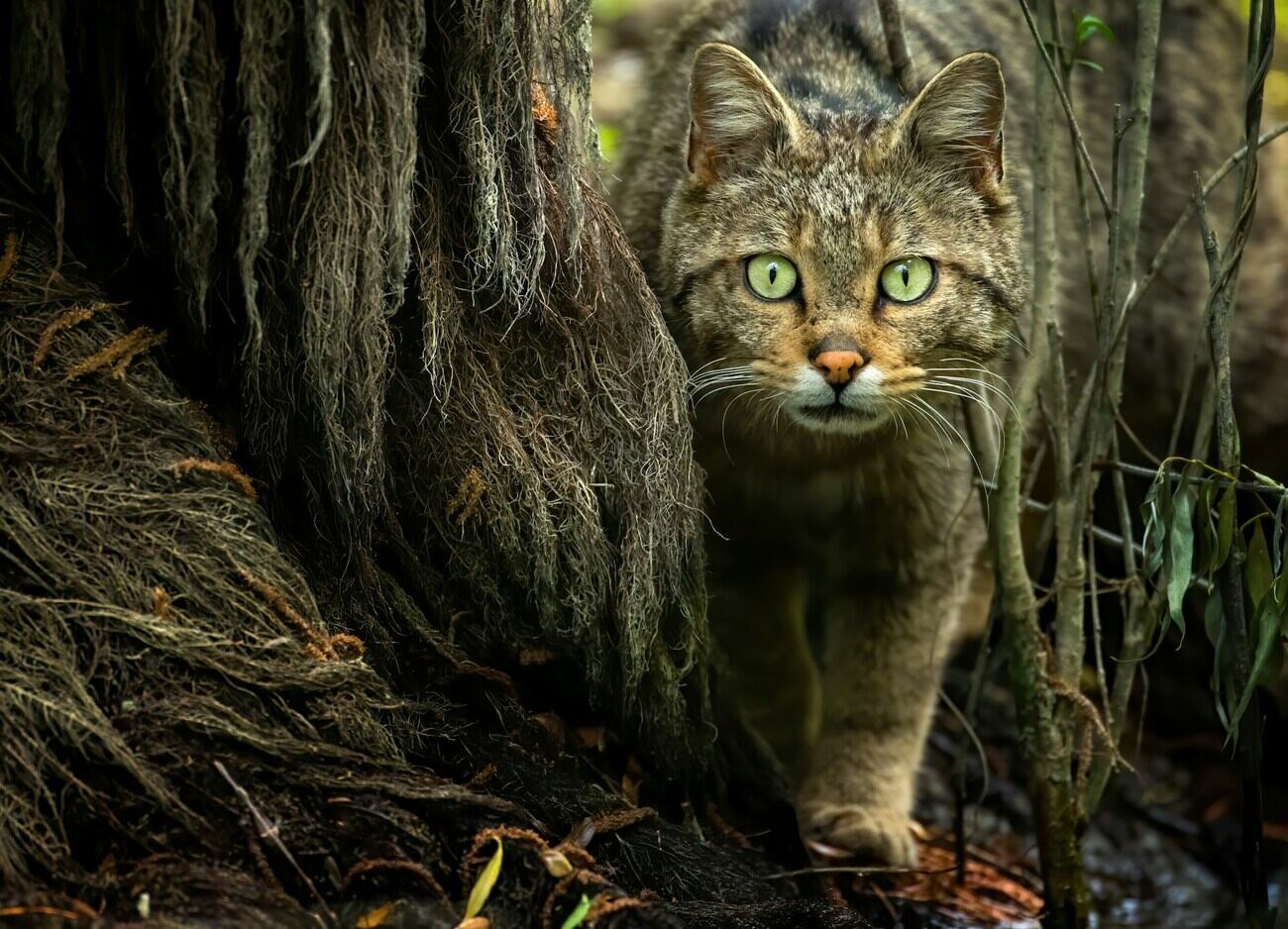


Solar-Powered Robots Use Sensors And Selective Poison To Eliminate Wild Cats, Preserving Native Wildlife And Reducing Environmental Costs In Australia
Aussie cities have launched a groundbreaking action to tackle the proliferation of wild cats. The chosen solution involves deploying lethal robots capable of identifying and eliminating these felines. The goal is to preserve threatened species that suffer from intense predation.
Unlike domestic cats, wild cats are considered dangerous invaders. They cause serious damage to local ecosystems, resulting in a daily massacre of wildlife.
The measure aims to mitigate this impact and prevent the loss of biodiversity.
-
Home environment can influence the brain, mood, and well-being: studies indicate an increase of up to 15% in productivity, a reduction of 12% in stress with plants, and a direct impact of the circadian rhythm on the 24 hours of the day.

-
A Brazilian millionaire couple restores a farm over 150 years old in the interior of São Paulo and transforms the historic property with Portuguese tiles, antique furniture, and new spaces into a refuge that blends tradition, comfort, and sophistication.

-
Submerged city in a lake in Minas reveals intact streets, preserved vehicles, and houses after more than 60 years, impressing divers.

-
Yellowstone has started to rise again in an area of the caldera, and the movement rekindles fears surrounding the U.S. supervolcano, as scientists monitor the deformation and try to understand what is happening underground.


The target is to eliminate about 6 million animals within five years. To implement the plan, authorities invested € 4.6 million, equivalent to AUD 7.6 million, in the purchase and installation of 15 robots.
The Threat To Australian Wildlife
Wild cats arrived in Australia and quickly adapted, spreading across various regions.
Since then, they have caused ecological imbalance by hunting native species, some already threatened with extinction.
According to estimates, each wild cat kills an average of 186 animals per year. In total, more than 5 million animals die daily due to predation. This includes reptiles, birds, mammals, and amphibians.
About 120 Australian species are threatened by this invasion. Among the most critical examples are the numbat and the rock-wallaby, which suffer from hunting and competition for food.
How The Robots Work
Developed by the company Thylation, the robots operate on solar energy and use advanced sensors to recognize wild cats.
Identification is based on morphology and movement patterns, ensuring accuracy and efficiency.
When they detect a feline, the robots release the toxic gel Poison 1080. The poison is ingested during the animal’s grooming, ensuring that only the target is affected.
The system employs algorithms that prevent harm to non-target animals. Protected species and domestic cats are spared, ensuring that only the invaders are eliminated.
Environmental And Economic Impact
The issue goes beyond environmental preservation. The damage caused by wild cats represents nearly AUD 300 million in annual conservation costs.
This figure also reflects the economic losses related to biodiversity.
Australia argues that, despite activists’ criticism, the action is necessary. The most important thing, according to the government, is to prevent further destruction of native wildlife.
Thus, the deployment of lethal robots is seen as a decisive step towards balancing the ecosystem.
With information from Gazeta de São Paulo.







Porque eles não se matam tem tanto indivíduo podre hoje que dá nojo ainda eles vem matar gatos matam vcs mesmo crapulas
**** australianos, fazer uma matança dessas, queria que esses idealizadores da ideia morressem da mesma forma
Um plano preguiçoso, que parece mais um atalho cruel pra resolver problemas causados pelas próprias ações humanas. Por que não investir esse dinheiro em controle populacional? Castração, campanhas de adoção e outras soluções éticas existem. Matar milhões de animais com robôs e veneno não é proteger o meio ambiente, é só crueldade disfarçada de tecnologia.