





 Portuguese
  English
  Spanish
  4 min of reading
  0 comments


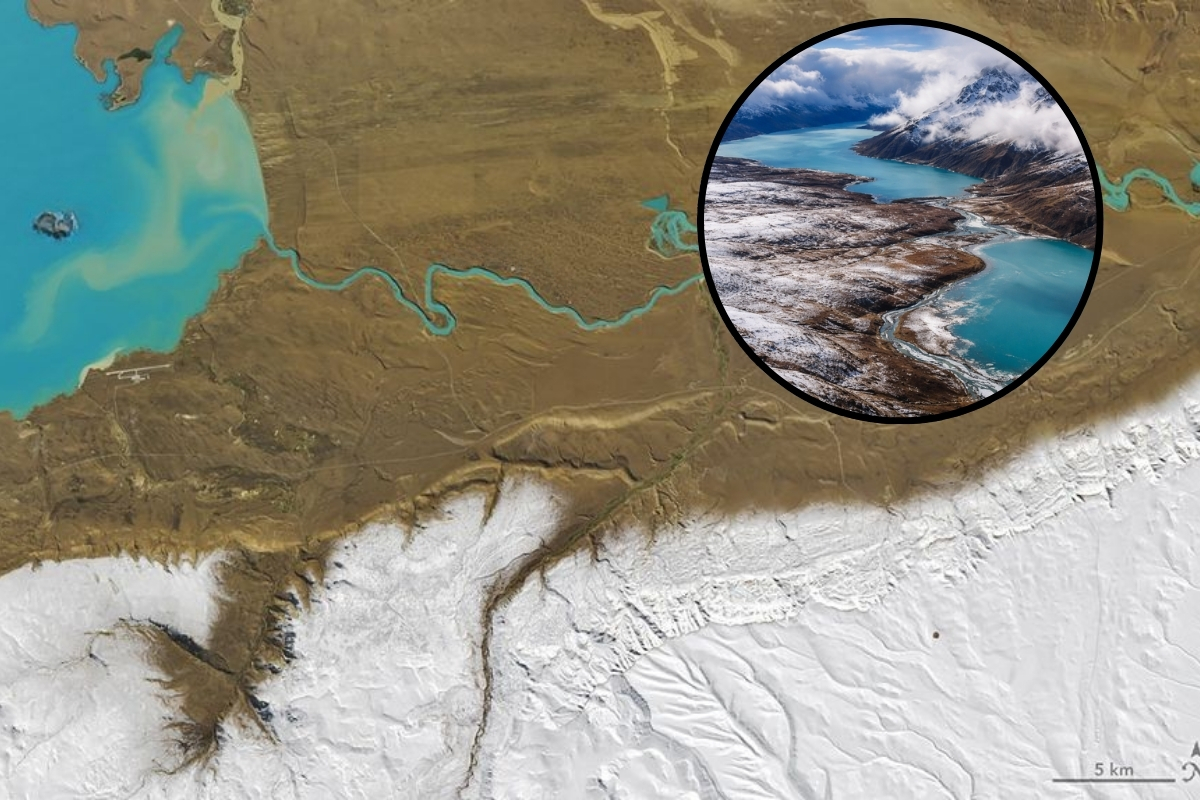
Rare storm transforms the dry landscape of Argentine Patagonia, spreads snow over high regions, and reveals a scene so unusual that NASA images caught the world’s attention
A storm in early autumn surprised southern Argentina and left a scene that looks like it came from another world. In the midst of the arid Patagonia, areas that are normally dry and brown appeared covered in snow, creating an impressive contrast with turquoise lakes and mountains shrouded in clouds.
The phenomenon was recorded by NASA satellites and drew attention for its visual strength: white snow spread over one of the driest regions of the country. However, the spectacle lasted only a short time and disappeared almost as quickly as it appeared.
A rare event that changed the landscape of Patagonia
On the eastern side of the Andes, southern Argentina usually displays a dry landscape of earthy tones, cut by glacier-fed lakes. But in early April 2026, a storm completely changed this image and covered large areas of the region with snow.
-
Pocket-Fab: USP places semiconductors at the center of the national strategy by developing portable factories that promise to increase production, generate skilled jobs, and strengthen Brazilian technological autonomy.

-
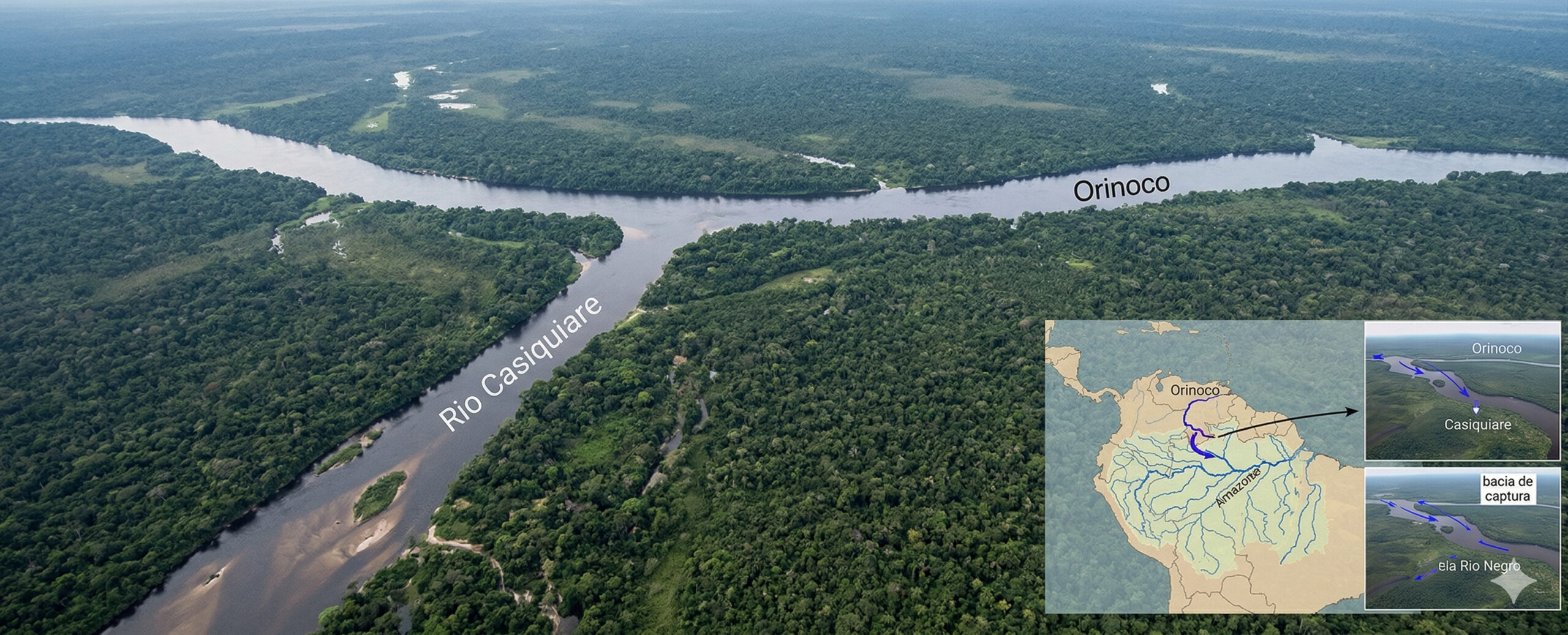
Casiquiare, a river that connects the Orinoco and Amazon, has challenged hydrology for centuries; cartographers created fictitious mountains to deny its existence, and Humboldt traveled 1,725 miles through the jungle in 1800 to prove that the maps were wrong.
-
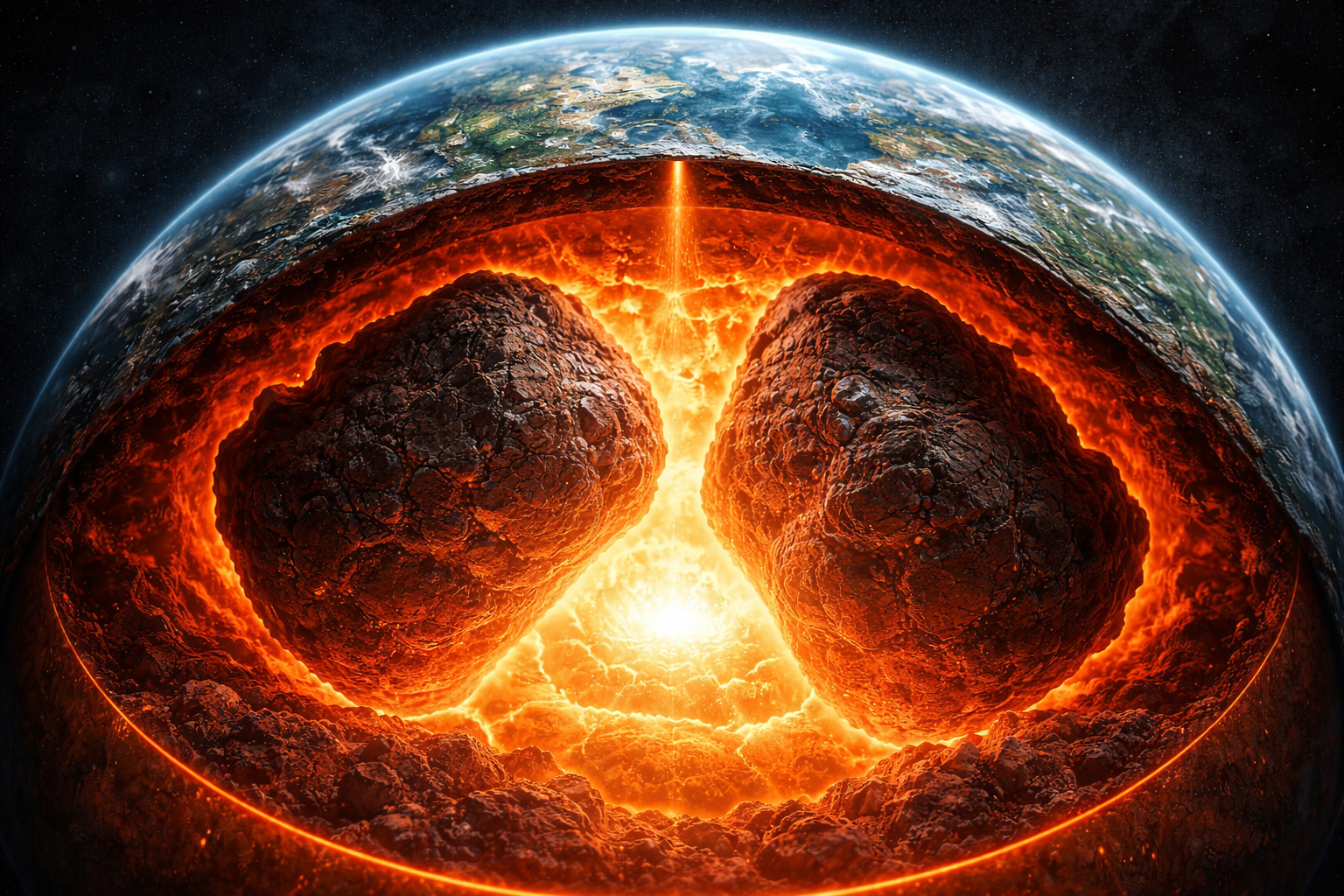
At a depth of 2,900 km, Tuzo and Jason form two colossal structures buried beneath Africa and the Pacific that have challenged science for decades, and a new study suggests that these gigantic structures may have originated from material exchanges between the core and the mantle in the early days of Earth.
-
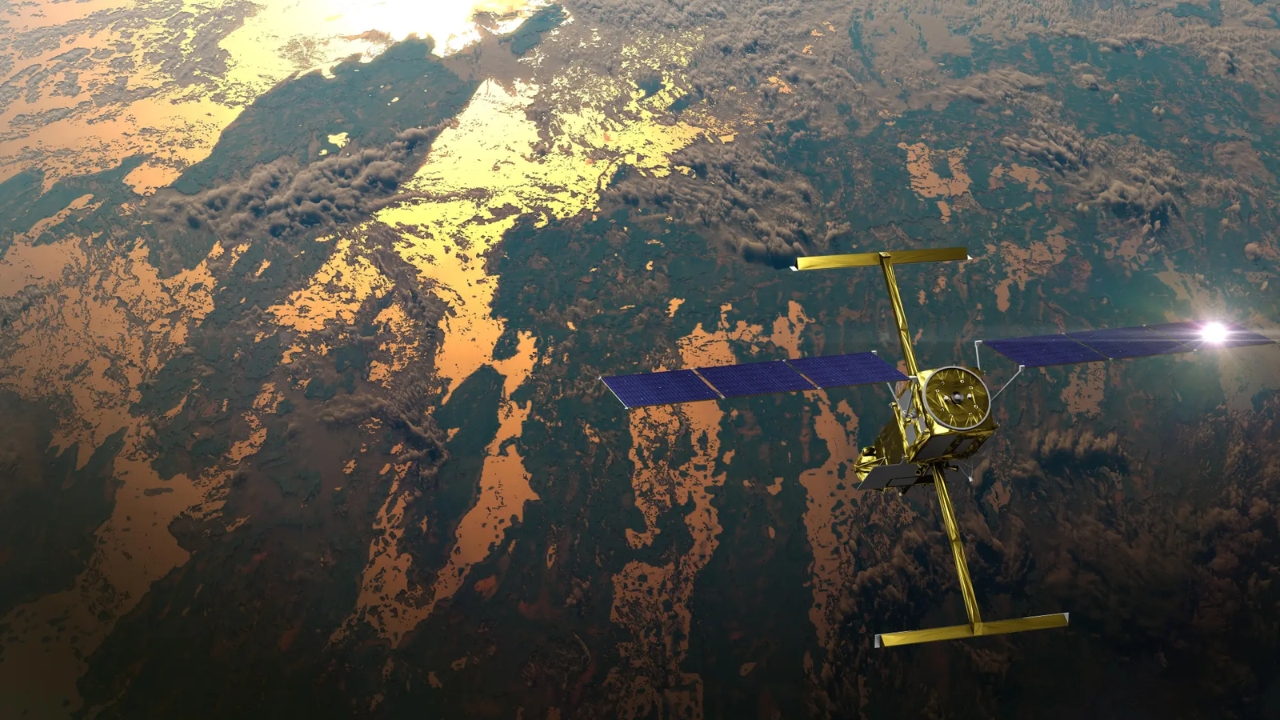
NASA and France use a high-precision radar satellite to monitor 127,000 river segments and discover incredible data about the global fluctuations in water volume.
The result was an unusual and striking scene. The so-called Patagonian steppe or desert gained a temporary white mantle, transforming the landscape into one of the most impressive records of early autumn in South America.
The satellite images that revealed the spectacle

NASA Earth Observatory/Michala Garrison
The phenomenon was observed by the MODIS instrument aboard NASA’s Terra satellite on the morning of April 3. The images show snow spread over elevated areas of southern Argentina, with the Andes partially covered by clouds in the background.
Another record, made by Landsat 9, highlighted an even more impressive detail: the exact line where the snow ends and the dry terrain begins. This contrast reinforces how visually extraordinary the event was.
Why it snowed so much in this region
According to experts, the beginning of autumn has been wetter than normal in southern Patagonia. Satellite-based estimates indicated precipitation volumes above average between the end of March and the beginning of April, favoring the occurrence of snow in elevated areas.
A large part of the moisture tends to concentrate on the western side of the Andes. Still, strong winds can push some of this snow to the Argentine side, creating rare scenes like the one recorded during this storm.
Blue lakes intensify the impressive contrast
Besides the snow, another detail stands out in the images: the intense color of the region’s lakes. Lake Argentino and other nearby areas display milky blue and turquoise tones that seem unreal when contrasted with the white of the snow and the brown of the dry terrain.
This coloration occurs due to what is known as glacial flour, a very fine sediment produced by the erosion of glaciers. Suspended in the water, this material reflects light in a special way and creates the striking visual that helps make the landscape even more fascinating.

NASA Earth Observatory/Michala Garrison
Intense beauty, but ephemeral
Despite the visual impact, the spectacle lasted only a short time. By the afternoon of April 4, new satellite images showed that much of the snow had melted, remaining only in the higher mountainous areas.
This rapid change reinforces the ephemeral nature of the phenomenon. In just a few hours, Patagonia returned to its usual appearance, leaving behind only impressive records and a rare portrait of the power of the climate in the region.
When nature creates a scenario that seems impossible
Snow over a desert, lakes of surreal tones, and mountains hidden by clouds: the scene recorded in southern Argentina brought together elements that naturally spark curiosity. It is not just a meteorological event, but a type of image that captures the eye and provokes immediate astonishment.
More than an isolated episode, the phenomenon shows how Patagonia can reveal extreme and unexpected landscapes. And when that happens, the result is the kind of natural spectacle that quickly draws the world’s attention.








Seja o primeiro a reagir!