





 Portuguese
  English
  Spanish
  3 min of reading
  0 comments


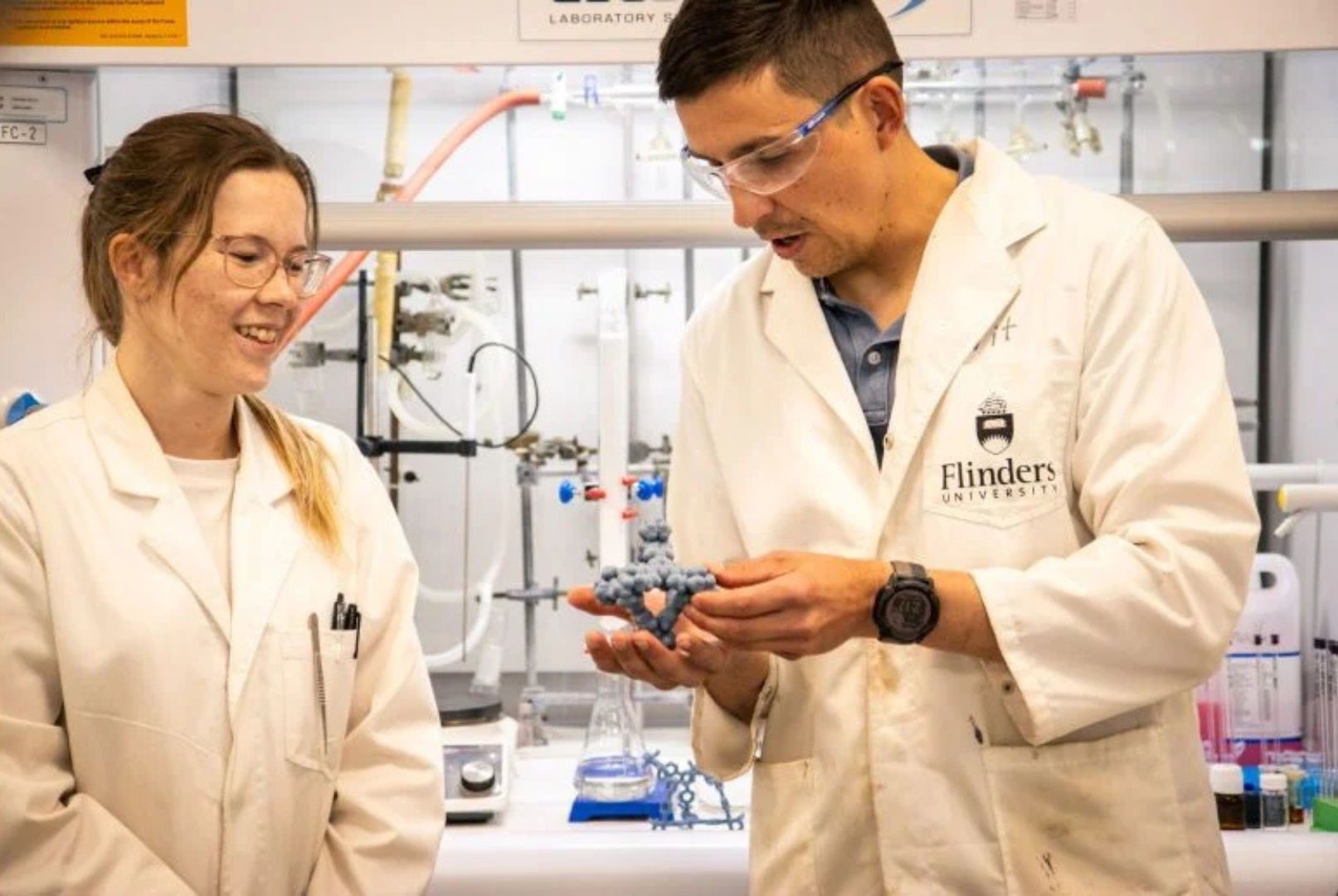
A technological innovation based on nanocapsules promises to revolutionize water treatment by capturing almost all of the persistent chemical contaminants that threaten public health and the global environment.
A new filtration technology developed in Australia has achieved promising results in removing persistent chemical substances from water supply systems. Researchers at Flinders University, led by Dr.
Witold Bloch, created a specialized material capable of capturing up to 98% of the so-called “forever chemicals” present in tap water. The innovation particularly focuses on short-chain variants of PFAS, extremely small molecules that often escape conventional filtration methods due to their high mobility.
The advancement utilizes a molecular engineering strategy based on a nano-scale “cage” structure to attract contaminants. Unlike traditional adsorbents, this new water filter forces the smaller PFAS molecules to cluster within specific cavities, ensuring an exceptionally strong chemical bond. This capture mechanism has been successfully tested at pollutant concentrations equivalent to those found in real environments, demonstrating high efficacy in treating water resources.
-
Scientists have found a new “neighbor” in space: meet the Earth-sized planet that could be the key to uncovering whether life exists and how atmospheres survive on alien worlds.

-
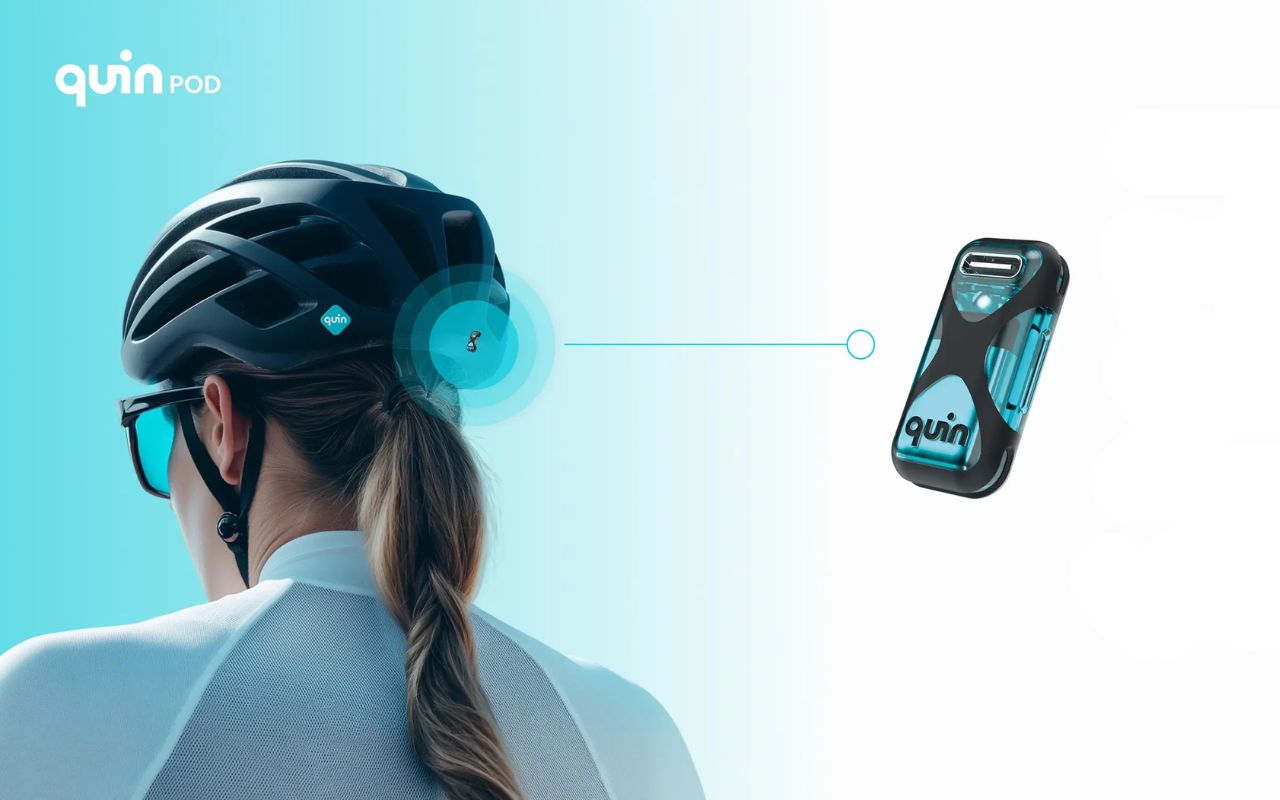
A new technology attached to the helmet can detect motorcycle accidents in seconds, assess the severity, and send the location to emergency services; meet Quin, a small smart device.
-
The bizarre train that uses Cold War jet fighter engines to blast air at over 1,000 km/h, melting ice walls and freeing frozen tracks in minutes where ordinary machines would take hours.

-
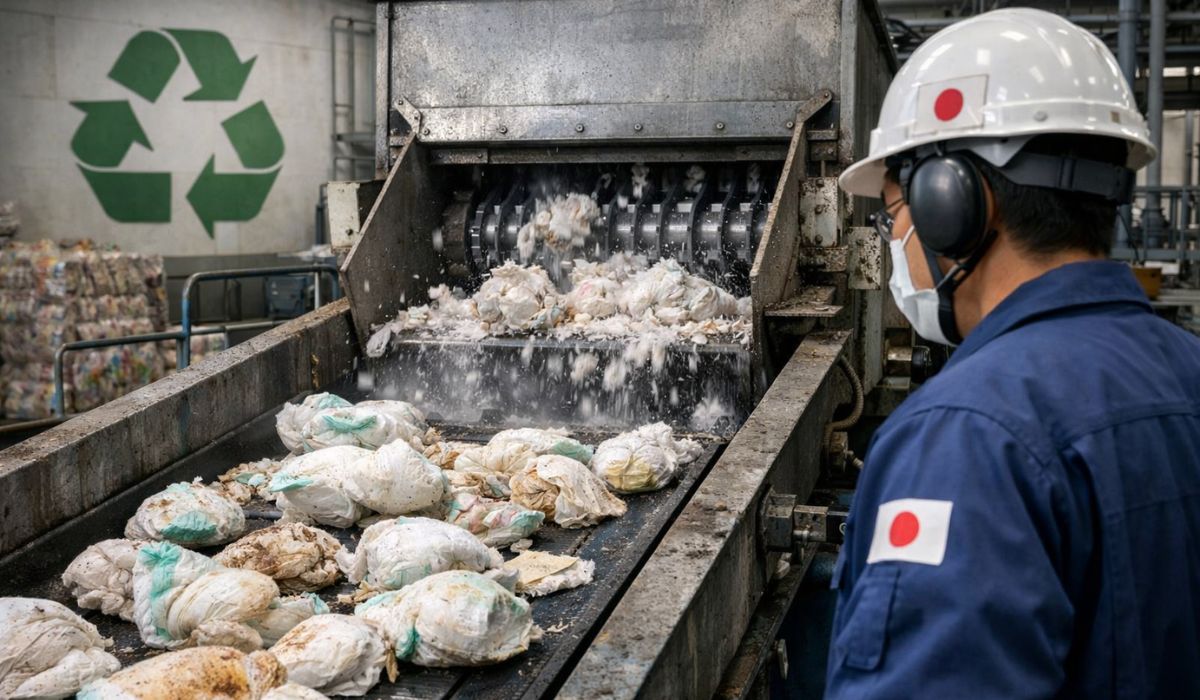
Japan is transforming dirty diapers from babies and the elderly into an ambitious and surprising project that could forever change the way the world deals with one of the most difficult types of waste to dispose of.

Nanoscale capture mechanism
The efficiency of the new system lies in the precise behavior of molecules at the molecular level within the containment structure. Caroline Andersson, a PhD student in chemistry at Flinders University and the project’s lead author, emphasizes that the addition of the nanoscale cage allows the material to isolate short-chain PFAS forms, known to be notoriously difficult to filter. The detailed study of chemical interactions enabled the team to design an optimized adsorbent for the removal of these resistant compounds.
The developed material operates distinctly from common adsorption methods, which often fail to handle the wide range of variants of these substances. By understanding the exact binding behavior of the contaminants, scientists were able to create a more robust physical and chemical barrier. This technical approach is seen as a crucial step in addressing pollution from synthetic compounds that accumulate in the environment and the human body.
Reusability and sustainability of the system
In addition to the high filtration rate, the new water filter has proven to be a sustainable solution due to its ability to be reused multiple times. In laboratory tests, the material maintained its original effectiveness after at least five complete cycles of use, suggesting a prolonged lifespan for practical applications. This reusability feature is essential for making the technology viable on a large scale, reducing operational costs and waste of filtering materials.
The durability of the adsorbent has been proven under rigorous conditions, maintaining 98% performance in removing substances even after successive washings and regeneration processes. Dr. Witold Bloch points out that the development of these advanced materials represents a necessary evolution in protecting water sources against persistent contaminants. The research focuses on creating practical tools that can be integrated into existing water treatment infrastructure.
Environmental persistence of PFAS compounds
The substances targeted by this new water filter originate from various industrial processes and everyday consumer products.
PFAS is widely used in firefighting foams in aviation, water- and grease-resistant coatings in packaging, and other products that require resistance to water and grease. Due to their chemical stability, these compounds do not decompose naturally, remaining in the environment and circulating in water cycles indefinitely.
The ability to capture the full spectrum of these molecules, from long-chain to short-chain, is the main differentiator of the Australian technology.
The project aims to provide a definitive solution to one of today’s most persistent environmental challenges, focusing on water security on a global scale. The success of initial tests paves the way for the material to be adapted for use in treatment plants and household filtration devices.
Click here to check the study.








Seja o primeiro a reagir!