





 Portuguese
  English
  Spanish
  4 min of reading
  0 comments


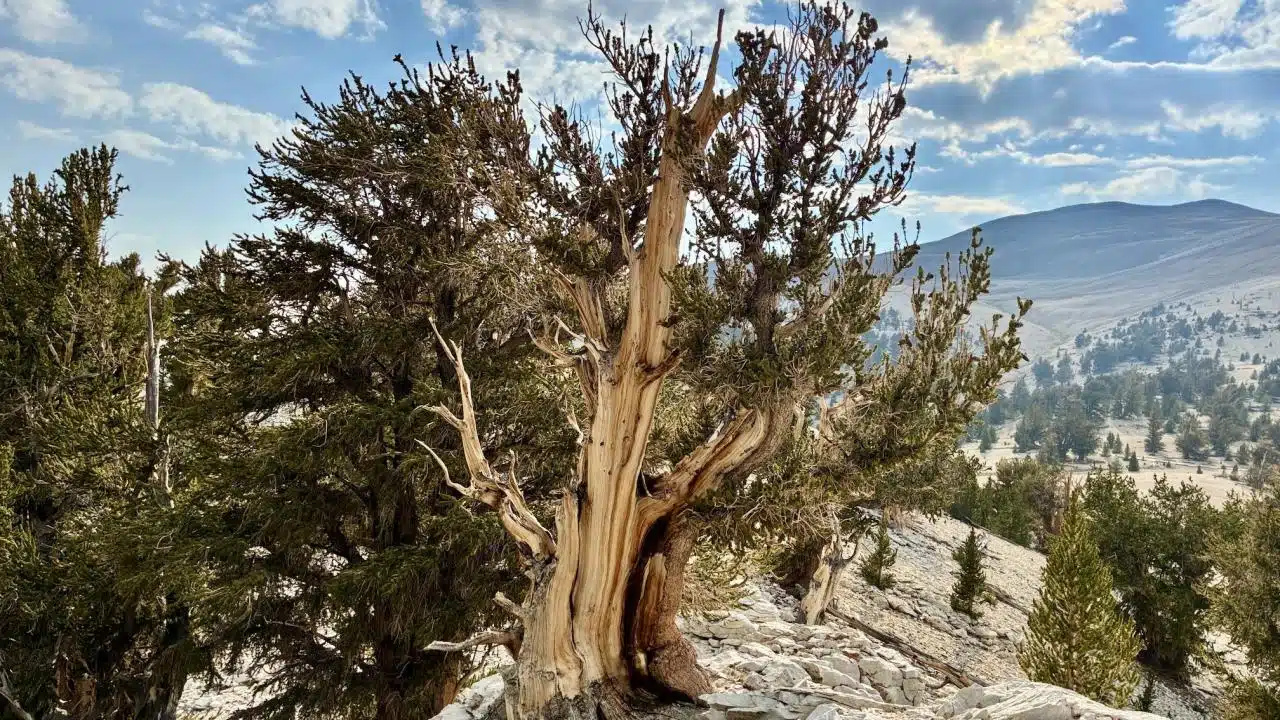
The DNA sequencing of the Great Basin bristlecone pine, a tree that began to grow before the pyramids of Egypt, revealed a genome with 23.8 billion base pairs, longer telomeres, and clues that may help explain how the species spans more than 5,000 years
The DNA sequencing of the Great Basin bristlecone pine, considered the oldest known non-clonal individual organism on Earth, has opened a new front in research on extreme longevity. The study revealed the first complete reference genome of Pinus longaeva, a species capable of surviving for more than five millennia.
Published on March 17 in the journal G3: Genes|Genomes|Genetics, the work was coordinated by the University of California, Davis.
The research aims to understand how trees of this species, some initiated before the construction of the Egyptian pyramids, manage to persist for so long.
-
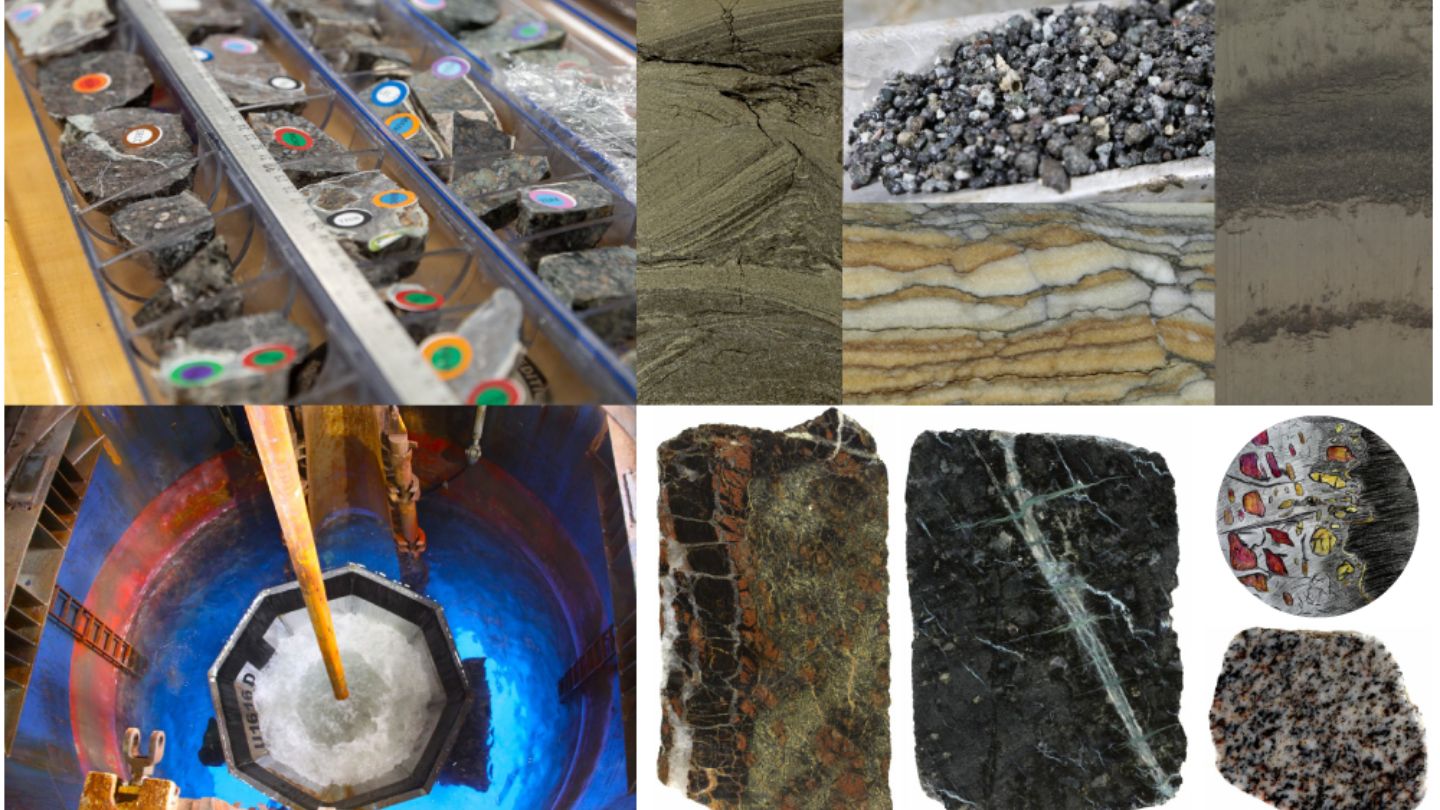
The Tyrrhenian Sea reveals a “fertile” mantle pierced more than 1,200 meters beneath the seabed by scientists in the IODP Expedition, which was expected to generate large volumes of magma, but surprisingly shows limited magmatic activity and leads researchers to investigate why one of the youngest tectonic regions in the Mediterranean does not behave as the models predicted.
-
Meteorologists warn that the polar vortex is behaving in an unprecedented manner, and the speed of this anomaly could cause frost and droughts outside the norm in major agricultural production areas.

-
The phenomenon of the “brown ribbon” of sargassum is advancing across the Atlantic Ocean on a gigantic scale, becoming visible from space and directly impacting tourist beaches, maritime activities, diving, and the environmental balance in tropical regions.

-
Young person dismantles 500 vapes, removes their lithium-ion batteries, and makes an electric car run for almost 29 km, exposing the amount of energy that is still being wasted in electronic waste.

DNA of a tree over five millennia old
The sequenced genome has 23.8 billion base pairs, approximately eight times larger than the human genome. Nevertheless, the number of protein-coding genes is only slightly higher, with 21,364 genes identified by researchers.
A large part of this DNA is made up of repetitive sequences accumulated over millions of years of evolutionary history. These repetitions, however, do not seem to have harmed the organism, even in light of the unusual size of the genetic material.
The tissue samples used in the study were taken from needles and seeds of bristlecone pine in the White Mountains of California.
The collection was conducted with permission from the USDA Forest Service, while the sequencing was carried out by scientists at Johns Hopkins University.
To assemble the genome, the team combined short and long-read approaches. The result was a highly contiguous assembly, with an N50 size of 1.2 gigabases, in addition to the separate assembly of the chloroplast and mitochondrial genomes as complete circular chromosomes.
Genetic clues linked to longevity
Two characteristics caught the researchers’ attention during the DNA analysis. One was the presence of genes associated with disease resistance, particularly a class known as nucleotide-binding leucine-rich repeat receptors.
The other was the average length of the telomeres, which is greater than that observed in other conifers. Longer telomeres are often associated with slower cellular aging, leading scientists to consider the possibility of a relationship with the species’ long survival.
Despite this, the study did not find sufficient evidence to claim that these factors directly explain the longevity of the bristlecone pine. The authors emphasized that further research is needed before any mechanism can be pointed out as responsible for this biological pattern.
David Neale, emeritus professor of plant sciences at UC Davis and project leader, described the result as a fundamental resource for future studies. He stated that sequencing a single tree does not provide clear answers about the genetic basis of longevity but offers a necessary reference for modern biology.
Steven Salzberg, professor of biomedical engineering at Johns Hopkins University, highlighted the magnitude of the technical challenge involved. He noted that assembling a genome of 24 billion base pairs, eight times larger than the human genome, represents a considerable computational obstacle.
A species without usual signs of aging
One of the most intriguing aspects of the biology of the bristlecone pine is the apparent absence of biological senescence in the patterns observed in most organisms. Senescence is the process by which cells age and die without replacement, leading, over time, to the death of the organism.
In bristlecone pines, the genetic markers typically linked to this process do not seem to be present.
When these trees die, the cause is usually external, such as fires, storms, insect infestations, or physical damage, rather than biological aging in the conventional sense.
Neale acknowledged that it is difficult to dismiss the idea of a potentially indefinite lifespan when studying a tree that can reach 5,000 years.
At the same time, he warned that the species may simply be a biological outlier, with no direct parallel in other forms of life.
He also pointed out that a comparison between an organism that lives 5,000 years and another, or someone, that lives 100 years could yield relevant answers. Still, the study does not provide a definitive conclusion on how this difference is established at the genetic level.
The value of the genome for conservation and research
The reference genome also has utility beyond investigations into longevity. Although the bristlecone pine is not currently listed as threatened or endangered, some trees of the species have died in recent decades due to heat, drought, and bark beetle activity.
Constance Millar, an ecologist at the USDA Forest Service’s Pacific Southwest Research Station, noted that the populations in the White Mountains have persisted under extreme climatic conditions for nearly 11,000 years. This period extends from the end of the last ice age.
With the DNA now available as a reference, scientists and land managers have a new tool to analyze how the species responds genetically to environmental stress. This may help identify which populations possess characteristics best suited to future conditions.
The authors hope that the genome will be used by forest researchers, conservation professionals, and scholars dedicated to longevity in different forms of life. The DNA sequencing of the bristlecone pine thus marks a new phase in investigating how a living organism spans millennia on Earth.









Seja o primeiro a reagir!