





 Portuguese
  English
  Spanish
  4 min of reading
  0 comments


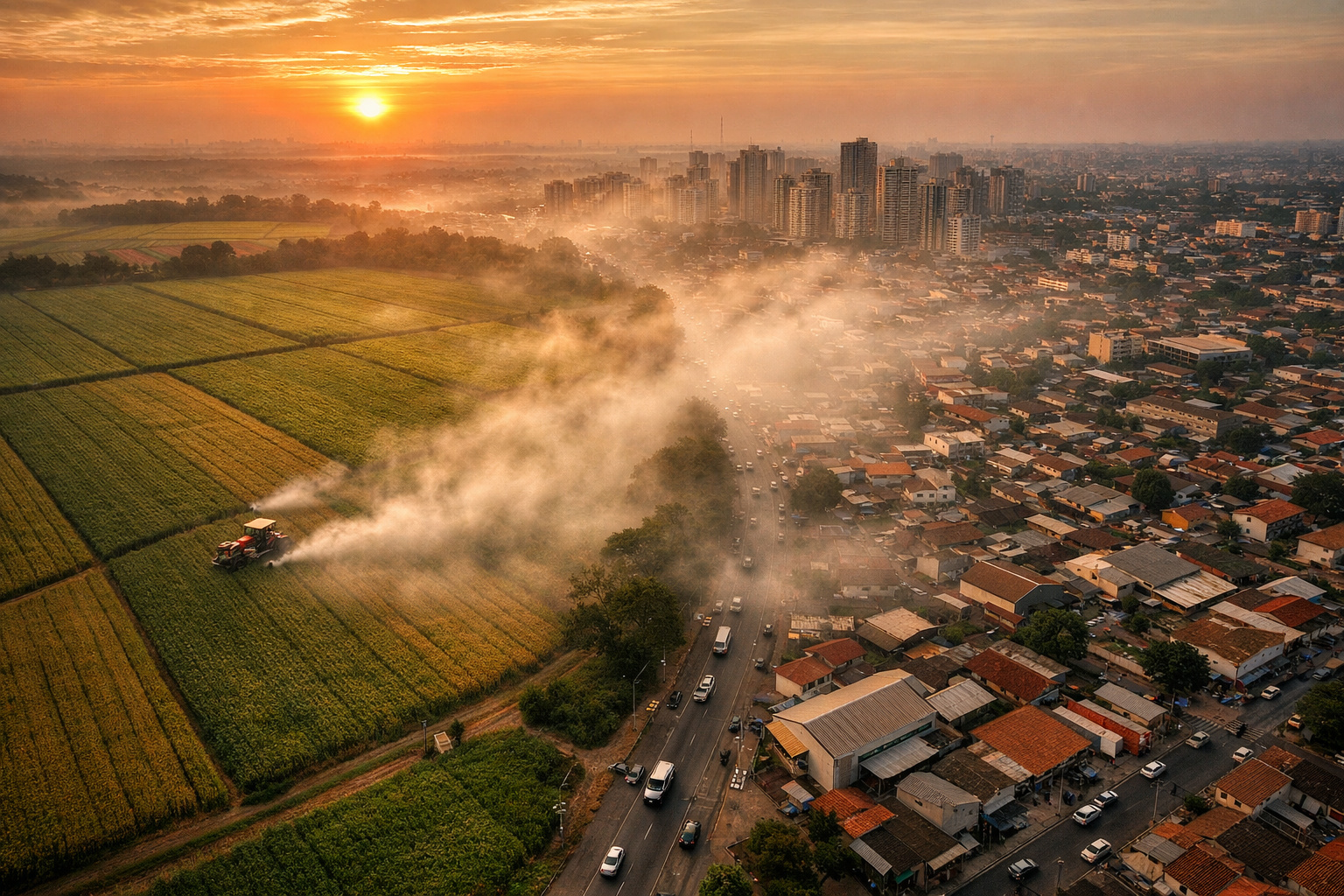
Study surprises by indicating that air quality outside large centers may represent invisible and little-discussed threats, expanding the debate on environmental health in Brazil
Breathing clean air in the countryside has always been seen as synonymous with quality of life. However, a recent study conducted by the Institute of Chemistry at the University of São Paulo (USP) has raised an alert that could completely change this perception. This is because, according to the data presented, the air in agricultural regions may contain potentially dangerous substances, raising important questions about the health risks to the population.
The information was disclosed by the portal Exame, based on a scientific study conducted by researchers at USP, who analyzed the presence of chemical compounds in the air in different regions of the state of São Paulo. The investigation included urban, industrial, and also rural areas, such as Piracicaba, allowing for a direct comparison between environments.
Comparison between the countryside and São Paulo reveals unexpected scenario about air quality

Contrary to what many imagine, the results indicated that the countryside may, in certain cases, present more concerning conditions than the capital city of São Paulo. To reach this conclusion, the study analyzed the so-called particulate matter — fine particles suspended in the air — collected in São Paulo, in the industrial region of Capuava, and in Piracicaba.
-
The change in weather arrives tomorrow: heavy rains and storms return to the Central-South after a hot week, with a cold front along the coast bringing instability between Santa Catarina, Paraná, and the Southeast, affecting capitals strongly until Thursday.

-
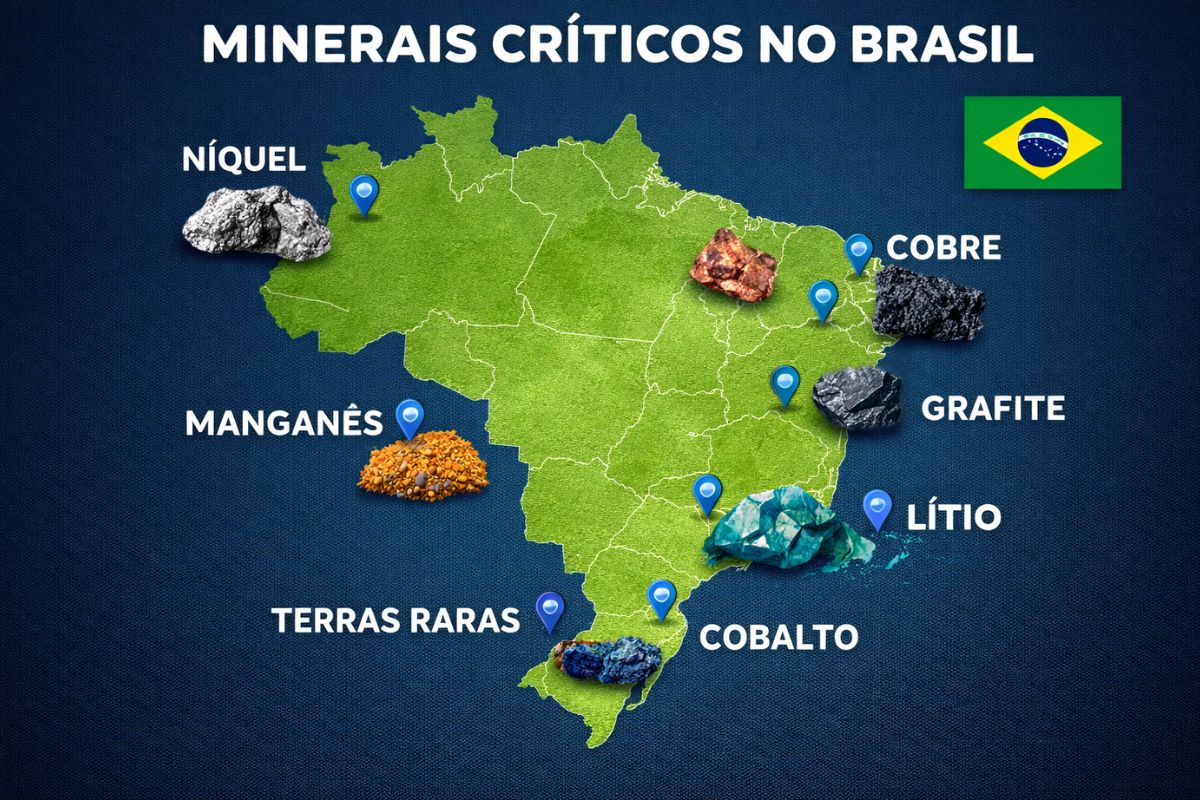
The rapporteur of the critical minerals project said today that Brazil will not create a state-owned mining company, but Lula has already discussed the creation of Terrabras with ministers last Friday, and the United States has already invested 565 million dollars in a Brazilian mining company without waiting for a response from the government.
-
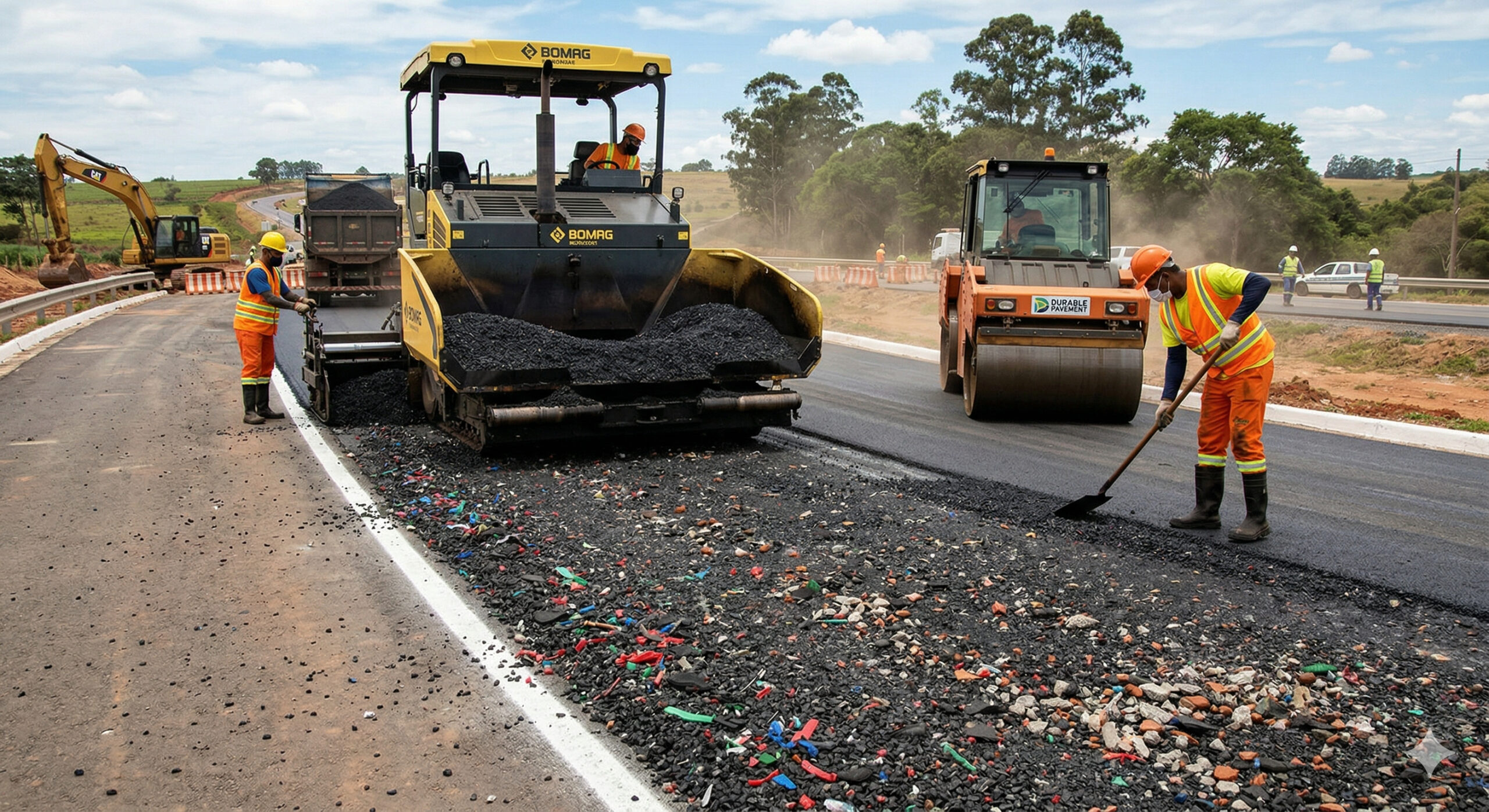
Roads made with recycled plastic, crushed tires, and construction waste are already being applied in several countries, reducing tons of waste in landfills and increasing the durability of the pavement by replacing traditional materials.
-
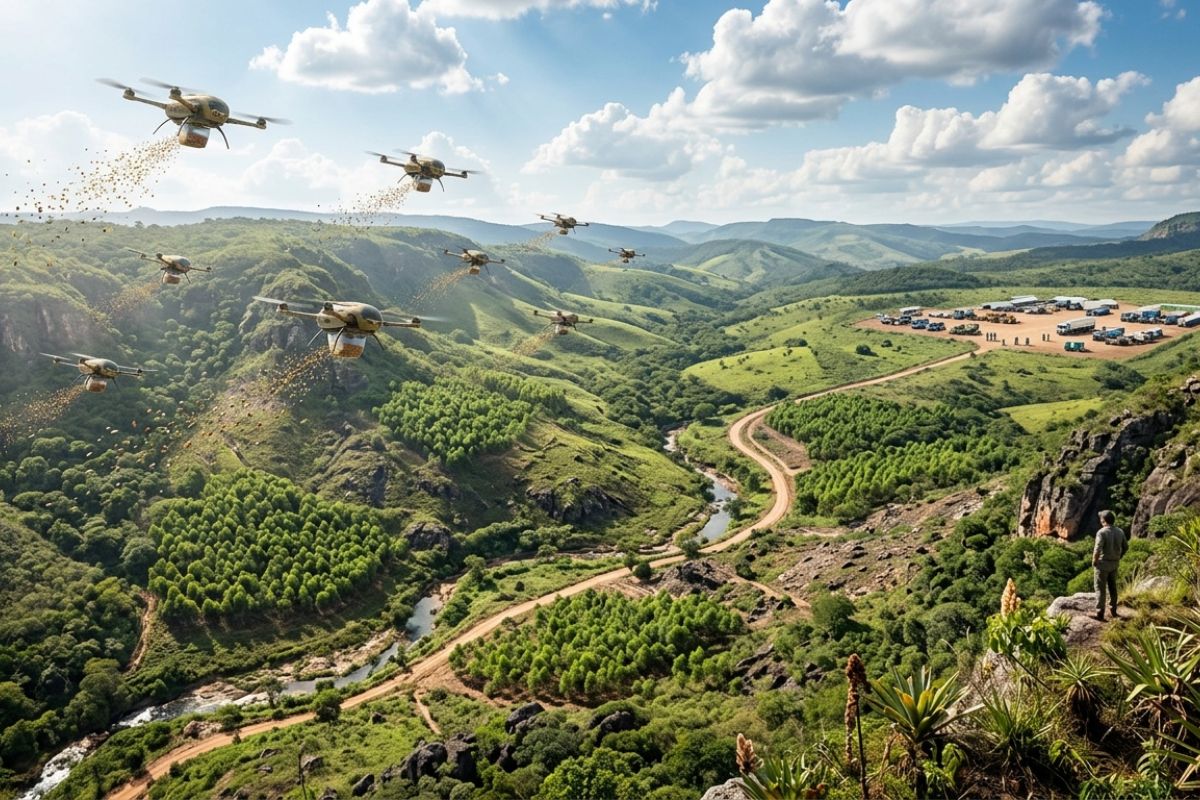
Drones have become “insects” and spread native seeds to recover inaccessible areas; the Bacias & Florestas program, for 15 years, has planted 3 million trees and restored 15 thousand hectares, despite costs of up to R$ 25 thousand/ha.

Subsequently, these compounds were subjected to laboratory tests on human lung cells, which allowed for the evaluation of direct effects on health. As a result, it was possible to identify substances associated with cancer risk, in addition to other negative impacts on the body.
Moreover, the research revealed that pesticides used in agricultural areas do not remain restricted to the application site. On the contrary, these substances can disperse through the air and reach urban and industrial areas, significantly expanding the reach of contamination.
Presence of pesticides in the air increases risks and worries experts


Among the compounds identified, atrazine drew attention due to its high concentration in samples collected in Piracicaba. This pesticide, widely used in sugarcane plantations, is known for its potential health risks and its ability to persist in the environment for long periods.
Furthermore, the research highlighted an even more concerning factor: the combined effect of different pesticides. This phenomenon, known as synergy, increases the toxic potential of substances when they are present simultaneously in the air. According to researcher Aleinnys Yera, in an interview with Estadão, “the synergy of compounds can pose a greater risk to exposed individuals.”
Meanwhile, in urban and industrial areas, pesticides such as malathion and permethrin were identified, frequently used in mosquito control. Although they have specific applications, these substances can also have health impacts when continuously inhaled.
Prohibited substance is still found and reinforces alert about continuous exposure
Another point that draws attention in the study is the presence of heptachlor in all analyzed locations. Despite being banned for decades in Brazil, the compound still persists in the environment, highlighting the longevity of these pollutants and the difficulty in completely eliminating them.
Additionally, laboratory tests indicated that exposure to particulate matter containing pesticides caused oxidative stress and even death of lung cells. The samples from Piracicaba and Capuava showed the most intense effects, reinforcing concerns about these regions.
On the other hand, experts warn that the problem may be even broader. According to Professor Pérola Vasconcellos from the Institute of Chemistry at USP, even very low concentrations are sufficient to cause health damage. This means that exposure can occur silently and continuously, without the population being aware of the risks involved.
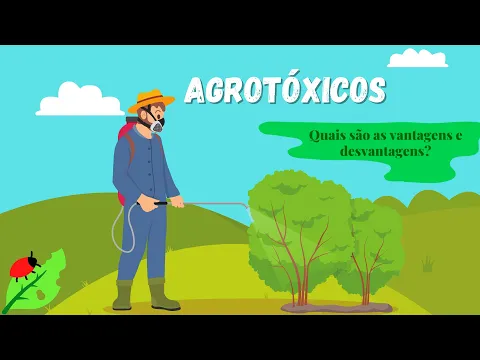
Health risks may be greater than imagined, points out USP study
In light of this scenario, the study also identified potential cancer risk in some cases of exposure, especially among more vulnerable groups. Children, the elderly, and individuals with respiratory issues may be the most affected by this type of invisible pollution.
Additionally, the researchers highlight that, although the data was collected at specific points, there are indications that the presence of pesticides in the air may be more widespread than imagined, especially in regions with intensive use of agrochemicals.
Thus, the USP study raises an important alert: air quality should not be assessed solely based on visible urban pollution. Often, the greatest risks are precisely where they are least expected, requiring greater attention from authorities and society.






Seja o primeiro a reagir!