





 Portuguese
  English
  Spanish
  3 min of reading
  0 comments


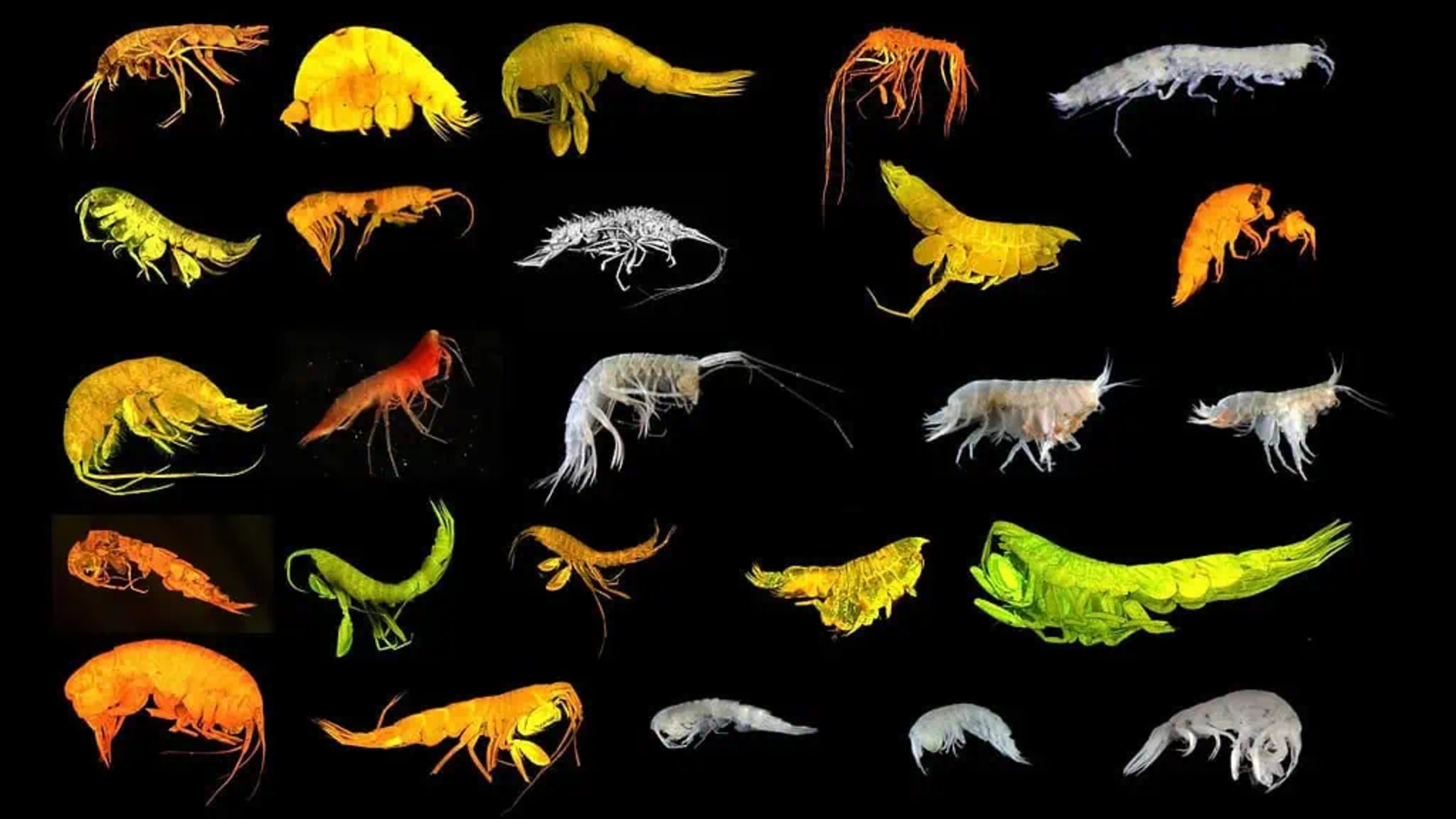
The discovery of unprecedented organisms in areas designated for mineral extraction places technological exploration on a collision course with the preservation of millennia-old ecosystems.
Scientists have identified a new branch of life in the depths of the Pacific Ocean, in an area marked for mineral exploration by the United States government. The discovery occurred in the Clarion-Clipperton Fracture Zone, an abyssal region rich in polymetallic nodules essential for the manufacturing of electric vehicle batteries. The finding reveals that marine biodiversity in these areas is much broader and more unknown than previously estimated, raising concerns about the environmental impact of deep-sea mining.
Discovery of a new biological lineage
The expedition, led by international researchers, used remotely operated underwater vehicles to explore abyssal plains over 4,000 meters deep. During the collections, organisms were found that do not fit into any known taxonomic category, representing a new biodiversityde abyssal. These beings exhibit unique genetic and morphological characteristics, suggesting that they evolved in isolation under extreme conditions of pressure and total darkness.
Unlike common discoveries of new species, this finding represents a higher level of biological classification, which is extremely rare in modern science. The existence of an entire unknown lineage indicates that the deep-sea ecosystem functions as a vital genetic reservoir for the planet. The analysis of these organisms may reveal new biological processes and adaptations that challenge current understanding of life on Earth.
-
They seemed like just bricks, but heated to over 1,500 °C with renewable electricity, they began to challenge coal and gas in heavy industry. Technology developed in the USA is coming into operation and could change how the world produces steel, cement, and fuel.

-
What is behind the “Cicada” subvariant of Covid-19? With 75 mutations and presence in 23 countries, it reveals a curious behavior of the virus in the face of herd immunity.

-
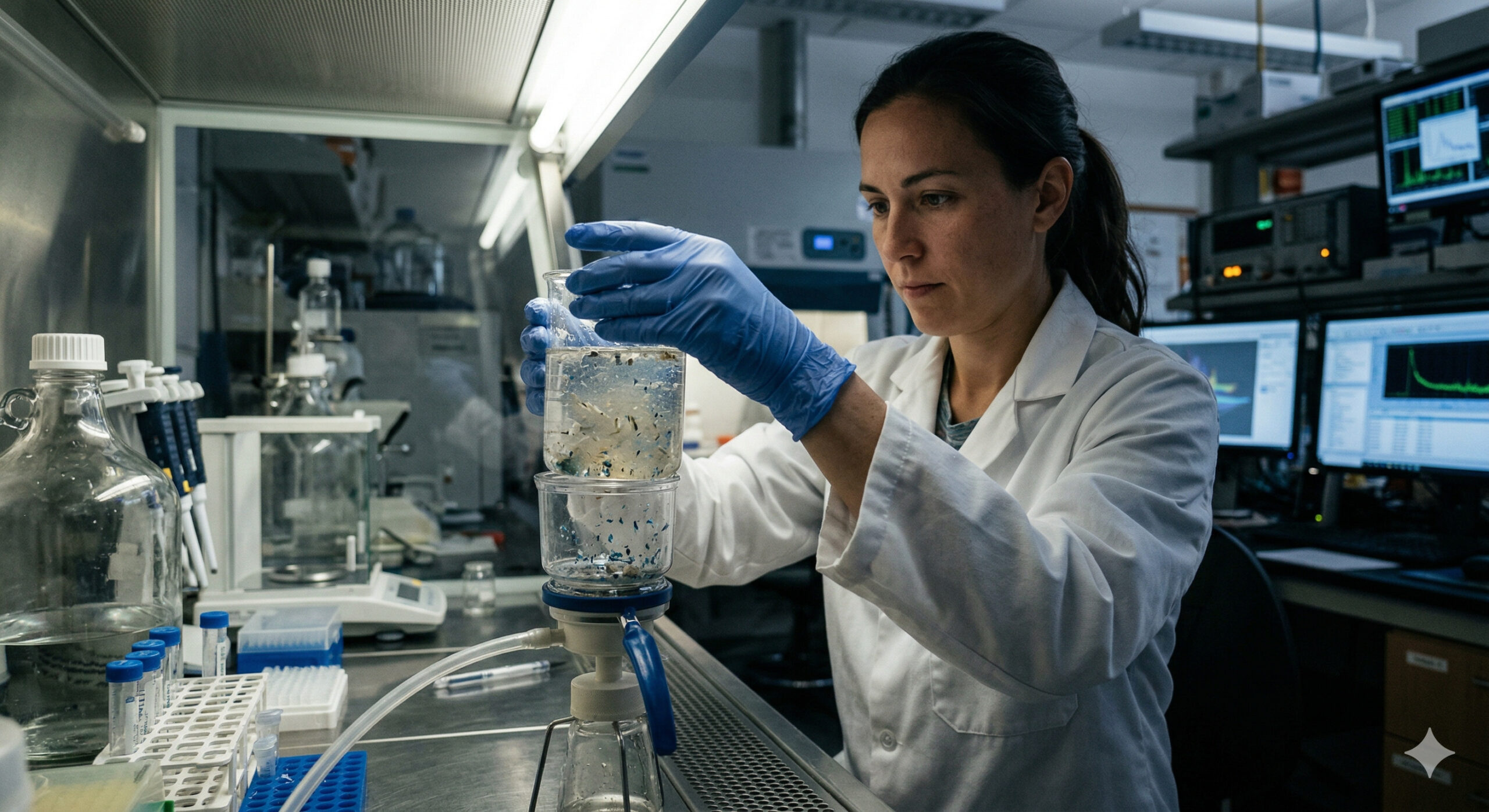
Scientists may have overestimated microplastic pollution for decades, a study from the University of Michigan indicates that nitrile and latex gloves used in laboratories release particles that contaminate samples and inflate results that have informed public policies and environmental regulations worldwide.
-
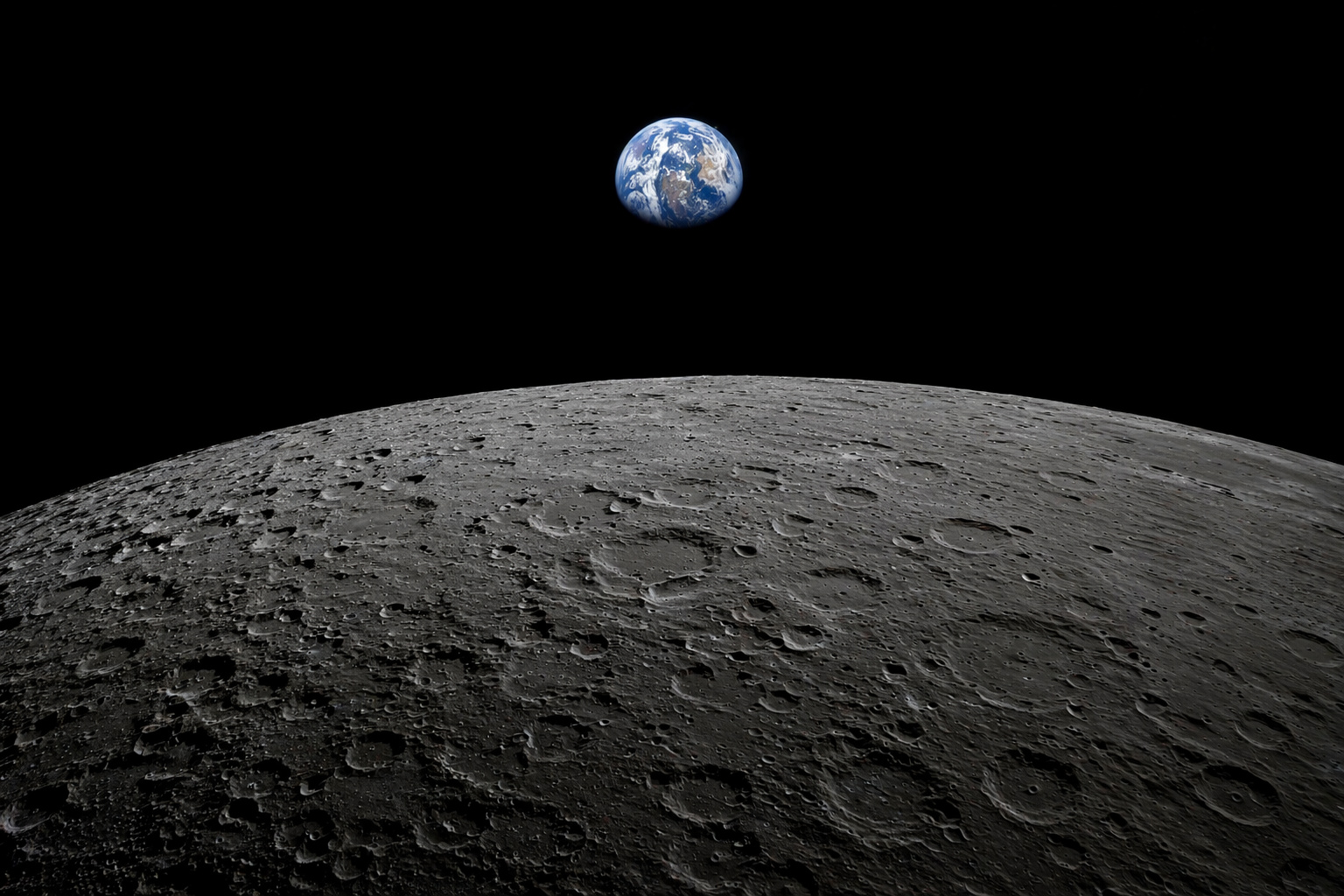
NASA reveals unprecedented image of the far side of the moon during the Artemis II mission, captures a rare solar eclipse, and takes humans to the farthest point ever reached in space.
Conflict with deep-sea mining
The area where the abyssal biodiversity was located is exactly the same one targeted for the extraction of manganese, nickel, and cobalt. The U.S. government and technology companies see these mineral deposits as the solution to the global energy transition. However, mining activities involve the removal of the surface layer of the ocean floor, which would permanently destroy the habitat of these new organisms before they can be fully studied.
Researchers warn that the sediment plumes generated by mining can suffocate marine life in adjacent areas, extending environmental damage for hundreds of kilometers. The ecological balance of these abyssal plains is delicate, and the growth of organisms is extremely slow due to low temperatures and nutrient scarcity. The destruction of this environment could result in the extinction of entire branches of the tree of life before they are cataloged.
Implications for science and the oceanic future
The revelation of this new form of life reinforces the argument that human knowledge about the ocean floor is still superficial. The preservation of abyssal biodiversity is considered crucial by marine biologists, who advocate for a moratorium on mineral exploration until the full impact can be understood. Preliminary genetic studies show that these organisms play fundamental roles in the cycling of carbon and nutrients in the deep ocean.
International organizations now face the challenge of balancing the demand for mineral resources with the protection of an irreplaceable biological heritage. The discovery in the Clarion-Clipperton Zone serves as a reminder that the ocean depths are one of the last great mysteries of the world. The fate of these new creatures now depends on international treaties and a reassessment of environmental priorities in light of the climate crisis.
With information from: zmescience






Seja o primeiro a reagir!