





 Portuguese
  English
  Spanish
  4 min of reading
  0 comments


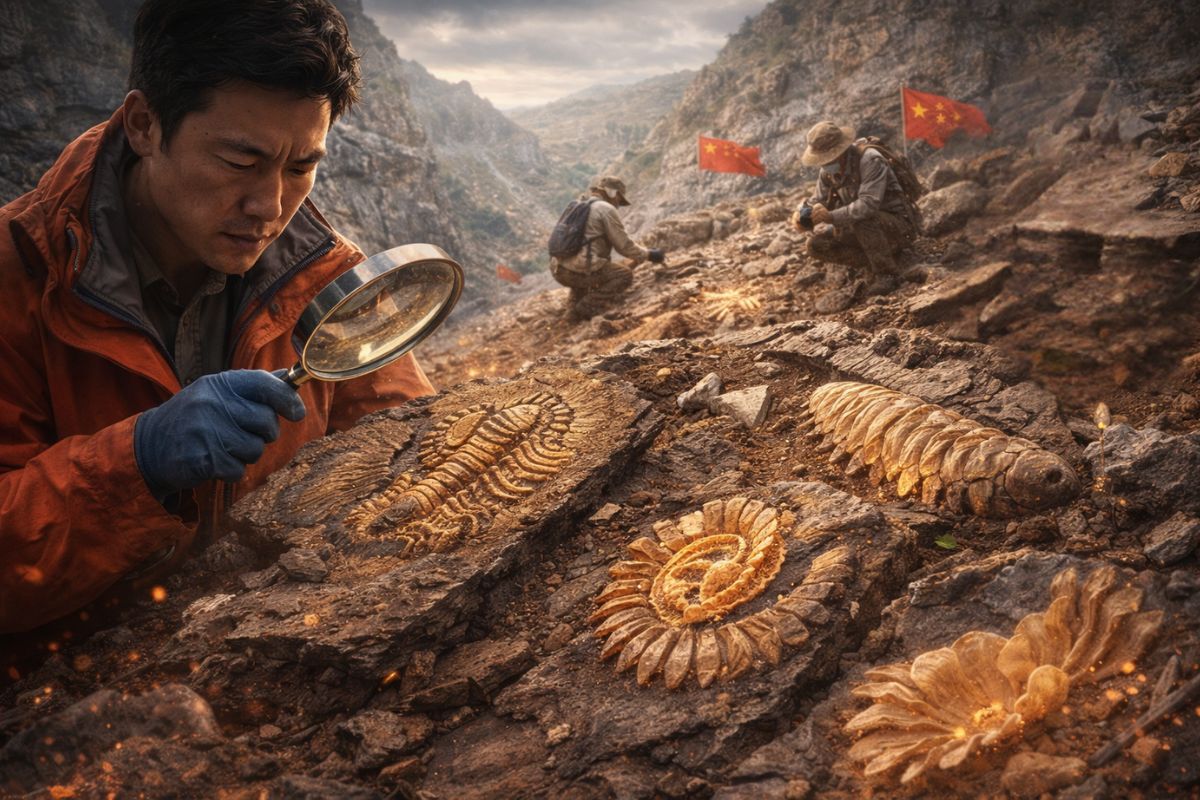
The fossils were found in the Jiangchuan biota in Yunnan Province and date from 554 to 539 million years ago, revealing a diverse marine ecosystem with possible ancestors of starfish, worms, and even vertebrate animals that existed before the famous Cambrian Explosion
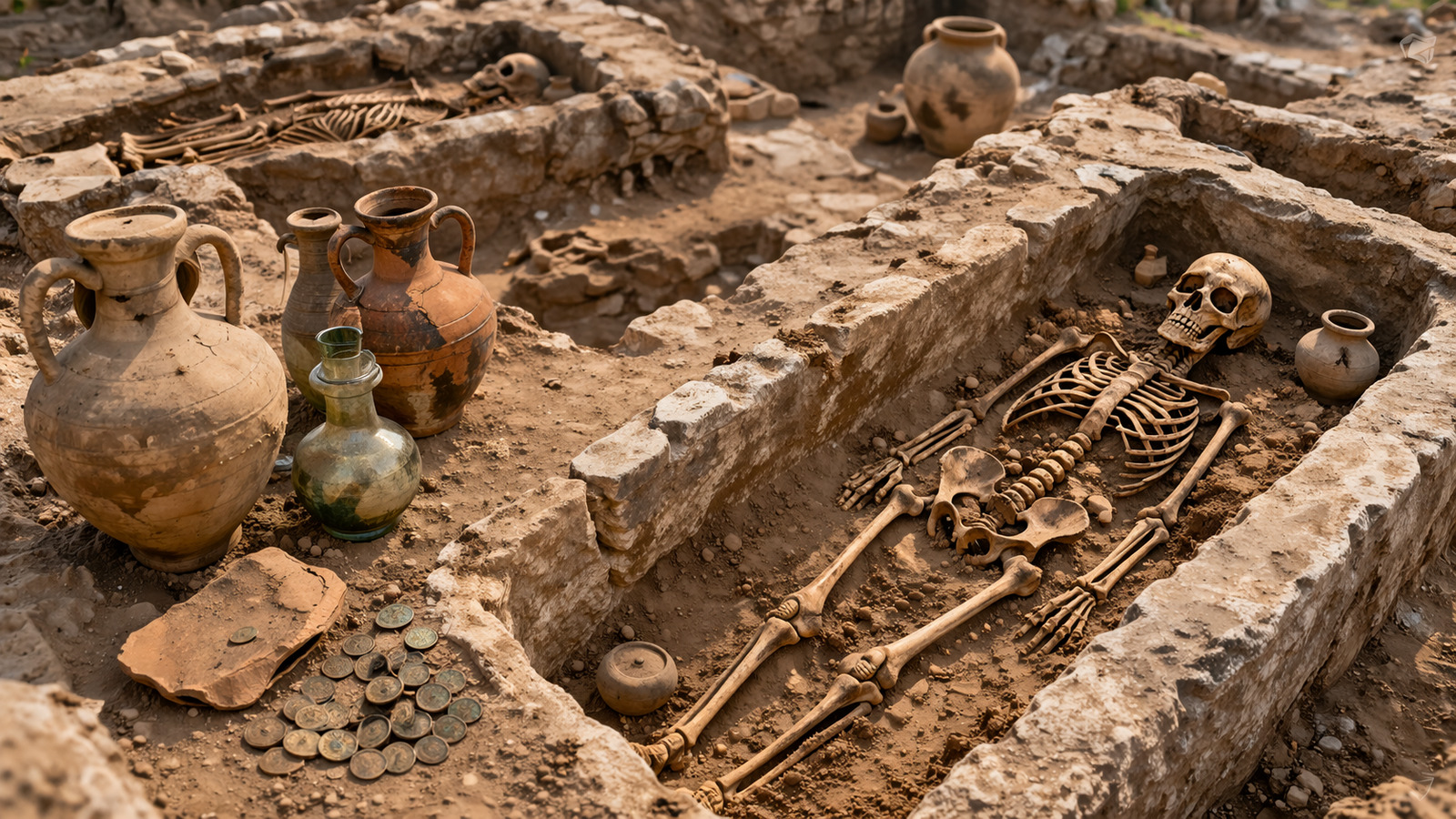
An extraordinary discovery made in southwest China is forcing scientists to rethink when the first complex animals on Earth emerged. More than 700 newly analyzed fossils from the Jiangchuan biota in Yunnan Province reveal a marine ecosystem surprisingly diverse that existed before the famous Cambrian Explosion, the event that traditionally marks the emergence of most major animal groups. The fossils date back approximately 554 to 539 million years, and the study was conducted by researchers from the University of Oxford and Yunnan University.
For decades, science believed that the explosion of animal diversity began around 535 million years ago when complex organisms began to dominate the oceans. But the new fossils suggest that this transformation began at least four million years earlier, at the end of the Ediacaran period. This fundamentally changes the timeline of evolution and raises the possibility that similar communities may have existed elsewhere on the planet but simply were not preserved in the rocks.
What the Jiangchuan fossils reveal about animals that shouldn’t exist
According to information from the portal Xataka, researchers collected more than 700 fossils at the site, revealing a rich and varied marine community that challenges what was known about that period in Earth’s history.
-
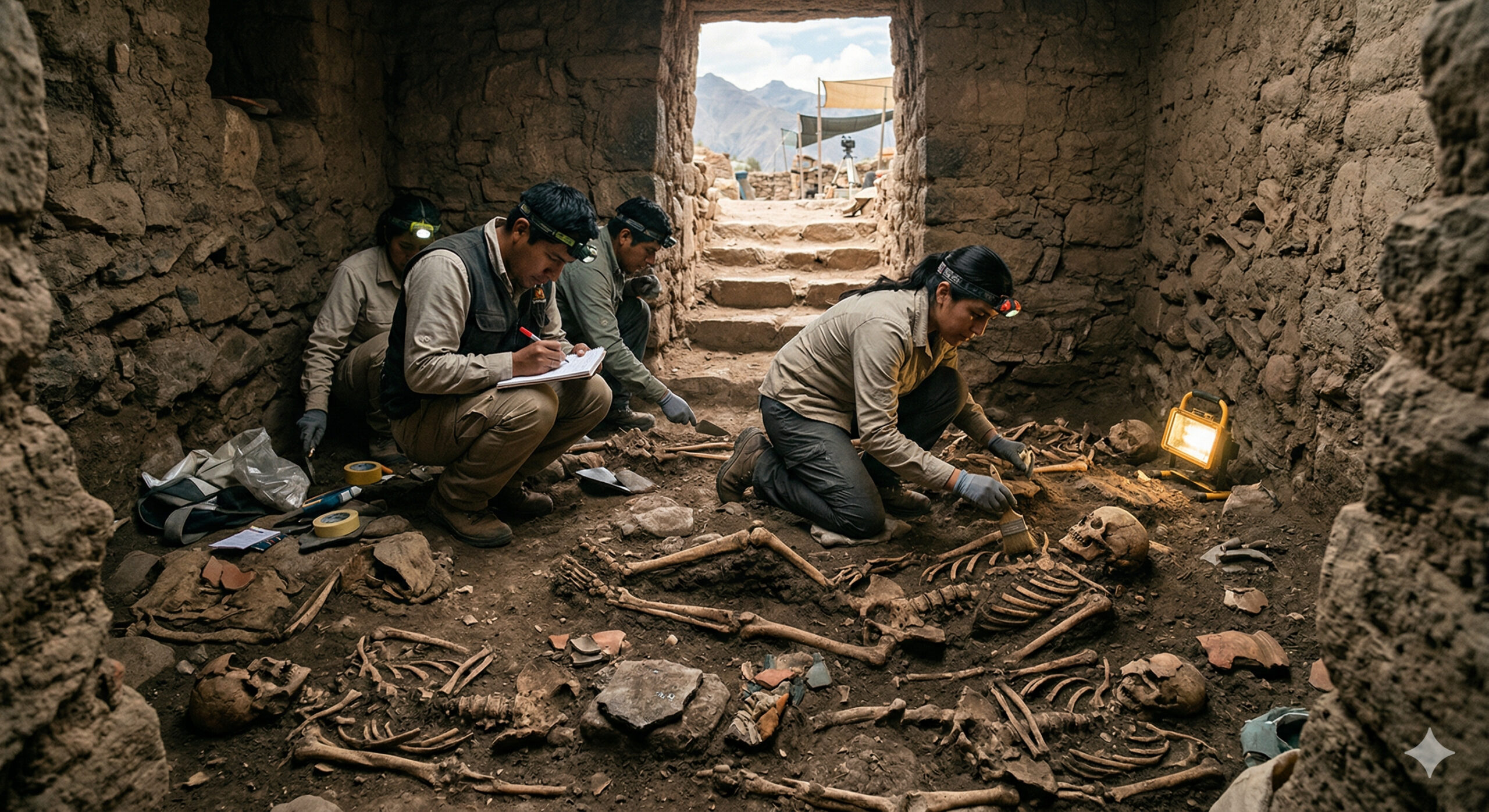
In Peru, archaeologists opened a temple dating back about 3,000 years and found 14 bodies associated with human sacrifices. This discovery expands the timeline of Andean rituals and indicates organized practices long before the great empires of the region.
-
Chinese engineer goes viral teaching how to take down F-35, and the video gains attention after Iran targets US fighter jet.

-
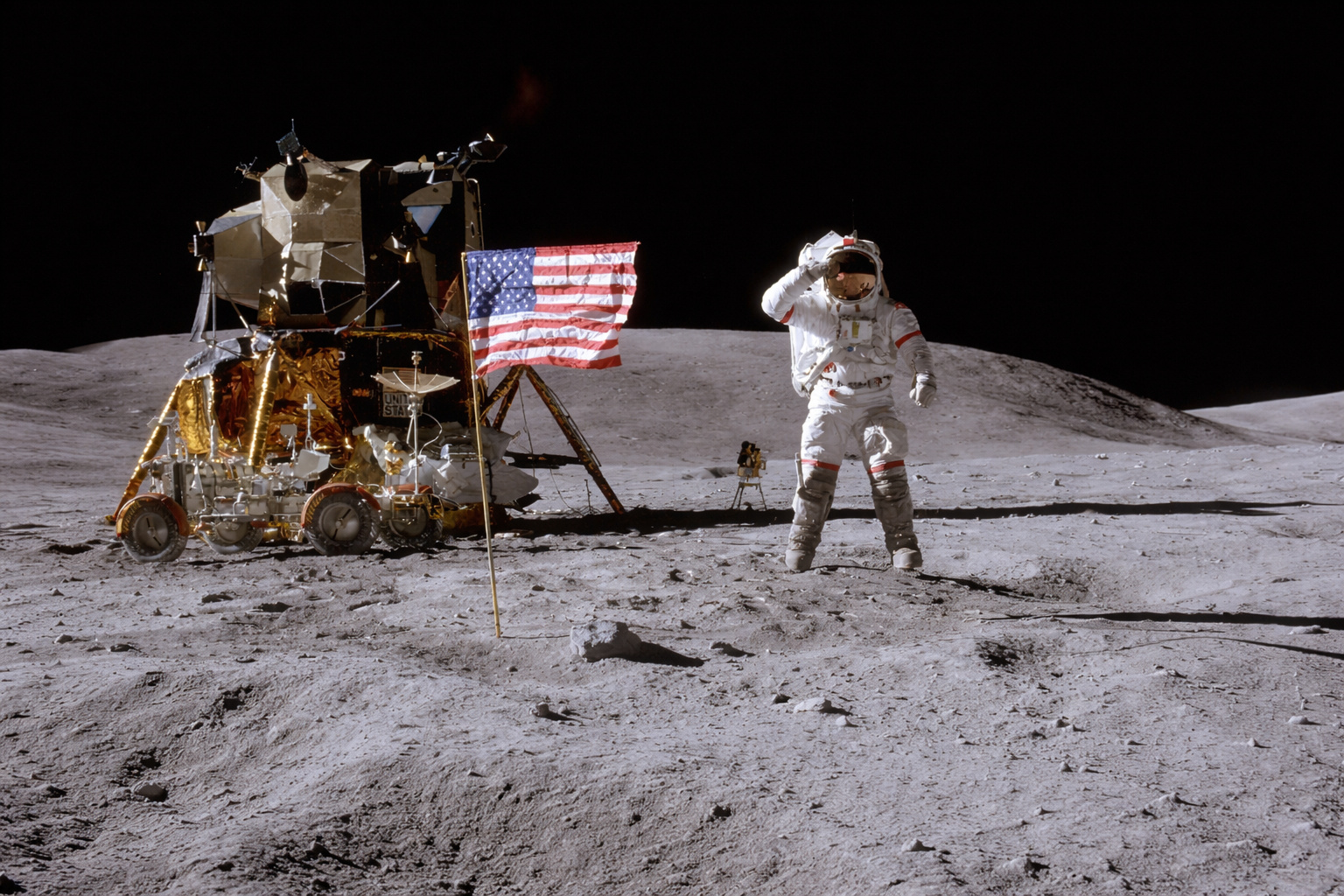
The University of California reveals what remains of the United States flag left on the Moon by NASA astronauts during the Apollo mission, and the answer will leave you speechless.
-
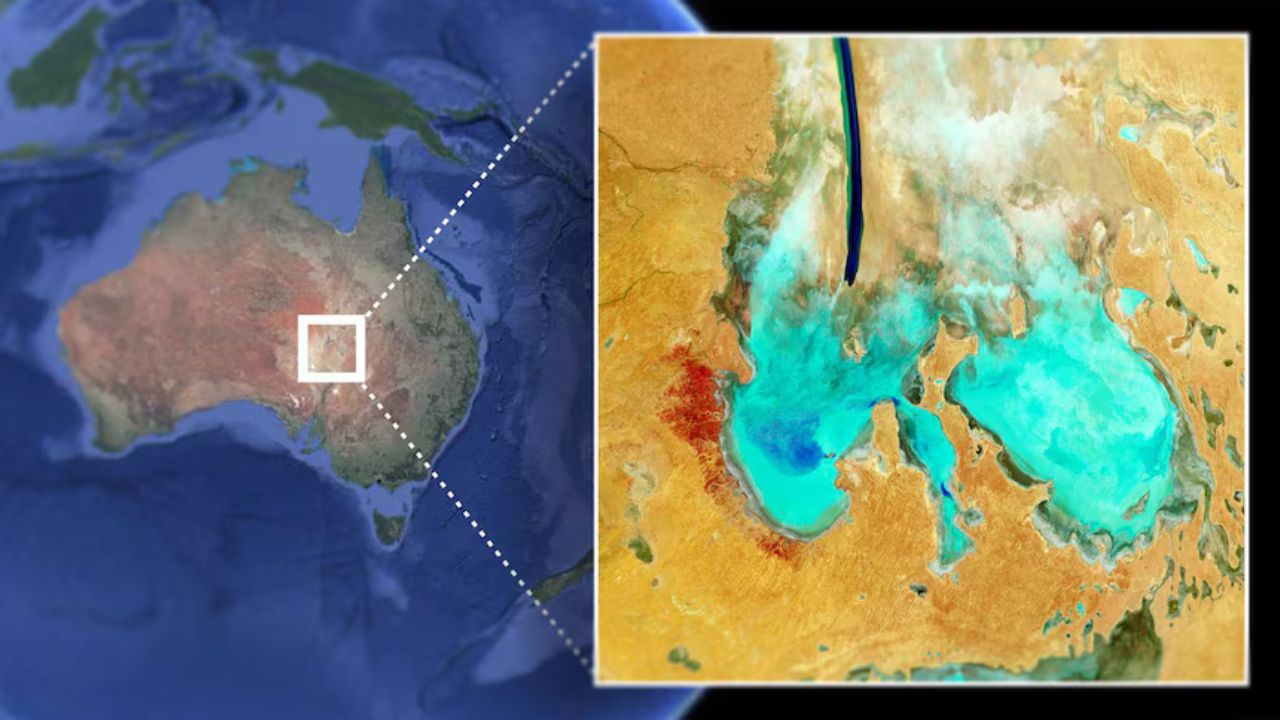
Frequently highlighted in images from NASA, the “lake that shouldn’t exist” in the heart of the Australian desert is 15 meters below sea level and suddenly turns into a colorful inland sea that appears and disappears, reshaping the Outback with each flood.
Among the organisms identified in the fossils are possible ancient relatives of starfish, marine worms, and even distant ancestors of vertebrate animals—the group that includes fish and, ultimately, humans. These are creatures that, according to the timeline accepted until now, simply should not have been there.
Some of these creatures have body structures that do not fit perfectly into any known modern group. Tentacles, discs for anchoring on the seafloor, and complex feeding systems appear in the fossils in combinations that confuse classification.
These organisms lived at a time of evolutionary transition, when the strange Ediacaran world dominated by mysterious and often unrecognizable life forms was gradually giving way to the more familiar forms of the Cambrian. The Jiangchuan fossils capture exactly this transition.
Why these fossils change the timeline of evolution on Earth

The Cambrian Explosion is one of the most important events in the history of life on Earth. In a relatively short geological interval, practically all major groups of known animals appeared in the fossil record.
Until now, science dated this event at approximately 535 million years ago. The Jiangchuan fossils push this date back to at least 539 million years ago, showing that the diversification of complex animals did not begin abruptly, but as a gradual process that had already been underway millions of years earlier.
This changes the narrative of how complex life emerged. Instead of a sudden “explosion” of diversity, the fossils suggest a smoother transition between the Ediacaran world and the Cambrian world.
The animals that dominated the oceans in the Cambrian did not emerge from nowhere; they had precursors that were already living, feeding, and reproducing in ecosystems like that of Jiangchuan. For paleontology, it is like discovering that the industrial revolution did not start with the steam engine, but with workshops that had already been operating decades earlier.
The secret of preservation that made these fossils discovered only now
One of the most fascinating aspects of the discovery is why fossils like these were not found before in other places. The answer lies in the type of preservation.
Unlike many Ediacaran sites, where organisms appear only as simple marks in the rock, the Jiangchuan fossils were preserved as carbon films—a form of fossilization that retains details such as internal structures and parts of the digestive system.
This exceptional preservation is what allowed scientists to identify the diversity and complexity of the organisms.
Researchers believe that comparable communities may have existed elsewhere on the planet, but simply were not preserved in the rocks in the same way.
It is possible that the Jiangchuan fossils are not an exception but the only preserved window into a world that was more widespread than previously thought. If they are correct, complex life on Earth may have been much older and more diverse than the fossil record available so far suggested.
What this discovery changes for the understanding of life on Earth
The Jiangchuan fossils are not just a paleontological curiosity; they redraw the understanding of how and when complex animals emerged on the planet.
If ancestors of starfish and vertebrate animals existed 539 million years ago, it means that the biological machinery necessary to produce complex bodies—nervous systems, digestive apparatus, anchoring structures—was operating much earlier than previously thought.
For evolutionary biology, the implication is profound. The fossils suggest that the Ediacaran period was not just an era of strange and primitive organisms that disappeared without leaving descendants; rather, it was a period of active biological experimentation that laid the foundations for all the animal diversity that came afterward.
The “lost world” of Jiangchuan was not an evolutionary dead end; it was the nursery that prepared life for the explosion that would follow.
Did you imagine that complex animals existed millions of years earlier than science believed? What surprised you the most about these fossils? Let us know in the comments.






Seja o primeiro a reagir!