





 Portuguese
  English
  Spanish
  4 min of reading
  0 comments



Studies gathered by scientists and published by Healthline point to 11 signs of intelligence that smart people demonstrate in their daily lives involving everything from emotional intelligence and empathy to curiosity and adaptability based on Howard Gardner’s theory of multiple intelligences
Scientists and researchers in the field of psychology have identified 11 signs of intelligence that appear in common everyday behaviors, and most people do not realize that some of these habits are directly linked to above-average brains. The signs go far beyond logical reasoning: they involve emotional intelligence, adaptability, deep empathy, and even the relationship with pets, according to a survey published by Healthline.
The theoretical basis that supports this broad view comes from Howard Gardner’s theory of multiple intelligences, developed in 1983 and still applied in educational contexts worldwide. Gardner proposes that there are eight distinct types of intelligence, and smart people often demonstrate abilities in several of these areas without even realizing they are exhibiting scientifically recognized signs of intelligence. Educators and scientists continue to use this approach to identify potential in areas such as linguistic, spatial, musical, bodily, and interpersonal.
Deep empathy is one of the most underestimated signs of intelligence
The first sign that scientists associate with high levels of intelligence is deep empathy. Smart people can understand their own emotions and those of others, connecting meaningfully to different perspectives without needing to agree with them.
-
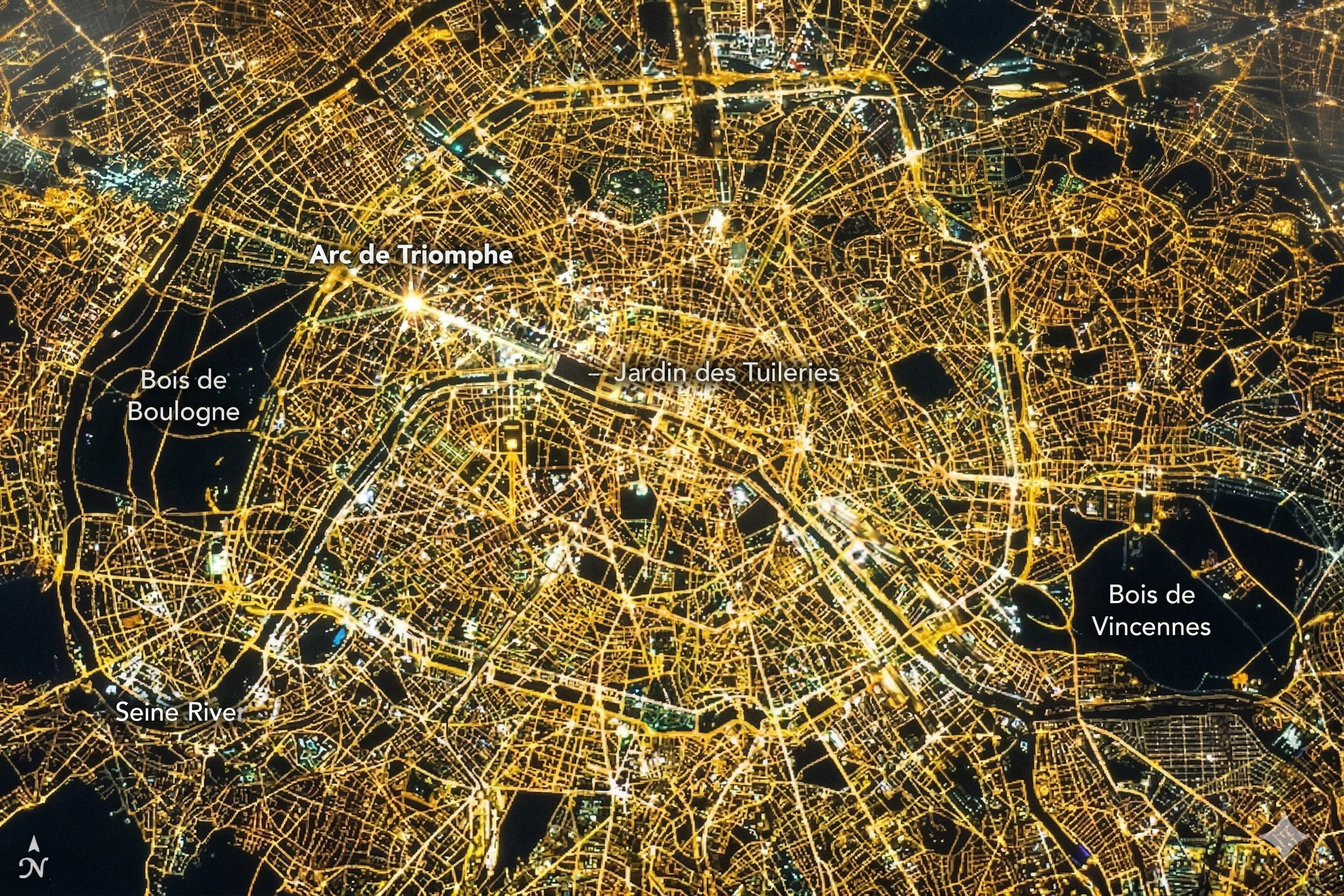
From space, Buenos Aires appears as a colossal spot of light surrounded by kilometers of darkness, revealing at a single glance the exact boundary between the metropolis and the countryside, seen from 400 km altitude.

-
NASA spent over 118 million reais to build a single bathroom that works in zero gravity, and it has just gone to space on the first crewed mission to the Moon in more than 50 years.

-
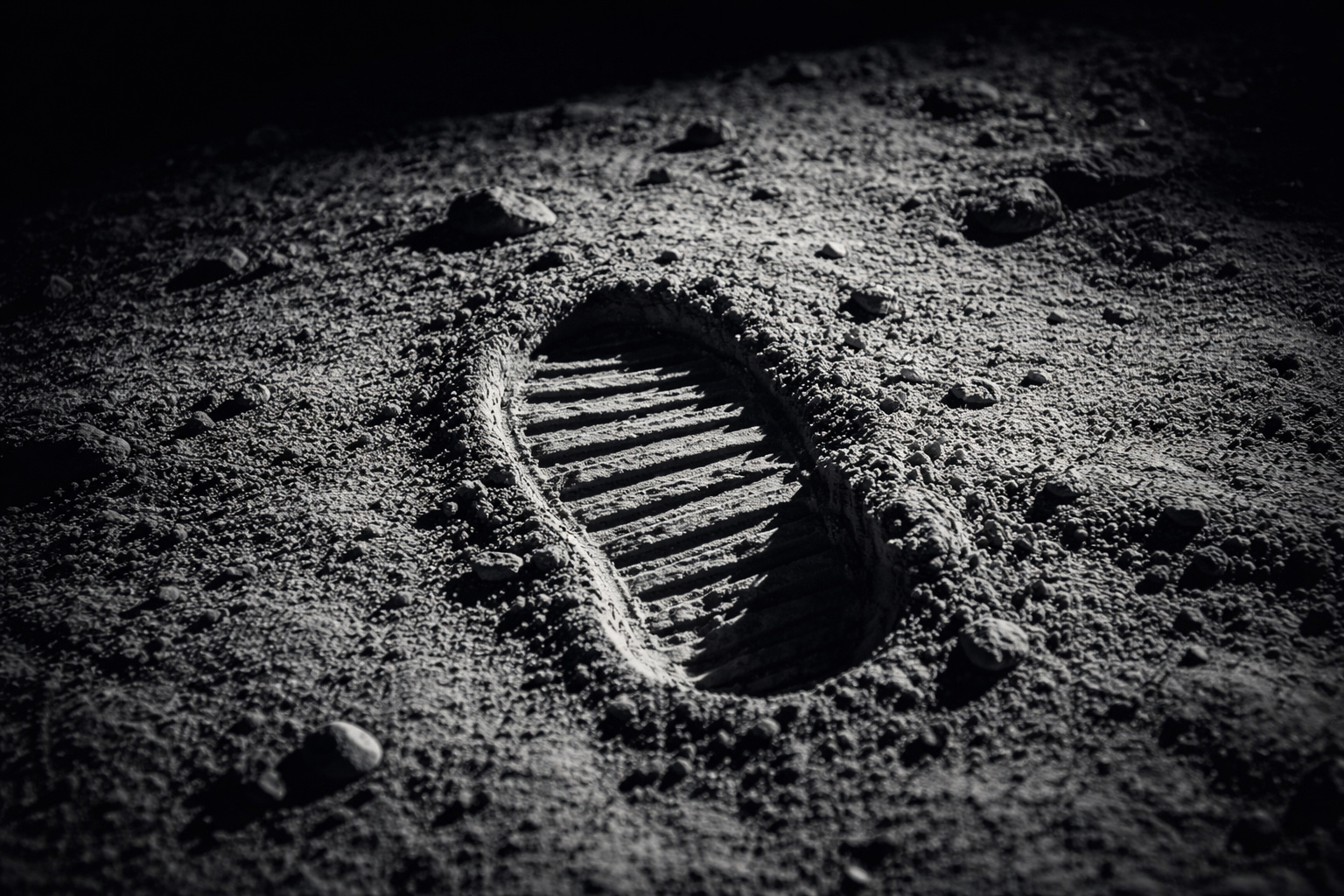
Man never set foot on the Moon? 5 scientific proofs confirm that humanity has been there and definitively dismantle conspiracy theories.
-
The Brazilian Army will adopt humanoid robots to test the concept of future combat, says a website, surprising everyone, but later revealing that it was all just an allusion to April Fool’s Day.

This behavior directly reflects emotional intelligence, which involves the ability to identify, process, and respond to feelings appropriately.
Most people associate intelligence with solving equations or having a good memory. But the ability to put oneself in another’s shoes and understand others’ motivations is a sign of intelligence as relevant as logical reasoning, according to the perspective of multiple intelligences.
Within Gardner’s theory, this behavior fits into interpersonal intelligence, and smart people who demonstrate high empathy tend to be natural mediators of conflicts.
Smart people appreciate solitude and have clear self-knowledge
Another notable sign in the survey is that smart people value their time alone.
Instead of avoiding solitude, they use these moments to reflect, solve problems, and nurture their inner life, something that scientists associate with intrapersonal intelligence described by Gardner in the theory of multiple intelligences.
Together with the appreciation for solitude comes clear self-knowledge. Smart people tend to have clarity about their goals, values, and skills, which facilitates more secure decisions in daily life.
This sign of intelligence is particularly relevant because it combines emotional intelligence with analytical ability: knowing who you are requires both emotional perception and rational assessment of evidence about oneself.
Innate curiosity and detailed memory reveal an above-average brain
Constant curiosity is one of the most consistent signs of intelligence in the scientific literature. Scientists observe that smart people seek to learn continuously, explore complex topics on their own, and feel a genuine need to understand how things work.
This behavior appears across all age groups and is one of the first indicators that educators trained in the theory of multiple intelligences learn to identify.
Linked to curiosity is detailed observation and memory for specific information. Smart people often notice nuances in their environment that go unnoticed by others and can easily remember details.
The theory of multiple intelligences classifies this ability within different areas, from spatial intelligence to naturalistic intelligence, depending on the context in which the observation manifests.
Adaptability and emotional control are signs that science proves
The ability to handle changes well and find creative solutions to unforeseen events is another of the signs of intelligence highlighted by scientists. Smart people do not panic in the face of the unexpected: they reassess the situation, consider alternatives, and act strategically.
This behavior involves both emotional intelligence and logical reasoning, and reflects the cognitive flexibility that researchers associate with high performance.
Emotional control complements adaptability. Managing feelings appropriately and maintaining balance in difficult situations is one of the most studied signs of emotional intelligence in contemporary psychology.
Interestingly, scientists also associate the tendency to worry excessively with high verbal intelligence: people who overthink issues and possible scenarios often have a broad vocabulary and above-average analytical ability.
Body memory and care for animals are also signs of intelligence
Two of the 11 signs of intelligence listed by scientists completely deviate from what most people would expect to find.
Body memory, which is the ability to learn complex movements and choreographies with ease, reflects the kinesthetic intelligence described in Gardner’s theory of multiple intelligences and appears in athletes, dancers, and surgeons.
The last sign is equally surprising: care for pets. Studies indicate that cat owners tend to demonstrate more self-confidence, while dog owners exhibit greater sociability, and both behaviors reflect high emotional intelligence.
For scientists, the way smart people relate to animals reveals empathy, responsibility, and emotional connection that are direct components of an above-average cognitive profile.
How many of these signs do you recognize in yourself?
The 11 signs of intelligence identified by scientists show that being intelligent goes far beyond getting good grades or solving math problems.
From emotional intelligence to the theory of multiple intelligences, science recognizes that smart people reveal themselves in everyday behaviors such as empathy, curiosity, productive solitude, and even in their relationship with their pets.
How many of the 11 signs did you recognize in your own behavior? Were any of them surprising? Share in the comments which signs of intelligence you identify in yourself and in the people around you.








Seja o primeiro a reagir!