





 Portuguese
  English
  Spanish
  2 min of reading
  0 comments


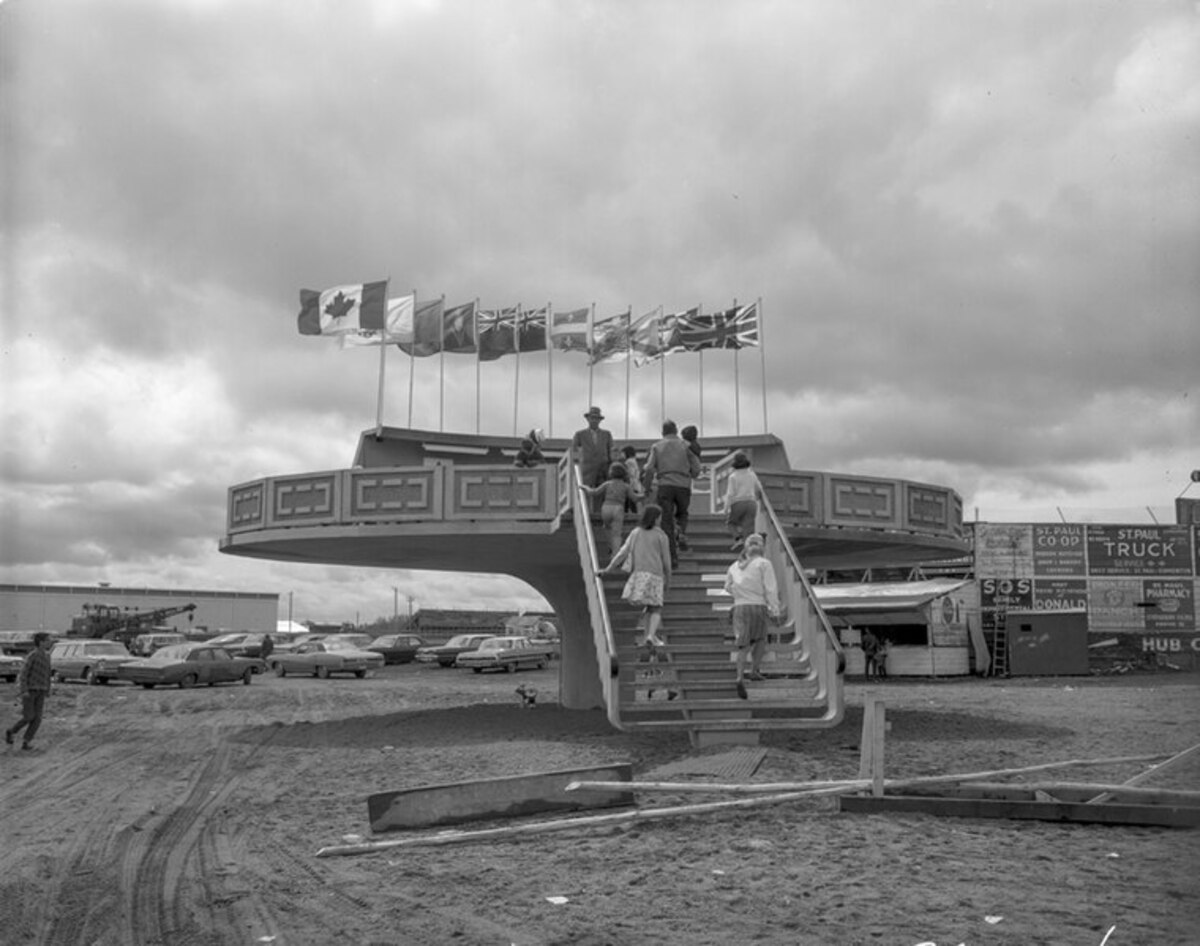
In Alberta, Canada, The First Official Landing Pad for UFOs Was Built, with Time Capsule and Center Dedicated to Extraterrestrial Theme
In 1967, Canada inaugurated the world’s first official landing pad for UFOs. The construction was erected in the province of Alberta, with the direct participation of Paul Hellyer, then Minister of National Defense of the country. The project was not merely symbolic. The structure, made of concrete, features a central column that supports a circular platform 9 meters wide and weighing 130 tons.
Underneath the platform, a time capsule was installed. It remains sealed, with an opening scheduled only for the year 2067, one hundred years after its installation. The site quickly transformed into a point of tourist and cultural interest.
In front of the main structure, the UFO Information Center was built. The building, shaped like a disc, houses a collection of photographs related to extraterrestrials, as well as themed objects and accounts of possible sightings of alien beings.
-
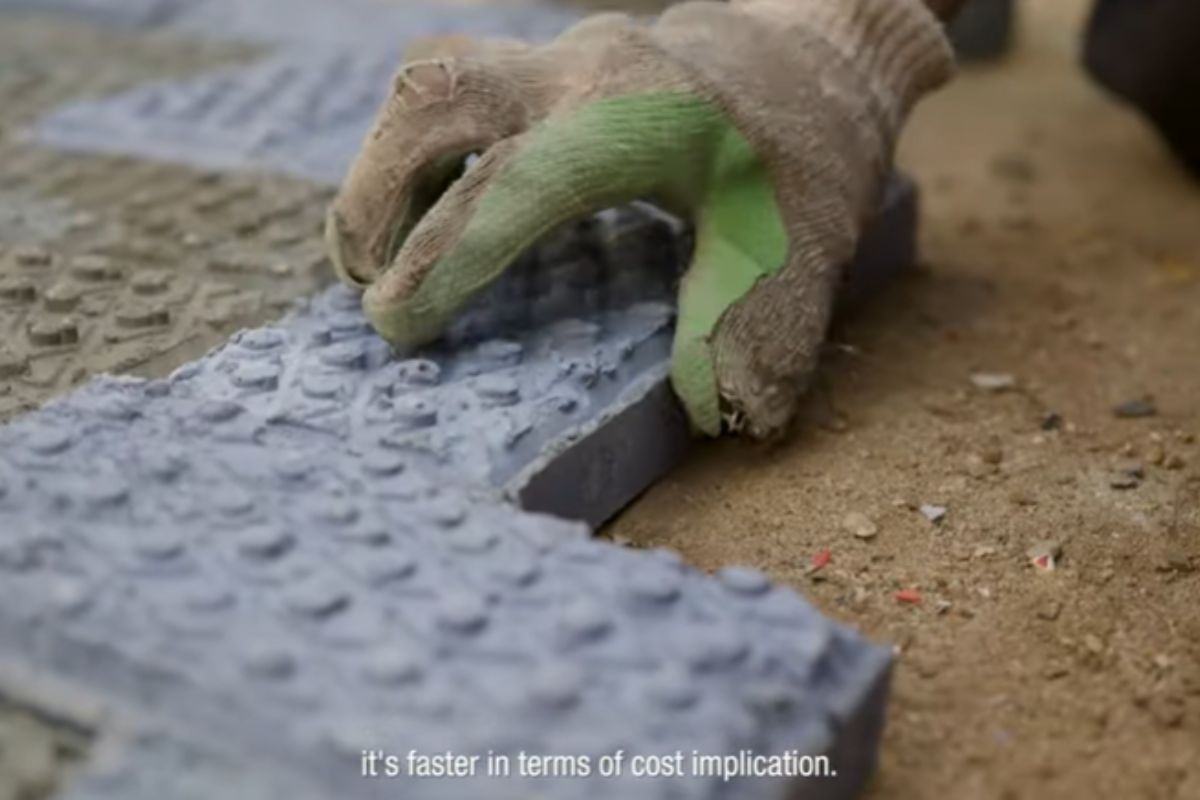
In Kenya, engineer Nzambi Matee created “bricks 2.0” using packaging plastic: a mixture with sand, heated and pressed; they are 5 times more resistant, already have official licensing, and are being used in streets and construction projects.
-
More than 20,000 positions could be opened, and thousands of technicians are starting to be trained in Brazil, as the expansion of data centers creates an urgent race for professionals to keep the internet, cloud, and artificial intelligence running 24 hours a day.

-
China approves the 15th Five-Year Plan 2026-2030 to become a global power: prioritizes brain implants, 6G with AI, humanoid robots, flying cars, quantum technology, and nuclear fusion, while strengthening defense and the economy.

-
HONOR X80i arrives with a massive 7,000 mAh battery, a 120 Hz AMOLED display with a brightness of 6,500 nits, and the new Dimensity 6500 Elite chip, promising up to 22 hours of video playback and impressive performance in casual gaming.


The inauguration of the platform coincided with a time when Earth and Mars were at their closest, separated by about 55 million kilometers.
The choice of timing was not coincidental. It served as a symbolic invitation for visitors from other planets to arrive in peace.
Today, the site continues to attract thousands of visitors interested in so-called UFO tourism. Much like the famous Area 51 in the United States, the Canadian platform has become a reference for those who believe in the existence of extraterrestrial life.
Furthermore, the construction was incorporated into the celebrations for the 100th anniversary of Canada’s independence, gaining even more historical significance.
For those traveling through North America, the curious structure offers an unusual stop. Should a UFO ever need a place to land, Canada already has the space reserved.
With information from Galileu Magazine.






Seja o primeiro a reagir!