





 Portuguese
  English
  Spanish
  4 min of reading
  0 comments


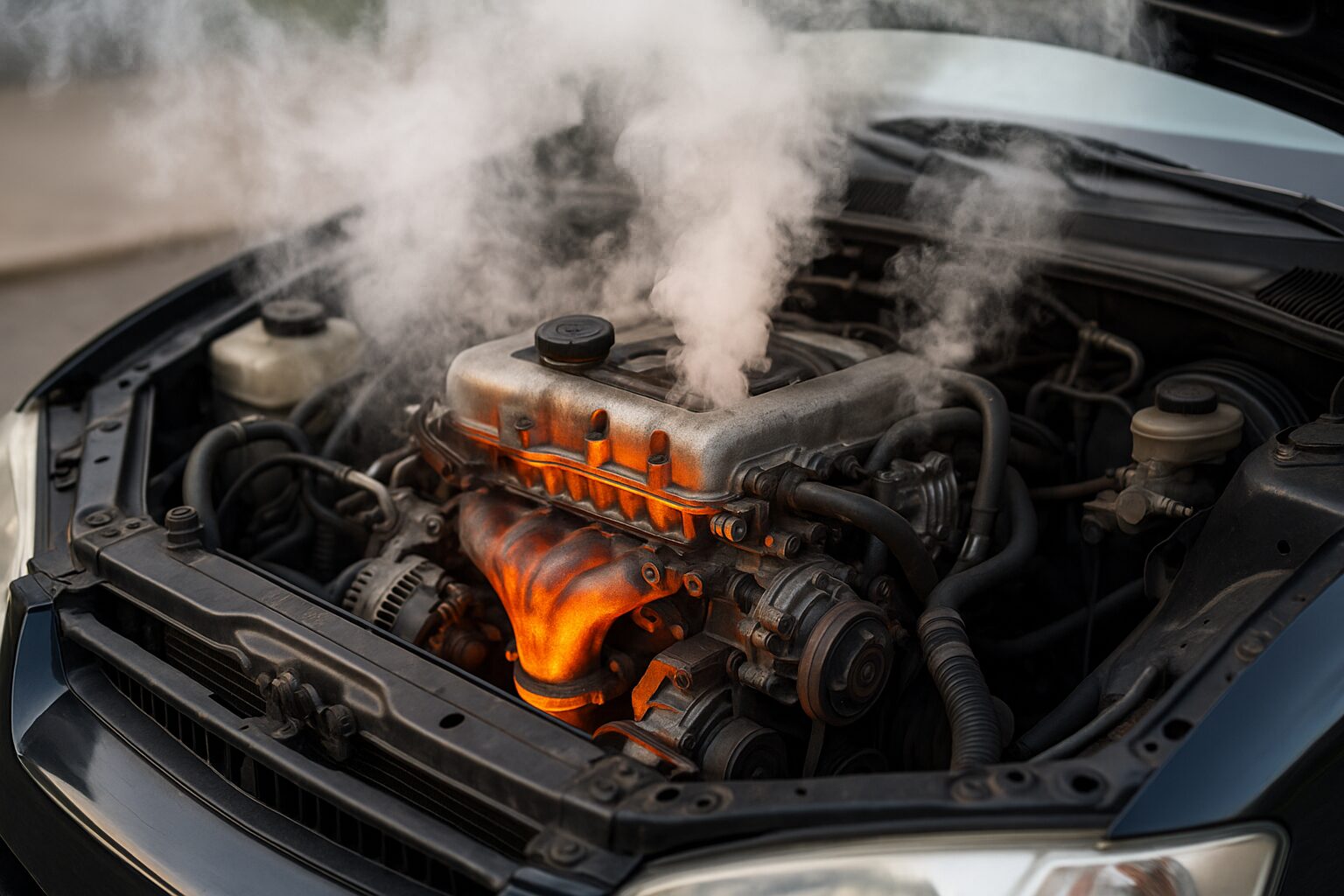
Strange Noises, Smoke, and Power Loss May Be Signs That the Engine Is About to Fail. Know What to Observe Before the Car Stops Working
Car engines, even with care, do not last forever. Over time and use, they begin to show signs of wear. In some cases, the problems become so severe that the engine stops working completely, rendering it unusable.
Like other parts of the vehicle, the engine also suffers over time. Durability depends on many factors, such as maintenance, fuel, and even driving style. Knowing how to identify failure symptoms is essential to avoid bigger problems and high costs.
How Long Does a Car Engine Last
The lifespan of an engine can vary significantly. Most gasoline, ethanol, or flex engines perform well between 124,000 and 186,000 miles. Diesel engines, on the other hand, typically last between 186,000 and 497,000 miles, depending on usage and maintenance.
-
It surpassed the T-Cross, Creta, and Tracker: with nearly 8,000 units sold, the Volkswagen Tera was the best-selling SUV in March 2026.

-
Honda performs miracles in fuel consumption with a hatch that marks 13.2 km/l in the city and 15 km/l on the highway, leaving Polo, HB20, 208, and Onix behind and becoming a reference among compact cars without resorting to turbo or hybrid systems.

-
Six diseases that seem common but can prevent the renewal of the driver’s license for the elderly throughout Brazil and surprise experienced drivers — could any of them affect you without showing clear signs?

-
With 122 hp, fuel consumption of up to 17.7 km/l, and a trunk capacity of 440 liters, this hybrid SUV impresses even though it costs up to R$ 47,000 more than the Yaris — meet the Toyota Corolla Cross.


Factors that influence this lifespan include timely oil changes, cleaning filters, proper use of gears, and fuel quality. Driving with a heavily loaded car, using the wrong oil, or aggressive driving can significantly shorten the engine’s life.
Loud Noises and Different Sounds
One of the first signs that something may be wrong with the engine is the emergence of unusual noises. They can be caused by a loose belt, low fluid in the radiator, loose parts, lubrication issues, or alternator failures.
These noises should be taken seriously. Check for exhaust leaks, check the oil level, examine for loose parts, and take the car to a workshop. A qualified professional can identify the real cause and prevent further damage.
Warning Light on Dashboard
The warning light on the dashboard, known as the “Check Engine” light, is a clear alert that there is a failure in the engine control system. If it lights up while driving, pull over as soon as possible and turn off the car. Afterward, seek a workshop.
This alert may be related to issues with the electronic control unit, catalytic converter, injection system, turbocharger, or even lack of lubrication. Ignoring this light can lead to severe damage and compromise the engine’s function.
Frequent Overheating
Another sign of trouble is constant overheating. This happens when the engine temperature exceeds the ideal range. It can be caused by low coolant, thermostat failure, radiator leaks, or a broken water pump.
The most common signs include steam coming from the hood, the fan noise louder than usual, and the warning light on the temperature gauge. In such cases, stop the car in a safe place, turn off the engine, and open the windows. Check the coolant level before continuing your journey.
Loss of Engine Power
If the car is not responding well when accelerating, is slower, or consuming more fuel than normal, it may be a sign of power loss. This can occur due to poor fuel, old spark plugs, a dirty air filter, transmission issues, or oil leaks.
Other factors include very high ambient temperatures and aggressive driving styles. This symptom directly affects the car’s performance and should be assessed as soon as possible.
High Oil or Fuel Consumption
When the car starts to consume more oil or fuel, it needs to be investigated. Excessive oil consumption may be linked to worn piston rings, seals, and gaskets, as well as leaks in the oil pan or the use of incorrect oil.
In the case of fuel, causes may include ignition failures, worn spark plugs, improperly inflated tires, excess weight in the vehicle, or overly aggressive driving. Keeping up with maintenance helps control this consumption.
Smoke Coming from the Exhaust
Excessive smoke coming from the exhaust is also a warning. If it is black, it may indicate that the car is burning too much fuel. If it is white, it could point to more serious problems, such as a damaged head gasket or a cylinder with a leak.
It is important to check the oil and coolant levels. In some cases, it may be necessary to replace the coolant, repair leaks, or even replace the entire engine, depending on the severity of the problem.
Conclusion: Pay Attention to the Signs
The engine is the heart of the car. When it starts to show problems, the signs usually appear before a complete failure. Strange noises, warning lights on the dashboard, overheating, power loss, increased consumption, and smoke from the exhaust should not be ignored.
Identifying these symptoms in time and taking the car to a trusted mechanic can prevent larger expenses and keep the vehicle functioning safely. The last thing a driver wants is to be surprised by a car that has stopped in the middle of the street due to a problem that could have been prevented.
With information from Olhar Digital.









Seja o primeiro a reagir!