





 Portuguese
  English
  Spanish
  4 min of reading
  0 comments


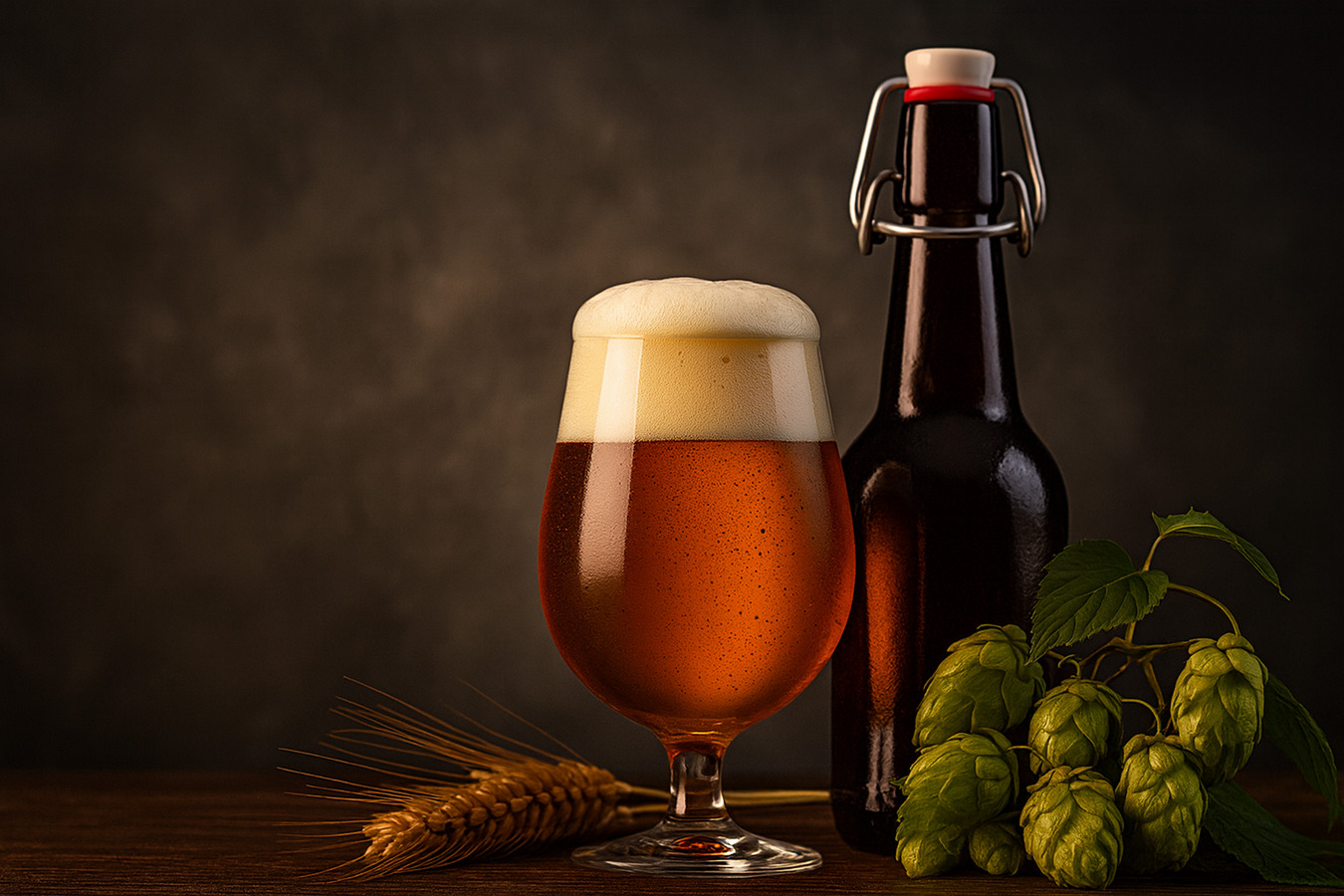
Scientists Highlight Hops as a Key Ingredient in Beer, with Compounds That May Help in Disease Prevention and Offer Cell Protection
In recent years, scientists have turned their attention to one of the most popular beverages in the world: beer. Every first Friday of August, International Beer Day reinforces its global prestige.
However, according to experts, the spotlight is not just on the flavor. Hops, the main ingredient responsible for aroma and bitterness, have shown health benefits that are gaining increasing interest.
“Hops are the star of the show,” says Glen Fox, professor of brewing science at the University of California, USA.
-
What if the Sun disappeared suddenly? Simulation shows Earth in darkness within minutes, extreme cold, and rapid collapse of life on the planet.

-
A 2,400-year-old iron foundry has been discovered in Senegal with 100 tons of slag, 35 furnace bases, and signs of nearly eight centuries of continuous metallurgical activity.

-
Four humans are flying towards the Moon inside the Orion capsule launched by the SLS rocket, and on April 6, Artemis II will disappear behind the far side of the Moon without communication with Earth for nearly an hour.

-
Worlds covered by water, atmospheres filled with hydrogen, and the possibility of life beyond Earth: ocean planets are rewriting the map of cosmic search and forcing scientists to rethink where to look.


Laboratory studies and animal tests, in addition to initial research on humans, indicate antimicrobial, antitumor, anti-inflammatory, and blood sugar-regulating effects.
What’s in Hops
Hops (Humulus lupulus), a member of the hemp family, concentrate thousands of antioxidants in the cones of the female plant, the part used in making the beverage.
These antioxidants help control inflammation and protect cells from damage, making up about 14% of the plant.
Two compounds stand out: bitter acids and polyphenols, which also give characteristic flavor and aroma.
Among them, xanthohumol is a special target of studies, as it is found only in hops and has strong antioxidant potential.
In addition to contributing to flavor—balancing the sweetness of grains—hops brought preservation advantages, becoming, for centuries, the preferred choice of brewers in Europe and worldwide.
Hops and Beer: An Ancient History
The relationship between hops and beer dates back to the beginning of agriculture. About 12,000 years ago, agrarian societies began cultivating grains like barley, wheat, and corn.
Over time, they discovered that fermentation, caused by wild yeasts, produced alcohol.
To add more flavor and increase durability, different cultures began adding herbs known as gruit.
About a thousand years ago, in the Roman Empire, hops began to be used as a preservative, consolidating its role in production.
“Everything you like in beer comes from hops,” summarizes doctor and researcher Zugravu Corina-Aurelia from Carol Davila University of Medicine and Pharmacy in Romania.
Promising Research
Studies show that about a third of the ingested xanthohumol enters the bloodstream, indicating good absorption.
Research on animals has already shown relevant effects: reduction of blood glucose, prevention of increased triglycerides and weight gain, protection against oxidation of “bad” cholesterol, and even impact on cancer cells, which stop replicating or self-destruct.
The compound is also being investigated in the treatment of inflammatory bowel diseases, such as Crohn’s disease, as it circulates through the digestive tract before being eliminated.
A pilot study with a high dose over eight weeks indicated safety for human consumption. The most recent results, with patients, are still under analysis.
The Challenge of Availability
Despite advances, there are obstacles. Global hops production is almost entirely directed towards the brewing industry, leaving little surplus for pharmaceutical purposes. This may limit supply for research and supplement development.
Another point is concentration. Craft beers with high hop content have only four to five milligrams of xanthohumol per liter, while lagers contain even less. The doses used in studies are often much higher.
Ways to Enhance the Benefits
Producers are working to cultivate hop varieties with higher levels of polyphenols, and breweries are seeking methods that preserve these compounds during production.
These efforts may result in beverages that are richer from a nutritional standpoint, especially for those opting for low or no alcohol versions.
Corina-Aurelia warns of the alcohol paradox: it facilitates the absorption of beneficial compounds, but excessive consumption causes serious harm, such as heart disease, cancer, and liver problems. Therefore, moderation is recommended.
How to Consume Beer Safely
Drinking beer to obtain benefits from hops is neither practical nor safe, given the low concentration of the compounds and the risks of alcohol.
Fox points out that even non-alcoholic beers can be healthy options. Corina-Aurelia emphasizes that low-alcohol versions or occasional consumption are better choices.
“The dose makes the poison,” compares the researcher, advocating for a balance similar to that adopted for sugar and fat. She also notes that, unlike non-alcoholic wines, current non-alcoholic beers maintain a pleasant flavor.
Future Perspectives
Additional studies on hops and their compounds are expected to gain momentum in the coming years, exploring potential applications in combating cardiovascular, metabolic, gastrointestinal, and oncological diseases.
The goal is to identify safe and effective ways to make the most of what this millennia-old plant has to offer.
In the meantime, consumers who enjoy a good beer can celebrate International Beer Day in moderation, aware that there is much more to the glass than just flavor.
With information from National Geographic Brazil.









Seja o primeiro a reagir!