





 Portuguese
  English
  Spanish
  3 min of reading
  0 comments


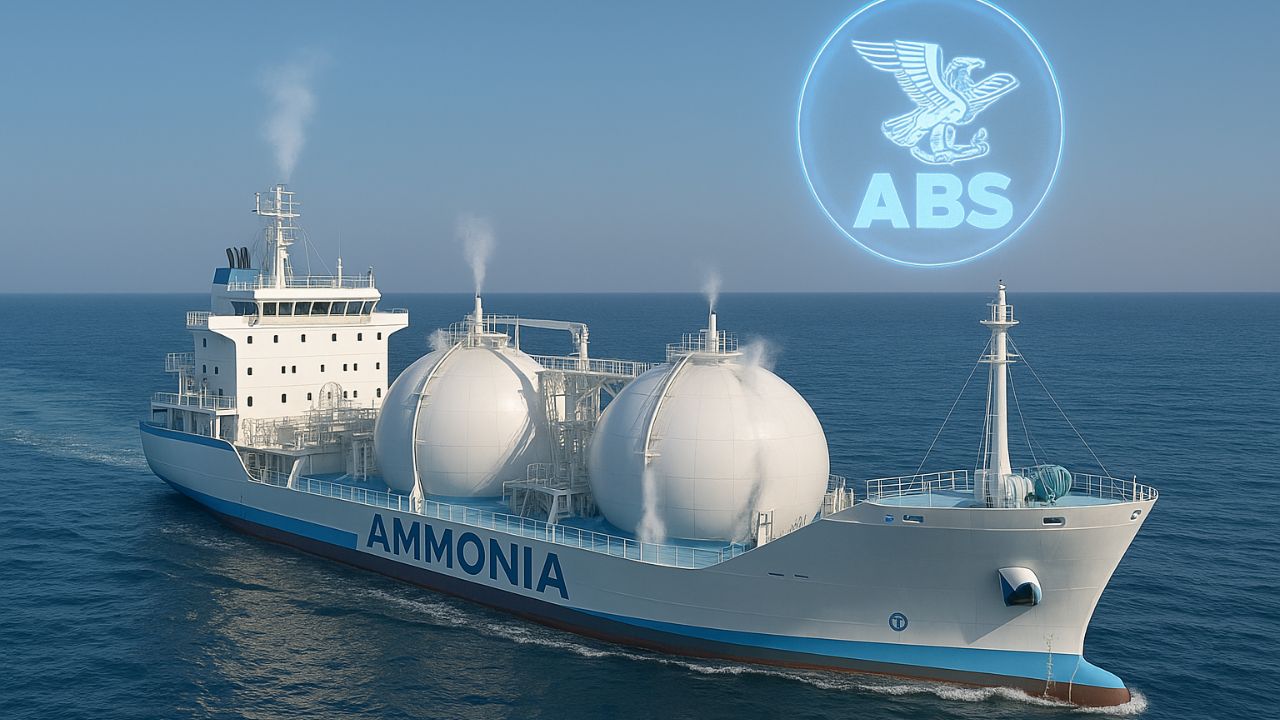
25,000 m³ Vessel Marks A Milestone in the Search for Zero Carbon Maritime Fuels and Highlights the Company’s Commitment to Innovation.
Seatrium, a provider of offshore, maritime, and energy solutions based in Singapore, has obtained an important Approval in Principle (AiP). The approval was issued by the American Bureau of Shipping (ABS). It pertains to the design of its ammonia supply vessel with a capacity of 25,000 cubic meters (m³). This advancement is considered a “significant milestone” by the company. It drives the search for zero carbon maritime fuels.
Details of the Approval and Strategic Relevance
According to an update from Seatrium on May 20, the American Bureau of Shipping (ABS) granted the approval. This recognition validates the design of the new supply vessel. The approval is seen as a critical step. It aligns Seatrium with the growing demand for cleaner maritime transportation solutions. The company reinforces its role in the sector’s energy transition.
Technical Specifications of the Supply Vessel
The supply vessel will be built using IMO Type C containment. The design of this containment is from Seatrium Marine & Deepwater Technology. The vessel will offer dual-mode operations. This means it will be able to conduct dedicated ammonia supply. Additionally, it will have optional functionality as a carrier.
-
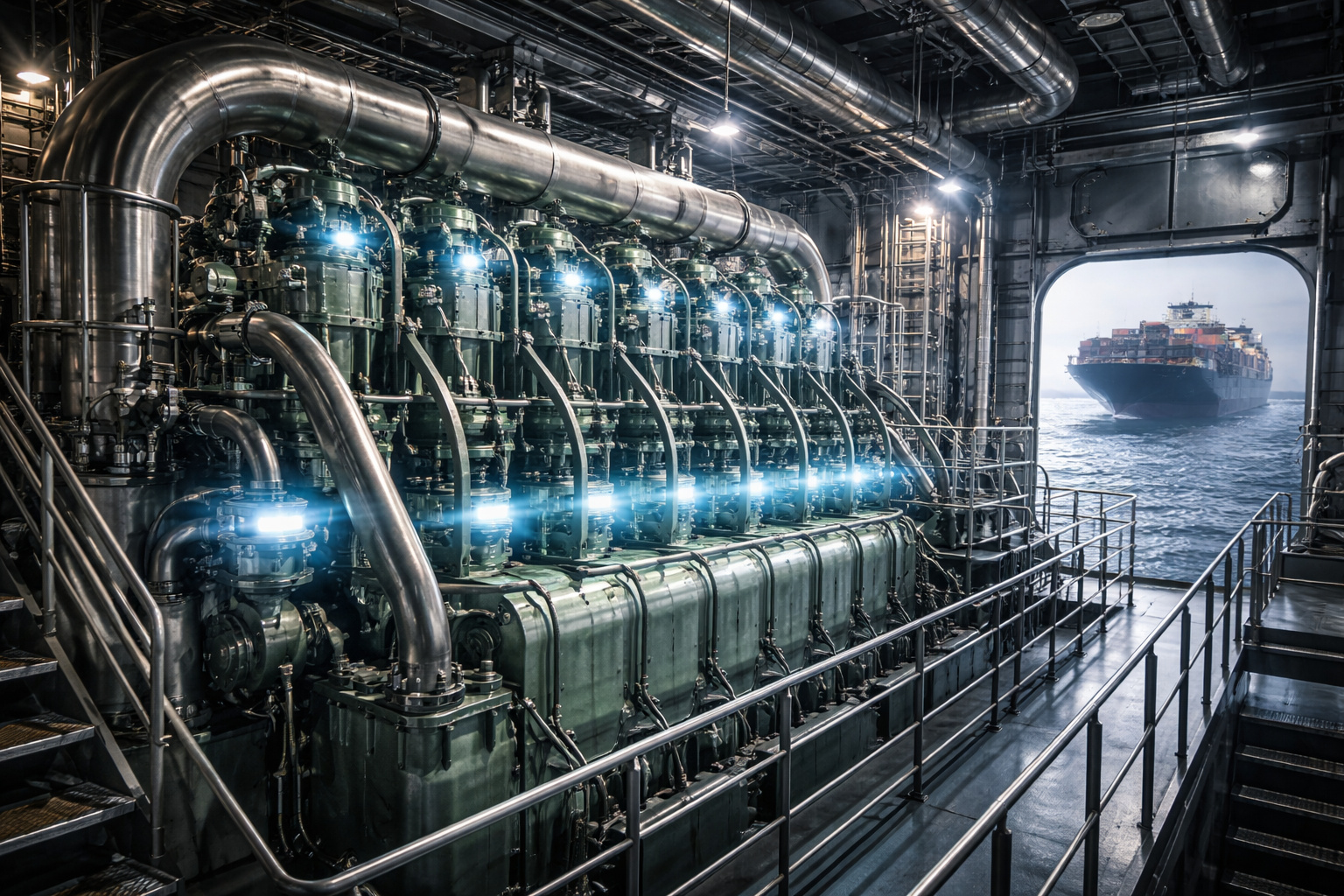
Europe is trying to create an ammonia-powered marine engine without auxiliary fuel, which could unlock the race for giant emission-free ships. The technology aims to eliminate one of the biggest obstacles to clean maritime propulsion.
-
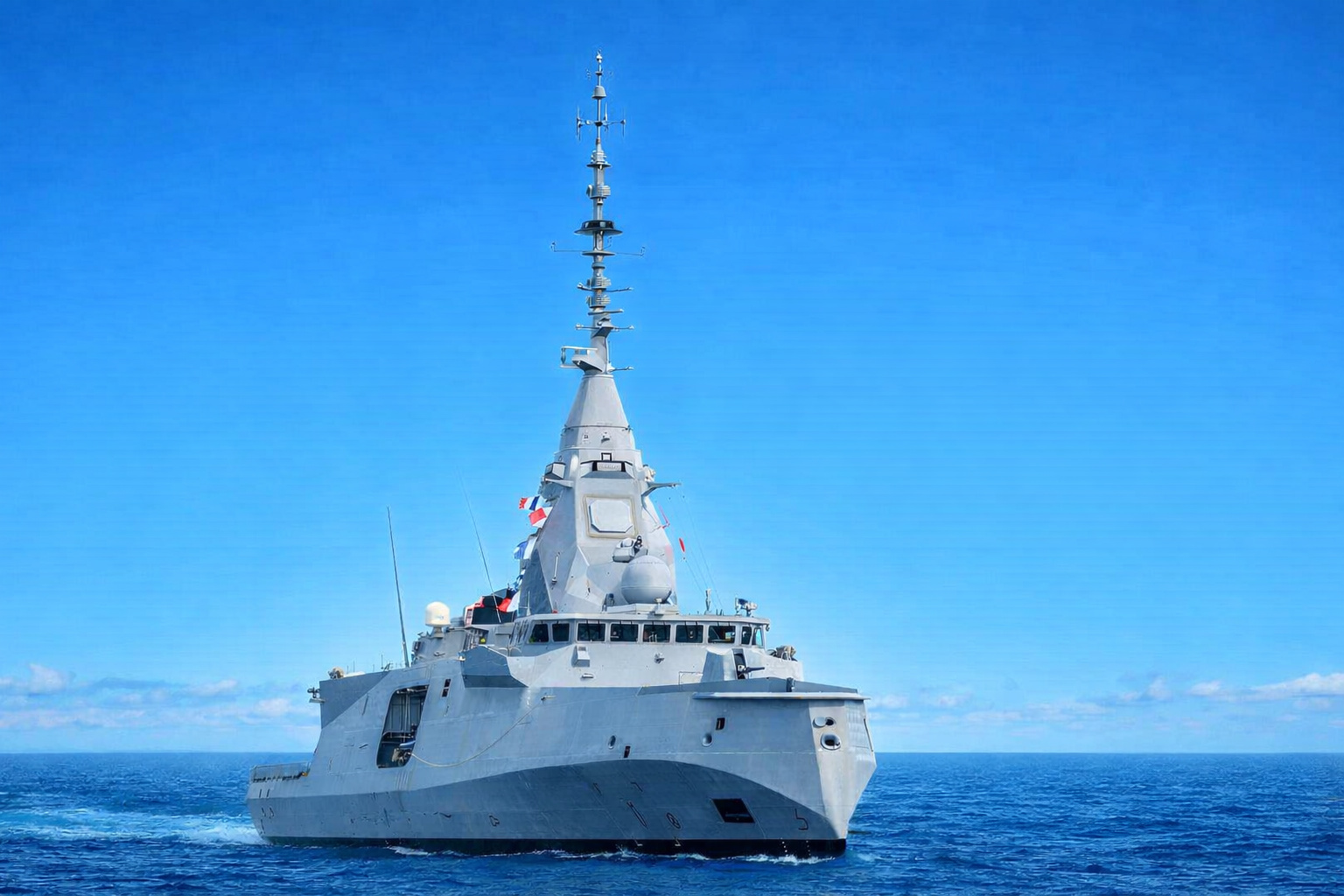
A 4,500-ton frigate with just over 100 crew members, state-of-the-art radar, and cruise missiles is being touted as the new standard of naval warfare in the 21st century.
-
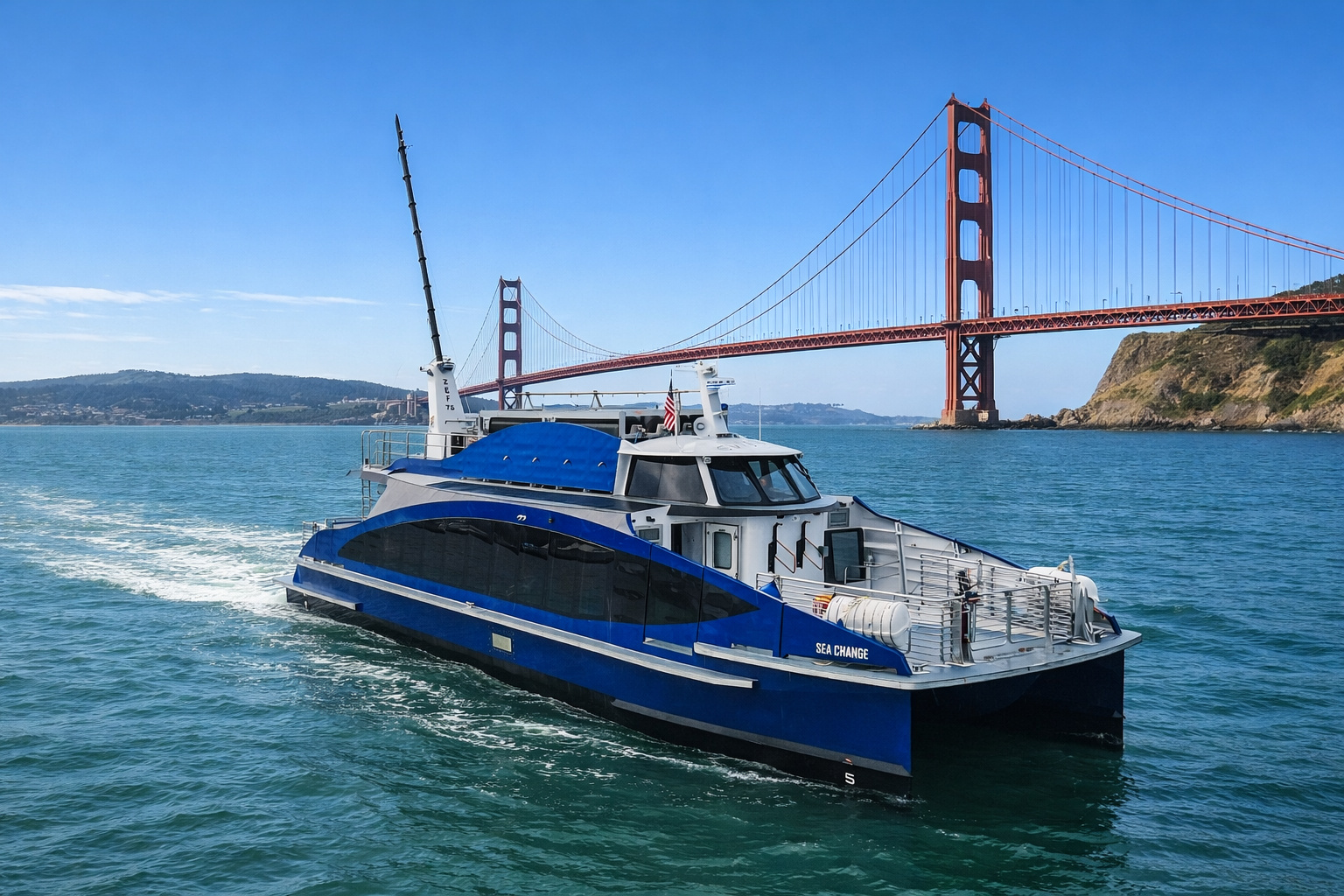
The first commercial hydrogen-powered ferry enters operation in the U.S., eliminates the use of diesel, uses fuel cells to generate clean energy on board, and transforms San Francisco Bay into a landmark of the new era of emission-free navigation.
-
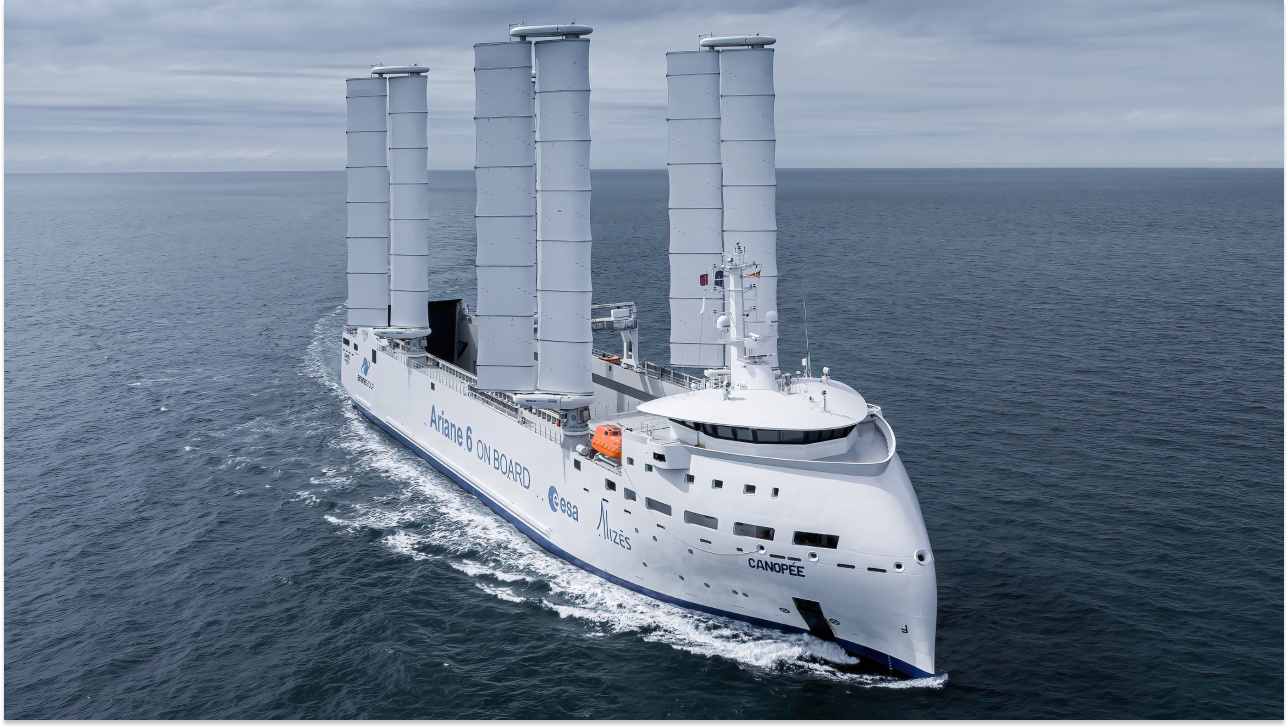
With a length of 121 meters and four rigid sails of 36 meters that automatically rotate to capture the wind, Canopée is the world’s first hybrid industrial cargo ship powered by wind, used to transport rockets and reduce fuel consumption by up to 30% on transoceanic routes.

Designed to operate with a gross tonnage of 19,500 tons, the vessel will reach 14 knots. Its range will allow for 55 days of continuous operation without the need for refueling. The supply vessel will be equipped with dual-fuel generators. These will allow for a switch between ammonia and diesel fuel.
Safety and Regulatory Compliance
Safety is a central aspect of the design. The ammonia supply vessel will incorporate an enhanced safety architecture. The main focus is on leak prevention on the open deck. This design complies with International Maritime Organization (IMO) standards. It also follows the International Code for the Construction and Equipment of Ships Carrying Liquefied Gases in Bulk (IGC Code) and ABS regulations.
Other Seatrium Projects in the Ammonia Sector
This is not Seatrium’s first advancement with alternative fuels. Earlier this year, LMG Marin, a subsidiary of Seatrium, revealed another project. In collaboration with the Japanese shipping giant NYK and other partners, a design for an ammonia-fueled supply vessel was developed. This smaller supply vessel was designed for local use in Singapore. It received approval from the ClassNK classification society.
That project incorporates dual-fuel ammonia engines from IHI Power Systems. It also includes a supply barrier from TB Global Technologies. These engines, which significantly reduce greenhouse gas (GHG) emissions, are also installed on the Sakigake. The Sakigake is the world’s first ammonia-powered tugboat for commercial use, delivered in August 2024. The supply barrier features the High-Speed Ammonia Emergency Purge Release System (ERS). This technology enables reliable and efficient disconnection in emergencies.







Seja o primeiro a reagir!