





 Portuguese
  English
  Spanish
 3 min of reading


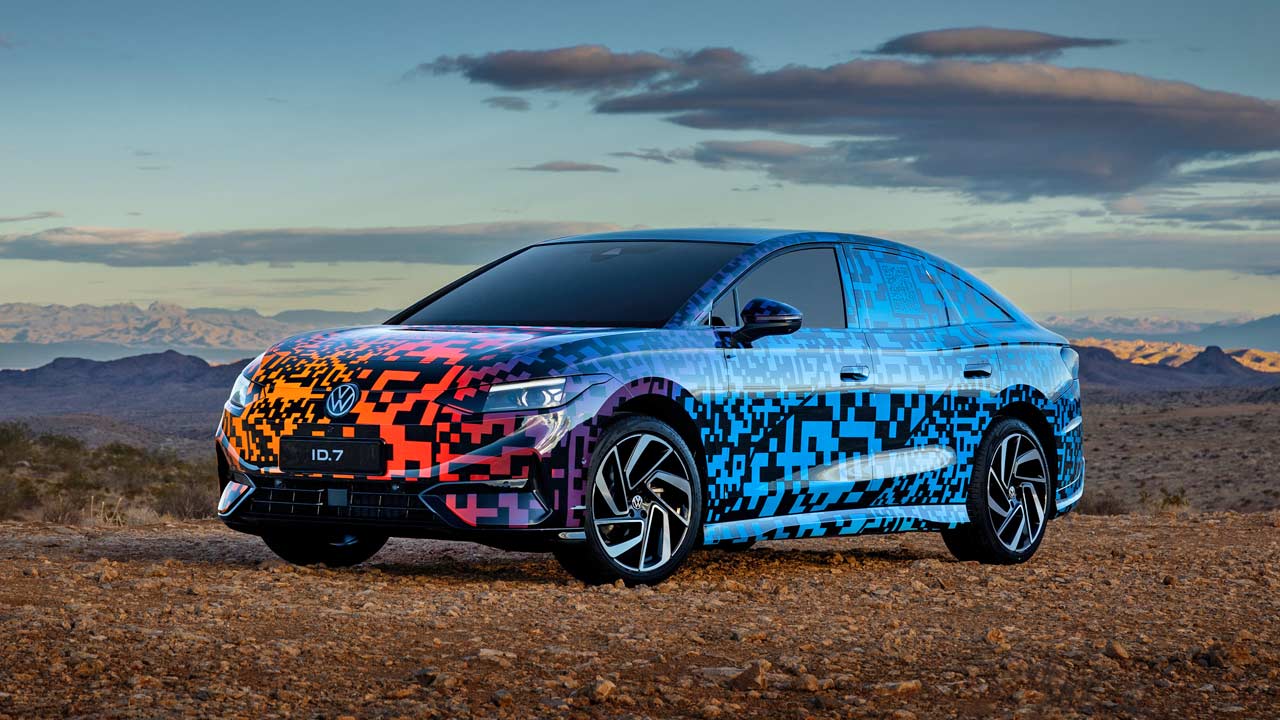
The All-Electric Volkswagen ID 7 Sedan, the Next EV in the German Automaker’s Lineup, Was Unveiled at CES 2023 in Las Vegas.
The most exciting part of the debut of the Volkswagen ID 7 sedan wasn’t the multifaceted explosion of the yellow, orange, red, and blue electroluminescent camouflage paint that lit up on command. Rather, it’s some of the features and changes from previous ID models that suggest VW is trying to step up its software design and human interface game to align more closely with what consumers may find in Tesla and other competitors.
The Volkswagen ID 7 sedan, previously presented as a concept car in China under the name ID Aero, is one of 10 new electric models set to enter production in 2026, said Volkswagen Passenger Cars CEO Thomas Schäfer. The EV will be launched in China, Europe, and North America.
Discover the Features of the Volkswagen ID 7 Sedan
Like its other ID siblings, the ID 7 is based on the MEB platform, a flexible modular system – effectively a series of common parts – used by brands under the Volkswagen Group (including Audi, Seat, Skoda, and Volkswagen) to improve efficiency and cost-effectiveness in producing electric vehicles.
-
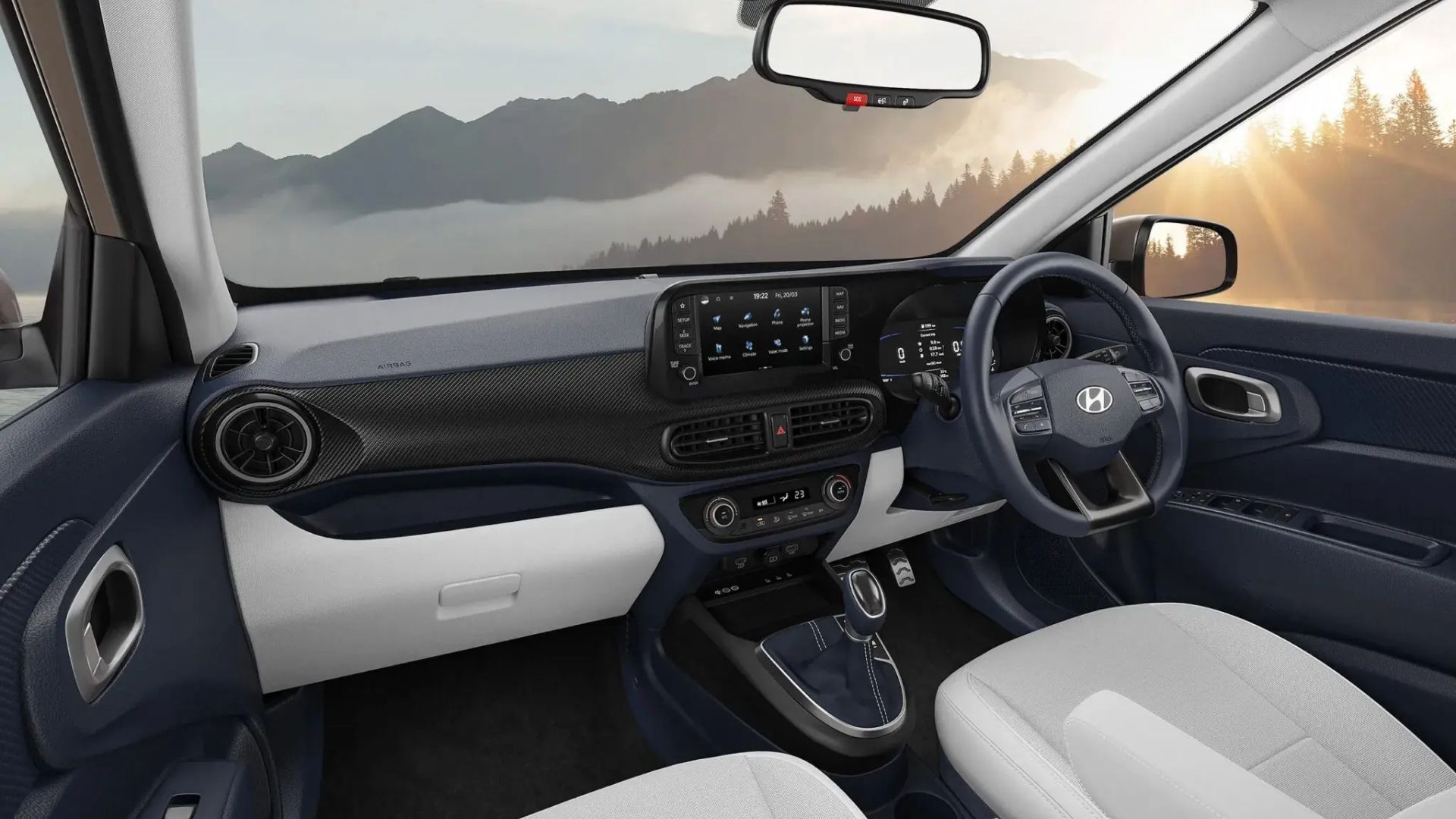
For R$ 32,000, a brand new Hyundai car is a rival to the Kwid with a 1.2 engine producing 82 hp, 6 airbags as standard, multimedia with wireless Android Auto, up to 391 liters in the trunk, and a refreshed look for 2026 in India.
-
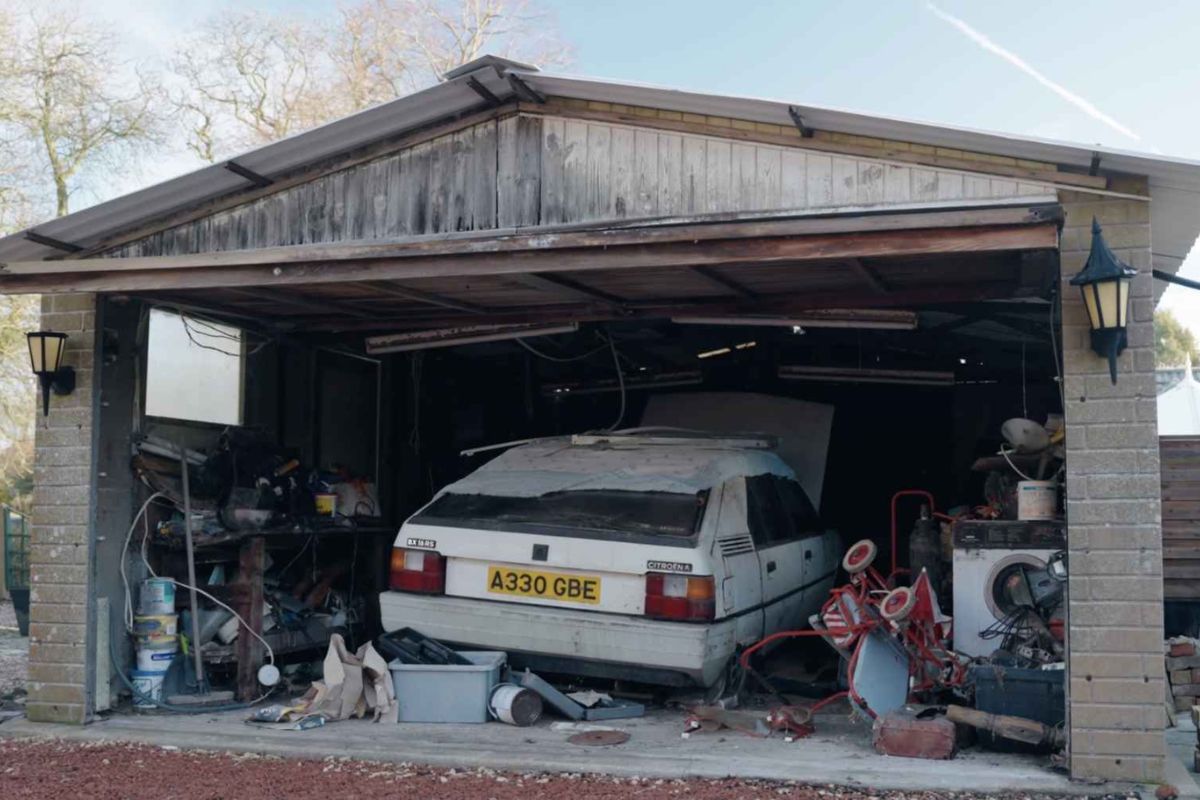
He bought a new car in 1983, locked it in the barn in 1988, and no one opened the door for 38 years until the family discovered what was stored inside and realized it looked like something out of a movie.
-
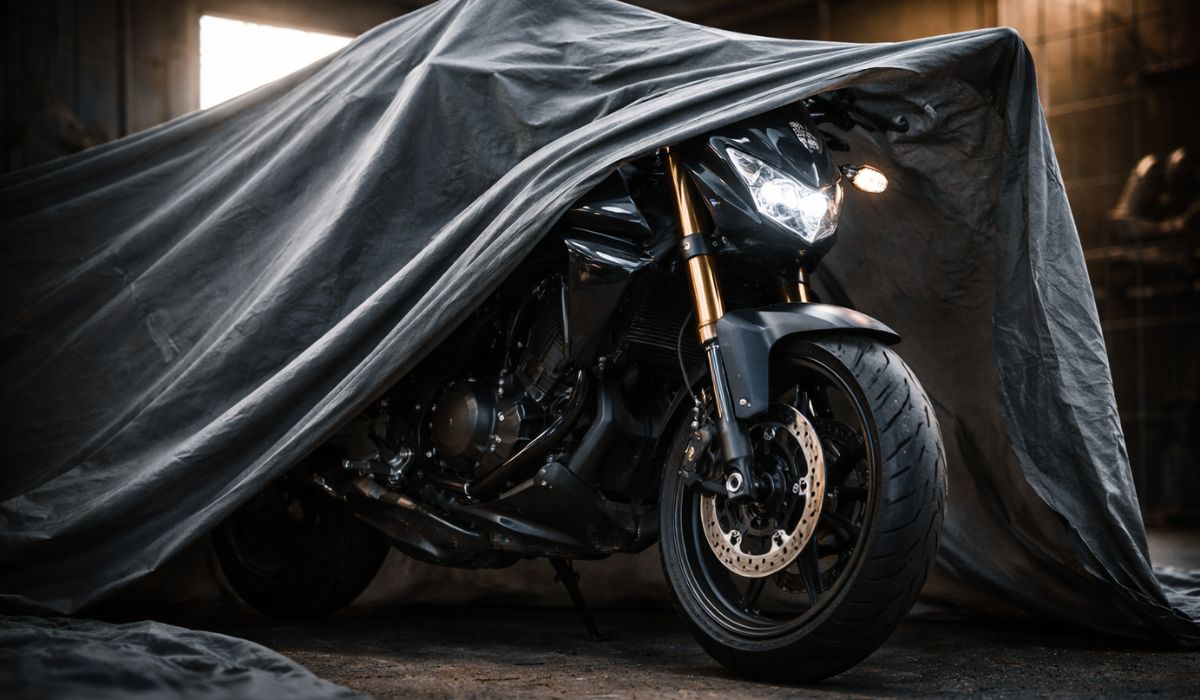
A 250cc motorcycle that can reach 560 km with a 14-liter tank, features disc brakes on both wheels and is among the most well-known in Brazil.
-
Man finds over 200 rare cars abandoned on a lot and tries to do the impossible in 8 hours with a surprise at the end.


The VW ID.3 and VW ID.4 SUVs unique to Europe and the electric ID.5 hatchback, as well as variants of the Audi Q4 e-tron, are based on the MEB platform. By 2025, the automaker expects to exceed 80%.
The ID 7 has some standout changes and notable features, starting with a new interface for the car’s infotainment system. The central display is larger at 15 inches. However, more importantly, the way users access and interact with features on the screen has changed.
The weather function is now prominently and permanently displayed at the bottom of the central entertainment screen. In the upper left corners, drivers can quickly access vehicle information and advanced driver assistance features.
In what may be controversial in some parts of the automotive world, VW has adopted a new air conditioning system that uses digitally controlled air vents similar to those found in Tesla vehicles. This means there are no longer physical vents that the driver or passenger can move to change the direction of airflow.
Instead, users can access voice controls or the central touchscreen to change the direction of airflow. The air conditioning system design is also easier to use. If the driver approaches the vehicle with the key, the system should turn on and begin cooling the interior on a hot day or heating it on a colder day.
Volkswagen is also working to enhance its natural language processing capabilities. Users will be able to give specific verbal cues, such as “Hey Volkswagen, my hands are cold!” the company says, and the system will activate a heated steering wheel function that blows warm air onto the driver’s hands. Other additions and changes in the ID 7 include an augmented reality head-up display and a lit touch slider at the bottom of the touchscreen.
The exterior design aligns with VW’s current portfolio of electric vehicles. The sedan features an aerodynamic front and a sloping roofline like a coupe. According to the company, the design, which is difficult to read in the bright multicolored camouflage, was created to help reduce energy consumption and increase range.
Air intakes are positioned at the front to direct air through them and along the sides of the vehicle, creating an air curtain that calms airflow along the sides of the vehicle. The end result is a range of around 700 kilometers or about 434 miles (according to the European WLTP cycle).










Seja o primeiro a reagir!