






 Portuguese
  Spanish


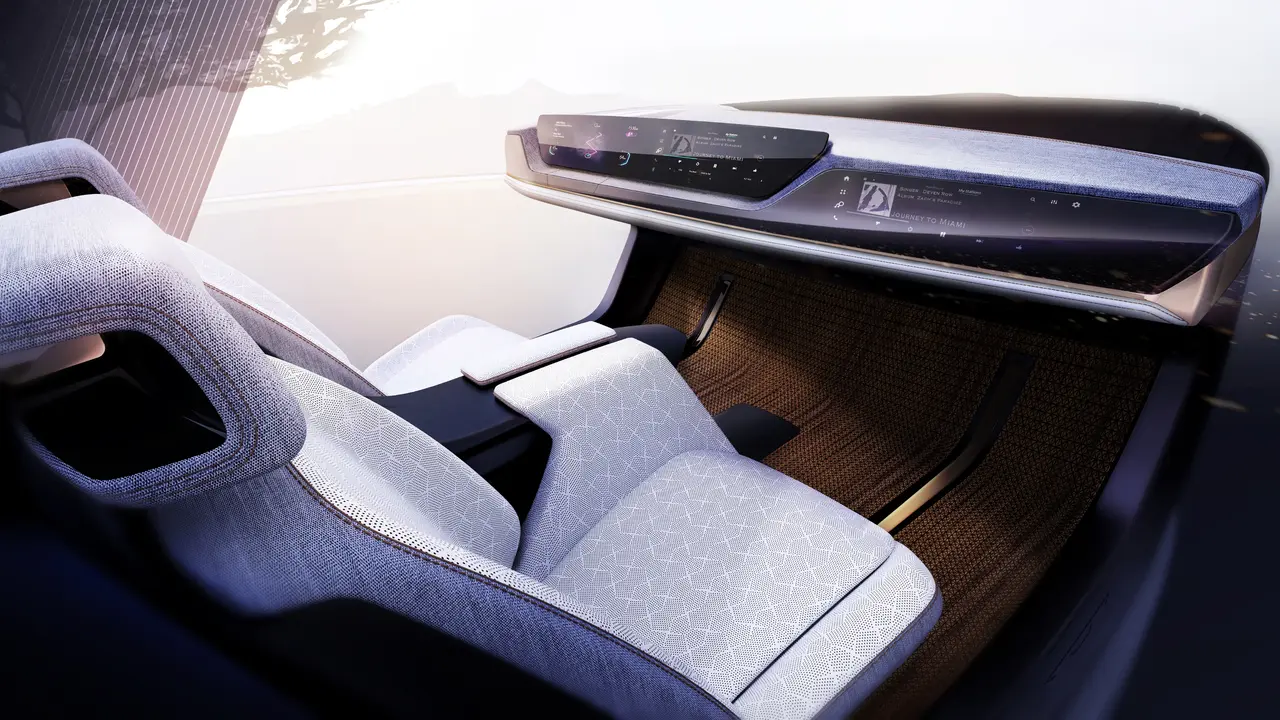

A Year Ago, at CES in Las Vegas, Stellantis Showed the World How a Chrysler EV Could Be the Cabin of Your Future Car – a Transformation that Will Last Until 2028, When It Will Become a Fully Electric Brand.
The brand presented its vision at CES 2023 with the Chrysler Synthesis, a two-seater demonstration of automotive technology and how the driver and passenger can use it. Being a cabin of your future car.
Feature of the Cabin of Your Future Car
As part of the demonstration, the company created a typical day in the future of life in the car, which includes virtual personal assistants with biometrics, autonomous driving that allows drivers to make video calls, and entertainment and wellness experiences, such as meditation, games, and karaoke. There’s even a feature that allows customers to create and compose their own music.
While this may be a design exercise to spark consumer and shareholder interest, the core technology is the real part of Stellantis’s strategy.
-
Chinese Giant Invests $1.3 Billion in Brazil to Produce 50,000 Cars Annually, Create Jobs, Develop Local Suppliers, and Manufacture Electric, Hybrid, and Combustion Models by 2027

-
Thinking of Installing LED Headlights? Why Replacing Halogen Bulbs is Still Banned, the Glare Risks Authorities Worry About, and How a New Proposal Could Allow Certified, Safe Installations

-
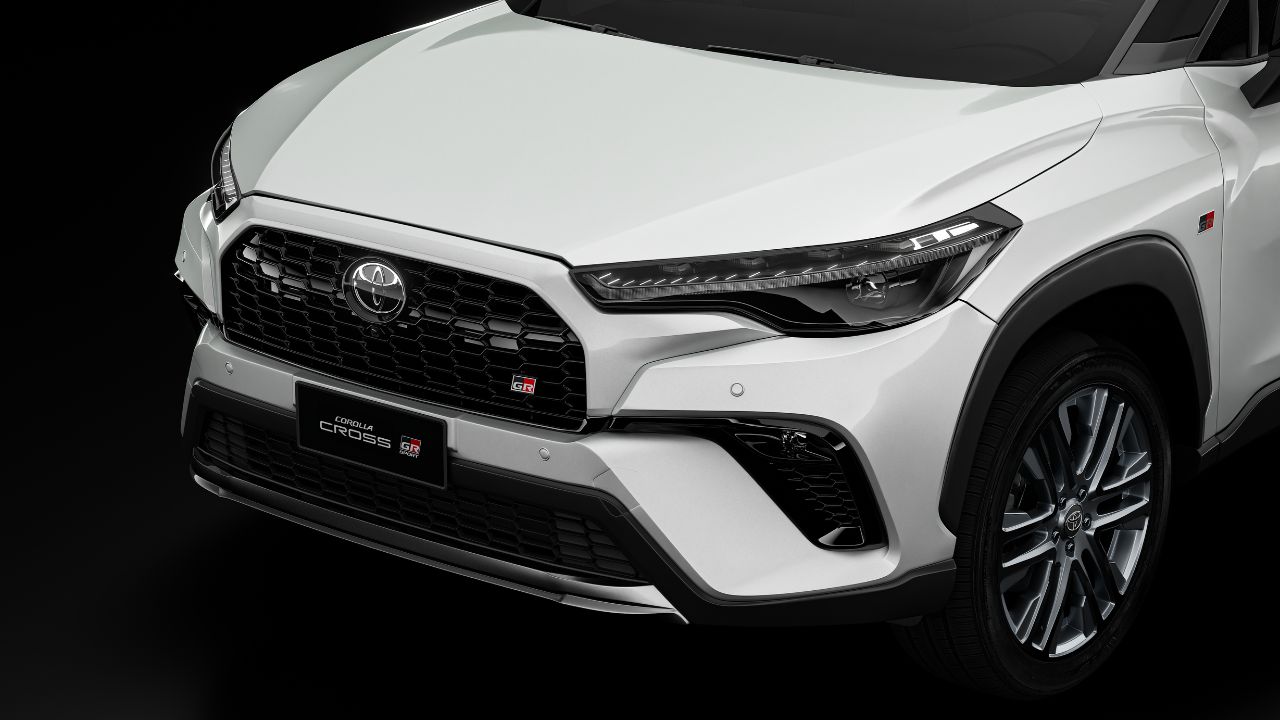
2027 Toyota Corolla Cross Unveiled: New Design, Enhanced Fuel Efficiency, Reduced Maintenance Costs, Advanced Technology, Connected Services, and Up to 10-Year Warranty

-
Fiat Cronos Precision 2018: Affordable Sedan with Spacious Trunk and Reliable Maintenance
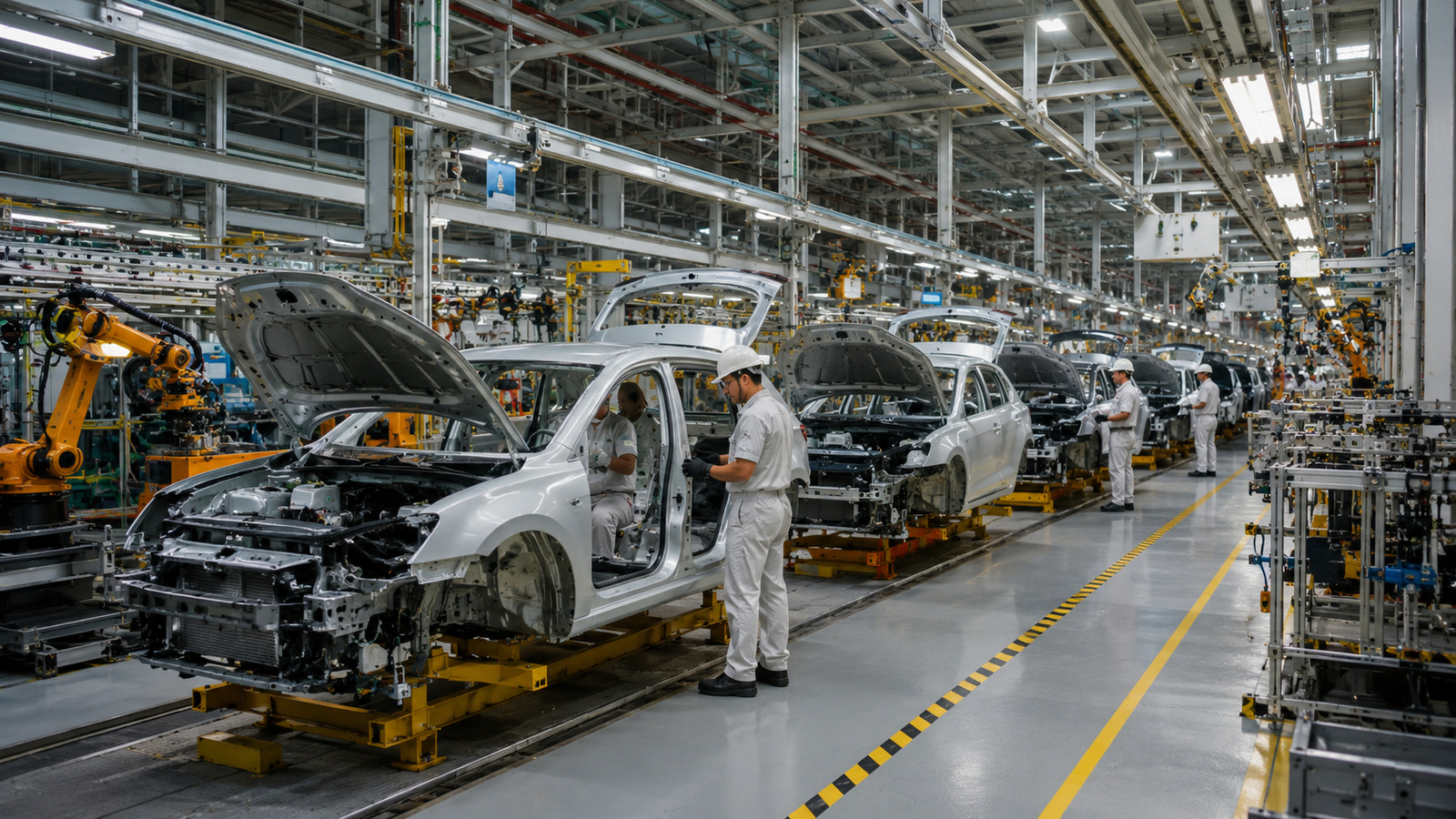


Stellantis says it will invest more than US$ 33.7 billion in software and electrification by 2025. The ultimate goal is to have 34 million connected cars on the road by 2030, with which Stellantis could generate revenue in years of sales to consumers.
To achieve this grand goal, Stellantis is developing three components that will be integrated into future products, starting with the underlying electric and software architecture known as the STLA Brain. This underlying system is integrated with the cloud, connecting the electronic control unit inside the vehicle to the vehicle’s high-performance central computer via a high-speed data bus. This will allow the company to update the vehicle’s software “over the air” or wirelessly.
In addition to this “brain,” Stellantis will add its “SmartCockpit,” a platform built in partnership with Foxconn that will provide driver apps such as navigation, voice assistance, e-commerce marketplace, and payment services. A third autonomous driving platform, “AutoDrive,” developed in conjunction with BMW, will complete the automaker’s software roadmap.
All three platforms will be installed in new Stellantis vehicles by 2024. Visitors to CES 2023 can see the ‘brain,’ the ‘smart cockpit,’ and ‘autonomous driving’ in action in the Chrysler Synthesis concept vehicle, which includes a 37.2-inch sculpted black glass infotainment screen for two front passengers. The cockpit for two is inspired by the Chrysler Airflow Concept revealed last year, which represents the brand’s future design direction and is equipped with sustainable materials. Chroming is not permitted.
The suspended vegan seats are wrapped in a soft finish made of Arctic recycled chrome, the dashboard is made of 100% post-industrial and ocean plastic, and the flooring is in ‘responsibly sourced’ walnut. LED lighting completes the look. However, the true asset of the Chrysler Synthesis is the software. The software of the Chrysler Synthesis – theoretically, future vehicles from Chrysler – includes a virtual personal assistant, the ability to learn the behavior and preferences of the car owner, and frequent over-the-air software updates to provide new and updated content.
The assistant is designed to ease daily life, such as installing updates and syncing with calendars for scheduling and routing, allowing multitasking during autonomous driving, recommending parking and charging options, assisting with e-commerce services, and connecting to smart devices and the home.


