





 Portuguese
  English
  Spanish
  3 min of reading
  0 comments


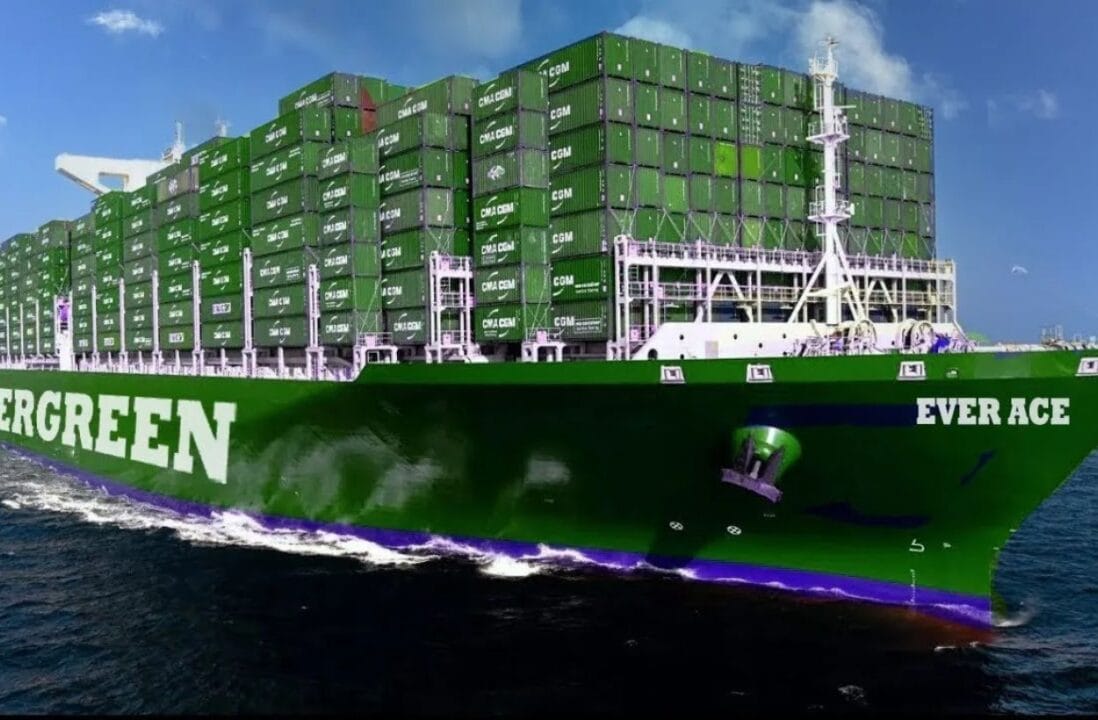
Discover The Power And Technology Needed To Move The Largest Vessels In The World, Container Ships, Across The Oceans.
In the vast oceans that cover our planet, engineering giants traverse the waters with an efficiency and scale that defy imagination. The largest container ships in the world are supreme examples of innovation and power, moving with colossal energy. But have you ever wondered how much energy is needed to move these massive structures?
Modern container ships are true marvels of naval engineering. Capable of carrying over 20,000 containers, these vessels are not only immense in size but also in cargo capacity. Built with robust steel and equipped with the most advanced technologies, these ships are designed for maximum efficiency in global maritime transport.
The Power Of The Largest Container Ships
At the heart of these colossi is the engine, an engineering feat that defines the ship’s ability to cross continents. The MSC Tessa, for instance, the third largest container ship in the world, is powered by a low-speed diesel engine with an impressive power output of 98,000 horsepower, capable of propelling the ship at speeds of up to 23 knots.
-
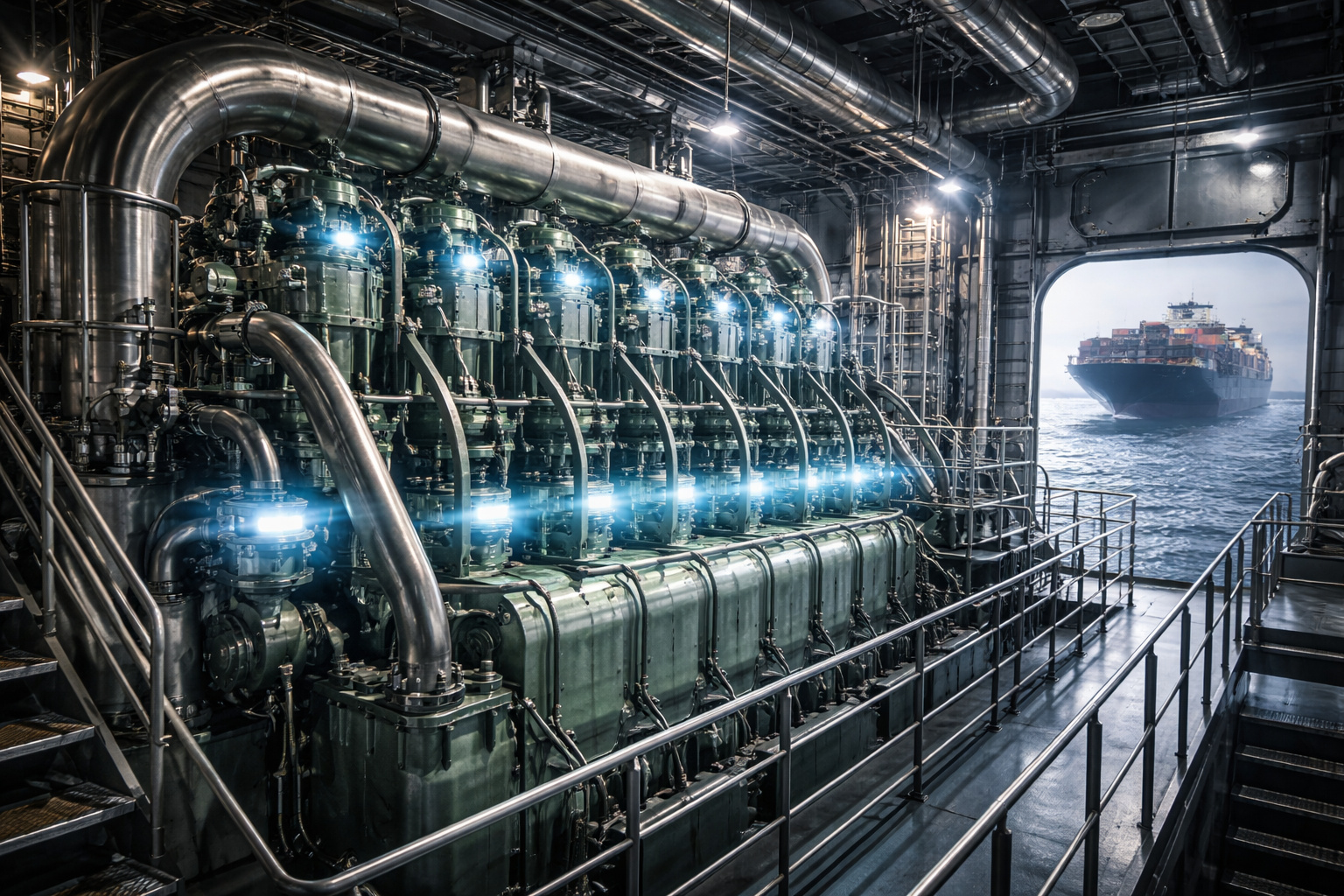
Europe is trying to create an ammonia-powered marine engine without auxiliary fuel, which could unlock the race for giant emission-free ships. The technology aims to eliminate one of the biggest obstacles to clean maritime propulsion.
-
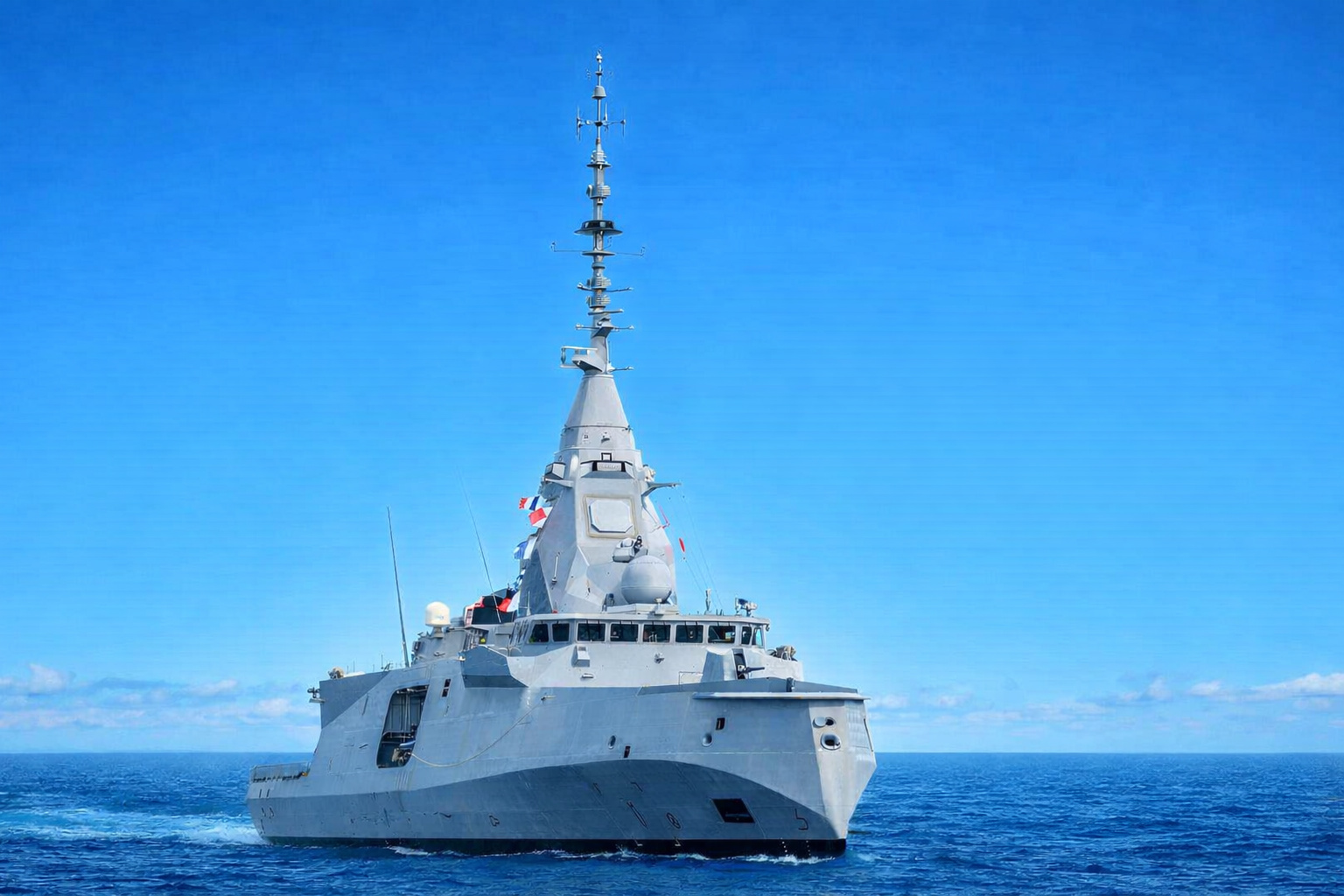
A 4,500-ton frigate with just over 100 crew members, state-of-the-art radar, and cruise missiles is being touted as the new standard of naval warfare in the 21st century.
-
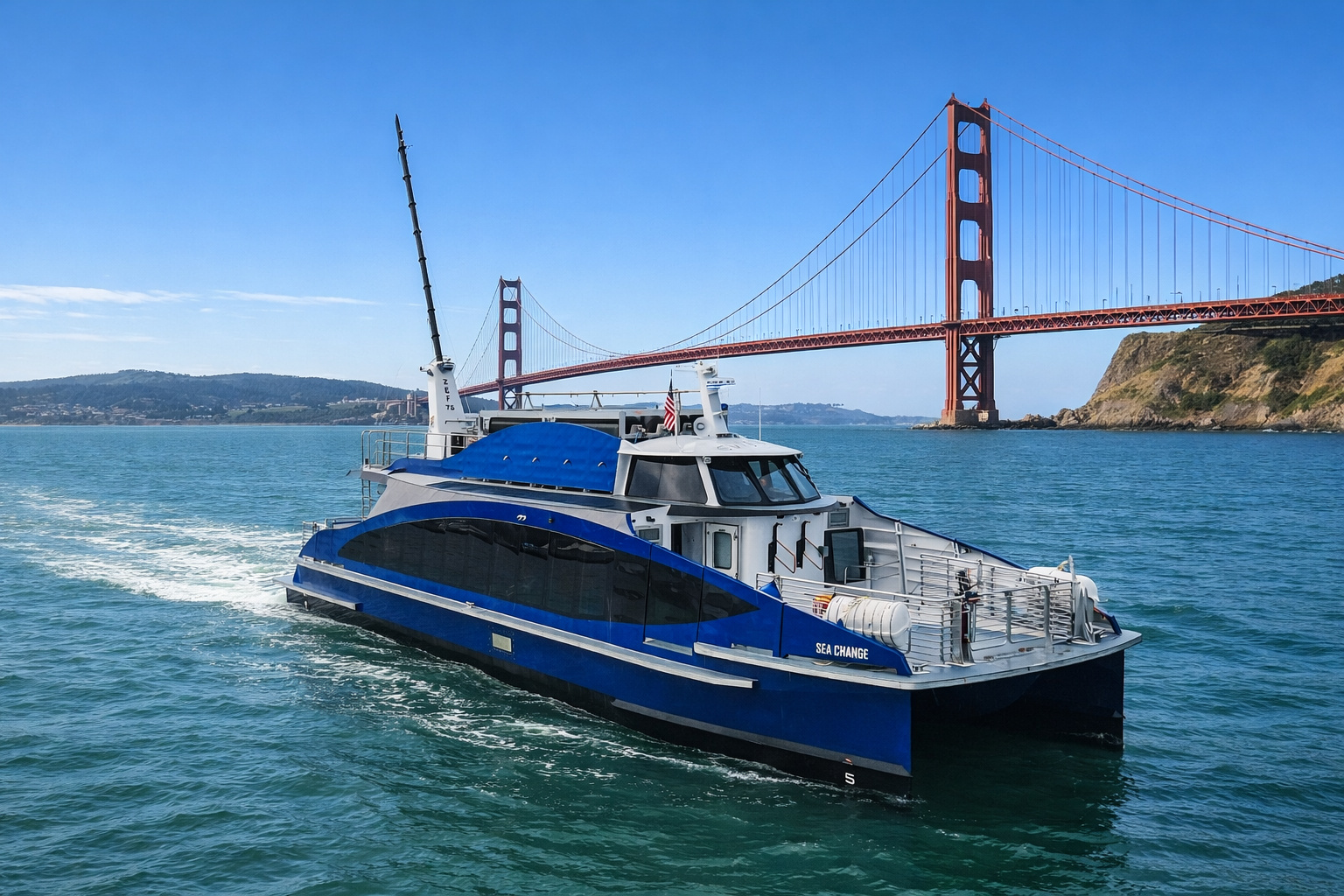
The first commercial hydrogen-powered ferry enters operation in the U.S., eliminates the use of diesel, uses fuel cells to generate clean energy on board, and transforms San Francisco Bay into a landmark of the new era of emission-free navigation.
-
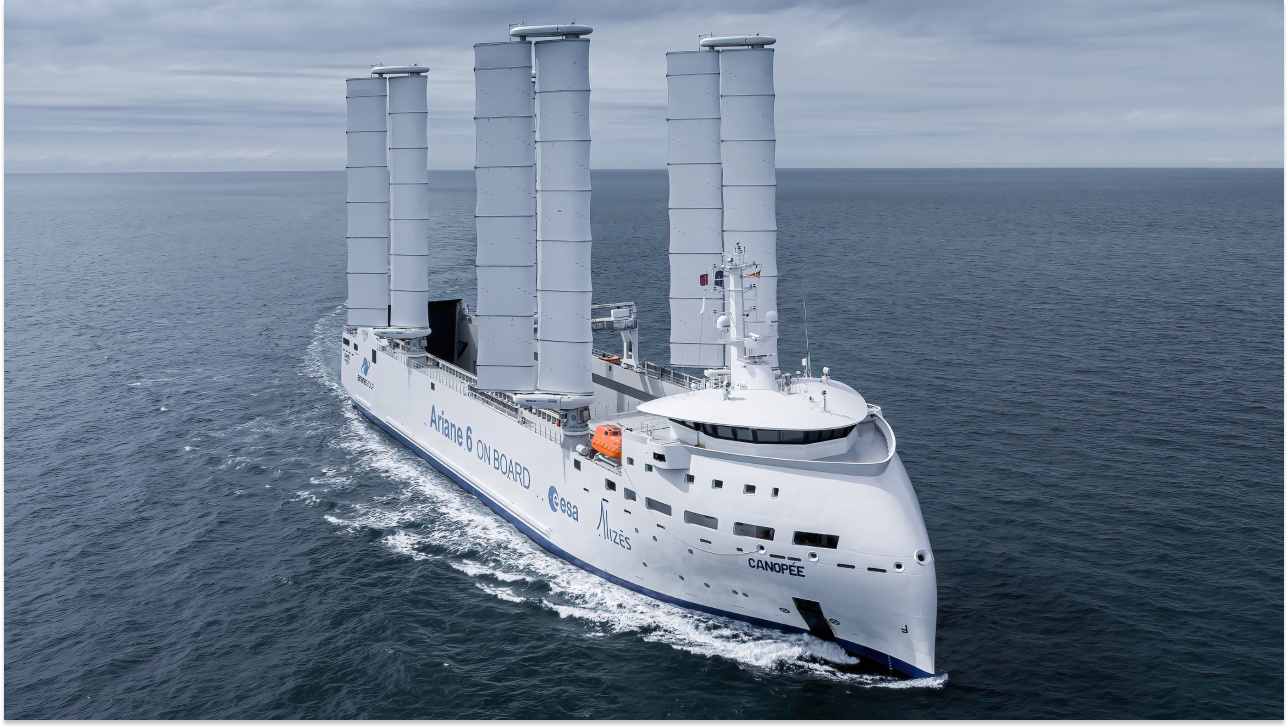
With a length of 121 meters and four rigid sails of 36 meters that automatically rotate to capture the wind, Canopée is the world’s first hybrid industrial cargo ship powered by wind, used to transport rockets and reduce fuel consumption by up to 30% on transoceanic routes.

The assembly of these engines is a meticulous process, beginning with the construction of the engine block, followed by the installation of pistons that move up and down to generate power. Fuel and lubrication systems, turbochargers, and an air supply system are crucial components, working together to ensure that the engine meets stringent safety and performance standards.
Innovation And Efficiency
Efficiency is not limited to sheer power. Modern container ships also incorporate innovative technologies to enhance fuel efficiency and reduce emissions, aligning with growing environmental concerns. These advancements include aerodynamic optimization, heat recovery systems, and even the use of alternative energy sources such as wind turbines to supplement the main engine.
Keeping these vessels moving is a constant challenge that requires meticulous attention to maintenance and technological upgrades. Propulsion units, such as propellers, play a crucial role, and their maintenance and replacement can be performed without the need to dry-dock the ship, thanks to modern external replacement techniques.
The largest container ships in the world are testaments to human ingenuity, moving with energy as impressive as their cargo. As the shipping industry advances, the quest for more efficient and sustainable solutions will continue to drive innovations, ensuring that these giants of the seas remain essential to global trade.
History Of The Largest Container Ships In The World
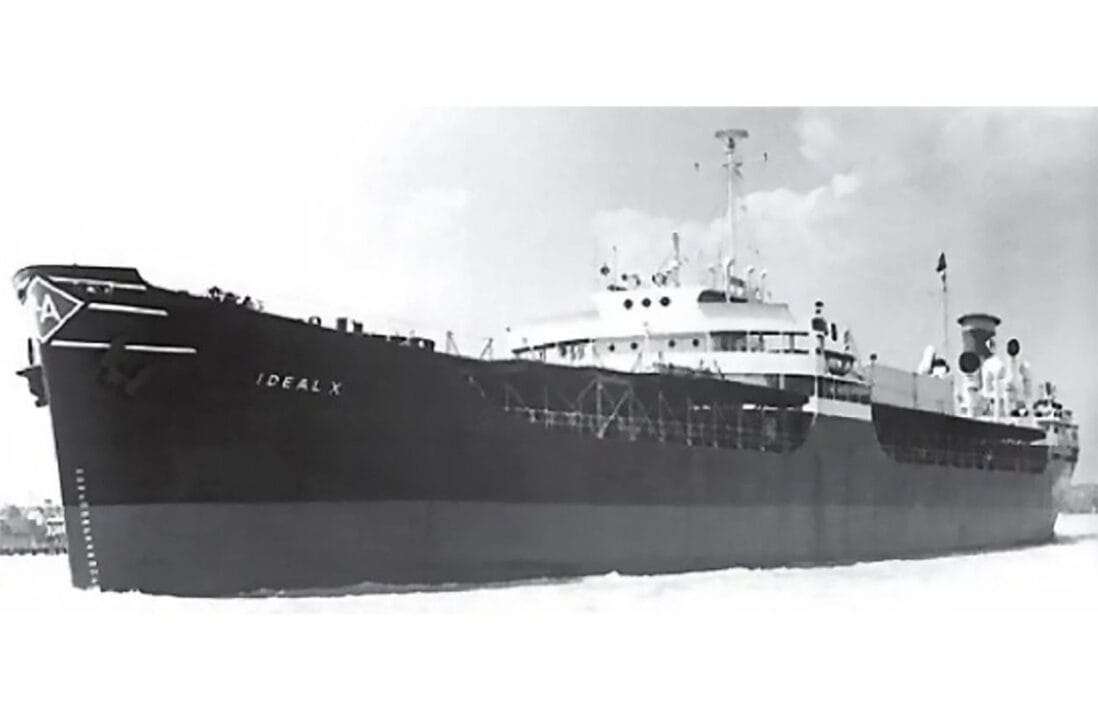
Container ships began to transform the shipping industry and maritime transport in the 1950s when Malcolm McLean introduced the concept of containerization, facilitating the loading and unloading of goods and revolutionizing logistics. Since then, the size and capacity of these ships have grown significantly, reflecting the expansion of global trade and the demand for efficiency in goods transport.
The first container ships had the capacity for only a few containers, but designs evolved rapidly. By the 1980s, ships capable of carrying thousands of containers were already common. Today, the largest container ships in the world can carry over 20,000 TEU (Twenty-foot Equivalent Unit), with records for capacity and efficiency being broken regularly.
These giants of the sea are equipped with cutting-edge technology, not only for navigation and cargo operations but also to reduce their environmental impact. More efficient engines, better aerodynamics, and the use of cleaner fuels are some of the innovations implemented to make these ships more sustainable.
The history of container ships is, therefore, a story of how innovation can transform the maritime industry and other entire sectors and promote global trade while presenting new challenges and opportunities for the future of commercial navigation.








Seja o primeiro a reagir!