





 Portuguese
  English
  Spanish
  3 min of reading


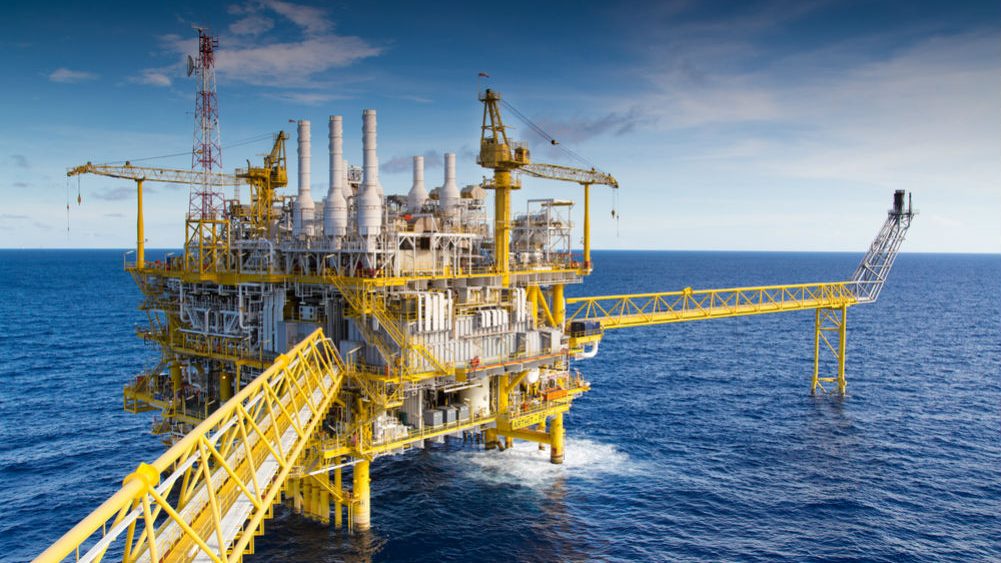
KPMG Study With Brazilian Companies in the Oil and Gas Sector Reveals That Most Are Not Ready to Automate Operations
Just over a quarter (26%) of the oil and gas sector apply technologies to manage their assets, according to the survey “On Track for the Digital Journey,” conducted by the consulting firm KPMG. “These resources include drones, 3D visualization, data analysis, and artificial intelligence technologies that can improve asset use, reducing processing unit downtime and exposure to risks,” explains It Forum, which published the study on IT utilization. Also read this news: Oil and Gas Multinational OSM is Hiring for Offshore Job Openings
- Renault Plans to Launch Electric Version of the Kwid in the Country to Take the Place of the JAC E-JS1 and Become the Cheapest Electric Car in Brazil
- Federal Government Develops Plan to Try to Contain Fuel Prices and Freeze Values
- Generation Z Is Not Interested in Working in the IT Market and Brazilian Companies Are Looking for Professionals from Other Countries to Fill Positions.
- New Bioxxi Factory in Recife Opens 350 Job Openings for Nursing Technicians, Nurses, Machine Operators, and General Services.
- Oil States Signs New Contract with Petrobras for Offshore Maintenance and Inspection of 5 FPSOs
IT Utilization in the Oil and Gas Sector
“The research also shows that while 29% of companies in the oil and gas sector have a well-prepared team for the implementation of an IT process in the industry, nearly half (48%) are not ready to apply this method. Furthermore, nearly half of the participants (42%) believe that organizations are capable of making a transition in the energy matrix, being able to replace assets with those based on alternative energy sources,” the information concludes.
According to Anderson Dutra, sector leader for energy and natural resources at KPMG, the report showed that a small percentage of oil and gas companies utilize the available technologies (IT). “Therefore, the industry still has a lot to do regarding the digital transformation process that can enhance business management,” he concludes.
-
New escalation of tensions and oil crisis in the Middle East forces world powers to accelerate energy transition plans.
-
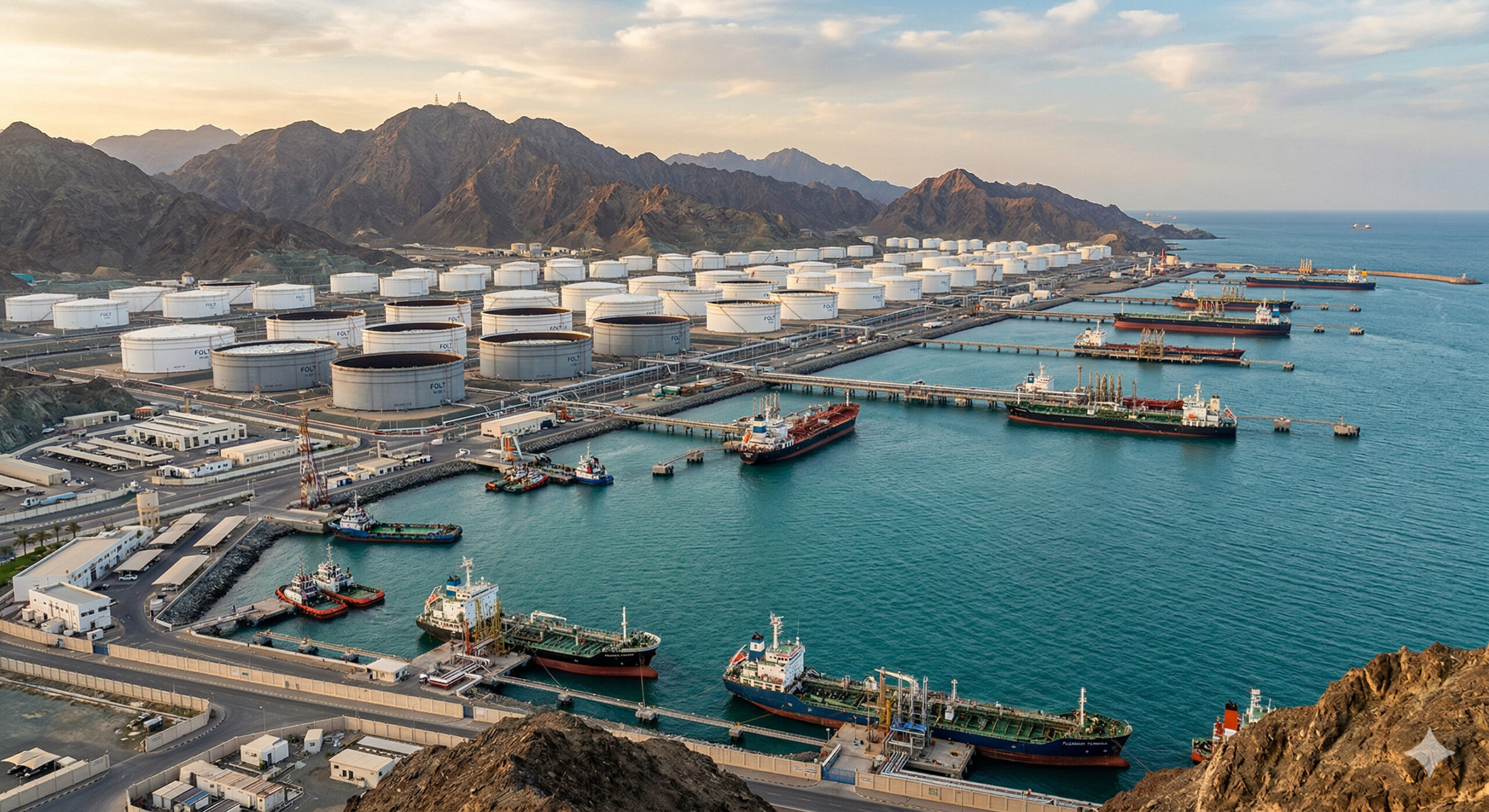
Giant reservoirs with a capacity of 18 million cubic meters have turned Fujairah into one of the largest energy vaults on the planet. This facility, located outside the Strait of Hormuz, stores oil on a colossal scale and has become a silent piece that supports the global flow of fuels.
-
The next exploration auction in the pre-salt will offer 23 blocks in the Campos and Santos basins and may change the interest of oil companies in Brazil.

-
The next exploration auction in the pre-salt will offer 23 blocks in the Campos and Santos basins and could change the interest of oil companies in Brazil.

About the Survey on the Use of Automation in Assets
The survey interviewed executives from over 50 companies in the oil and gas, metals and mining, and utilities sectors. Among the respondents, 59.6% are located in Rio de Janeiro, 28.8% in São Paulo, 5.7% in Rio Grande do Norte, 3.8% in Rio Grande do Sul, and 1.9% in Maranhão. More than 65% of the participants hold some managerial position (32.6% hold the position of manager, senior manager, or executive manager) or are on the board (30.7% are directors).
Regarding the segments of operation in the oil industry, the companies operate in oil and gas exploration and production (28.8%), oil and gas distribution (15.3%), oilfield services (15.3%), energy generation and utilities (9.6%), commercialization in the area of energy and utilities (9.6%), public utilities (7.6%), energy transmission and public utilities (5.7%), oil and gas refining (3.8%), mining (1.9%), metallurgy and metalworking (1.9%).
Also Check: Federal Government Auction for Oil and Gas Exploration off the Brazilian Coast Sells Only 5 of 92 Blocks
The Federal Government was unsuccessful in selling the rights to explore and produce one of the most promising offshore oil and gas blocks for auction on Thursday (07), as its first oil auction since the beginning of the pandemic brought in only R$ 37.1 million (approximately $ 6.7 million) for the state treasury.
In total, there were 92 blocks up for grabs in four offshore basins. The combined minimum bids for all oil and gas blocks were R$ 558 million, although only five blocks were auctioned, all in the Santos Basin, off the southeastern coast of Brazil. Shell won four oil and gas blocks for about R$ 30.5 million. It also sold a fifth block, known as SM-1709, in a joint bid of 70% -30% with the Colombian Ecopetrol for R$ 6.6 million.








Seja o primeiro a reagir!