






 Portuguese
  Spanish
  3 min of reading


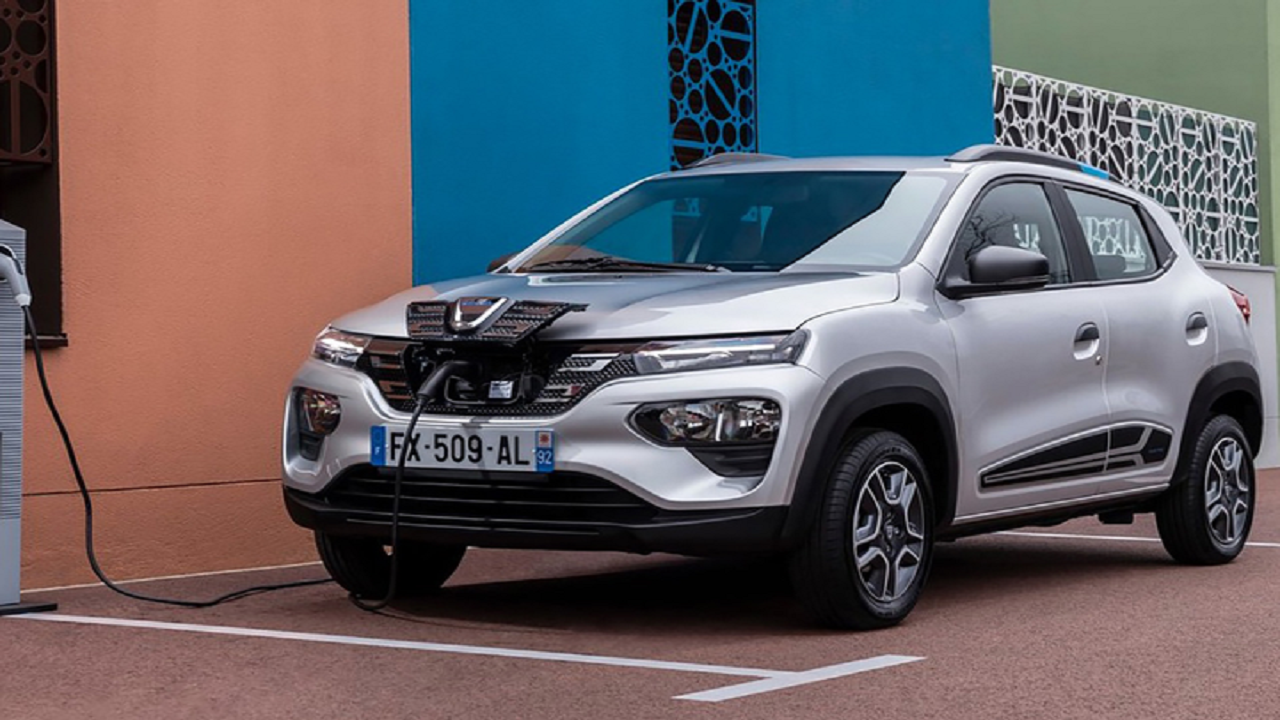
With The Intention Of Bringing The Renault Kwid Back To Stardom, The French Manufacturer Aims To Transform The Model Into An Electric Car To Outshine The JAC E-JS1 And Become The Cheapest Electric Car In The Country
In The Race For Electric Cars, Renault Plans To Launch An Electric Version Of The Renault Kwid, Making The Model Take The Place Of The JAC E-JS1. The Model Is Not Old In The Brazilian Market. It Arrived In The Country In 2016 And Aimed To Be An Entry-Level, Affordable, And Complete Model, But It Was Outdone By The Fiat Mobi, Its Main Competitor. When It Was Presented To The Public, The Renault Kwid Attracted Attention And Was Well Received, But It Has Been Forgotten Over Time.
Read Other Related News
Renault May Bring To Brazil A Cheaper Electric Car Than The JAC E-JS1
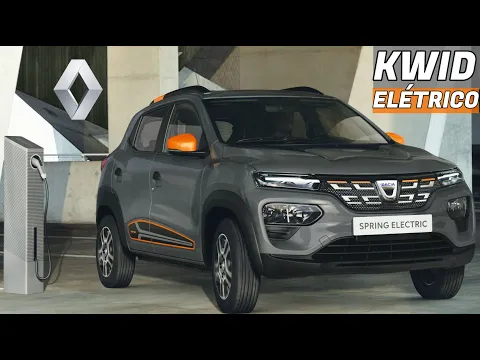

The French, Trying To Restore The Reputation Of The Renault Kwid In The National Market, Will Bring The Compact As An Electric Car Next Year. To Stand Alongside Another Electric Car From The Manufacturer, The Zoe, The Renault Kwid Comes In The Attempt To Displace The JAC E-JS1 From The Position Of The Cheapest Electric Vehicle On The Brazilian Market.
According To Reports, The New Electric Car From Renault May Come With A Price Of R$ 130 Thousand, Being Much Cheaper Than The JAC E-JS1, Which Is Priced At R$ 150 Thousand. The New Electric Car From Renault Will Be Inspired By The Dacia Spring, A Model Manufactured In The Chinese Market And Is The Cheapest Electric Car In Western Europe.
-
Nissan X-Trail e-Power debuts as a hybrid SUV that runs like an electric vehicle, uses a 1.5 turbo engine only as a generator, promises up to 1,039 km per tank, and arrives in the Philippines with 204 hp, a 482-liter trunk, and a competitive price.

-
Cheaper than Civic and Corolla, this Korean sedan offers a giant 520-liter trunk, 2.0 flex engine, and 6-speed automatic transmission; the Kia Cerato EX 2.0 2022 stands out as an ideal option for those who prioritize interior space and comfort.
-
An old Nissan Bluebird received the motor, inverter, and battery from the Leaf, became electric, and kept the body intact in a conversion done in the United Kingdom.

-
The car that most Brazilians buy today may cease to exist by 2030, and automakers already know that the 1.0 aspirated engine with manual transmission is numbered in the country.


New Renault Kwid May Have A Range Of 305 Km
No Official Information Has Yet Been Released About The New Renault Kwid. However, If It Receives More Than Just Inspiration From Its Cousin, It Is Possible That It Will Be Equipped With A 33 kW Motor, Which Means A Power Of 45 Horsepower And A Torque Of 12.6 Kgfm. There Is Also No Information About Possible Local Production, And It Is Quite Likely That The Model Will Be Imported From The Chinese Market, Just Like The European Dacia Spring.
Still Regarding Technical Information, If The New Electric Car Is Based On The Spring, It Will Have A Top Speed Of 125 Km/h, Which Is 15 Km/h More Compared To The JAC E-JS1.
In Eco Mode, The Renault Kwid Delivers A Maximum Speed Of 100 Km/h. The Model Can Reach 100 Km/h In Just 19 Seconds. As For Range, The Spring Has A 27.4 kWh Battery, Giving The Vehicle A Range Of 305 Km, Slightly More Than The 302 Km Offered By The JAC E-JS1.
Renault Kwid Electric Can Reach 80% Battery In Just 30 Minutes
The Charging Time For The French Model Is 30 Minutes For An 80% Range If A 30 kW Fast Charging Station Is Used. The Time Increases To 4 Hours If A Wallbox Is Used And Reaches 10 Hours On A 220V Household Outlet.
It Is Worth Noting That The Conventional Model Will Receive An Update Later This Year. Changes Will Be Made To Both The Visual And The Powertrain, Which Will Become More Powerful. Currently, The Model Has Up To 70 Horsepower, With A Torque Of 9.4 Kgfm. With The Upgrades, The Renault Kwid Will Have A Power Of Up To 82 Horsepower And A Torque Of Up To 10.7 Kgfm.




Be the first to react!