





 Portuguese
  English
  Spanish
  4 min of reading
  0 comments



Technical Inspections Ensure Safe Operation, Agile Planning, and Risk Mitigation, Contributing to Cost Reduction and Efficiency in Cargo Handling. *By Leandro Bieco, Civil Engineer and Specialist in Lifting Loads and Machinery at Acro Cabos*
Technical inspections are fundamental to ensure safe operation and efficient planning. Through these inspections, it is possible to identify potential risks, which directly contributes to problem mitigation and process optimization. With a meticulous and detailed approach, it is possible to achieve substantial reductions in operational costs and improve efficiency in the movement of business cargo.
Additionally, technical inspections provide crucial support to maintain workplace safety. One of the essential components of these inspections is safety inspections, which ensure that all standards and regulations are strictly followed. Conducting regular technical checks ensures that equipment is in good working order, preventing unexpected failures and increasing the lifespan of machinery. By Leandro Bieco, Civil Engineer and Specialist in Lifting Loads and Machinery at Acro Cabos.
Importance of Technical Inspections for Safety
For those working in sectors focused on lifting and moving cargo, it is clear that, despite safety being the top priority, this activity must also be efficient. Technical inspections play a crucial role not only in ensuring a safe operation, but also in enabling the planning of movement in an agile, safe, economical, and intelligent manner.
-
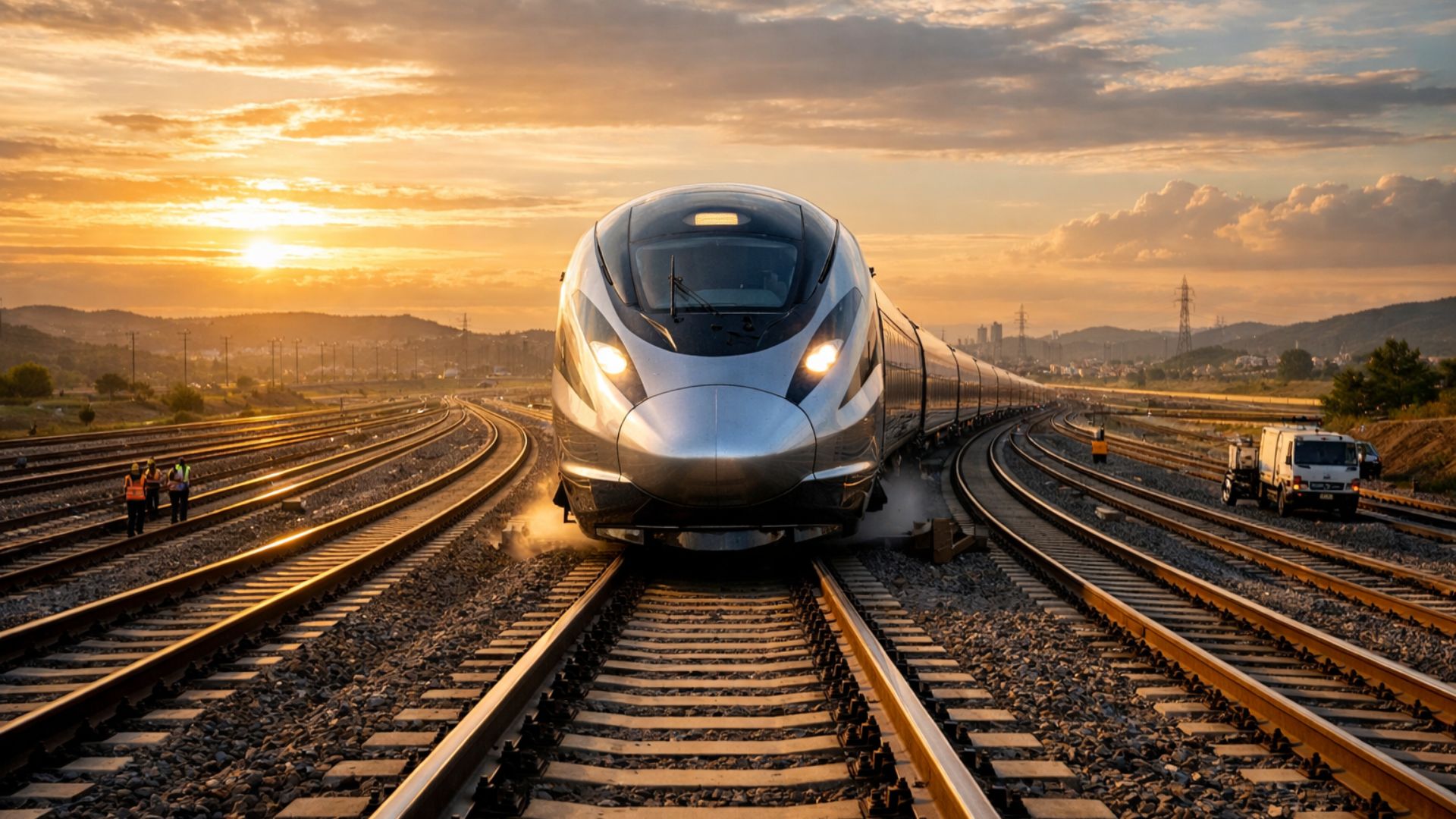
São Paulo surprises the world with a colossal railway network project that promises over 1,000 km of tracks, R$ 194 billion in investments, and 40 projects connecting the capital to the interior with fast and sustainable trains.
-
Oncorp wins auction and enables biodiesel and gas thermal plants in Brazil, with strategic projects in Suape and Xavantes Aruanã.

-
The world’s largest escalator, measuring 905 meters in China, reduces urban travel time from 1 hour to about 20 minutes and transforms mobility in mountainous regions with an engineering solution adapted to the terrain.

-
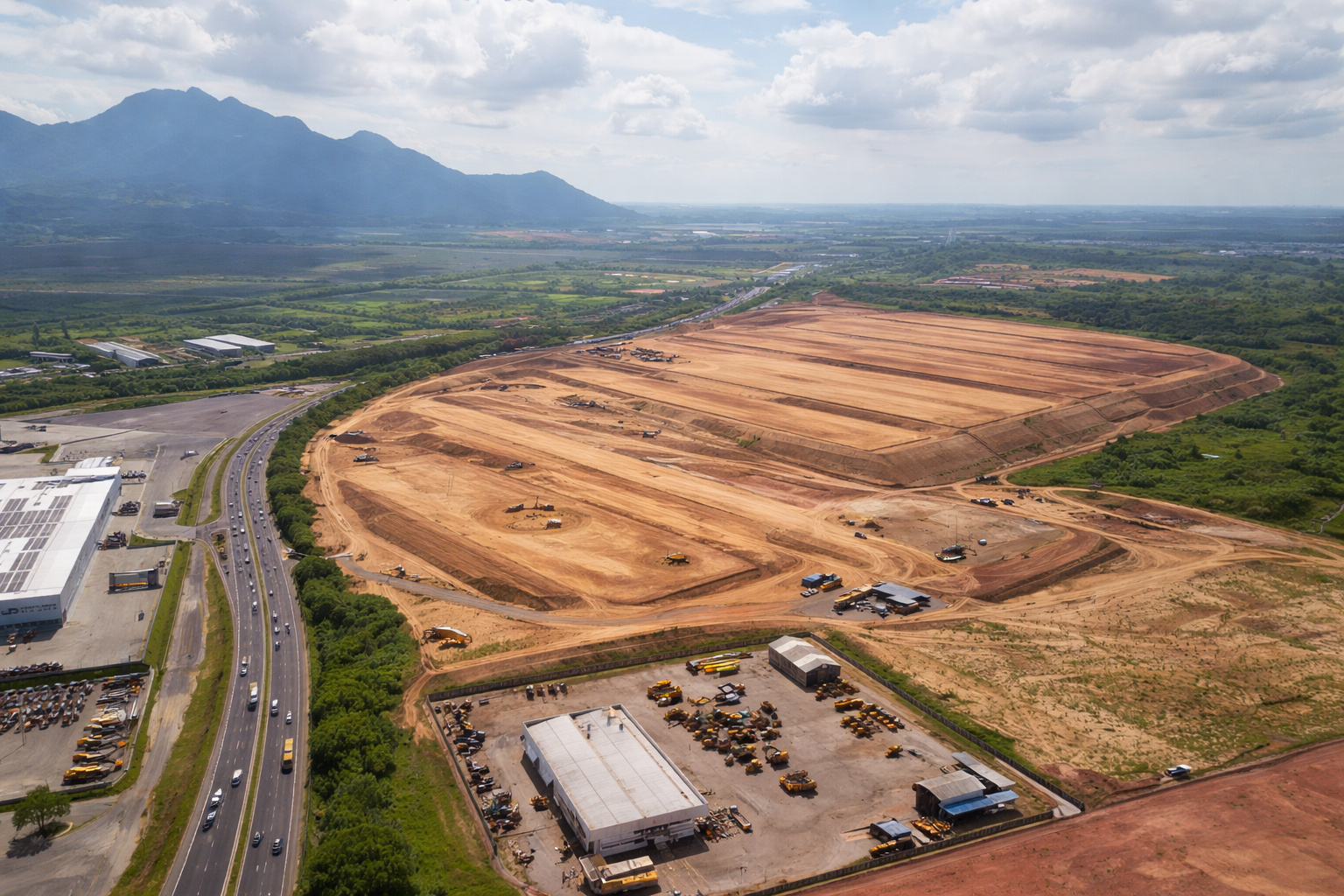
A R$ 300 million logistics giant is taking shape in Serra with over 100,000 m² and raises a question: how can this transform e-commerce and distribution in the state?

Technical inspections that offer this level of quality require the guidance of specialists who can act consultatively in various dimensions of lifting and moving cargo, in different scenarios, whether internal or external. This work should review the integrity and preservation of specific equipment, as well as promote process improvements to make them more efficient. Safety inspections are essential to ensure that the entire system operates without failures, reducing risks and increasing efficiency.
Fundamental Aspects of Technical Inspections
This approach can influence multiple aspects of a technical inspection, including detailed technical analyses on the planning of movement, selection of the most suitable equipment, accurate calculations for load sizing, and specific actions for risk mitigation. In addition, training technicians and developing a safety culture, adherence to standards, and operational efficiency are fundamental. The result of this effort is a series of benefits in various areas.
The increase in safety is undoubtedly the most significant, but cost reduction can also be achieved through the use of correctly sized equipment. Improvements in the planning of scheduled maintenance, timely replacements for material utilization, maximizing the equipment’s lifespan, and mitigating damage to cargo are just a few examples. Robust technical analyses allow for the identification of critical points and promote continuous improvements in operations.
The Safety Culture in the Brazilian Market
We are talking about an ideal scenario, but the Brazilian market faces challenges, with the lack of a consolidated safety culture being the most significant. Even when addressing cost reduction, all improvements in cargo handling processes must start from the perspective of safety. It is at this point that there is much to be improved.
Managers and professionals dealing with lifting and moving need to understand that safety translates into savings and can only be implemented by strictly following regulations, adopting best practices, and turning to specialists for the improvement of daily techniques. It is essential to adopt a frequent schedule of technical training, regular inspections, and qualifications, in addition to using high-quality materials that are transparent in traceability and compliant with compliance criteria.
Contribution of Technical Inspections to Safety and Efficiency
The realm of lifting and moving cargo is vast, complex, and diverse. Beyond safety as a primary factor, there is a science of precision in the application of techniques in each activity, viewed as a factor of intelligence. Technical inspections contribute to this by bringing an external view from specialists who can point out areas for improvement, efficiency gains, and cost optimization, as well as fostering the consolidation of a safety culture and beneficial training for the entire sector. Periodic technical checks are essential to keep the entire system operating within the highest safety and efficiency standards.
About Acro Cabos
Specializing in solutions for lifting, tying, and moving cargo, Acro Cabos has over 25 years of experience in the market. The company is recognized for the excellence of its products and services, which meet the strictest market demands with certifications that attest to its commitment to safety and quality. Learn more: https://www.acrocabo.com.br/
Source: Imprensa ACRO CABOS








Seja o primeiro a reagir!