Portuguese
  Spanish




Study Reveals Climate Challenges in Port Operations
Porto Sudeste, in a pioneering initiative, hired Waycarbon to conduct a Climate Risk Study. The goal is to identify the main challenges that climate change may impose on port operations. The results obtained will be shared with the Itaguaí city hall, assisting in strategic decisions to preserve the community and public assets.
This mapping puts Porto Sudeste ahead in terms of environmental responsibility, anticipating a request from the National Waterway Transportation Agency (ANTAQ), which encourages similar studies in other port terminals across the country. Since 2015, Porto Sudeste has been conducting greenhouse gas (GHG) emissions inventories and, with the completion of this study, will intensify measures to mitigate environmental impacts.
Risks and Climate Impacts in Port Reality
Ulisses Oliveira, director of corporate affairs and sustainability at Porto Sudeste, emphasizes the urgency of recognizing that climate risks and impacts are not future phenomena, but a current reality. He highlights the heavy rains in Brazil, exemplifying with those affecting Minas Gerais at the beginning of last year, causing interruptions in railway operations and increasing the berthing time of ships, which in turn raises the terminal’s carbon emissions.
-
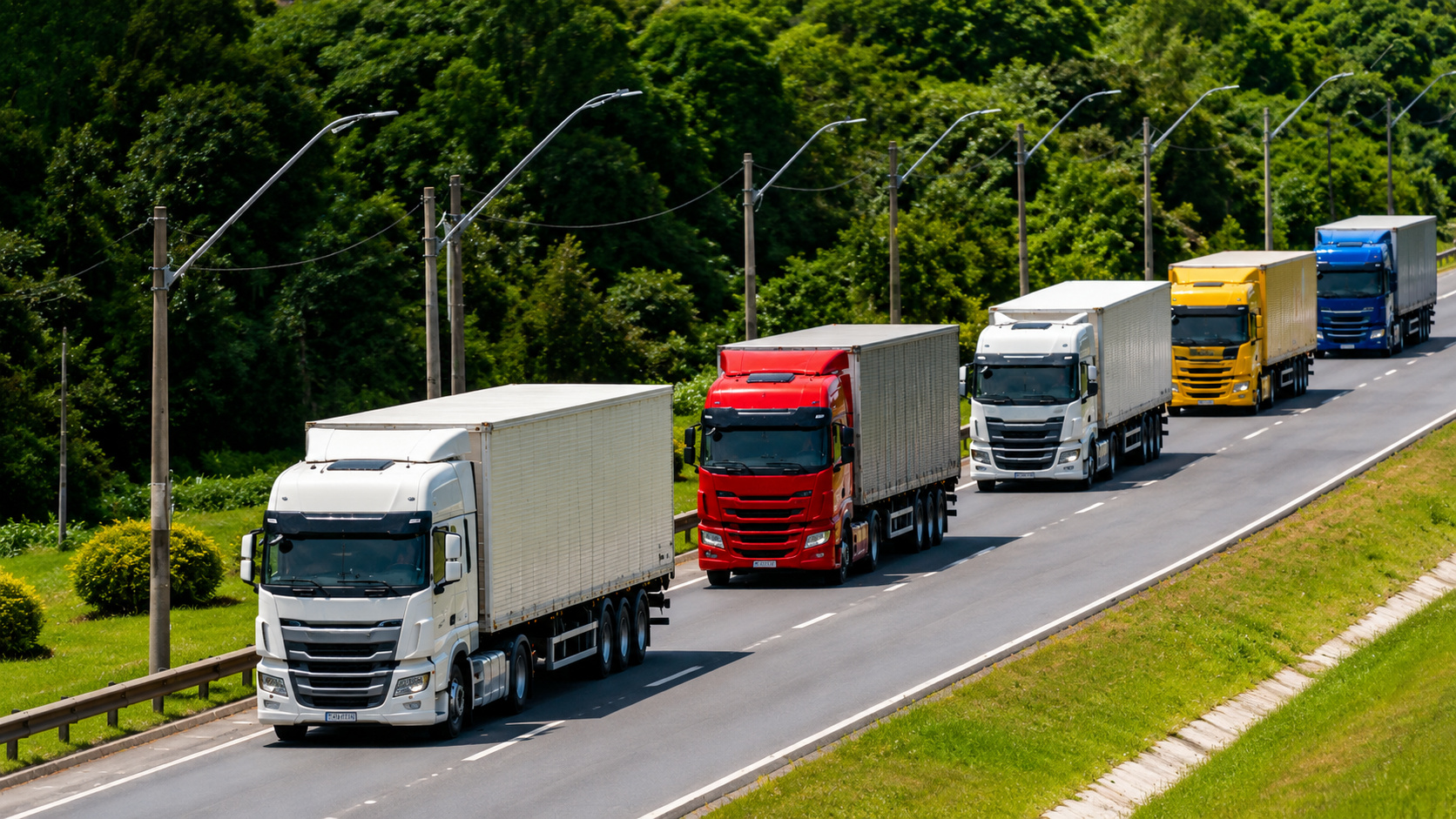
Why can the crane operator only obey the correct signalman on the construction site: among dozens of workers, a hand raised by the wrong person can confuse the maneuver and turn a load of tons into an immediate risk.

-
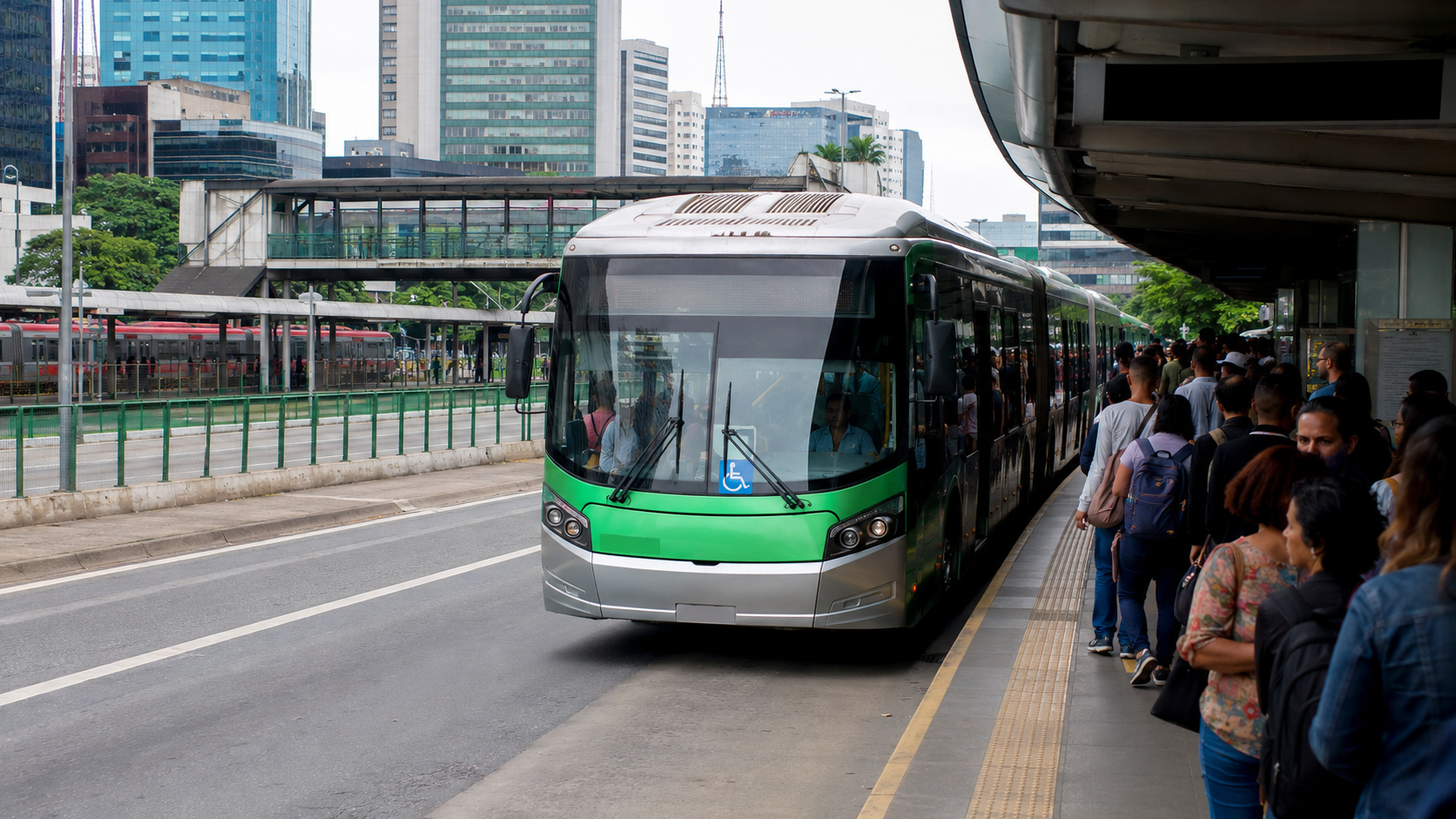
What changes with the new public transportation rules that can reduce pressure on fares and pave the way for zero fare in Brazil?
-
Three Chinese companies manufacture more than 96% of the world’s dry cargo containers and 100% of refrigerated ones, in a dominance built over 40 years that has made it almost impossible for the West to compete in this market.

-
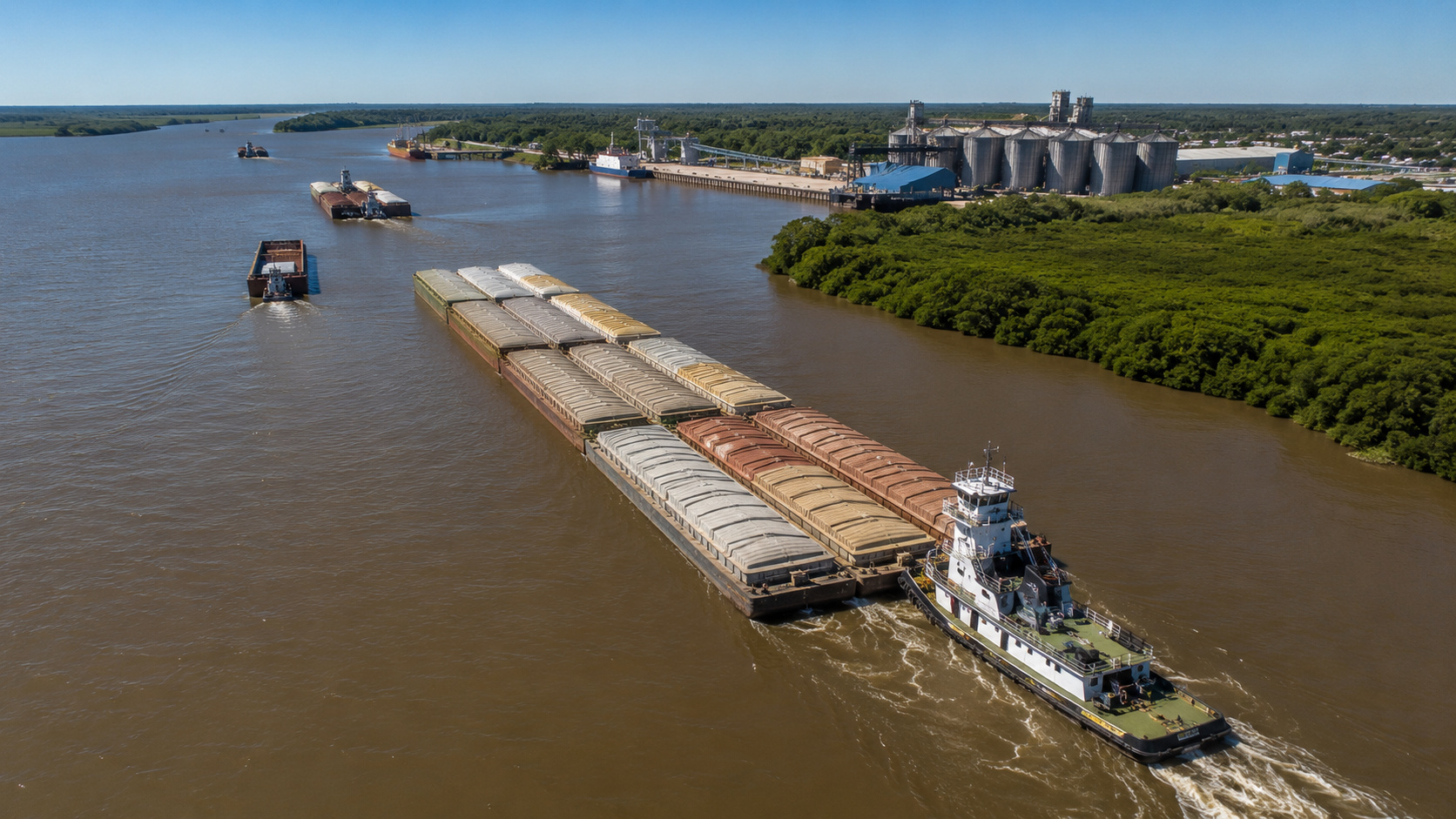
Argentina confirms Belgian giant to lead strategic Paraná River waterway and promises to reduce logistical costs on one of South America’s most important routes


Initiatives of Porto Sudeste to Reduce Environmental Impacts
With the Climate Risk Study in hand, Porto Sudeste is already outlining effective strategies to minimize environmental impacts, including a partnership with the municipality of Itaguaí. The company has adopted significant measures to reduce emissions from scopes 1 and 2, related to operational activities and energy consumption.
Among the implemented actions, the investment in renewable energy purchase certificates (I-Recs) and the replacement of gas lighting and refrigerant gases in equipment with more sustainable alternatives stand out. The terminal has also replaced diesel equipment with electric ones in loading, unloading, stacking, and reclaiming iron ore operations. Additionally, water reuse initiatives and effluent treatment have been adopted, with about 90% of the water used in operations coming from rain, treated and reused by the Rainwater Treatment and Reuse Stations (ETRAP’s).
Ulisses Oliveira emphasizes the importance of being attentive and committed to the environment. “Our intention is for Porto Sudeste to be an example for the port sector and a source of pride for our employees and the community,” he concludes.
This study conducted by Porto Sudeste, in collaboration with Waycarbon, represents a significant step towards a more conscious and responsible port operation, aligned with the urgency of addressing and mitigating the challenges posed by climate change.
Source: Rita Sousa – Communication Consultant.