





 Portuguese
  English
  Spanish
  3 min of reading
  0 comments


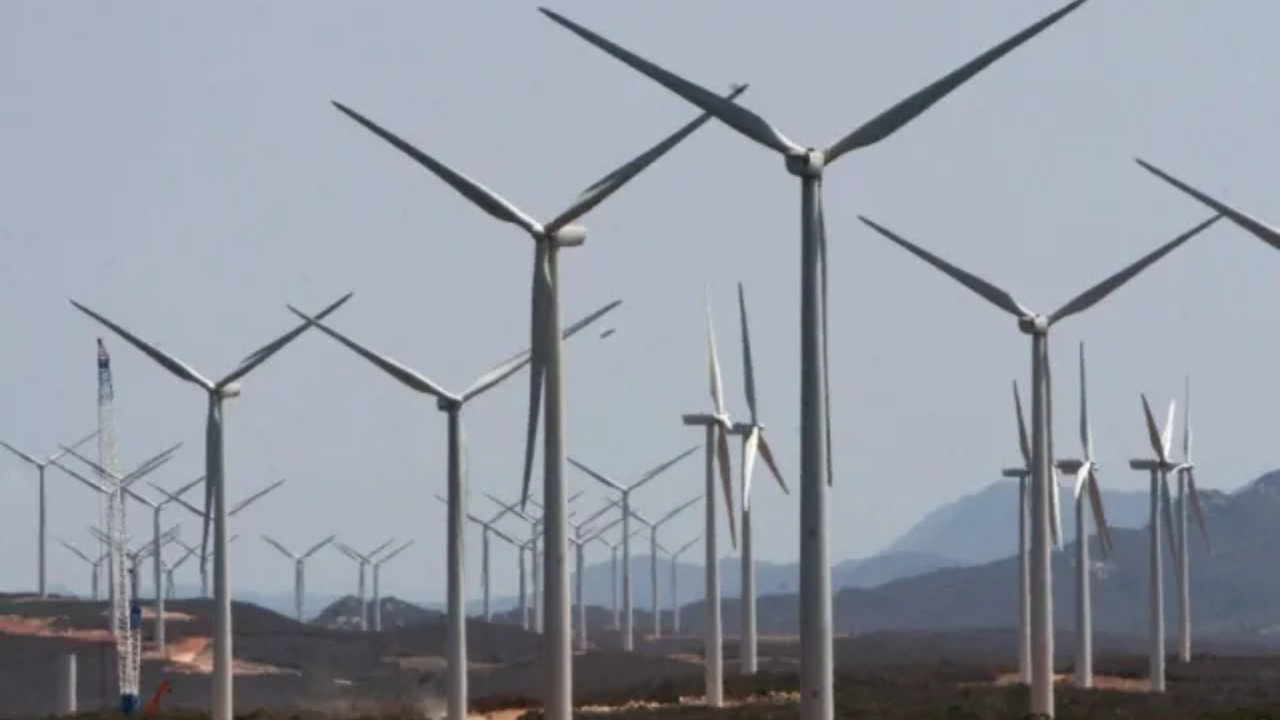
With Less Wind Energy and High Consumption Due to Heat, ONS Predicts Surge in Electricity Costs. Understand How This Can Weigh on Your Pocket.
The combination of high temperatures and a drop in wind energy has put the Brazilian electrical system on alert.
According to the National Electric System Operator (ONS), the cost to produce energy is expected to reach one of the highest levels of the year this Wednesday (4), precisely during the time when most people are at home using fans, air conditioning, and appliances.
Moreover, the impact of this change is directly felt in the market. When there is a lack of wind and an abundance of heat, the system needs to resort to more expensive sources, which puts pressure on energy prices.
-
Giant of the winds in Rio Grande do Norte: Serra do Tigre Wind Complex receives new investments and accelerates the expansion of clean energy generation to supply millions of Brazilian homes.
-
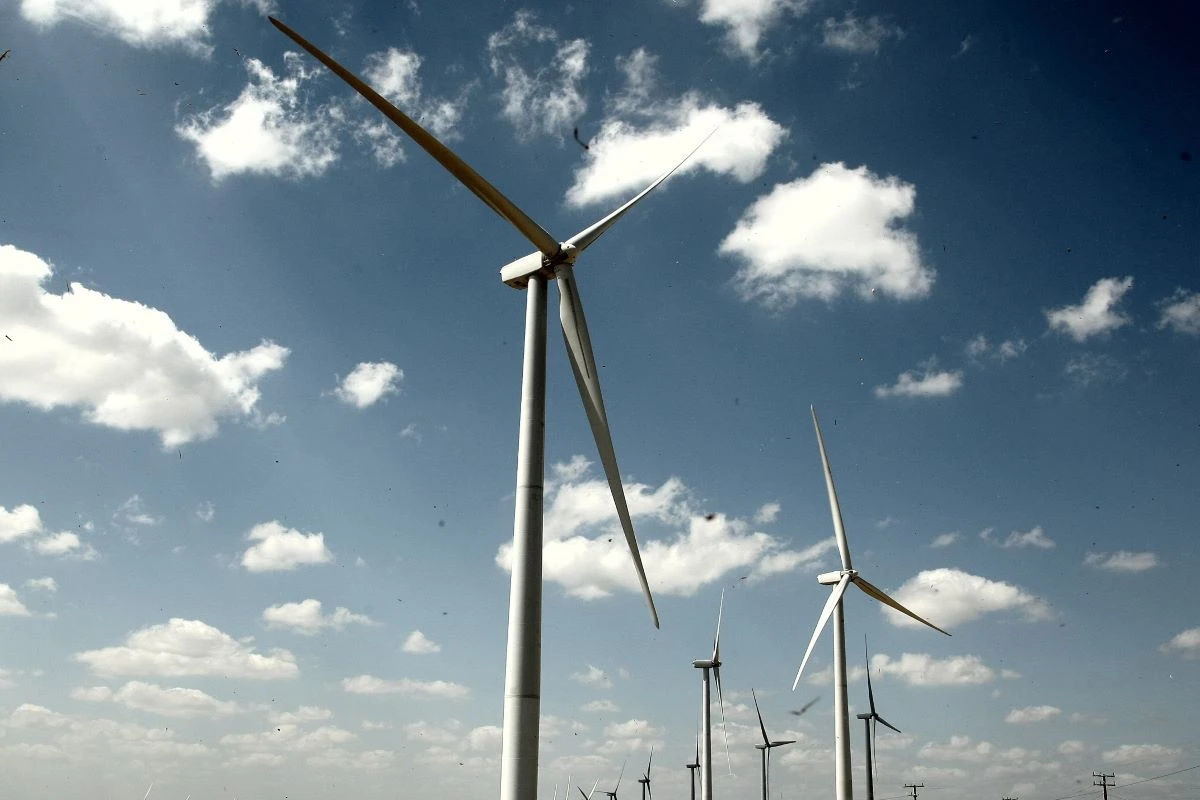
Urgent energy transition: Greenpeace advocates for massive investments and points to Brazil as a global leader in wind energy production in the coming years.
-
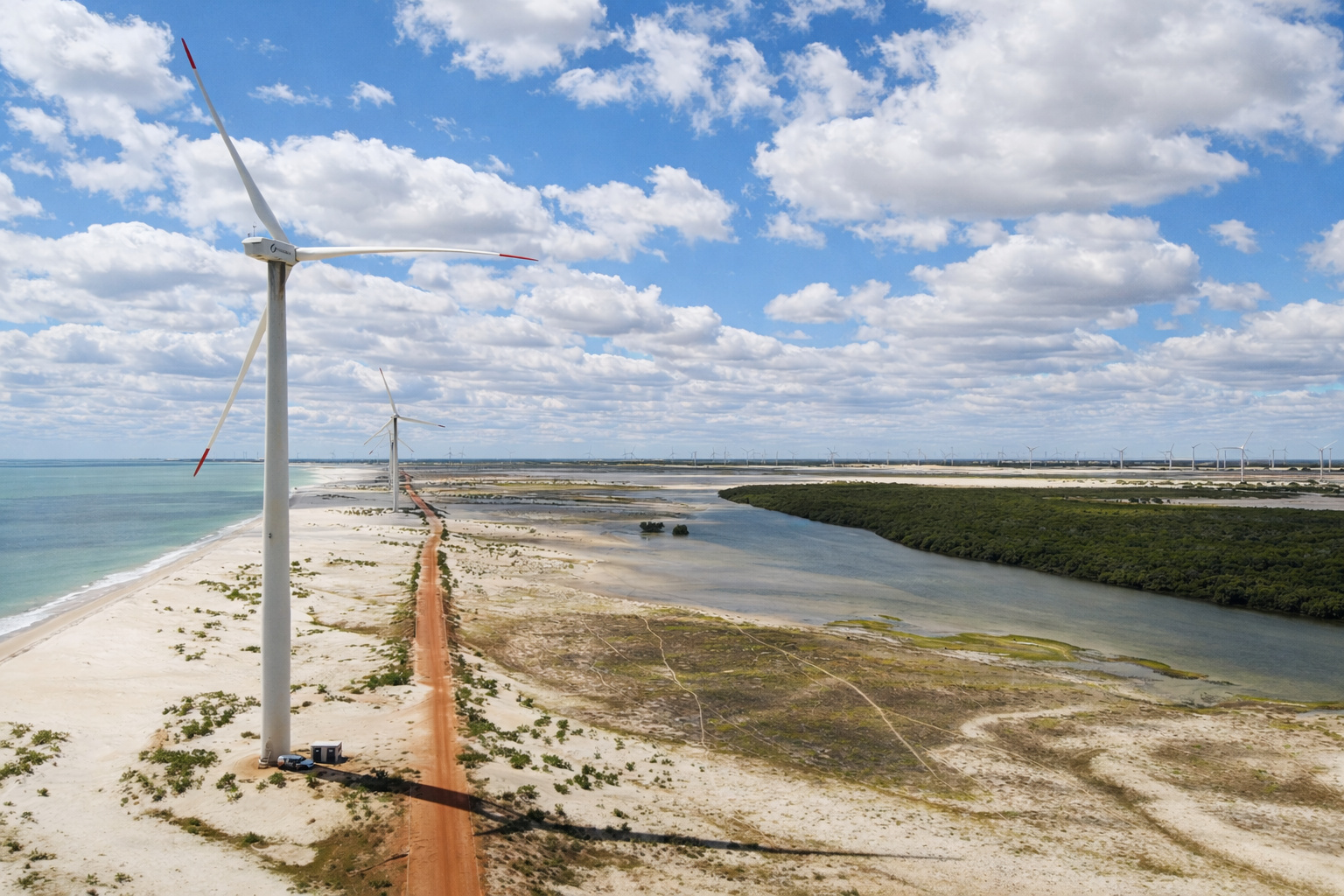
Conflict in the Sertão: Rural communities in Rio Grande do Norte report issues with wind farms and the new challenges of clean energy in the semi-arid region.
-
231 turbines of 260 meters at 160 km from the coast, monopiles weighing as much as nine blue whales embedded in the North Sea, and a crane ship taller than the Eiffel Tower: Hornsea 3 will be the largest offshore wind farm on the planet by 2027, and its first components have already arrived in England.
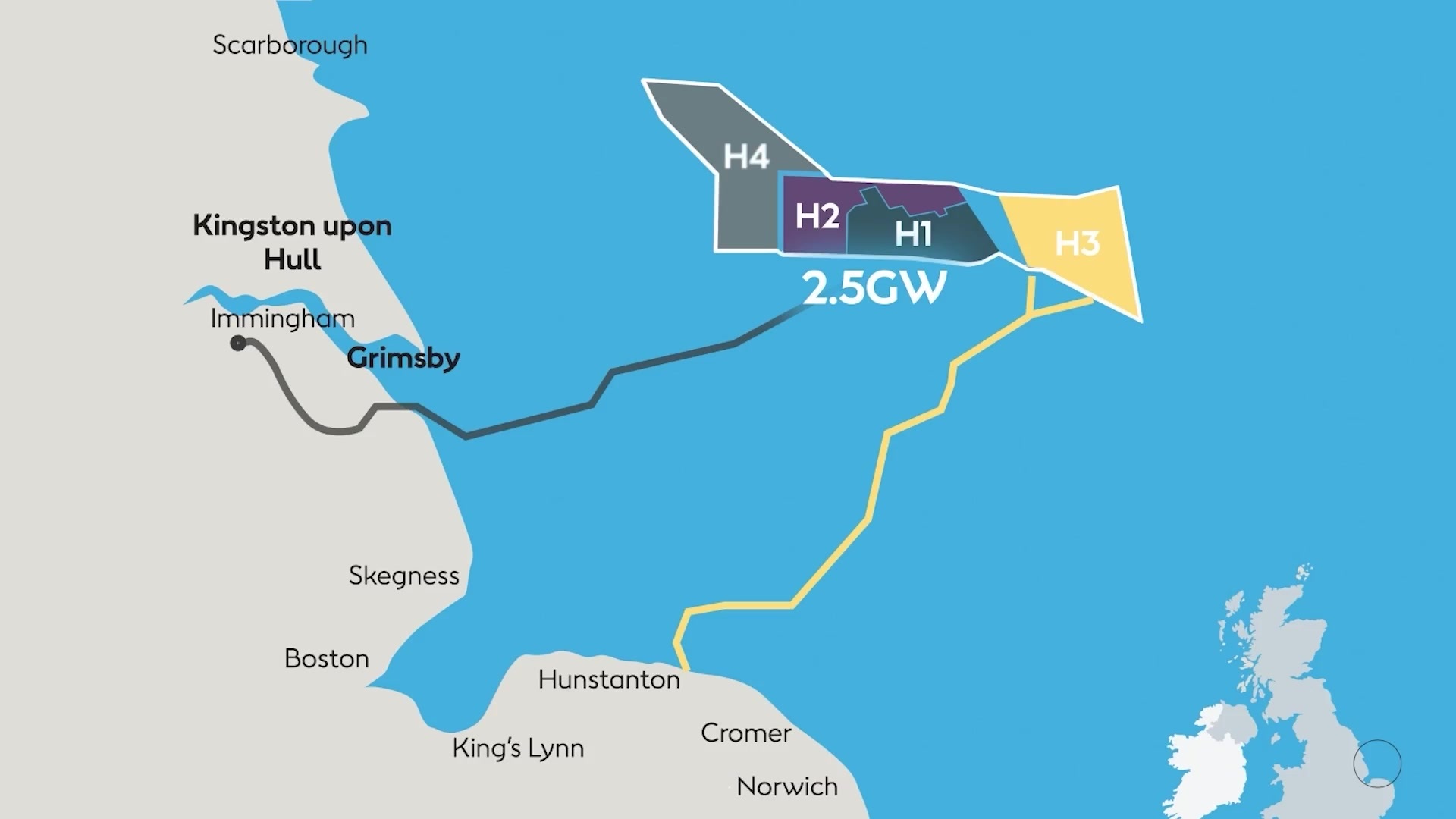

Energy Costs Rise When Wind Energy Falls
According to ONS’s Daily Programming, the CMO, which indicates the cost of producing electricity, is expected to rise across all submarkets in the country.
The peak is expected between 9 PM and 9:30 PM, when the price could reach around R$ 4,870 per megawatt-hour (MWh).
This surge occurs because consumption increases precisely at the time when wind energy production decreases.
ONS estimates that the total load on the system will increase by around 1.3 GW compared to the previous day, while generation from wind farms is expected to drop by about 2.9 GW.
In other words, the country ends up spending more on energy at the same time it receives less electricity from the wind.
Strong Heat and Less Wind Form an Explosive Combination
ONS explained that the increased consumption is linked to an atmospheric blockage that prevents cold fronts from reaching the South of Brazil. As a result, temperatures rise, and the use of cooling equipment skyrockets.


At the same time, the winds in the Northeast — the country’s main wind energy hub — are weaker. This is due to a low-pressure system that weakens the trade winds, which are crucial for driving the wind turbines.
This imbalance makes the system more expensive and more fragile.
To compensate for the drop in wind energy, ONS predicts that the system will have to maximize generation from hydroelectric plants and activate more thermal power plants.
According to the operator, this reinforcement could reach 4.2 GW during the critical nighttime period. However, these sources are more expensive than wind and solar, which explains the sharp rise in operating costs.
In practice, this means that Brazil does have energy, but it needs to produce it in the most expensive way possible.
Risk Increases When Everyone Turns Everything On
ONS highlighted that the greatest pressure occurs at the end of the day when demand reaches its highest levels. It is exactly when millions of Brazilians arrive home, turn on lights, appliances, and cooling devices.
Without enough wind to power wind energy, the system must resort to more expensive alternatives, driving costs up.








Seja o primeiro a reagir!