





 Portuguese
  English
  Spanish
  3 min of reading
  0 comments


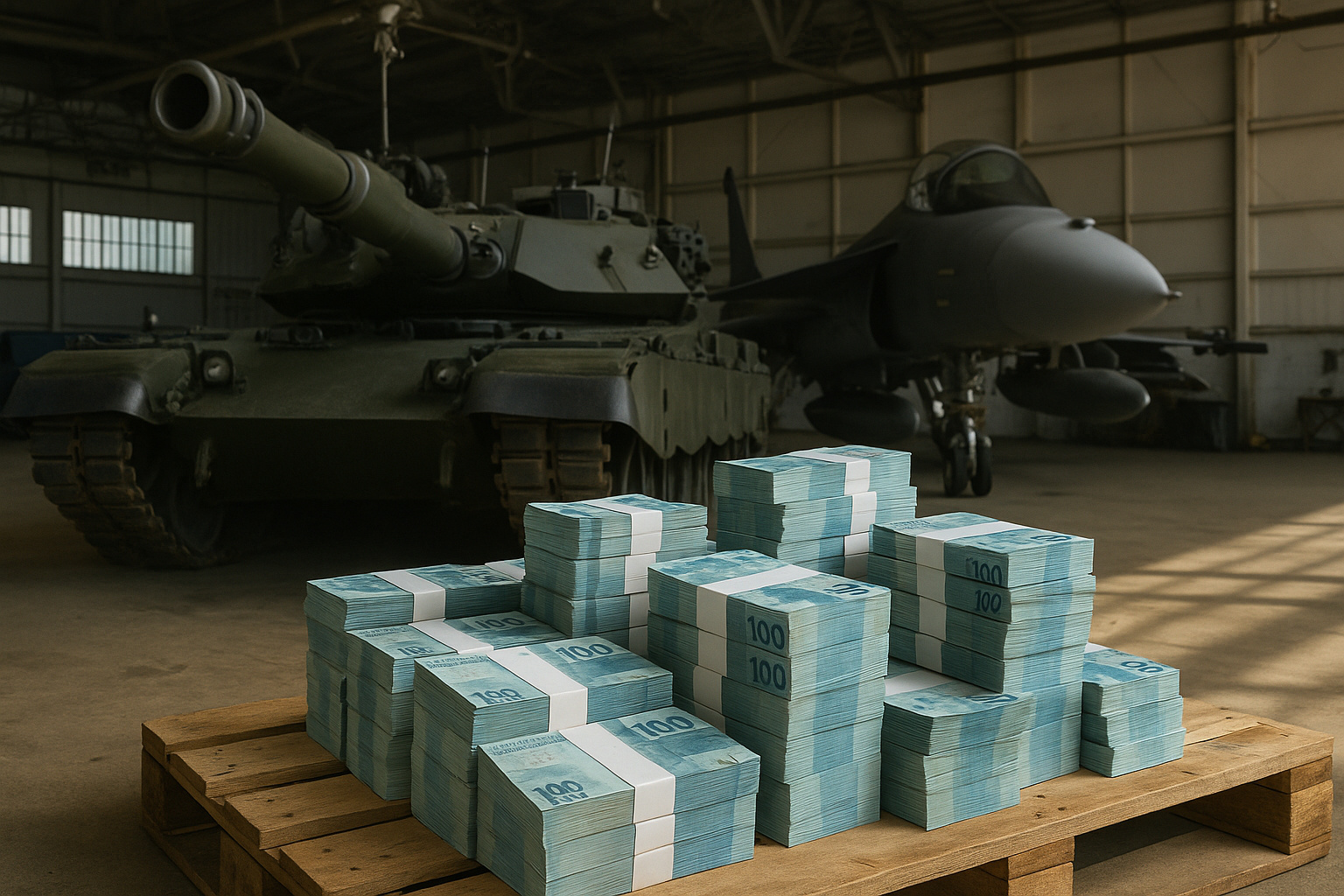
Government and Opposition Unite to Strengthen Military Budget and Reduce Vulnerabilities Amid Rising Geopolitical Tensions.
A rare decision united pro-government and opposition senators with a common goal: to secure more resources for National Defense. On October 22, 2025, the Senate approved a complementary bill that allocates R$ 30 billion to the military sector over the next six years.
The amount will be outside the fiscal targets and cannot be blocked, providing greater budgetary predictability for the Armed Forces.
According to sources from the Federal Senate and analysis by William Waack, the decision represents a symbolic step, but essential to strengthen Brazil’s strategic capacity in an increasingly unstable world.
-
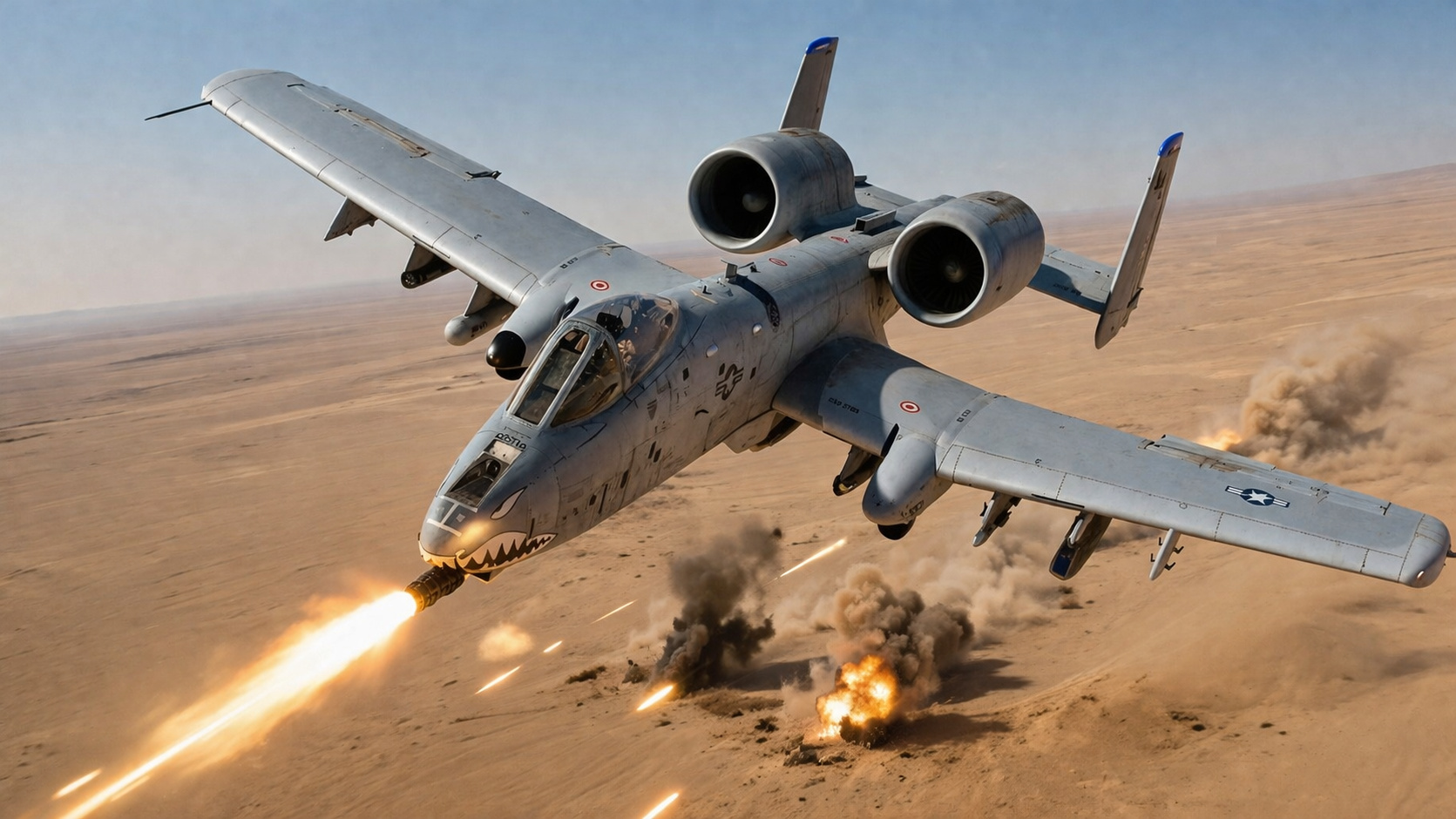
Few people know, but “mega burst” attacks from the A-10 in the Middle East are intriguing analysts and even experienced former pilots of the U.S. Air Force.
-
Manufactured in Brazil and exported to Saudi Arabia and Malaysia, the ASTROS system is renamed as Fogos in 2026, gaining AI, cruise missiles with a range of 300 km, and air defense costing R$ 3.4 billion, transforming a launcher from the 1980s into the most ambitious multidomain platform in Latin America.
-
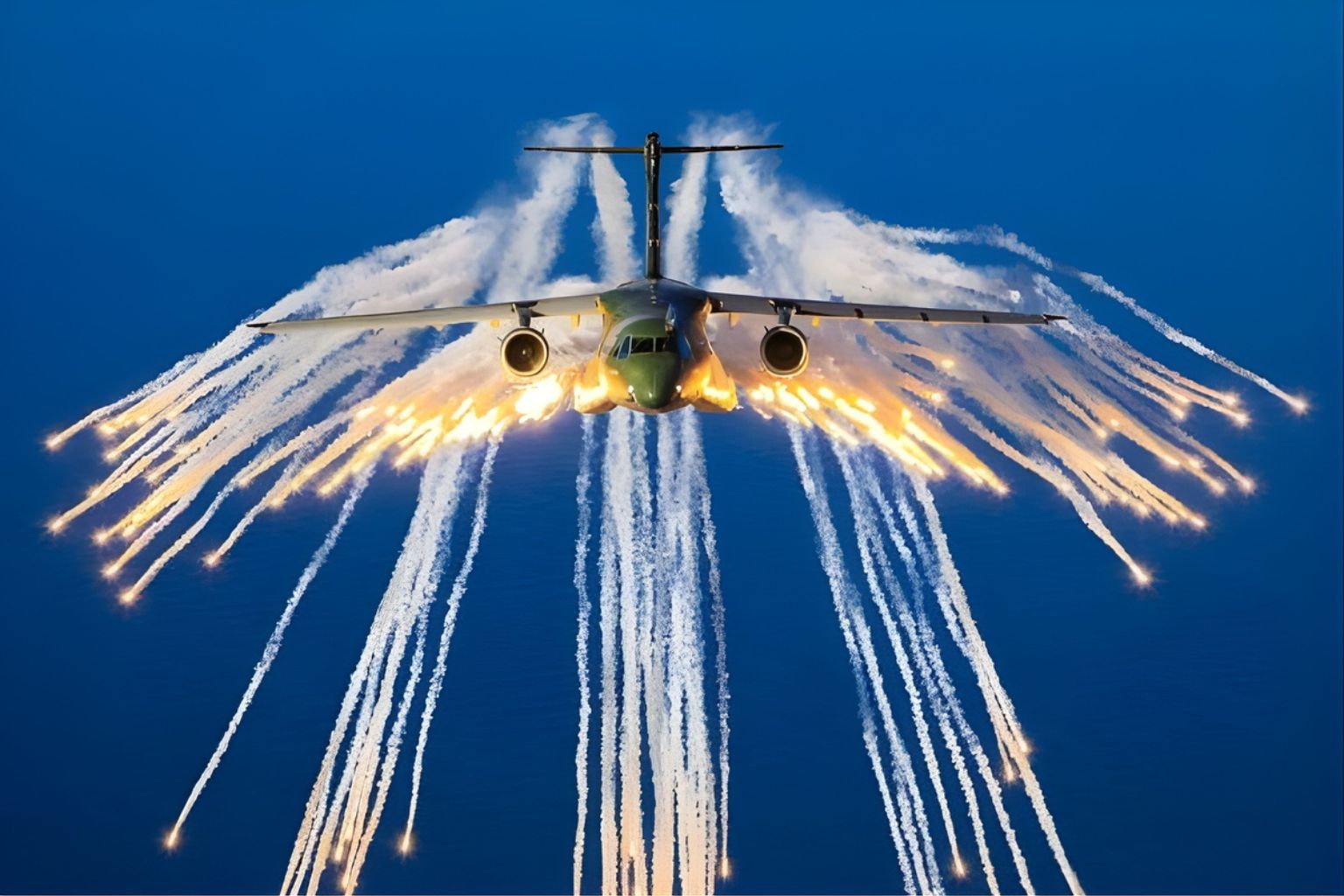
The largest military aircraft ever produced in Brazil, the KC-390 Millennium can carry up to 26 tons, refuel fighter jets in flight, and has already been exported to Europe and Asia, placing the country in the select group that designs and sells large military aircraft worldwide.
-
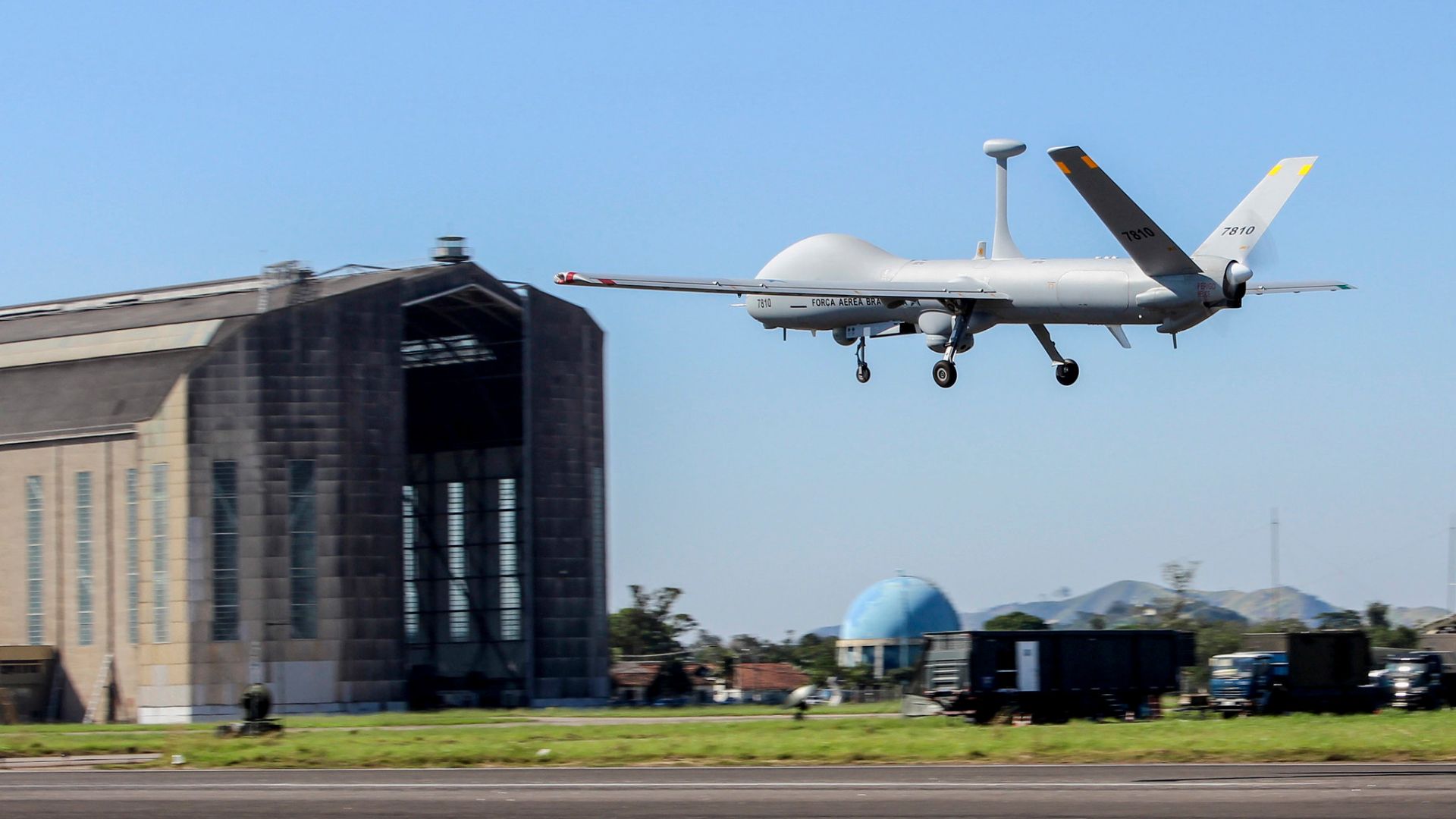
FAB loses Hermes 900 drone during multinational exercise in Mato Grosso do Sul and is left with only one active aircraft, raising concerns about operational fragility and strategic response capability.

An Uncommon Agreement in Congress
The consensus among rival parties drew attention. Normally, budgetary issues divide the chamber. However, the instability of the international order and growing geopolitical risks brought previously opposing voices closer together.
Thus, the government and opposition acknowledged the need to strengthen the national defense system, weakened by years of irregular investments.
Additionally, the bill creates unprecedented financial stability for the sector. The resources cannot be contingent, ensuring long-term planning for the modernization of the Armed Forces and military technology.
Why The Issue Returned to National Agenda
In recent years, international crises — such as the conflicts in Ukraine and the Middle East — reignited the debate on military autonomy and border security.
According to the Brazilian Institute of Defense and Strategy (IBDE), Brazil was slow to understand the weight of modern geopolitics and the consequences of lack of strategic preparation. This delay made the country more vulnerable in the face of an unpredictable and dangerous global scenario.
The new bill is, therefore, a response to the country’s “late awakening”, which, as highlighted by William Waack, “seems to have suddenly woken up and found that the nightmare has just begun”.
Moreover, the measure reflects a political consensus on the importance of protecting national sovereignty and reacting to new global threats, especially cyber threats.
Fiscal Impact and Strategic Symbolism
The amount of R$ 30 billion is modest, but significant for the Defense sector. According to Senate Consultancy technicians, the decision to exclude the resources from fiscal calculations ensures continuity in investments and protects the sector from future cuts.
Thus, the military budget takes on strategic character, allowing for the full execution of modernization, research, and innovation projects.
However, success will depend on the efficient management of resources. Cooperation between government, domestic industry, and research centers, along with transparency in resource allocation, will be essential.
A Country in Search of a Lasting Strategy
Historically, Brazil has treated the issue of Defense as something distant from civil life. The country viewed itself as protected by its geography and peaceful diplomacy, but this perception has changed. The Strategic Studies Center of the University of Brasília (CEEST/UnB) points out that the absence of solid policies has reduced Brazil’s capacity for reaction and international influence.
Therefore, the new proposal marks a turning point. It may initiate a deeper debate on strategic planning and sovereignty.
Furthermore, the measure should drive logistical restructuring, strengthen cyber defense, and advance the domestic arms industry.
What Changes Going Forward
As of 2026, the R$ 30 billion will be released gradually and monitored.
The resources will prioritize strategic projects, such as aircraft modernization, naval construction, and surveillance satellites.
The Ministry of Defense assured that allocation will follow transparency standards, with continuous auditing by the Federal Court of Accounts (TCU).
With this, Brazil seeks to regain lost ground and reaffirm its presence in international security forums.
However, the major challenge will be to transform this symbolic step into a solid and permanent State policy.
What do you think: Has Brazil finally woken up to the importance of National Defense, or is it still rehearsing the first steps of a long-term strategy?










Seja o primeiro a reagir!