





 English
  Francês
  Alemão
  Italiano
  Japonês
  Norueguês
  Portuguese
  Spanish
  2 min of reading


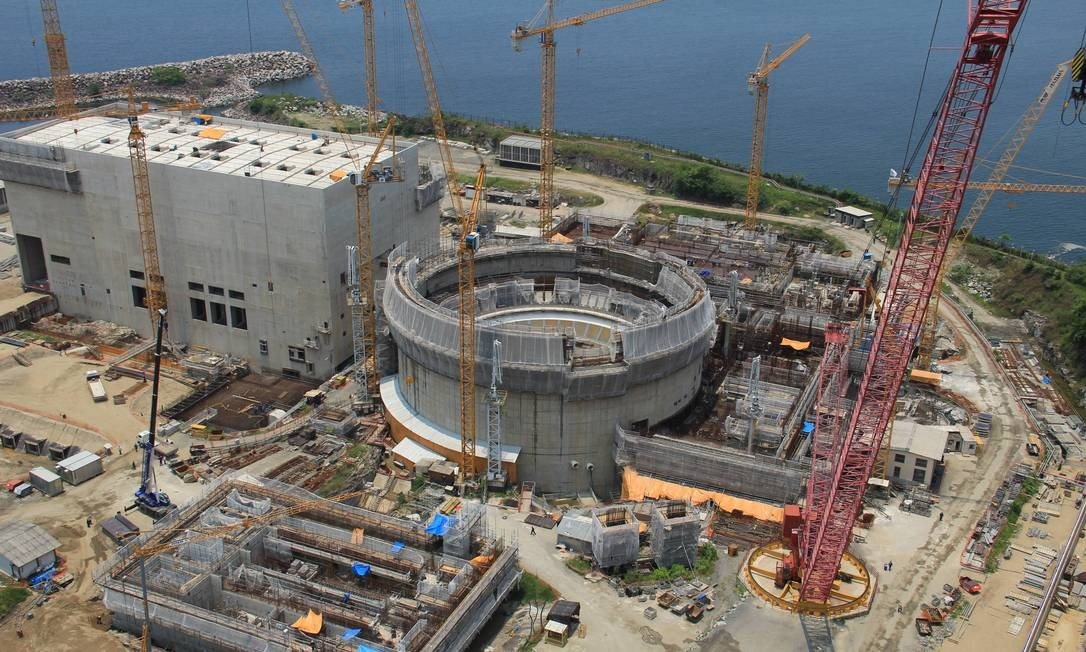
Government Expects That, With the Construction of Angra 3 Plant, the Average Energy Tariff Will Decrease Positively Impacting the Entire SIN and Will Not Have to Bear R$ 10 Billion in Costs
During a meeting at the Commercial Association of Rio de Janeiro, the Minister of Mines and Energy, Bento Albuquerque, stated that if the Angra 3 Nuclear Plant is not completed, the costs will exceed R$ 10 billion to the public coffers.
The costs would be totaled, mainly, if three reasons are taken into account: the financing involved in the construction of the project, the termination of about 50 signed contracts, and the environmental recovery of the areas affected by the construction.
At the event, the Minister also announced the MME schedule for resuming the works. In July, the partnership model for the completion of the Plant will be disclosed, the notice should be released by the end of the year, and the signing with the private partner will take place in the second half of 2020.
-
Government unlocks R$ 554 million for a highway that has been requested for decades and accelerates the duplication of BR.

-
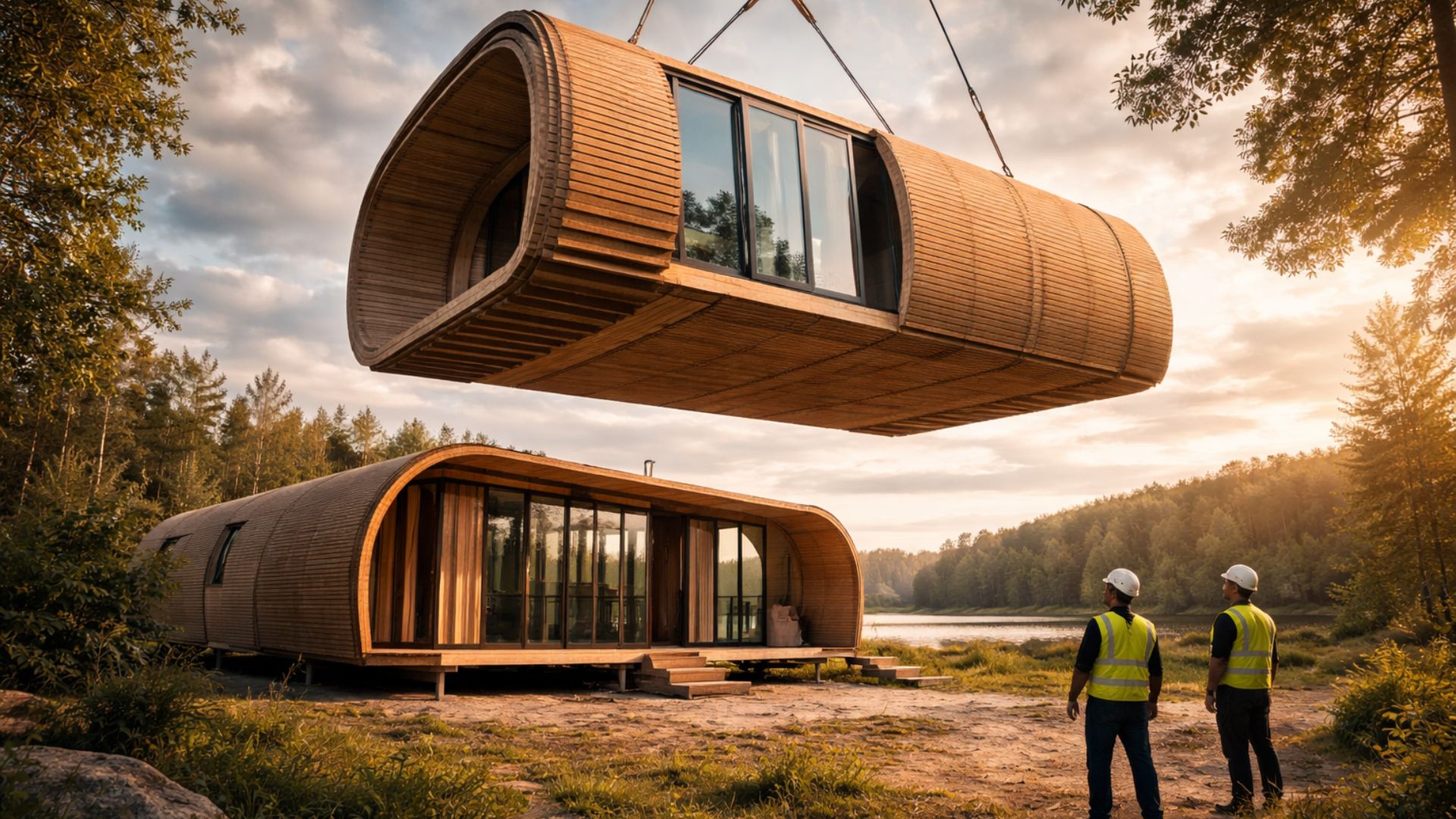
Without bricks, without cement, and without endless construction: the cardboard house that is assembled in modules and can be moved.
-
Billions of barrels on the equatorial margin could lead Amapá to double its oil production in Brazil — the state aims to enter the route of companies in the Campos Basin, attract investments, and boost jobs and businesses in the oil and gas sector.

-
Without bricks, without cement, and without endless construction: the cardboard house that is assembled in modules and can be moved.

Regarding the operational part of the Angra 3 plant, construction will occur until 2025, as the MME’s plan is to conduct the first energy production tests in the second half of 2025 and start commercial operations a year later.
Minister Bento Albuquerque is a defender of the Brazilian nuclear program and considers the construction of Angra 3 essential, aiming to reduce the average tariff.
Angra 3 will be responsible for the equivalent of 70% of electricity consumption in the state of Rio. Today, the Angra 1 and Angra 2 plants produce 40% of the state’s demand.
New Brazilian Nuclear Program
Another important piece of information revealed by the minister is that, according to the PNE 2030 (National Energy Plan), Brazil will need to increase the supply of nuclear energy by 4,000 megawatts (MW) in the next 11 years, equivalent to the construction of 4 new nuclear plants.
For the “upgrade” of the Brazilian nuclear program there are studies for building nuclear plants in the Northeast.
The MME’s thinking is that by defining the partnership model for Angra 3, it will be used in future sector projects.
According to the minister, the number of plants projected in the PNE 2030 may even increase, as long as a secure planning is made for this, and he confirmed that on December 10, the EPE (Energy Research Company) will disclose the study on this subject to be approved by the MME.








Seja o primeiro a reagir!