





 Portuguese
  English
  Spanish
  4 min of reading
  0 comments


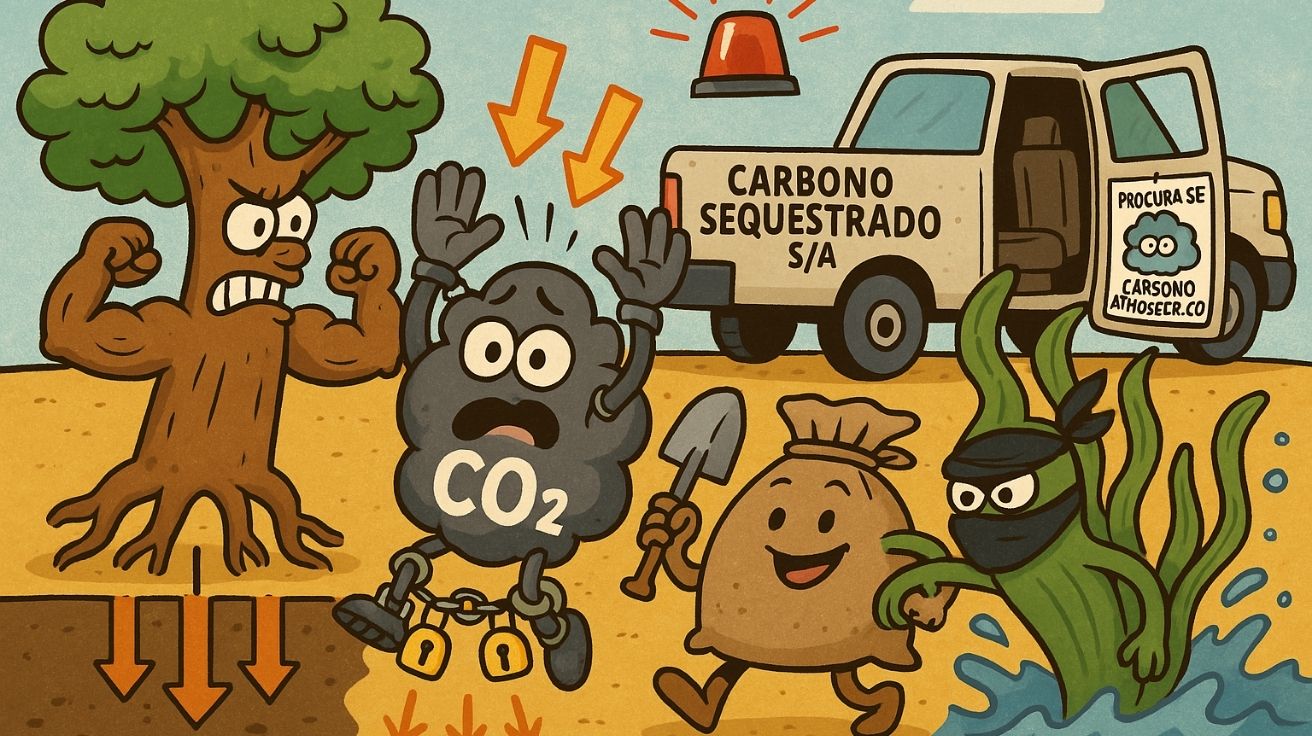
From Agroforestry Plantations to Technologies That Bury Biomass in Basalt Rocks, Discover the Most Promising Methods to Remove Carbon Dioxide from the Atmosphere and How Agribusiness Can Profit from It
Carbon capture is one of the main global strategies to combat climate change. The process involves capturing and storing carbon dioxide (CO₂) from the atmosphere in natural or artificial reservoirs. It is present in agricultural, forestry, industrial, and marine practices aimed at reducing the effects of global warming.
What Is Carbon Capture and Why Is It So Important
Carbon capture occurs when atmospheric CO₂ is removed and deposited in “pools” such as forests, soils, and oceans, or in geological structures. This practice helps to offset emissions generated by the burning of fossil fuels, promoting the balance of the carbon cycle.
In rural areas, this technique is applied through regenerative agriculture, reforestation, sustainable forest management, and the recovery of degraded areas. These methods benefit rural production, increase soil productivity, and also contribute to mitigating the greenhouse effect.
-
Brazil sends unprecedented product to China and a ship with 62 thousand tons has already arrived at its destination: a new billion-dollar market opens for Brazilian agribusiness.

-
Even with logistical challenges, Brazil exports 17.1 million tons of grains and reinforces its global prominence.

-
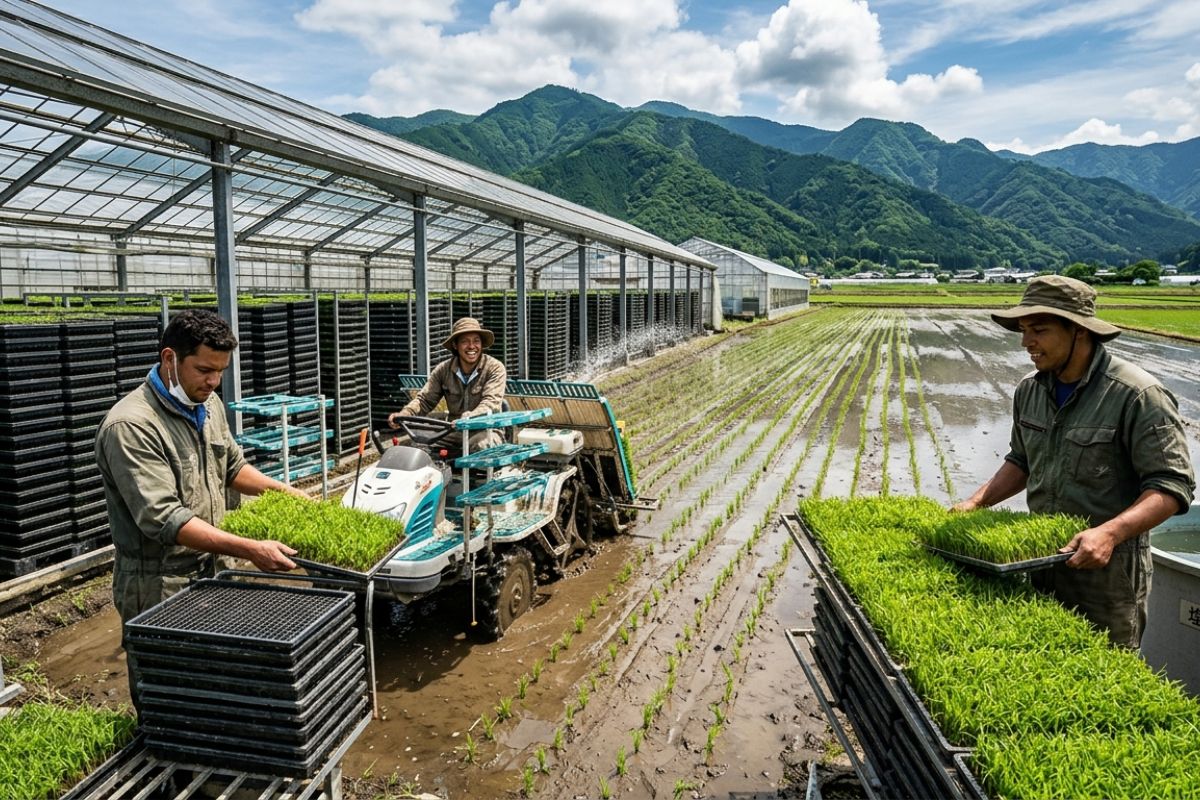
In the interior of Shizuoka, Brazilian brothers became farmers and revealed the secret of Japanese rice: brine selects seeds, the radicle determines the point, 4,000 trays fill greenhouses, and mechanized transplanting never forgives mistakes.
-
Brazil surprises China with a new agro offensive: first shipments of DDGS and poultry by-product meal arrive in the Asian country, expanding billion-dollar exports.

Beyond the field, there are technological initiatives involving industrial carbon capture and its storage in rocks, oceans, or in the form of stable minerals. Although more expensive, these solutions complement biological processes and offer greater permanence of storage.
In the agricultural sector, carbon capture in soils is encouraged by using practices such as no-till, organic fertilization, rotational grazing, and crop rotation. These techniques increase the organic matter in the soil, which retains carbon for long periods.
Farms that adopt agroforestry systems also stand out: by integrating trees with crops and pastures, these models optimize land use and improve the carbon balance of the property.
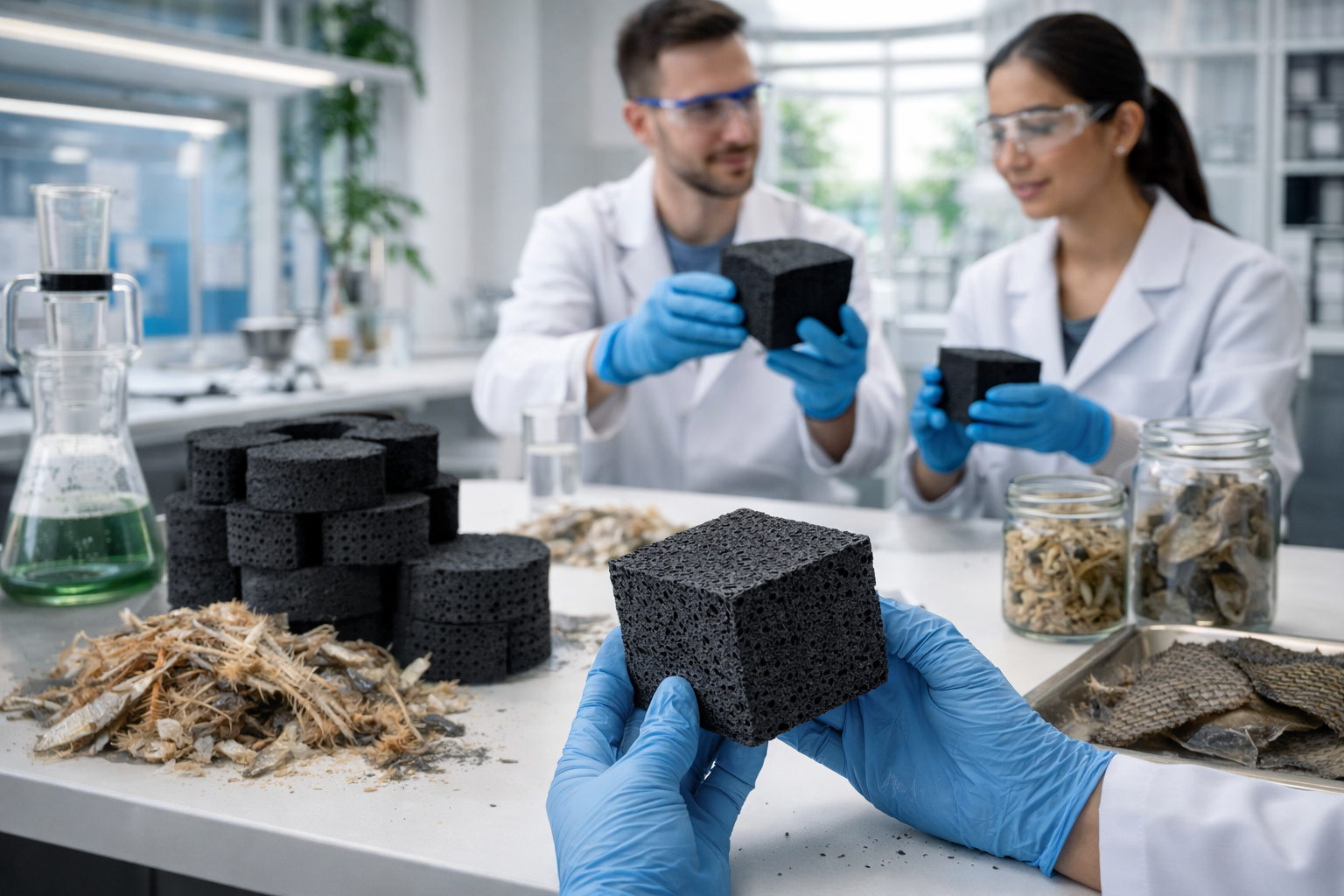
Another promising avenue is the use of biochar, charcoal produced from organic waste, which, when incorporated into the soil, stabilizes carbon and improves fertility. These solutions become profitable with the creation of carbon credit markets, allowing the agribusiness to monetize its good environmental practices.


Industrial Technologies and Geological Storage
While the rural sector acts as a biological collector, the industry invests in geological solutions. Power plants, factories, and refineries have already adopted systems that capture CO₂ before its emission, storing it in subsurface layers of porous rocks covered by seal rocks, such as basalt.
A successful example is the CarbFix project in Iceland, which injected carbon dioxide into basalt rocks, converting it into solid calcite in just two years. This type of geological capture offers a high degree of stability and is ideal for large-scale emissions.
There are also methods such as artificial mineralization, which transforms CO₂ into compounds like calcium and magnesium carbonate. These reactions occur naturally in marine environments or can be induced in the laboratory and applied in abandoned mines or landfills.
Ocean: The Earth’s Largest Carbon Sink
Carbon capture in the oceans occurs through mechanisms such as the “biological pump” and the cultivation of seaweeds, which fix CO₂ via photosynthesis. The resulting biomass can be sunk in deep areas, isolating carbon for centuries.
Seaweed farms, especially in the Asian Pacific, are rapidly growing as a low-cost alternative. According to estimates, covering 9% of the ocean with macroalgae cultivation could remove up to 53 gigatons of CO₂ per year, in addition to generating biomass for energy and food production.
Another experimental technique is ocean fertilization with iron, which stimulates phytoplankton growth and, consequently, CO₂ consumption. Despite promising tests, ecological impacts are still being evaluated.
Risks and Limitations Still Challenge the Global Strategy
Despite its potential, carbon capture is not without risks. Forests and soils can release CO₂ again in events such as wildfires, extreme climate changes, or deforestation.
Additionally, industrial carbon capture and storage projects still face high costs, geological uncertainties, and logistical challenges, especially in developing countries.
Accurate measurement of captured volumes and the creation of reliable certifications are also critical points for the carbon credit market to gain credibility and economic value.
A Global solution in Constant Development
The IPCC recognizes carbon capture as one of the essential tools to limit global warming to 1.5 °C. The report recommends investment in research, incentives for the adoption of good practices, and the development of regulatory frameworks for integration between the public sector, farms, and industry.
Initiatives such as reforestation, protection of tropical forests, sustainable agricultural practices, and technological innovation need to work together to achieve lasting results.
And you, were you already aware of the different ways to capture carbon and the role that agribusiness can play in the fight against the climate crisis?








Seja o primeiro a reagir!