





 Portuguese
  English
  Spanish
  4 min of reading
  11 comments


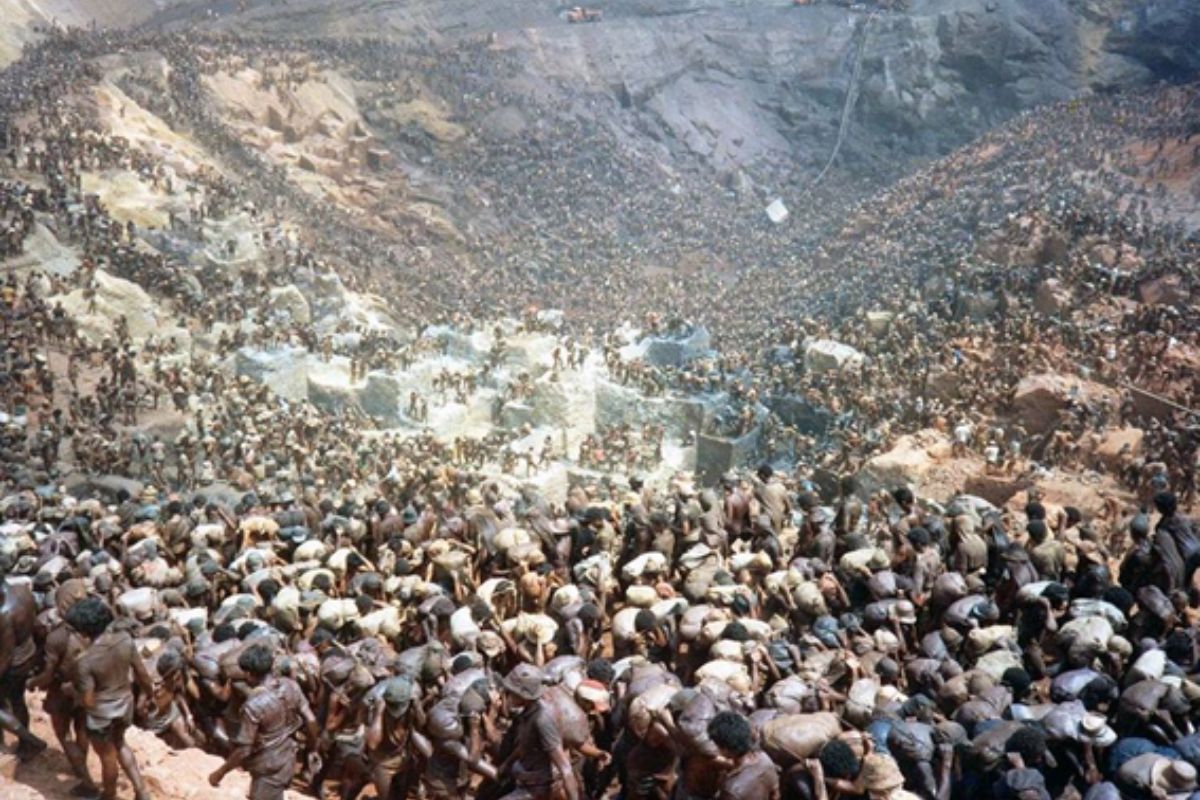


From A Child’s Casual Gold Discovery To The Fever That Drew Thousands, The Story Of Serra Pelada Is Marked By Greed, Violence, And A Deep Environmental And Social Impact.
Serra Pelada was the site of the largest open-pit gold discovery ever seen. The location, in the state of Pará, promised tons of the precious metal. It all began in 1979, when a child found gold stones in a stream. The news spread quickly.
In a Brazil facing economic crisis and military dictatorship, the promise of easy wealth attracted a crowd. Thousands of men rushed to Serra Pelada, starting a saga of fortune, desperation, violence, and brutal working conditions.
The Accidental Discovery And The Beginning Of The Gold Rush
The story of Serra Pelada began by chance in 1979. Genésio’s daughter, an employee of a farm in the region, found gold stones while playing in a stream. Not knowing what they were, she handed them to her father. The stones were taken to Marabá, where a cowboy identified the find: it was gold. The news that there was easy gold on the surface spread across the country. The name Serra Pelada described the location well: a 150-meter-high elevation that would later become a crater.
-
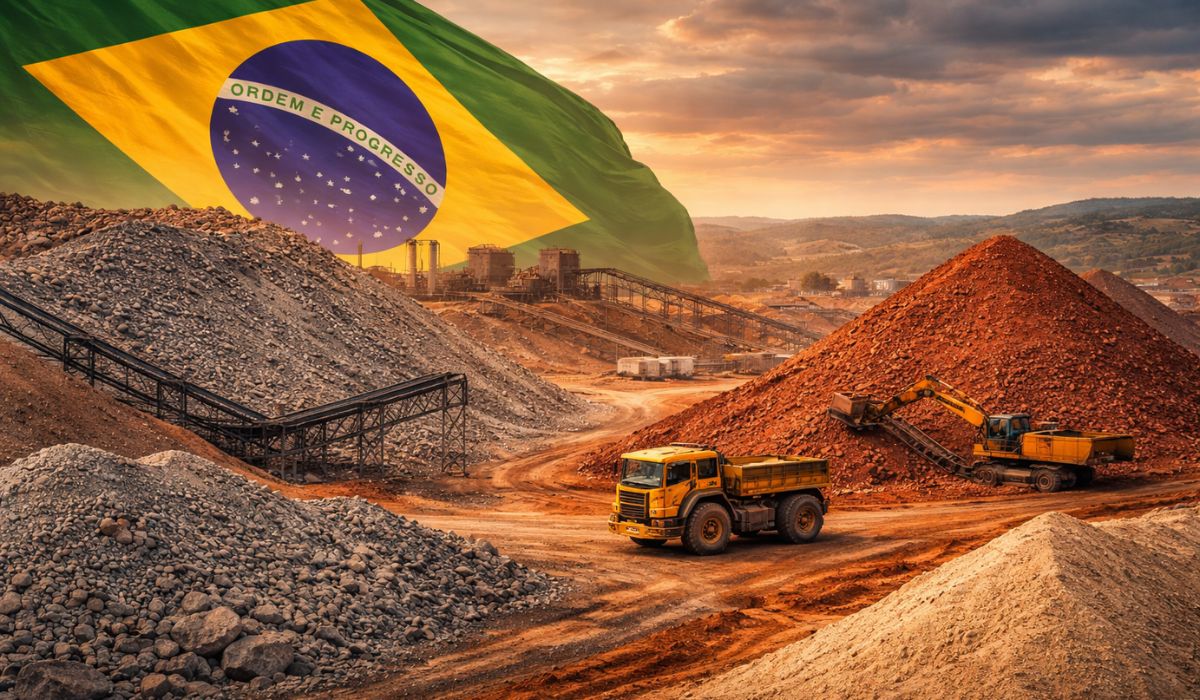
Brazil extracts 26.3 million tons of ore from what was previously treated as waste, transforming residues into wealth, producing over 3 million tons of sand, and demonstrating how national mining is relearning to generate value.
-
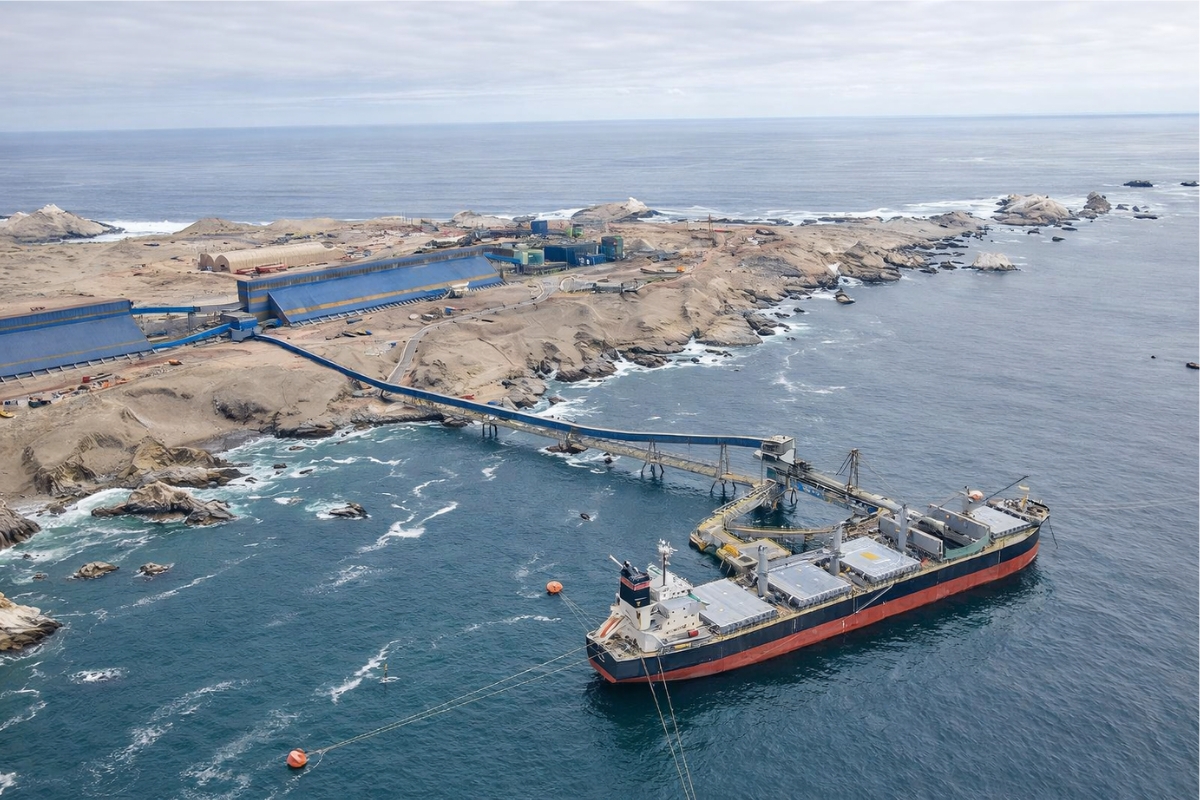
A $3.5 billion megaproject in Latin America pumps desalinated seawater at 1,050 liters per second over 194 km to keep a copper supermine in the Andes operational for another 20 years.
-
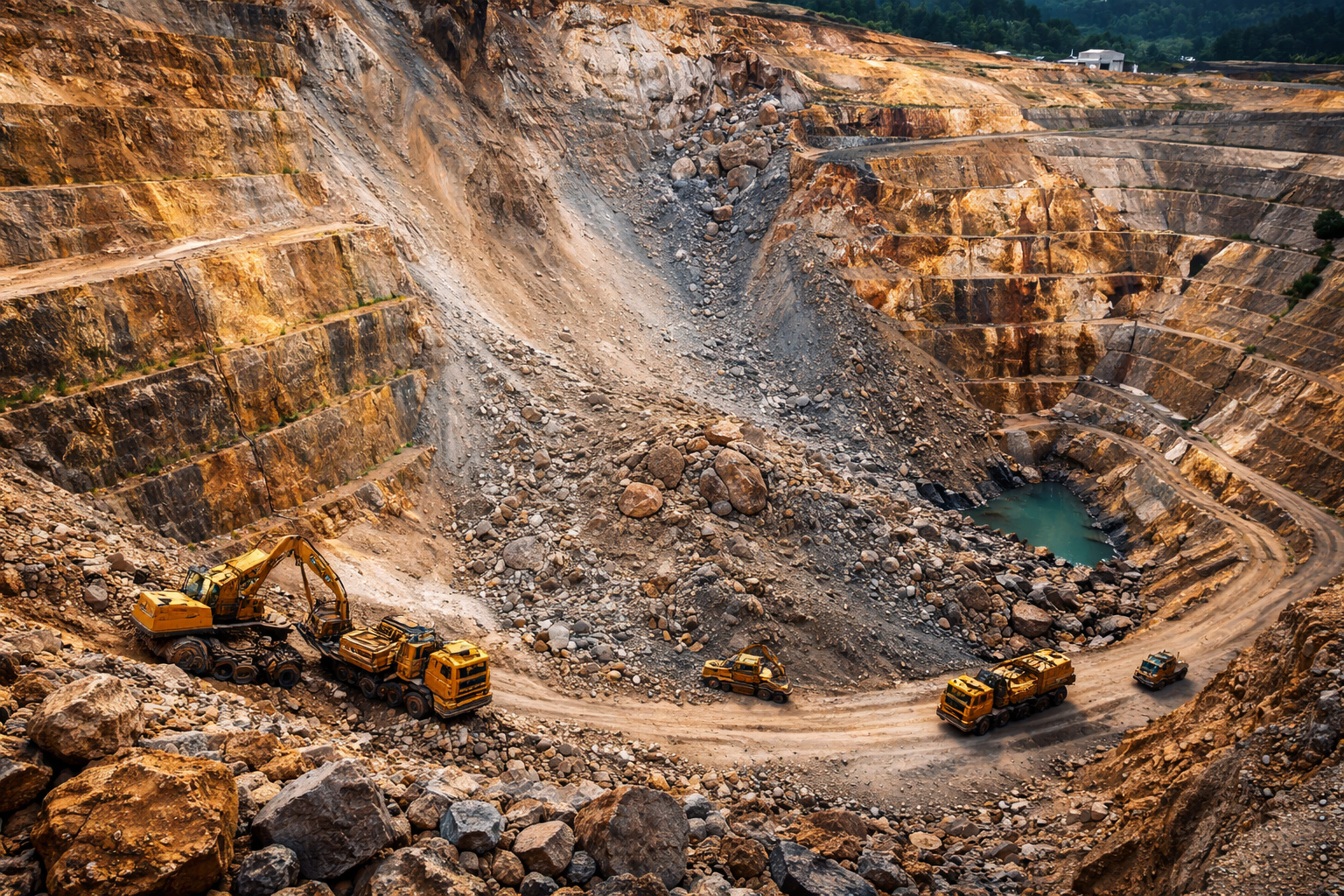
A hidden mine in the Andes valued at nearly R$ 1 trillion is starting to attract global attention, containing copper, gold, and silver, and raises an intriguing question: why do Argentina and Chile need to act together to exploit this gigantic wealth?
-
A silent discovery in the interior of Bahia could change the future of energy in Brazil: a uranium reserve in Lagoa Real has an estimated capacity to produce 400 tons per year and is already attracting the attention of energy sector specialists.
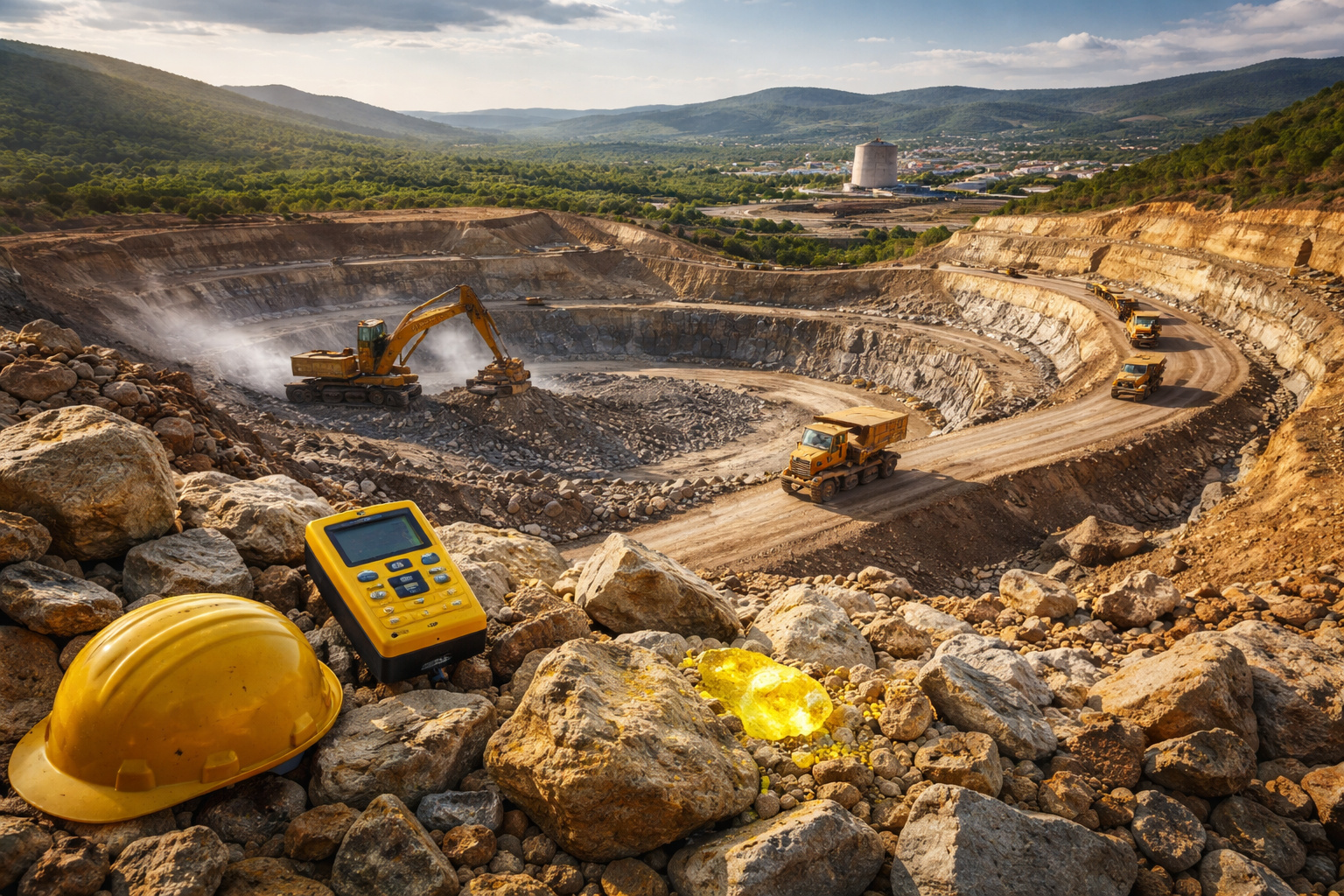

The Brazilian context of the 1980s, with high inflation, unemployment, and military regime, made the promise of quick enrichment irresistible. In a short time, around 90,000 men, driven by greed and desperation, arrived at the site. Serra Pelada quickly became one of the largest open-pit mines in the world.
Bamburrados And Misery: Life In The Human Anthill Of Serra Pelada
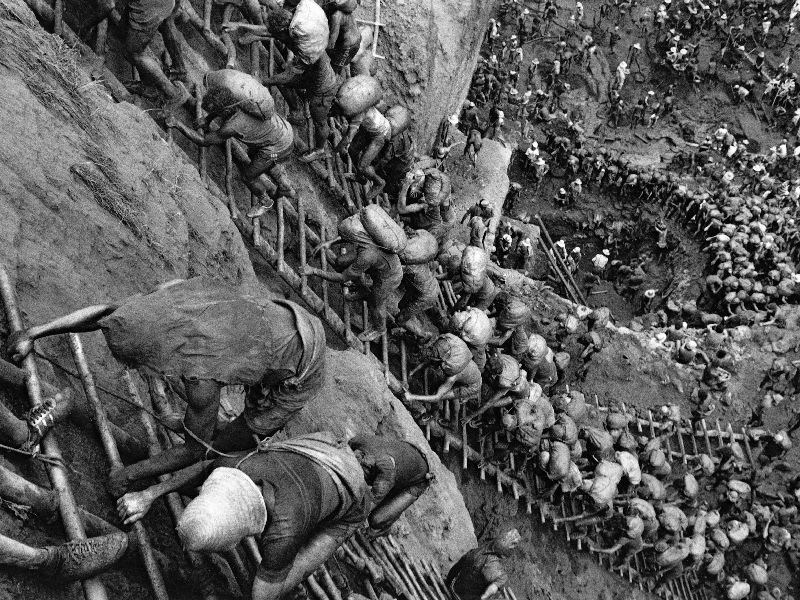
To work, the prospectors needed a badge, presenting documents and photos. The lines were enormous. Stories of “bamburrados” – the lucky ones who found large amounts of gold – fueled everyone’s dreams. There were reports of buckets full of gold and nuggets weighing up to 100 kg. Zé Maria, the owner of a rich slope, even sold 245 kg of gold in a single day. Many who became bamburrados spent their fortunes instantly. They chartered private planes, bought a car for each day of the week, replaced teeth with gold, and distributed nuggets. However, the lack of financial education meant that most returned home poorer than they arrived.
The reality for most was harsh. Mining was precarious, with few tools. Workers faced inhumane conditions: exhausting work, lack of drinking water, scarce food, and inadequate shelters. Exposure to diseases and accidents was constant. An improvised town emerged, with about 40,000 men living in wooden shanties spread across the hill. It was a filthy place, devoid of vegetation, and initially without the presence of women, children, or the elderly in the extraction area.
The Arrival Of The Government: Intervention And Major Curió’s Law
Starting in 1980, the Brazilian government intervened in Serra Pelada. The goal was to try to control the chaos, the violence, and, of course, to secure its share of the extracted gold. All gold sales had to be made at Caixa Econômica Federal agencies, which paid a price deemed fair. Major Curió was appointed to organize the situation.
One of the first measures was to expropriate Genésio’s farm (the terms of the agreement with the original owner are unclear). Curió announced to the mass of prospectors that no one would pay percentages on the gold found anymore. He also permanently prohibited the presence of women in the mining area, a measure that was applauded by the men present at the time.
Violence, Diseases, And The “Goodbye Mama” Stairs
Life in Serra Pelada and its surroundings was extremely dangerous. Communities formed nearby, such as the current town of Curionópolis, known at the time as “Village of 30”. Located 30 km from the mine, it was the hub of bars, brothels, and also where many disputes were resolved violently. The place earned the nickname “from day 30, at night 38”, due to the high frequency of shootings and deaths. Ego and money disputes were common, especially when prospectors flaunted their newly acquired wealth in the brothels.
Death was a constant reality. Lives were lost to malaria, yellow fever, gunfire, knife attacks, and even pickaxes. However, one of the leading causes of death was falls from the precarious stairs used to ascend and descend the slopes of the massive pit. These stairs became infamously known as “Goodbye Mama”. Initially, falls caused shock, but over time, the deaths became mundane, and the gold rush continued unabated.
The End Of Mining, The Environmental Legacy, And The Submerged Gold


The gold exploration in Serra Pelada lasted just over a decade, officially ending in 1992. It is estimated that about 50 tons (50,000 kilograms) of gold were extracted during this period. However, this number is likely underestimated, as smuggling was common. More than 150,000 people passed through the mine, and the number of lives lost is incalculable, as many workers lacked documentation.
The end of mining was caused by the very exploitation: digging deeply hit the water table, flooding the entire crater. What was once a 150-meter-high hill became a lake in a hole over 200 meters deep. The exploitation left a legacy of environmental destruction, considered one of the largest human interventions ever recorded in nature.
Today, the area of the former mine belongs to the company Vale. Despite this, there is still much interest in the region from prospectors, companies, and the government. Estimates suggest that there may still be about 1 million tons of gold submerged under the water of the crater, waiting to be extracted – perhaps the largest untouched gold reserve in the world. The story of Serra Pelada remains a testament to the gold rush and its consequences.





Entra gonverno e sai gonverno e nada de resolver a vida das pessoas se fosse la fora ja tinha resolvido lamentavel
O que vem fácil e com ganância, vai mais fácil ainda.
Estive lá também quase morri duas vezes lá uma laje que desabou e eu cai lá embaixo e a outra vez foi no setor da milharina porque a areia lá era amarela com milho 1quando a ribanceira caiu eu tinha acabado de chegar no topo aí tinha uma pessoa pegando no meu pé para se segurar aí dei um coice para trás quando olhei a ribanceira tinha caindo e muita gente coberta de areia aí fuo ajudar a tirar o pessoal quando fui pegar estava faltando o braço au eu outro puxamos pelo outro braço o foi um clamou muito grande muita gente morta e decapitada pelo braços e pernas graças a Deus que eu estou lhe falando fui embora no outro dia para fortaleza onde moro até hoje .
Marido da minha irmã foi e nunca mas voltou deixou ela grávida o bebê já estar com 40 anos