





 Portuguese
  English
  Spanish
  3 min of reading
  0 comments


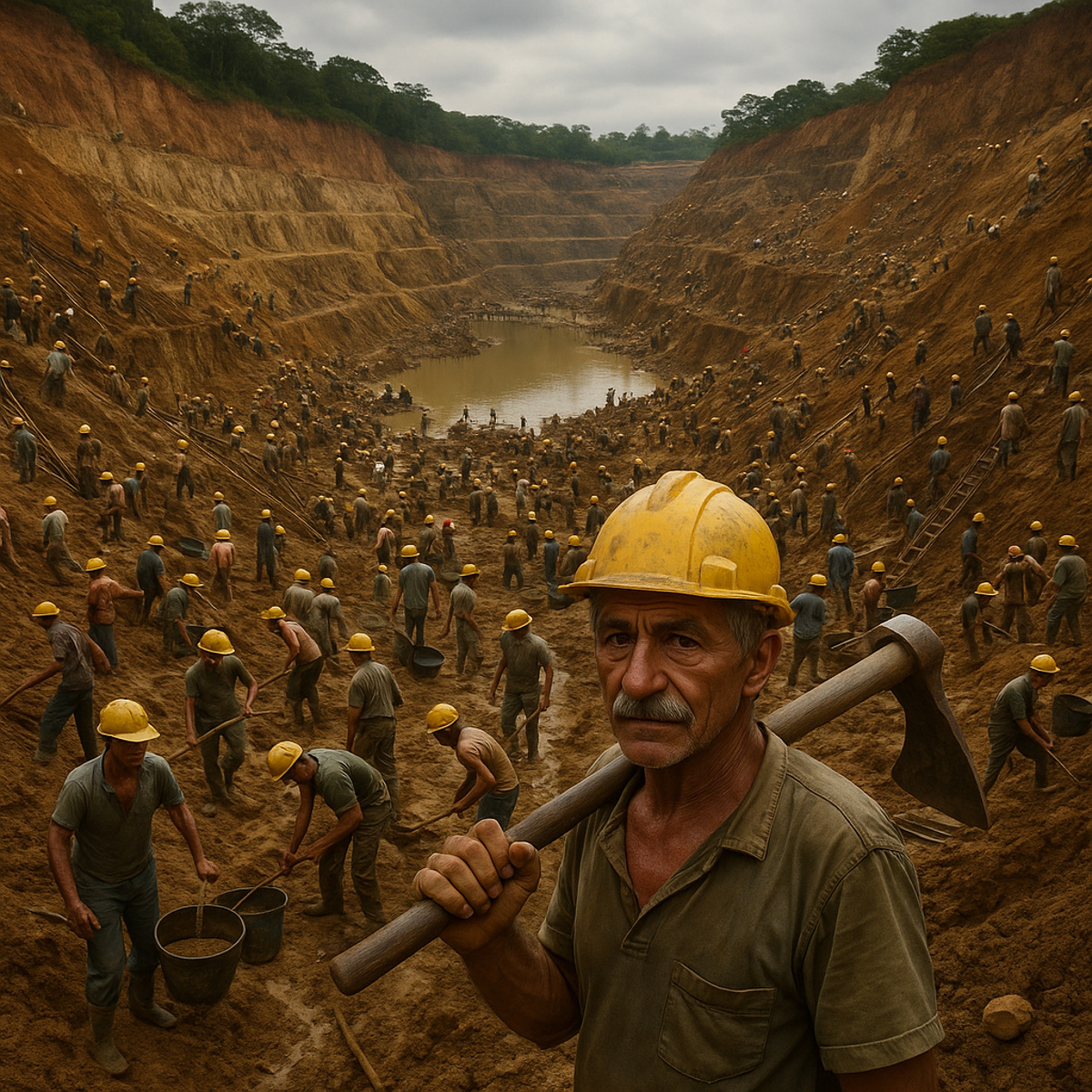
Even After More Than Three Decades of Inactivity, Cooperatives Try to Revive the Legendary Gold Rush That Marked the History of Brazilian Mining.
The legendary Serra Pelada mine, located in southeastern Pará, remains alive in the national memory. Officially closed in 1992, it continues to symbolize wealth, hope, and tragedy. Even after 33 years, former miners and local cooperatives still dream of reactivating operations, seeking to turn the past into opportunity.
Throughout the 1980s, Serra Pelada became the epicenter of the gold rush in Brazil, attracting thousands of people from all regions of the country. According to data from the National Department of Mineral Production (DNPM), more than 100,000 workers gathered in the region, creating a makeshift city in the jungle. In addition, the discovery of a gold nugget in 1979, made by a cowboy along the banks of the Grota Rica river, marked the beginning of this historical rush.
The Peak and Decline of Mining in Serra Pelada
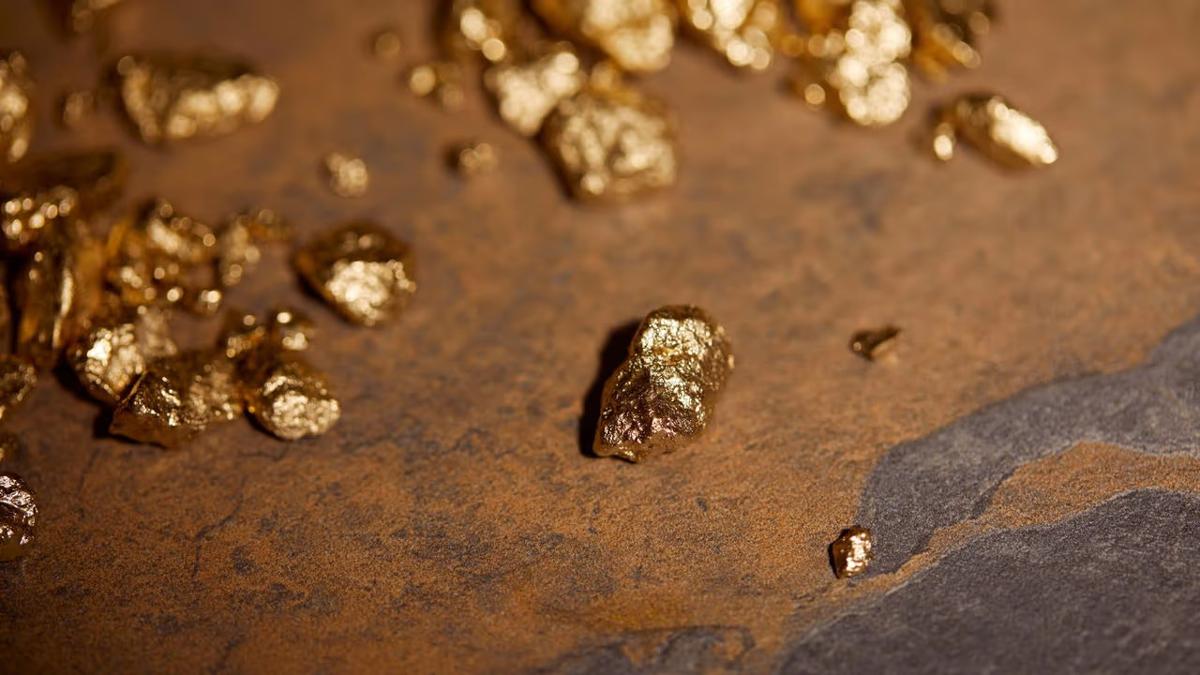
During its peak, in 1983, gold extraction reached its highest point, with 17 tons of gold taken from the land of Pará, according to official data from the DNPM. However, as the pit deepened, the risks increased drastically. Landslides, mercury contamination, and hazardous working conditions began to draw attention from authorities and environmentalists.
-
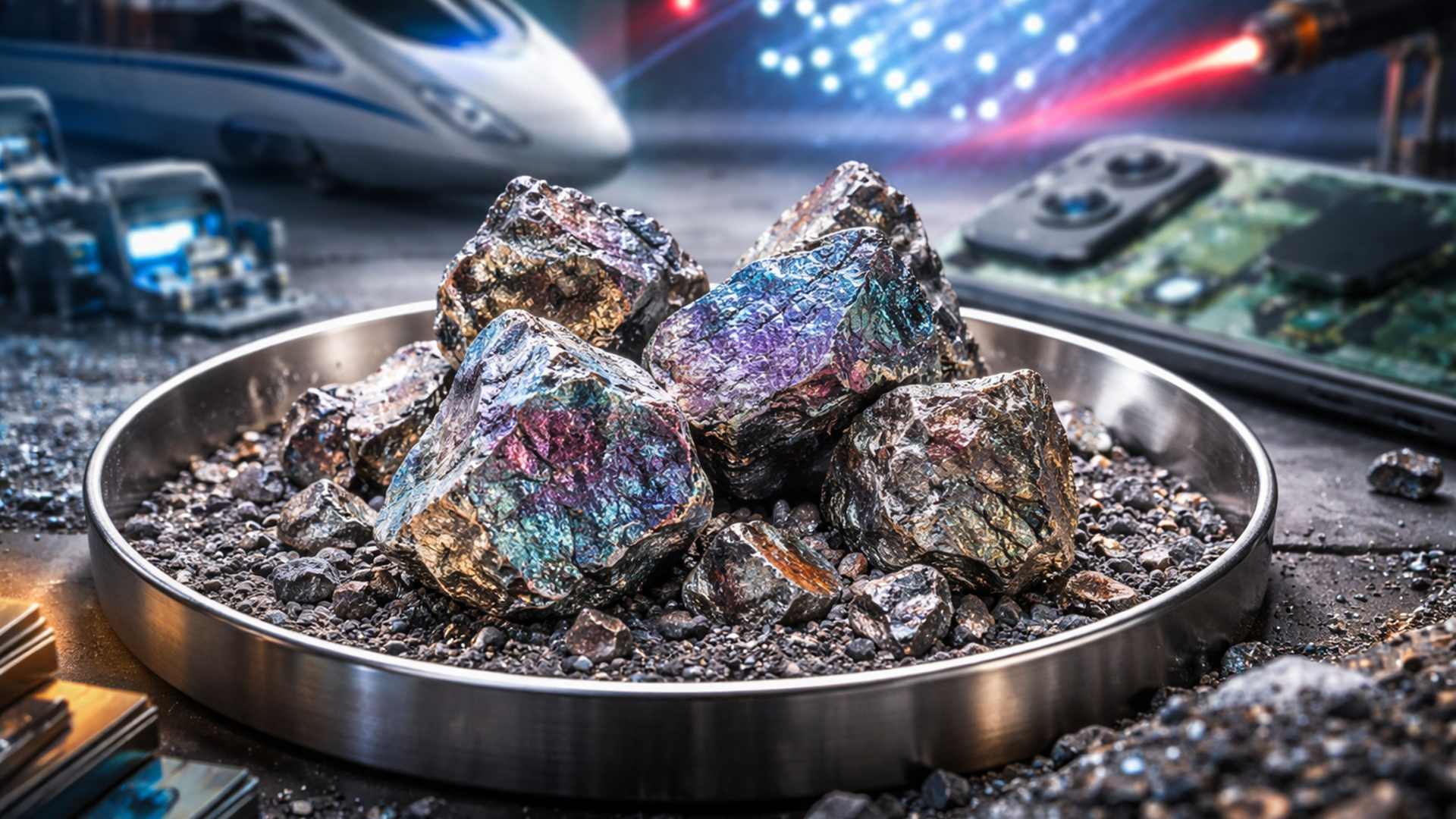
Rare earths are in everything, from cell phones to bullet trains, and what almost no one realizes is why they have become the target of such a delicate global war.
-
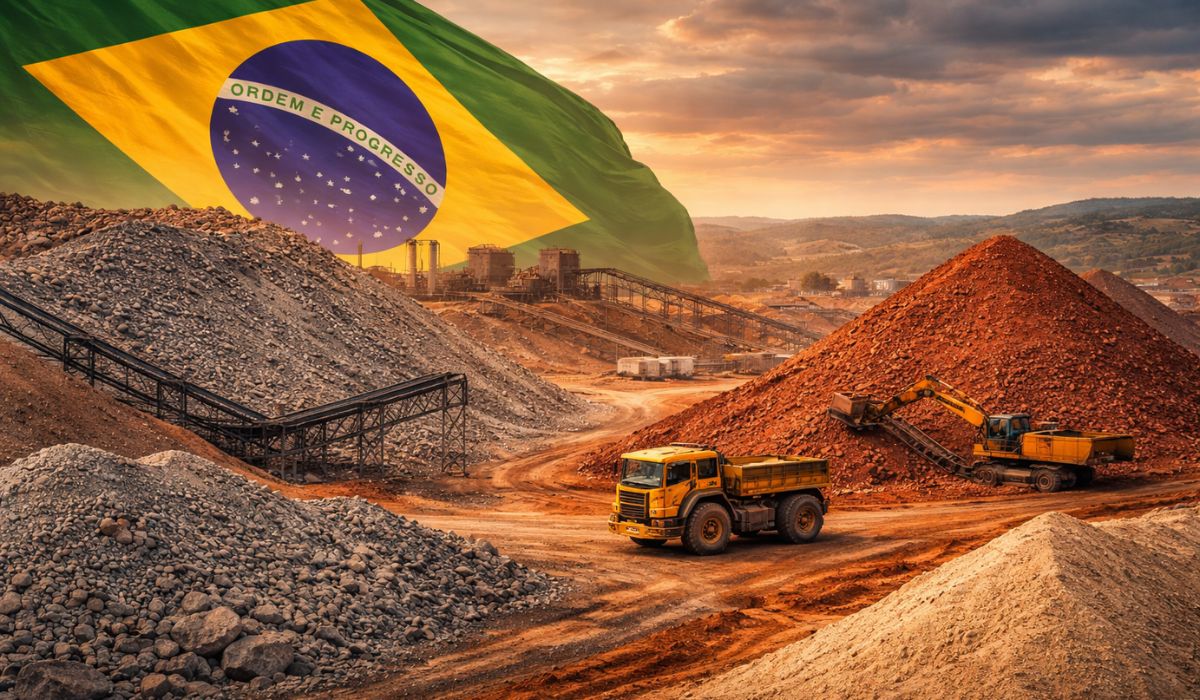
Brazil extracts 26.3 million tons of ore from what was previously treated as waste, transforming residues into wealth, producing over 3 million tons of sand, and demonstrating how national mining is relearning to generate value.
-
A $3.5 billion megaproject in Latin America pumps desalinated seawater at 1,050 liters per second over 194 km to keep a copper supermine in the Andes operational for another 20 years.
-
A hidden mine in the Andes valued at nearly R$ 1 trillion is starting to attract global attention, containing copper, gold, and silver, and raises an intriguing question: why do Argentina and Chile need to act together to exploit this gigantic wealth?
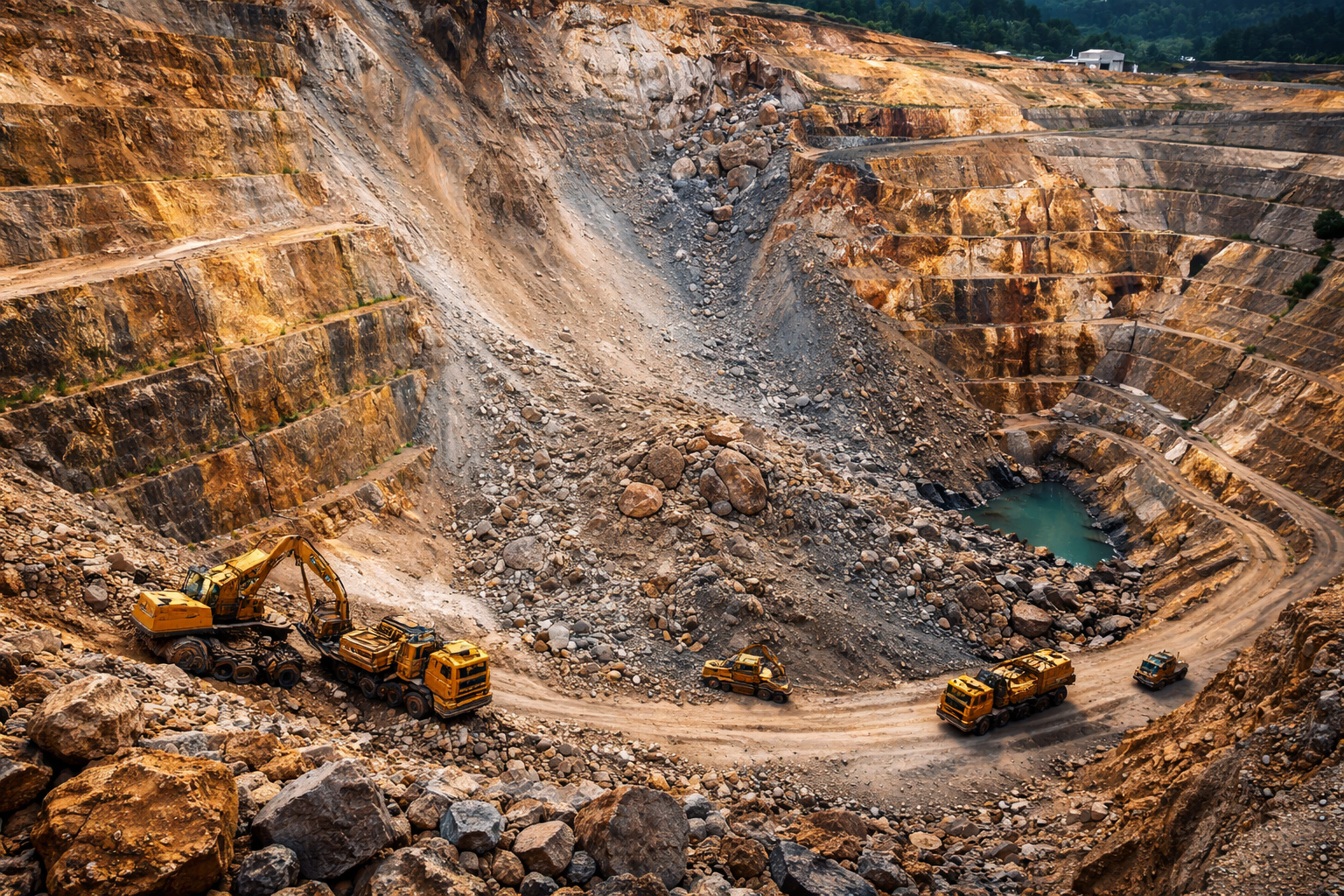

As a result, in 1992, then-president Fernando Collor de Mello ordered the immediate cessation of activities, citing safety reasons and irreversible environmental damage. Thus, the immense crater became a murky lake, a symbol of an era of wealth and suffering.
Despite this, hope never faded. Many miners returned to the site, believing that there is still gold in the depths of the old mine. Among them, Chico Osório, a former miner who has lived in Curionópolis since the 1980s, claims that “the land still holds fortune.”
Cooperatives Face Barriers and Internal Disputes
Currently, the Serra Pelada Miners’ Cooperative (Coomigasp) leads the movement for the mine’s reopening. However, the process is slow and complex. On one hand, environmental requirements from Ibama and the Pará State Department of the Environment impose rigorous studies on the impact of the activity. On the other hand, internal disputes among members delay decisions and hinder the progress of projects.
Furthermore, the accumulated debts and degraded infrastructure make any operation difficult. Corroded stairs, unsafe ramps, and obsolete machinery represent serious accident risks. Still, the members insist that reactivation is possible, provided there is technical support and public funding.
The Social and Environmental Impacts of the Past
During the 1980s, Curionópolis — the city that houses Serra Pelada — experienced explosive growth. In just three years, the population skyrocketed from 3,000 to over 40,000 residents, according to IBGE. However, the unregulated growth brought severe consequences: violence, diseases, and environmental degradation.
The indiscriminate use of mercury contaminated soils and aquifers, leaving marks that persist to this day. Therefore, any attempt to reactivate the mine needs to balance economic development with environmental responsibility. Experts from the Geological Survey of Brazil (SGB) assert that the new phase must prioritize clean technologies and constant monitoring to avoid repeating past mistakes.
The Dilemma Between Progress and Preservation
While Coomigasp tries to gather resources, federal authorities discuss whether the site can produce again without compromising the Amazon. However, the challenge goes beyond the economy. Reopening Serra Pelada would mean confronting the historical dilemma between growth and sustainability.
According to mining experts, the region still has significant gold potential, capable of generating jobs and attracting investments. However, the environmental cost could be too high. Even if the gold shines again, reactivation will only be feasible if there is governance, transparency, and social-environmental commitment.
More than thirty years later, Serra Pelada continues to be a mirror of Brazil — where ambition and inequality mix with hope and courage.
Thus, the big question remains: will the new generation of miners be able to transform the old gold rush into a symbol of sustainable mining, capable of uniting progress and preservation?




Seja o primeiro a reagir!