





 Portuguese
  English
  Spanish
  2 min of reading


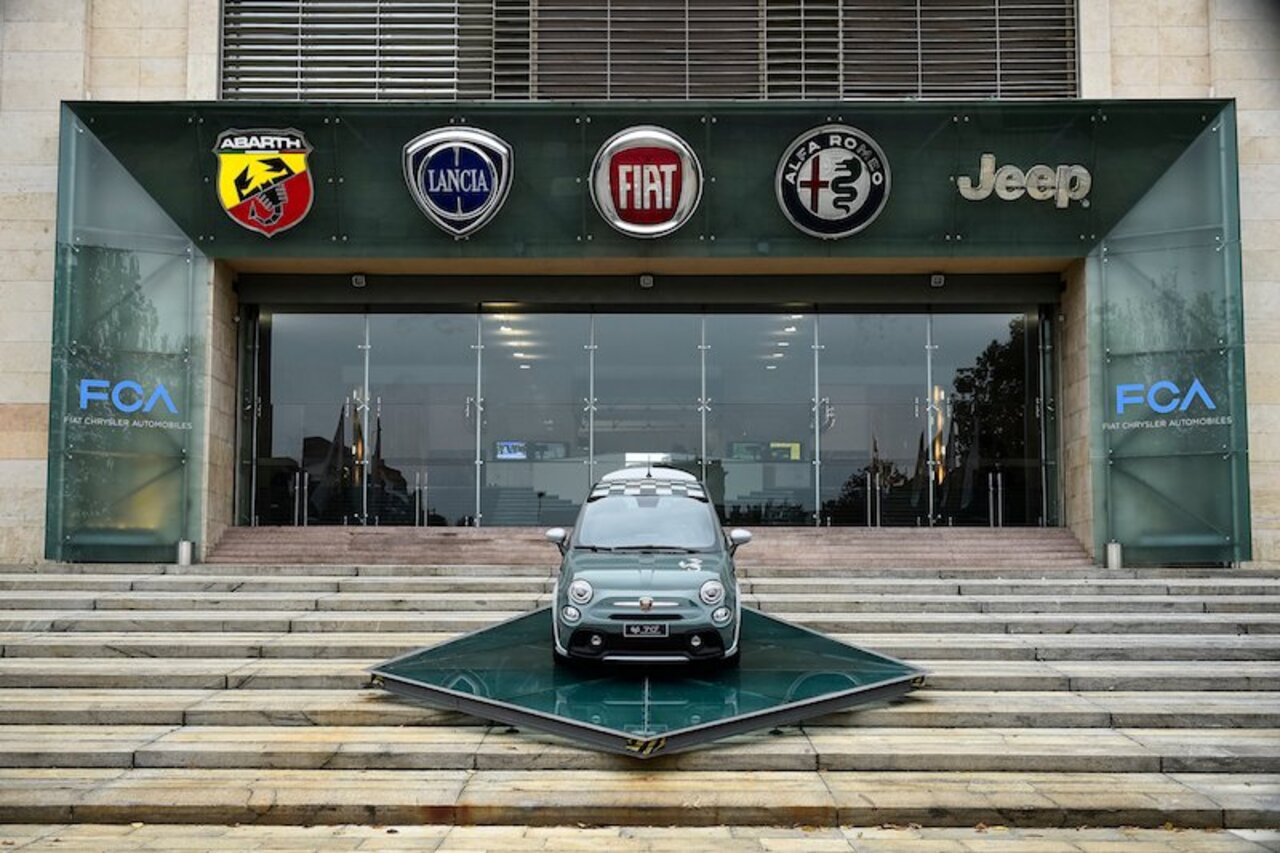
The Announcement of the Shift to Electric Cars by Diesel Engine Manufacturer Setellantis Was Made This Week
Setellantis, the world’s largest diesel engine manufacturer, born from the merger between Peugeot-Citroën and Fiat Chrysler, announced this week through the news agency Reuters that it will invest in the production of engines for electric cars. The decision by the factory’s management may be another positive leap for the brand’s growth and visibility. The challenge will be to reorganize the production of the industrial unit in Trémery, located in northeastern France, which is already working on the manufacturing of electric engines.
Read Also
At the end of 2019, the French Trémery factory was inaugurated, which would be responsible for the electric engine production line. In 2020, the factory’s data showed that electric engines accounted for less than 10% of the total production of the unit. Frustrated with the latest result, the management team of the French factory set a target for this year.
The aim of Trémery is to double its market share in electric engines, reaching more than 180,000 units. Setellantis aims that by the year 2025, electric engines will represent more than half of the factory’s production, achieving the truly desirable results.
-
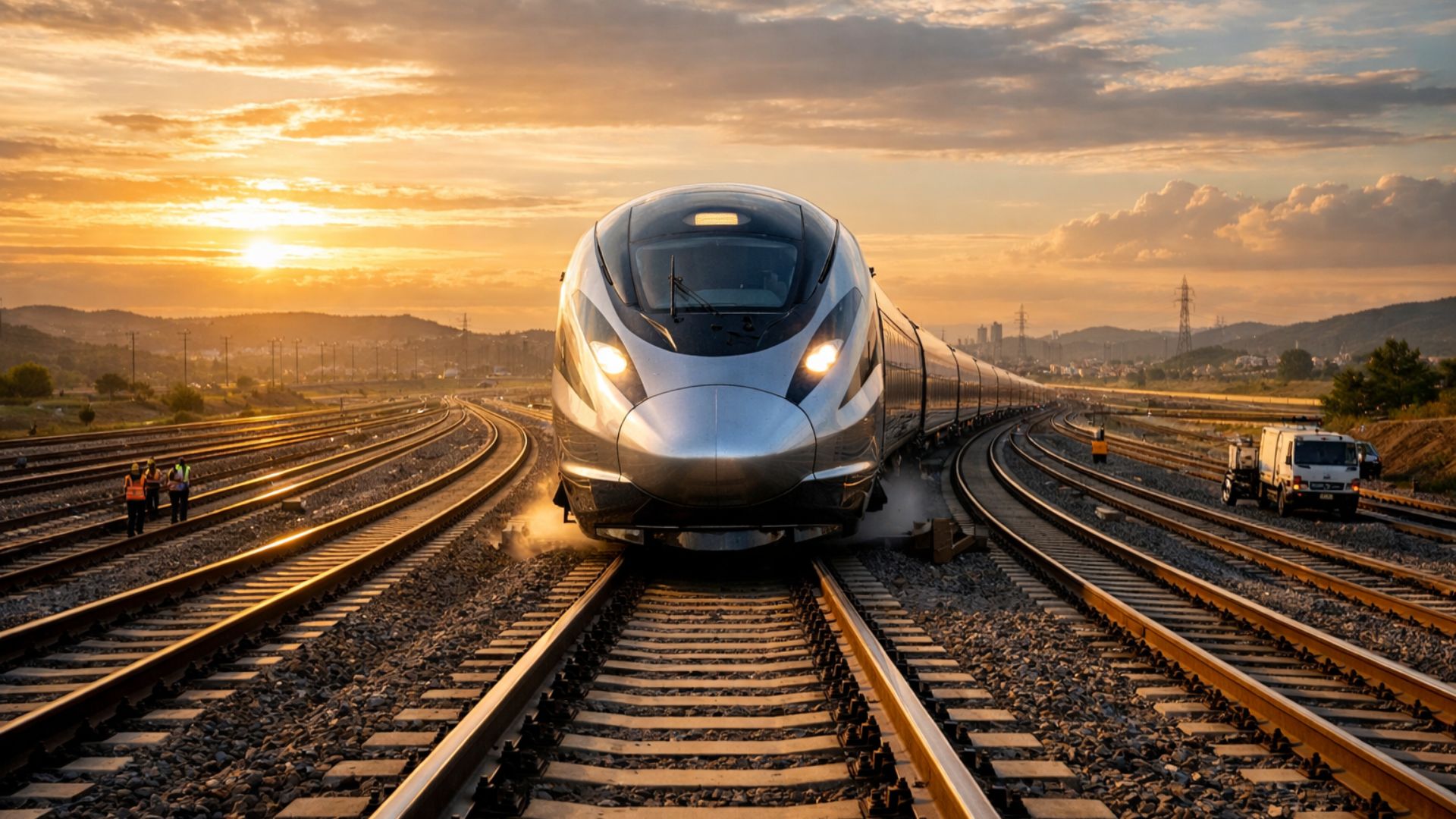
São Paulo surprises the world with a colossal railway network project that promises over 1,000 km of tracks, R$ 194 billion in investments, and 40 projects connecting the capital to the interior with fast and sustainable trains.
-
The world’s largest escalator, measuring 905 meters in China, reduces urban travel time from 1 hour to about 20 minutes and transforms mobility in mountainous regions with an engineering solution adapted to the terrain.

-
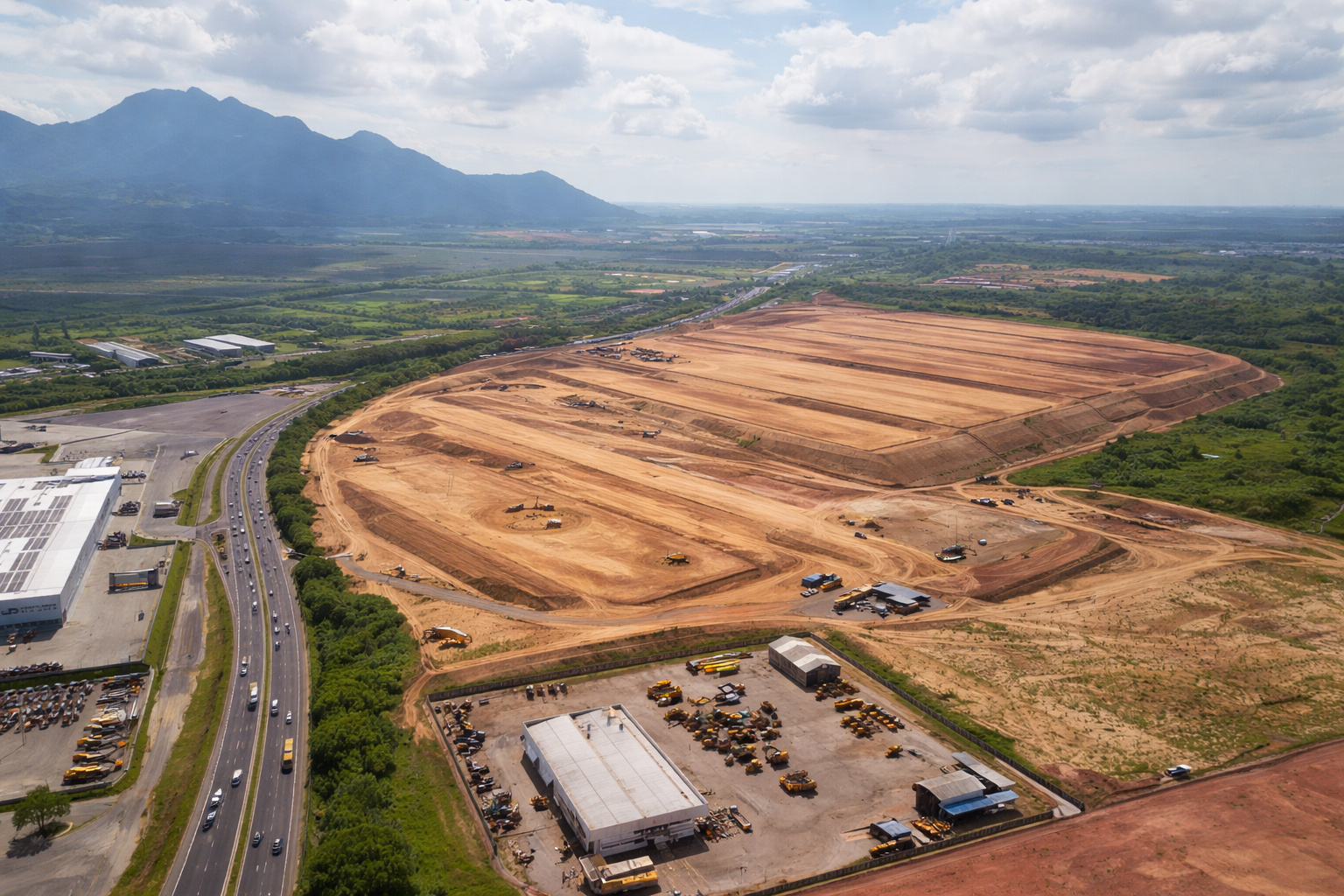
A R$ 300 million logistics giant is taking shape in Serra with over 100,000 m² and raises a question: how can this transform e-commerce and distribution in the state?
-
Could Uber Rides Lose Minimum Fare? Understand What’s Happening!


Setellantis Estimates That At Least Around 900,000 Electric Car Engines Will Be Produced Within An Installed Capacity of 1.75 Million Units Per Year
This transition responds to the ongoing changes in European consumer preferences, who have been buying fewer diesel-powered vehicles for some time now, since 2015, when the dieselgate scandal erupted, which became a public health issue at the time, tightening regulations against air pollution, especially in the European Union.
More than half of European countries have already announced plans to definitively prohibit the sale of new vehicles equipped with internal combustion engine systems.









Seja o primeiro a reagir!