





 Portuguese
  English
  Spanish
  5 min of reading
  0 comments


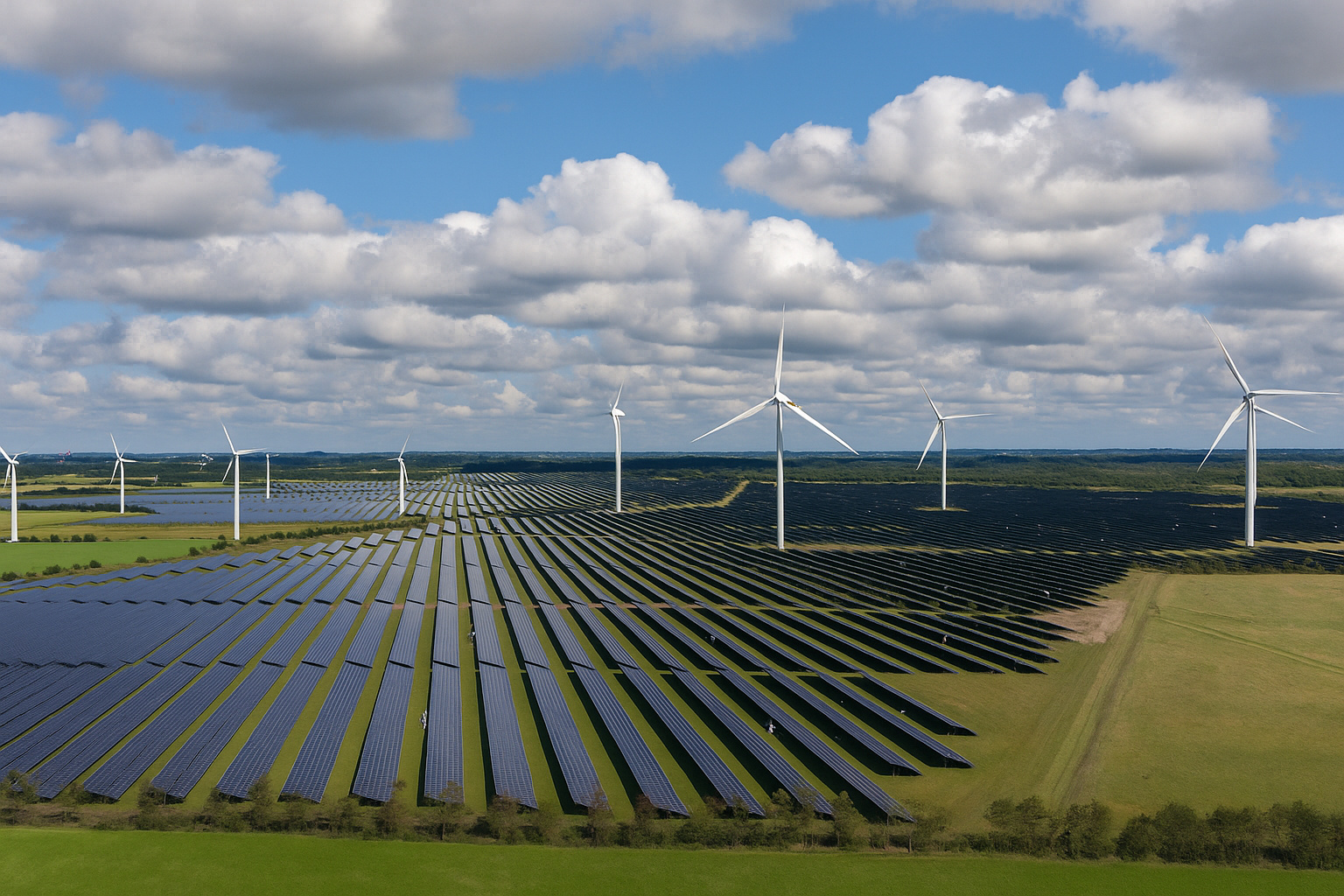
Encourage A Sustainable Future With Public Policies Against Waste And Ensure A More Efficient And Accessible Energy System.
The Brazil has one of the largest natural reserves in the world for generating clean energy. Since the beginning, the country has stood out for having an abundance of sun, winds, and rivers. In this way, it has built a solid foundation to lead the global energy transition.
However, despite this potential, a significant portion of this renewable energy still does not reach the consumer. Instead of fully harnessing it, it is lost due to infrastructure failures, bureaucracy, and lack of incentives.
Thus, public policies against waste are urgently needed to transform this reality.
-
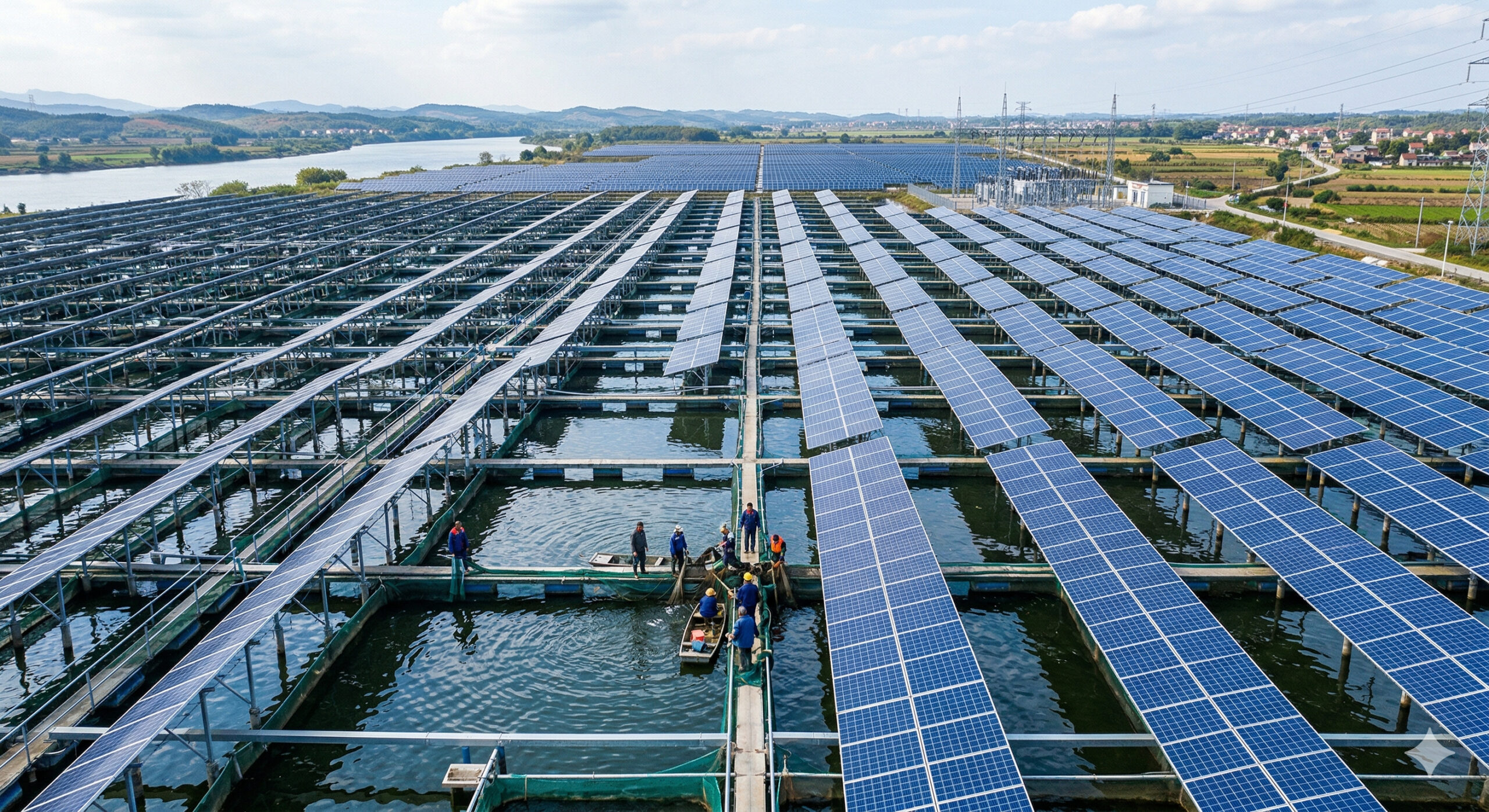
China bets on the Fishery-PV model and transforms fish farms into giant solar plants, covering ponds with panels that generate energy while utilizing the same space for large-scale aquaculture production.
-
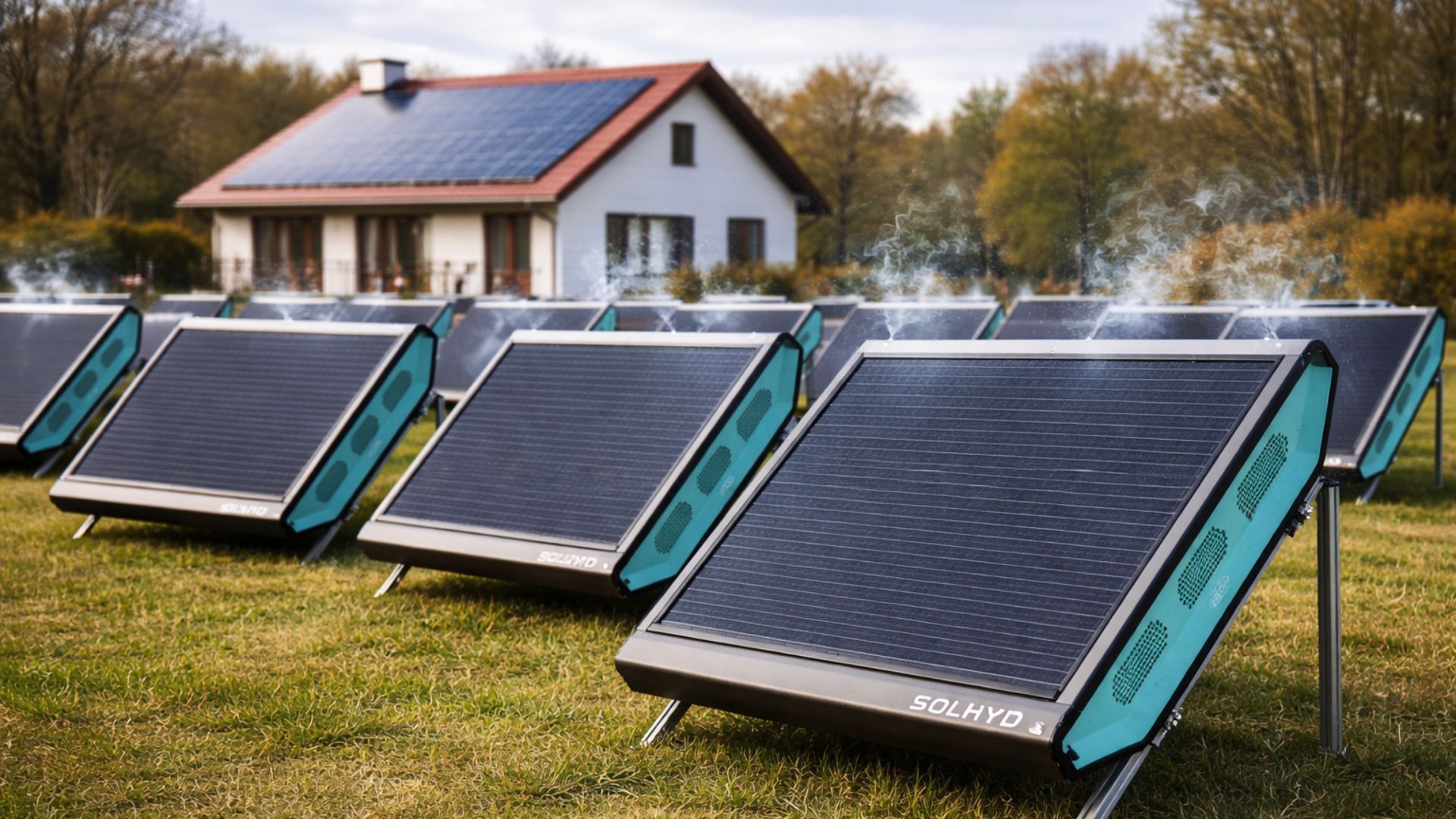
Green hydrogen at home: Belgium launches new technology that makes solar panels produce fuel from the moisture in the air, which could boost the energy transition.
-
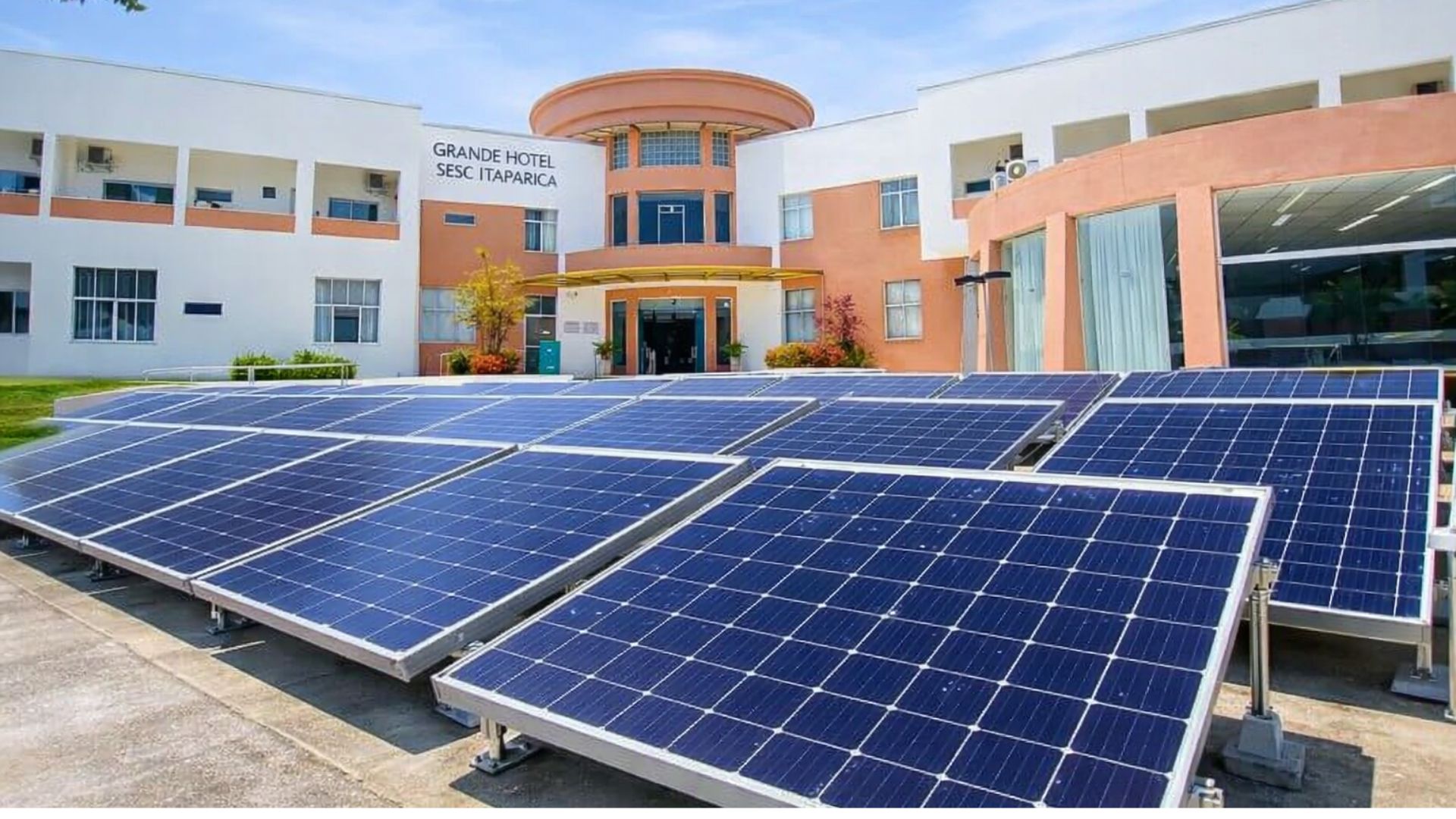
Sesc-BA bets on renewable energy with the support of EDP and drives the energy transition with a direct impact on cost reduction and the sustainability of its operations in Bahia.
-
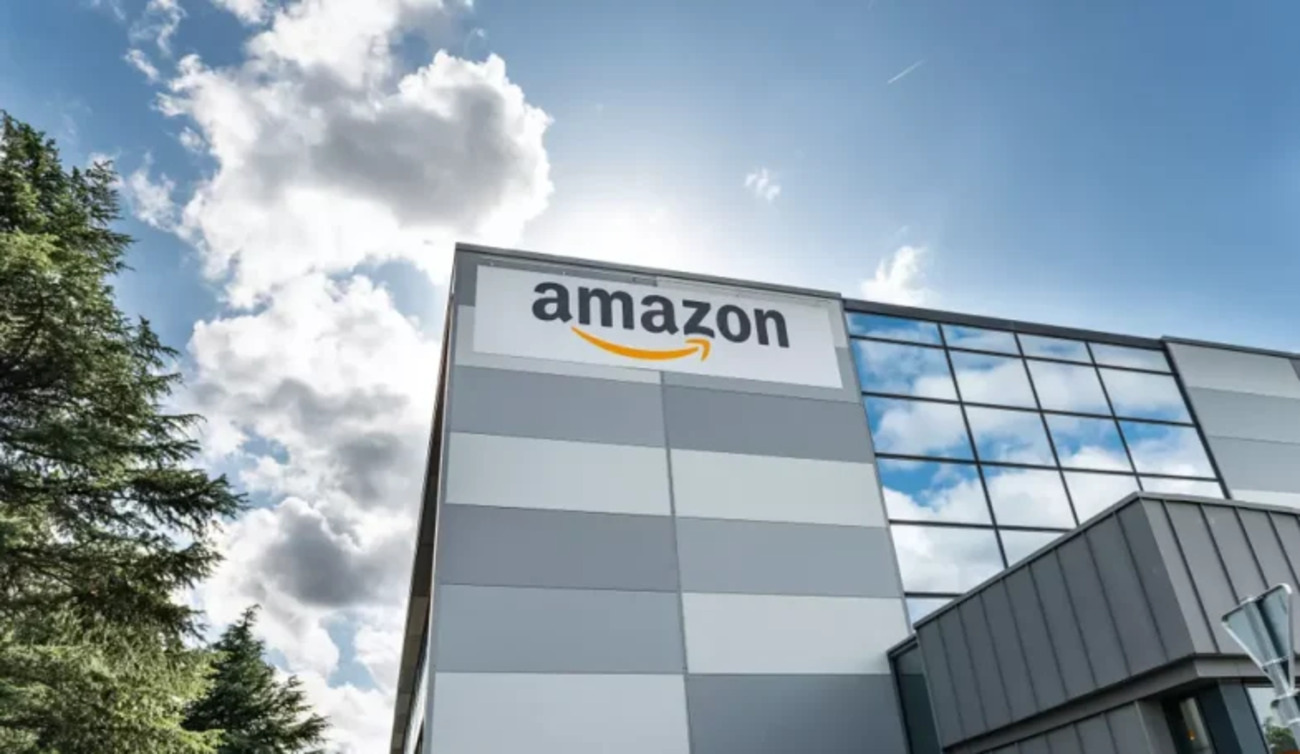
Technology giant breaks global sustainability records: How Amazon’s leadership in renewable energy procurement transformed the global energy market in the past year.

Clean Energy And The Historical Challenge Of Efficiency
Since the 1970s, when Brazil faced its first energy crises and sought alternatives to oil, the country learned to value renewable sources.
At that time, the National Alcohol Program (Proálcool) emerged as a strategic response to foreign oil dependency. Subsequently, the strengthening of the hydroelectric matrix consolidated the country as one of the global leaders in renewable energy.
As time passed, solar and wind energy gained prominence, especially in the Northeast and Southeast regions.
However, even with these advances, the efficiency of the Brazilian electrical system did not keep pace with technological innovations.
On several occasions, the generated energy needs to be reduced or even discarded. This phenomenon, known as curtailment, represents a waste of clean energy that could supply millions of Brazilian homes.
Moreover, curtailment shows that technological progress is not enough without effective public policies.
Only through planning and incentives can Brazil overcome the infrastructure bottlenecks that still hinder the full use of generated energy.
The Economic Impact Of Renewable Energy Waste
The waste of energy goes far beyond environmental issues. It also directly affects the national economy.
Whenever the country wastes clean energy, it loses not only electricity but also industrial competitiveness and growth opportunities.
Consequently, the industry pays more for energy, which raises production costs and reduces investment capacity.
Meanwhile, the final consumer feels the impact on their electricity bills, paying a high price for a service that could be more efficient.
In developed countries, this reality is different. Germany has implemented specific public policies to reduce losses and encourage energy storage.
Meanwhile, the United States has invested in batteries and smart grids, capable of balancing production and consumption more accurately.
Therefore, Brazil can also follow this path, adapting solutions that have already proven effective in other nations.
Batteries And Incentives: Paths To Reduce Losses
In the Brazilian scenario, regulation on storage systems is still progressing slowly.
As a result, those who install batteries pay twice: a fee to store and another to return energy to the grid.
Thus, the country discourages investments and increases the waste of energy that could be utilized during peak demand times.
In contrast, several countries already offer tax exemptions and financial support to those investing in storage.
This way, batteries allow solar energy generated during the day to be used at night, making the system more efficient and balanced.
Therefore, public policies against waste should prioritize technological innovation, reduce tariff barriers, and modernize the electrical infrastructure.
Additionally, it is essential to create clear regulatory frameworks, accessible lines of credit, and partnerships between the public and private sectors to drive national energy development.
Northeast: The Epicenter Of The Brazilian Energy Transition
The Northeast region of Brazil is the biggest example of underutilized potential.
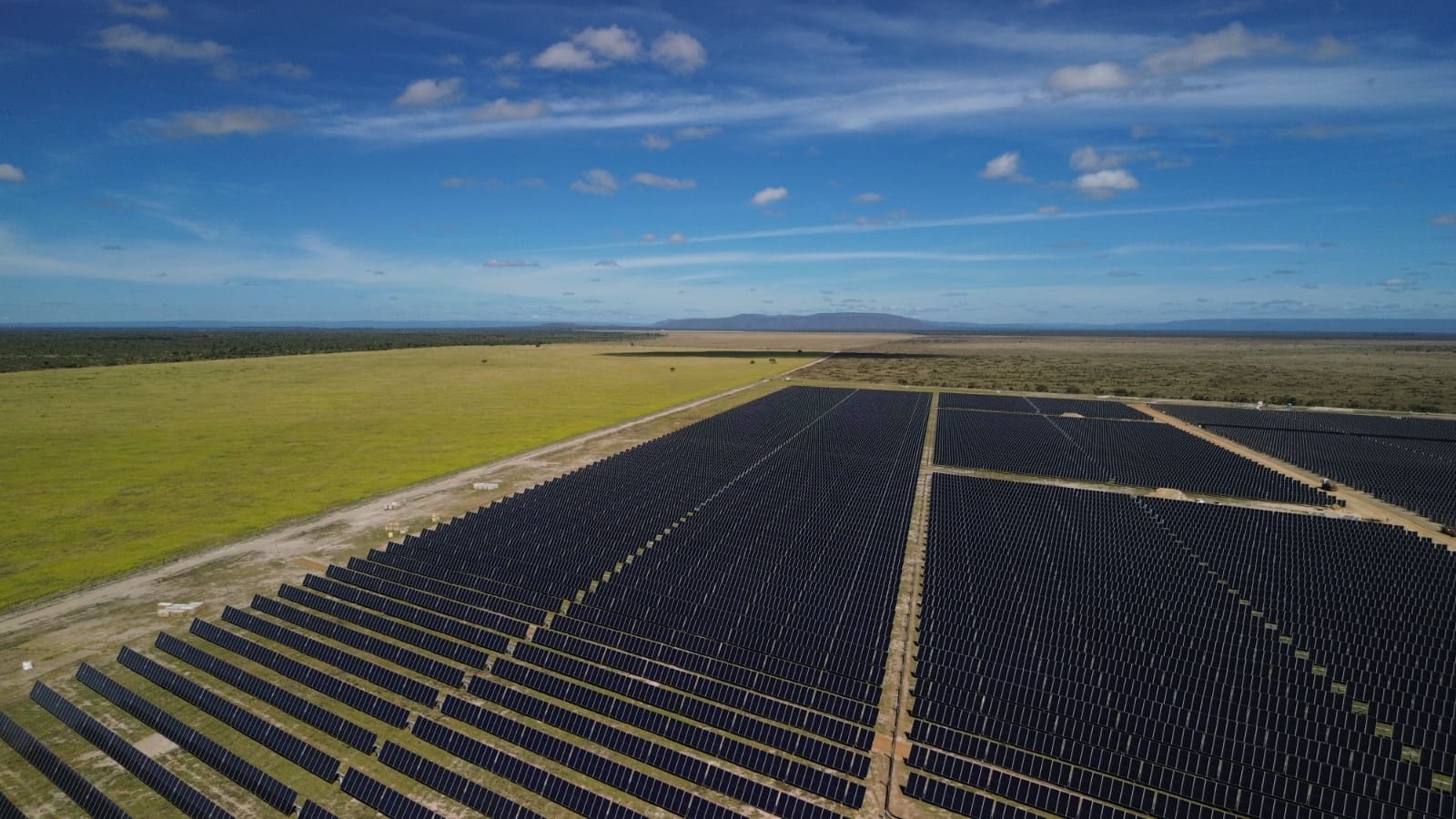
Although it holds most of the country’s solar and wind capacity, the region still struggles with transmission bottlenecks.
Frequently, the energy produced in wind and solar parks needs to be curtailed as there are not enough lines to transport the surplus to major consumer centers.
To reverse this scenario, the government could waive the System Use Fee (TUSD) for strategic consumers, such as industries and data centers.
This way, it would be possible to stimulate investments, reduce waste, and strengthen regional development.
At the same time, installing data centers close to renewable plants would create a positive economic synergy.
Since these structures consume large amounts of energy, they could absorb the surplus that is currently wasted.
Thus, we would transform waste into technological and economic opportunity, driving sustainable growth in the Northeast.
The Role Of Public Policies In Building The Energy Future
The Brazilian energy transition requires political courage and a vision for the future.
Although the country possesses natural resources and technical knowledge, there are still not enough incentives to align efficiency and sustainability.
Thus, public policies against waste need to operate in a integrated and strategic manner.
These policies must encompass investments in storage, tariff reviews, smart grids, and energy education.
At the same time, they should strengthen regional cooperation and attract private investments, ensuring that clean energy produces real benefits for all of society.
Additionally, it is essential to educate consumers and companies about the value of efficiency.
After all, wasted energy today is tomorrow’s scarcity.
Only with awareness, planning, and incentives can we achieve a modern, resilient, and sustainable energy matrix.
Clean Energy, Green Economy, And National Sovereignty – Public Policies Against Waste
The intelligent use of renewable energy strengthens national sovereignty and protects the country from dependence on fossil fuels.
By leveraging its own resources, Brazil reduces vulnerabilities and prepares to compete in an increasingly demanding global market.
More than a technical challenge, the fight against energy waste is an issue of sovereignty and social justice.
When the country wastes clean energy, it also wastes opportunities for jobs, income, and innovation.
Therefore, if Brazil wishes to take a prominent role in the global energy transition, it needs to act urgently and strategically.
Public policies against waste represent the first step to transforming the national energy potential into a pillar of sustainable development.
The future of Brazilian energy depends on the ability to transform waste into efficiency and challenges into achievements.
The path is already laid out, and the time to act is now.









Seja o primeiro a reagir!